

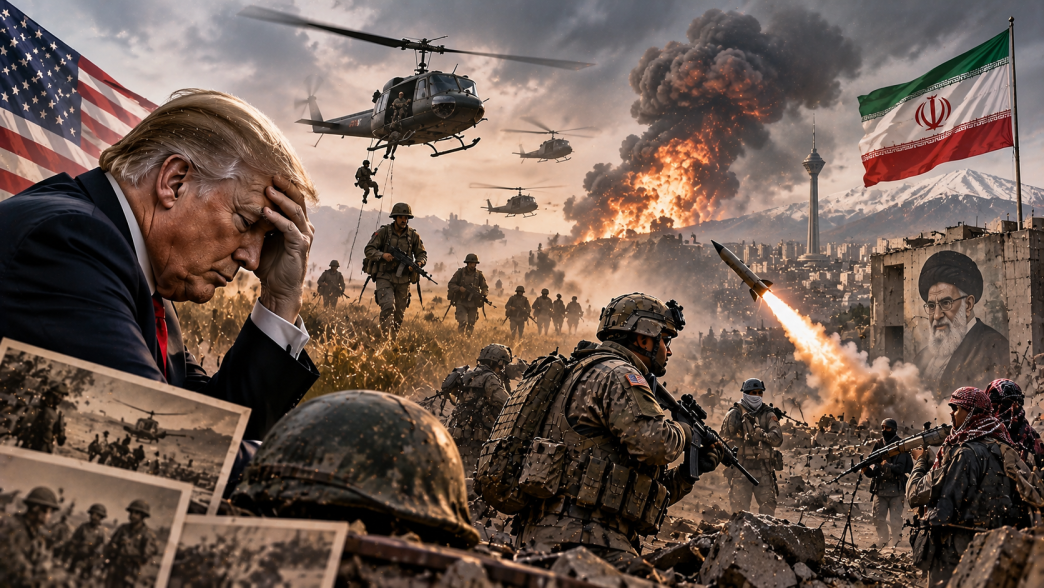
Although the military conflict between the United States and Iran, which began in February 2026, has entered its ninth month, uncertainty remains over how and under what conditions the war will end. The Washington administration’s approach to negotiations with Tehran, alternating at times between compromise and increased military pressure, has brought back memories of the strategic dilemma the United States faced during the Vietnam War. In particular, President Donald Trump’s shifting stance between diplomacy and military intervention is being compared to the decision-making process under Lyndon B. Johnson.
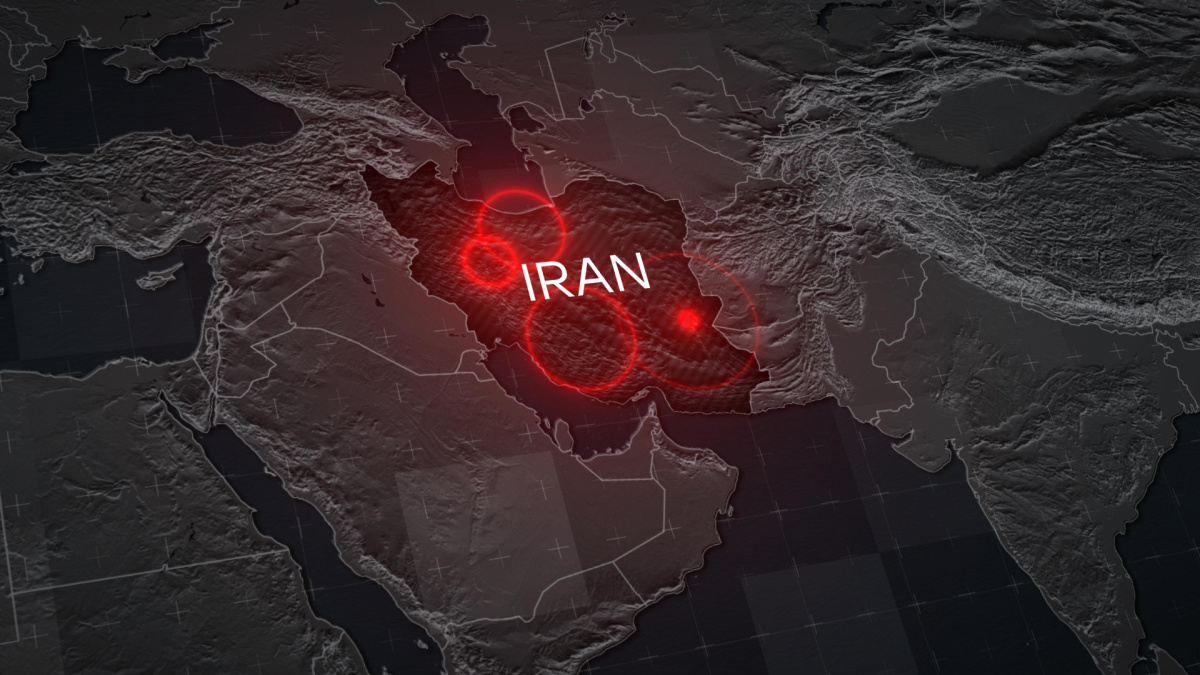
At first glance, there are significant differences between Iran and Vietnam. However, the common feature of the two wars is that military superiority alone is not sufficient to achieve political objectives. Despite its technological and conventional military superiority in Vietnam, the United States was unable to break its adversary’s will to fight. A similar situation cannot be ruled out in Iran. Although Tehran knows that it cannot compete with Washington in terms of direct military power, it is attempting to spread the conflict across different domains and ensure that the United States continues to bear the costs of the war. 
Therefore, Iran’s transformation into a new Vietnam for the United States may not stem from the two countries having identical military and social structures, but rather from Washington’s difficulty in translating its military superiority into a lasting political outcome. A prolonged war, the continued closure of the Strait of Hormuz, fluctuations in energy markets, and growing regional security risks could expose the United States to a much broader range of strategic costs than initially anticipated.
Military superiority does not guarantee political victory
One of the most important lessons of the Vietnam War for the United States was that the relationship between battlefield successes and political objectives was not always linear. Washington inflicted heavy losses on North Vietnam through its air power, technological capabilities, and logistical resources. However, this superiority did not persuade the Hanoi government to abandon its struggle. Instead of confronting American military power directly, North Vietnam adopted a prolonged strategy of attrition.
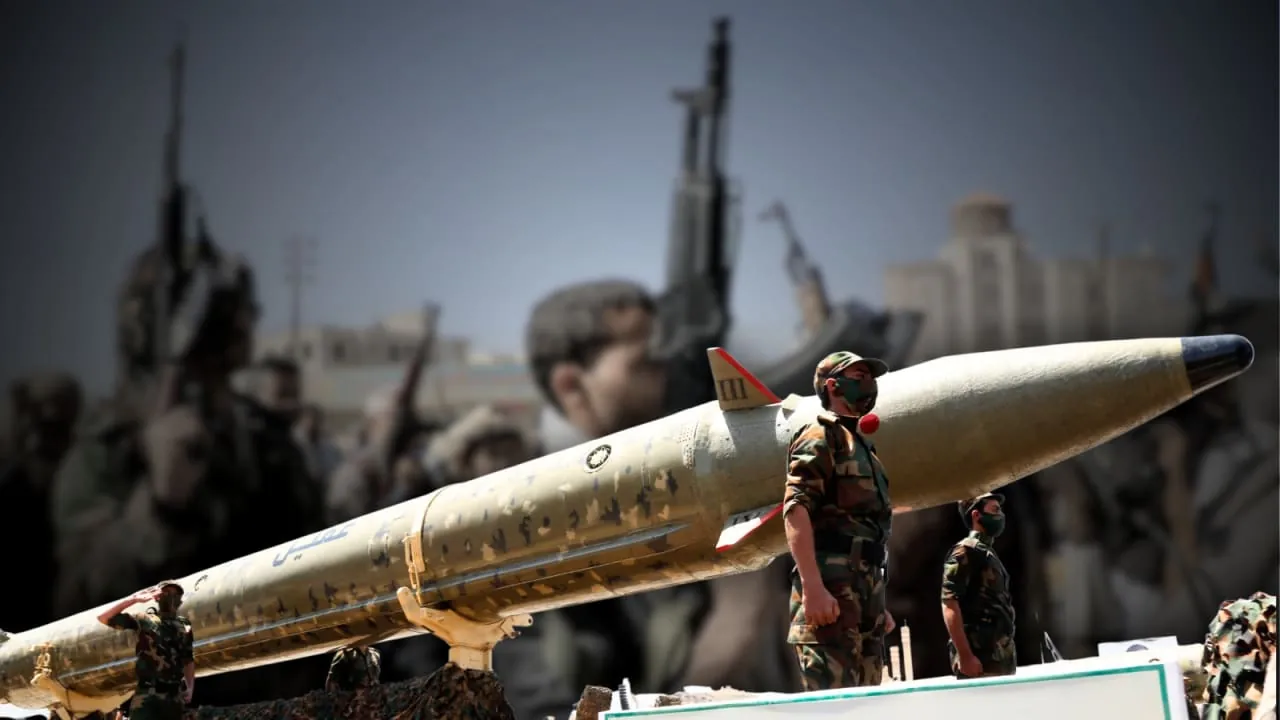
Iran’s approach in the current war is based on a similar strategic rationale. Tehran is aware that engaging in a conventional confrontation with American air and naval forces would have severe consequences for the country. For this reason, it is attempting to restrict Washington’s room for manoeuvre through missile systems, unmanned aerial vehicles, regional military connections, threats to maritime security, and critical transit routes.
What matters here is not whether Iran can defeat the United States militarily, but whether it can make the continuation of the war politically and economically unsustainable for the American administration. This is where the main advantage of asymmetric warfare becomes apparent. The weaker side does not have to neutralise all of its opponent’s military capabilities. Preventing the adversary from achieving its objectives and increasing the costs of the conflict can also produce strategic results.
U.S. military operations in Iran may strike specific targets, damage infrastructure, and limit Tehran’s military capabilities. However, it remains uncertain whether these operations will break Iran’s political will or shape the country’s future security policy in accordance with Washington’s preferences. As in the Vietnam example, a significant gap may emerge between the intensity of military operations and the scope of their political outcomes.
Iran’s domestic political legitimacy differs from Vietnam’s
Nevertheless, there are social and political differences between Iran and North Vietnam that should not be overlooked. In Vietnam, the movement led by Ho Chi Minh had established strong political legitimacy, particularly among rural communities, over many years, beginning with its resistance to the Japanese occupation. The struggle against French colonial rule and later against the U.S.-backed South Vietnamese government had generated broad social mobilisation around nationalism and the idea of independence.
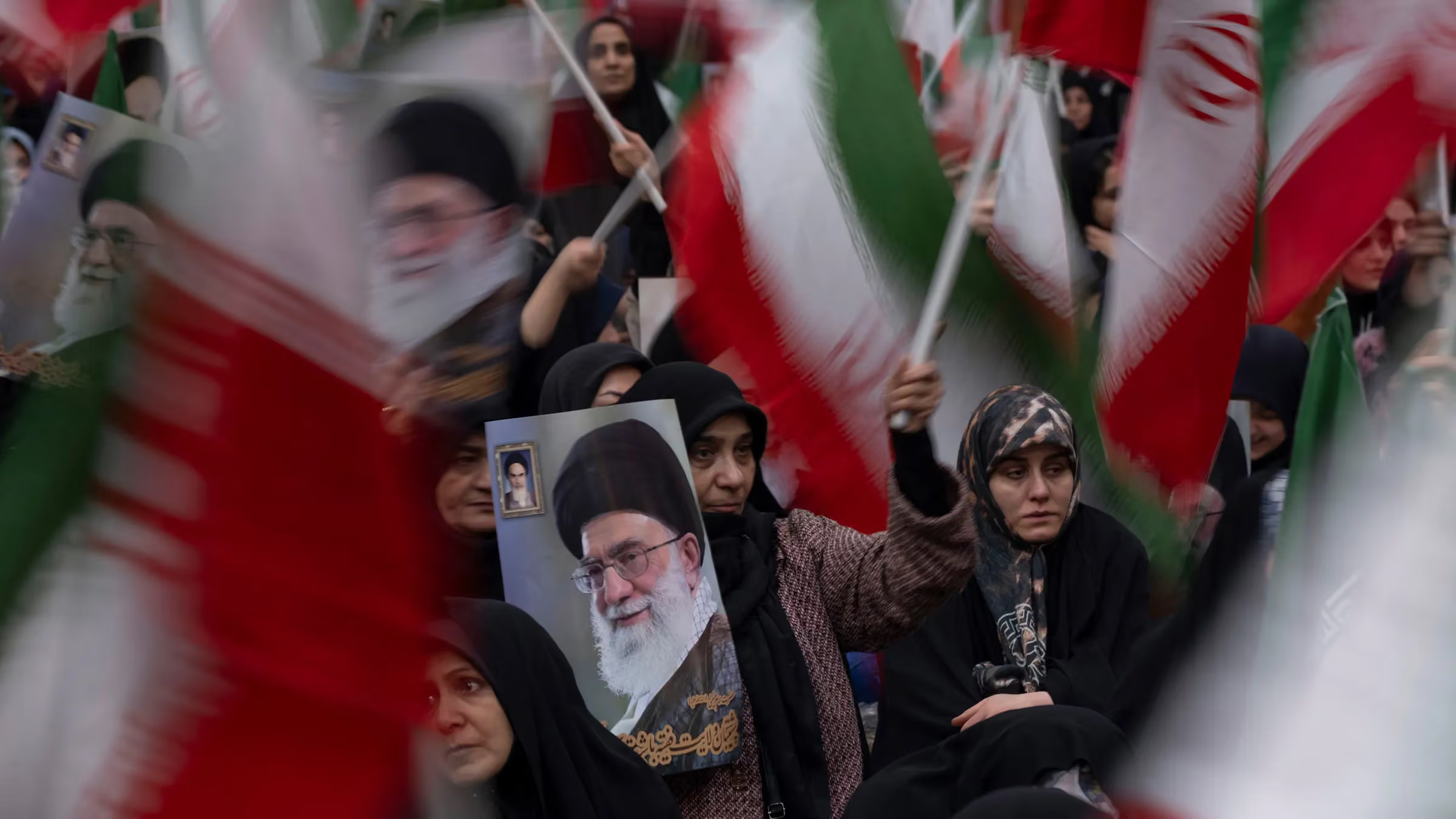
This played an important role in North Vietnam’s ability to sustain a prolonged war. The U.S. military intervention strengthened the idea of resistance to foreign intervention among segments of Vietnamese society. Consequently, Washington was not merely confronting a military force, but also a movement with strong political and social motivation.
The situation in Iran is different. The political system established following the 1979 Revolution has governed the country for nearly half a century. During this period, urbanisation, rising education levels, the social expectations of younger generations, and economic difficulties have significantly transformed the political demands of Iranian society.
Public opinion surveys published before the war indicated considerable dissatisfaction with the Islamic Republic’s existing political structure. Some studies suggested that the proportion of people opposed to the continuation of the regime in its current form exceeded 70 percent. Demands for political change had become particularly pronounced among young people, university graduates, and residents of major cities.
The relatively higher levels of support for the government among rural communities and conservative social groups do not necessarily indicate that the current administration enjoys strong legitimacy across society. Indeed, the cited surveys indicated that only 28 percent of the rural population supported the Islamic Republic in its current form.
These figures suggest that the Iranian government may not be able to rely on the same kind of broad and powerful social solidarity that existed in Vietnam throughout the war. However, an important distinction must be made here: opposition to the current government does not mean that Iranian society supports foreign intervention against its country. On the contrary, even groups opposed to the government may react to foreign military intervention on the grounds of national sovereignty.
Therefore, one of the main challenges facing the United States is the assumption that dissatisfaction within Iranian society with the existing political system will automatically serve Washington’s strategic objectives. As in Vietnam, foreign intervention can sometimes strengthen nationalist sentiments rather than weaken the domestic legitimacy of the government being targeted.
The Strait of Hormuz is becoming the strategic centre of the war
One of the most important instruments Iran can use against the United States is the Strait of Hormuz. The closure of this route, or a serious threat to its security, could transform the conflict from a military confrontation between two countries into a global economic crisis, given its importance as a critical transit point for international energy trade.
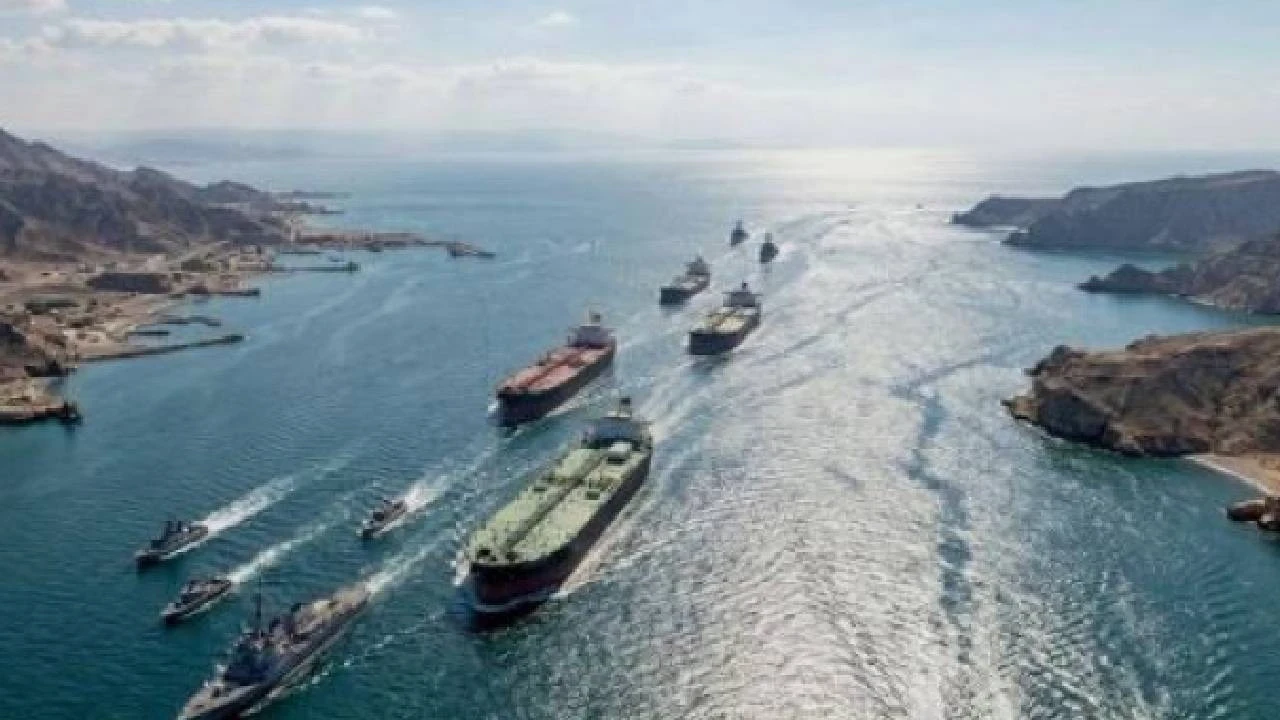
Developments indicating that Iran has requested a seven-day ceasefire to reopen the Strait of Hormuz demonstrate that Tehran is aware of the economic pressure it faces. A halt or significant reduction in oil exports directly affects government revenues and the financing of security institutions, particularly the Islamic Revolutionary Guard Corps. For this reason, the Iranian government’s desire to restore the strait’s operations is economically understandable.
However, the Hormuz issue also represents a serious strategic test for Washington. Despite possessing one of the world’s most powerful navies and advanced air capabilities, if the United States cannot ensure lasting security in the strait, the limits of its military superiority will once again come under scrutiny.
More importantly, the economic consequences of Iran keeping the strait closed for an extended period would not place the costs of the war solely on Tehran. Energy-importing countries, international shipping companies, insurance markets, and global industrial production would also be affected.
The problem the United States faced during the Vietnam War was that the military costs of the conflict gradually turned into domestic political pressure. In the war with Iran, this is compounded by much broader dimensions, such as global energy security and the continuity of maritime trade. If the Strait of Hormuz becomes a prolonged crisis zone, Washington’s decision to continue military operations could become considerably more complicated economically and diplomatically.
Why might Washington’s strategic superiority not be enough to end the war?
The financial, technological, and military superiority of the United States over Iran is an undeniable reality. Thanks to its advanced air power, satellite systems, intelligence capabilities, naval forces, and global logistical network, Washington possesses far greater resources than Tehran. This gives the United States significant advantages in a prolonged military confrontation.
However, strategic superiority and achieving the political objectives of a war are not the same thing. Inflicting severe damage on Iran’s military infrastructure, weakening its defensive capabilities, or establishing operational control in certain areas does not mean that the Tehran government will politically surrender.
This was also the fundamental dilemma Washington faced in Vietnam. Despite inflicting heavy blows on its adversary’s military capabilities, the United States failed to shape the ultimate political outcome of the war in its favour. A similar situation could emerge in Iran. Even if Tehran’s military capabilities are weakened, the government may decide to continue the conflict and impose additional costs on the United States.
Moreover, Iran’s geographical position, vast territory, population structure, and regional security relationships create an operational environment different from that of Vietnam. A comprehensive ground operation against Iran could entail far greater military and political risks than air strikes. The potential consequences of such an intervention, including prolonged occupation, logistical security challenges, local resistance, and regional escalation, could fundamentally alter Washington’s calculations.
The United States therefore faces two fundamental challenges. The first is determining the extent to which it can weaken Iran’s military capabilities; the second is finding a way to translate the military outcomes it achieves into a lasting political settlement. The latter is considerably more complicated than the former.
Could Iran become America’s new Vietnam?
Iran’s current political structure, economic conditions, and international relations differ considerably from those of North Vietnam. The Tehran government does not enjoy the broad social legitimacy that existed in Vietnam. Its economy is more dependent on external developments and energy markets. The support it can receive from Russia and China is also subject to certain limitations. These factors are among the main obstacles that could make it difficult for Iran to sustain a prolonged war.
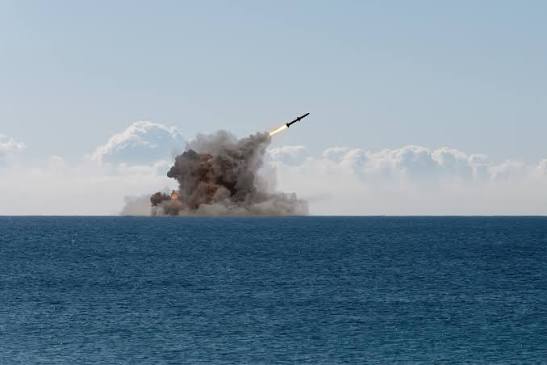
Nevertheless, the possibility that Iran could become a new Vietnam for the United States has not disappeared. The real significance of the Vietnam analogy is not that the two countries share identical military and political characteristics, but that the United States, despite possessing one of the world’s most powerful militaries, may struggle to achieve its strategic objectives against a weaker adversary.
Recognising the limitations of its conventional military capabilities, Iran can prolong the conflict, place global energy security under pressure through the Strait of Hormuz, and turn the American military presence in the region into a source of continuous costs. In this process, not only Washington’s military losses but also energy prices, defence spending, the security of its allies, and reactions from international public opinion will be decisive.
The greatest risk for the Trump administration is the widening gap between the objectives established at the beginning of the war and the stage the conflict has now reached. It remains debatable to what extent military operations can achieve objectives such as changing Iran’s current regime, completely eliminating its nuclear capabilities, or ensuring lasting security in the Strait of Hormuz. If the United States fails to achieve all these objectives, it may be forced to emerge from a war in which it holds military superiority with only limited political gains.
Ultimately, the fact that Iran does not possess the strong social legitimacy and extensive network of allies that distinguished Vietnam increases Washington’s strategic advantages. However, these advantages do not guarantee that the United States can end the war on its own terms. Indeed, as the conflict continues and Iran’s military capabilities weaken, the regional and global costs for the United States could grow.
The decisive factor in determining whether Iran will become America’s new Vietnam is not whether Tehran can defeat the U.S. military, but how long Washington can endure the political and economic costs of the war. The historical legacy of the Vietnam War becomes particularly relevant at this point. When a state’s military superiority is insufficient to eliminate its adversary’s will to resist and achieve its political objectives, the outcome of a war is shaped by factors that extend beyond military successes.
For this reason, the war with Iran has become a major test not only of the balance of power in the Middle East, but also of the United States’ global military intervention capabilities, its understanding of deterrence, and the strategic limits of its ability to wage prolonged conflicts.