


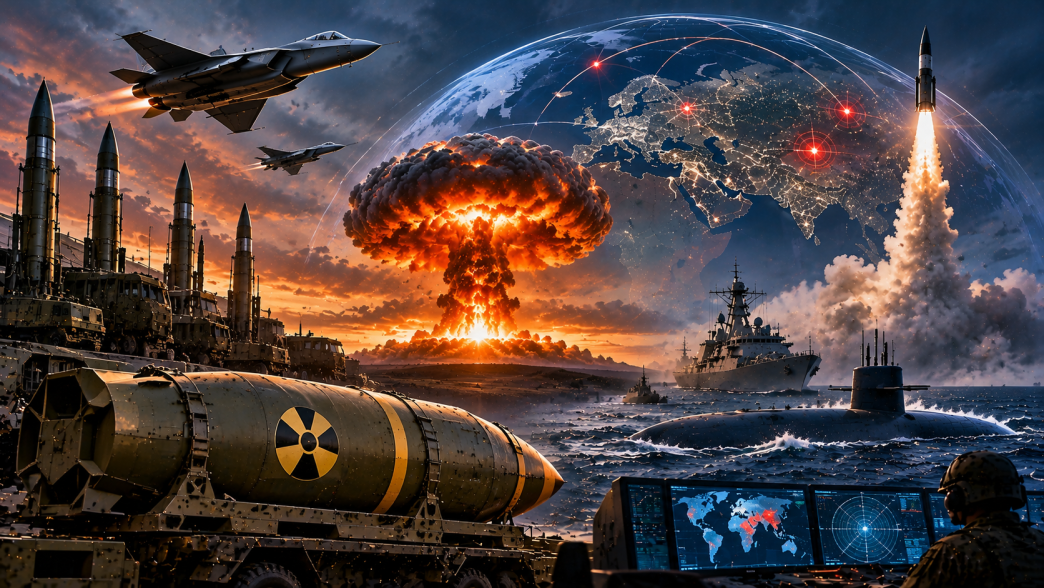
The role of nuclear weapons in military strategy is once again becoming a subject of debate, with particular attention being paid to tactical nuclear weapons, which are often described as having relatively low destructive power. The transformation of major powers’ defense policies has led these weapons to be considered not merely instruments of deterrence but also potential military options in the event of a conflict.
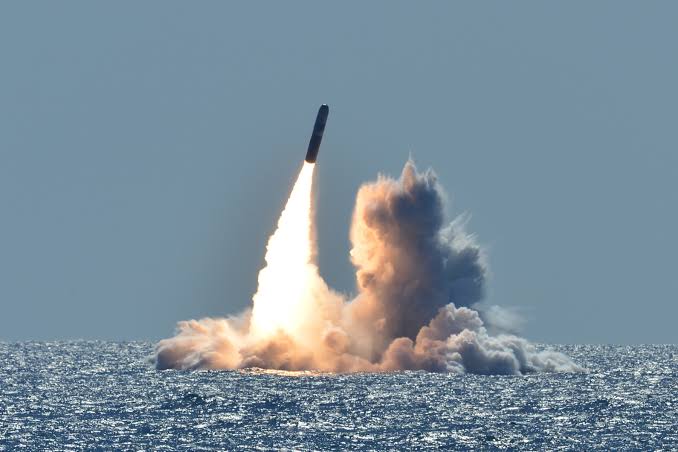
The initiatives being pursued within the U.S. Department of Defense under the direction of Undersecretary Elbridge Colby are a concrete example of this approach. Washington’s consideration of expanding its tactical nuclear arsenal and exploring additional deployment options in Europe has become part of a broader strategic debate over how the United States intends to maintain its global military presence. 
Behind this approach lies the United States’ desire to protect its allies in Europe and Asia while reducing the need to maintain large military forces permanently stationed in these regions. Tactical nuclear weapons are increasingly viewed as an intermediate deterrent option in scenarios where conventional forces might prove insufficient. However, this approach contains a significant strategic misconception. The fact that a nuclear weapon has a lower explosive yield does not mean that its consequences will be limited or that it can be employed in a controlled manner during a conflict. On the contrary, giving tactical nuclear weapons a more prominent role in military planning risks encouraging an approach that could lower the threshold for nuclear use.
The destructive impact of tactical nuclear weapons
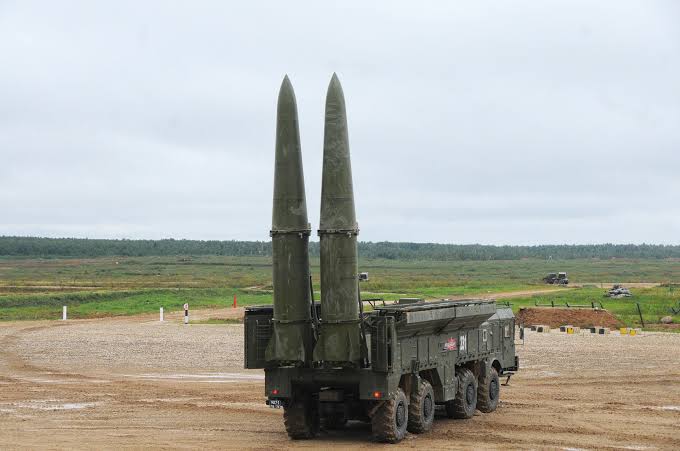
The distinction between tactical and strategic nuclear weapons is primarily based on their intended purposes, targets and explosive yields. Tactical nuclear weapons are generally designed to strike battlefield targets such as enemy formations, military bases, airfields, armored vehicles and logistical facilities. Their explosive yields are also generally lower than those of strategic nuclear weapons. Typically ranging from 0.1 to 50 kilotons, this capability reinforces the perception that such weapons could be employed against specific military targets.
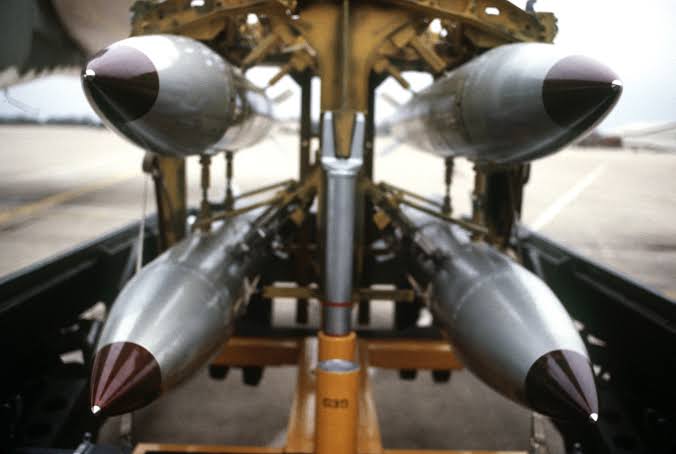
However, this classification is insufficient to understand the actual consequences of nuclear weapons. A weapon designed to destroy a battlefield target does not affect only the military assets being targeted. The blast pressure, extreme heat, fires and radiation generated by a nuclear detonation can produce lethal consequences across a much wider geographical area, extending far beyond the intended military objective. Therefore, the lower destructive power of tactical nuclear weapons does not justify placing them in the same category as conventional weapons.
One of the clearest examples of this danger is the atomic bomb dropped on Hiroshima in 1945. With an explosive yield of approximately 16 kilotons, the weapon destroyed a substantial part of the city and affected the lives of hundreds of thousands of people. By comparison, even the lowest-yield nuclear warheads currently deployed by the United States are reportedly estimated to range from approximately 0.3 to 50 kilotons. In other words, some weapons classified as tactical nuclear weapons possess destructive capabilities comparable to, or even greater than, the bomb used against Hiroshima.
A study published by the Council on Strategic Risks examines in detail the potential consequences of a 20-kiloton nuclear explosion. According to the study, people located approximately 600 meters from the detonation site would be killed instantly, while those within a radius of up to 1,500 meters could suffer third- and fourth-degree burns. The intense heat generated by the explosion could trigger widespread fires, while the resulting flash could cause temporary or permanent blindness. Buildings within approximately 800 meters could sustain severe damage from the blast wave, while structures and vegetation at greater distances could also catch fire.
The danger does not end with the initial explosion. Radioactive fallout, carried by contaminated dust and debris, threatens food supplies, water systems and populated areas. This transforms the consequences of a nuclear detonation from an immediate disaster into a prolonged humanitarian and environmental catastrophe.
NUKEMAP simulations, which model the potential consequences of nuclear explosions, further illustrate this reality. A hypothetical 20-kiloton surface detonation over New York is estimated to cause approximately 159,000 deaths and 291,000 injuries. Radioactive fallout could potentially extend as far as the vicinity of Shelton, Connecticut. What makes these projections particularly striking is that they are based on the use of a single tactical nuclear weapon, one considered relatively low-yield compared with strategic nuclear weapons.
For this reason, classifying nuclear weapons solely according to their explosive yield can lead to an underestimation of the threat they pose. The fact that these weapons are designed to strike military targets does not mean that civilians, infrastructure and the environment can be protected from their destructive effects.
Crossing the nuclear threshold and the risk of escalation
One of the most critical aspects of the debate surrounding the proliferation of tactical nuclear weapons is the possibility of uncontrolled escalation following their use. When a state employs a nuclear weapon on the battlefield, the opposing side may not interpret the action as merely a limited military strike. Such a development could fundamentally alter the nature of the conflict and create pressure for retaliation.
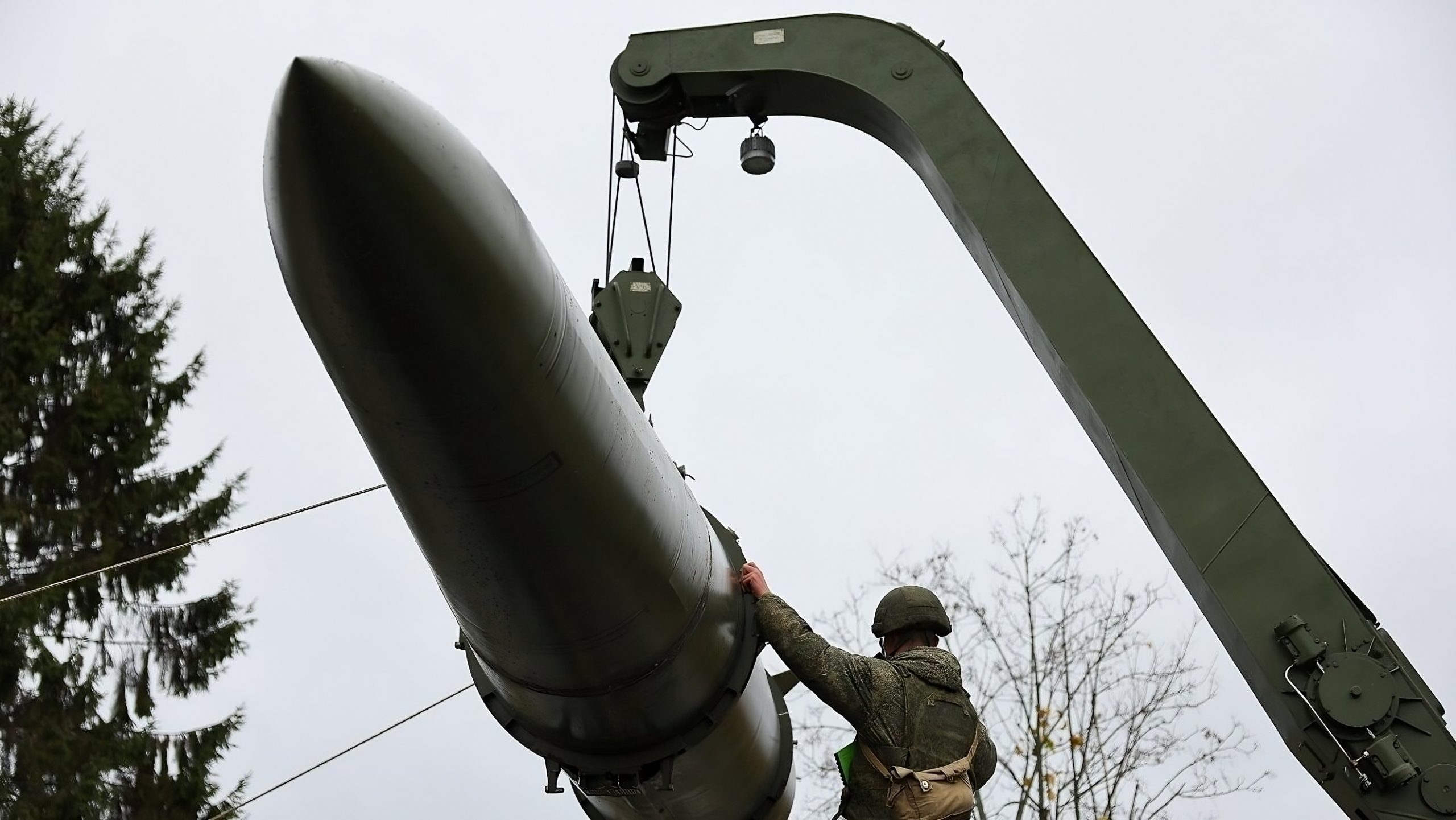
It is impossible to predict with certainty how a state subjected to a nuclear attack would respond. The targeted country might choose to bring the conflict to an end, retaliate using conventional weapons or consider a direct nuclear response. At the same time, there is considerable uncertainty about how the state that initiated the nuclear attack would react if faced with retaliation. Responding to retaliation with further retaliation could transform a military operation initially intended to remain limited into a much broader nuclear confrontation.
The fundamental problem is that the consequences of nuclear weapons use cannot be confined to predetermined military targets. One side’s belief that it can pursue a controlled escalation strategy does not mean that its adversary will behave in the same way. Under wartime conditions, intelligence failures, communication breakdowns, political pressure and mutual distrust can make decision-making processes even more complicated.
Consequently, planning the use of tactical nuclear weapons as a limited military intervention does not mean having control over how the resulting crisis will unfold. As the distinction between nuclear weapons developed for deterrence and those regarded as usable battlefield instruments becomes increasingly blurred, strategic stability can be seriously undermined.
The limits of military power and the U.S. security approach
The United States’ pursuit of an expanded tactical nuclear weapons capability also exposes a more fundamental challenge concerning how Washington intends to manage its global security commitments. Having maintained a military presence in different parts of the world since the Cold War, the United States now faces growing pressure to redistribute its resources in response to China’s rise, its ongoing rivalry with Russia and Europe’s security challenges. However, this does not mean that Washington can establish military superiority in every region or guarantee the protection of all its allies to the same extent.
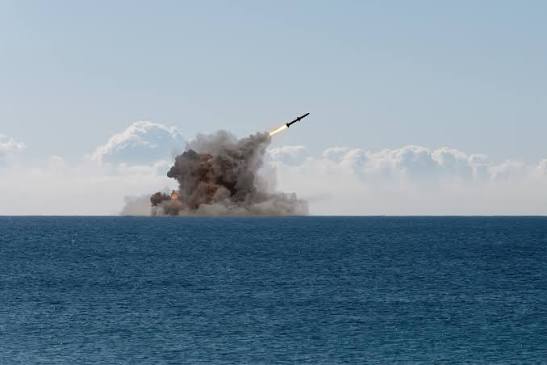
Regardless of how advanced a country’s military capabilities may be, it is impossible for any state to exercise decisive military power simultaneously in every part of the world. Therefore, rather than shaping its security policies primarily around increasing the number of weapons systems, the United States needs to reassess the regions in which it should assume security responsibilities and determine the appropriate level of commitment in each of them.
Europe provides an important example in this regard. Russia’s war against Ukraine has exposed both Moscow’s military capabilities and its operational limitations, while demonstrating the need for European countries to strengthen their own defense capabilities. Instead of making Europe’s security entirely dependent on the U.S. military presence and nuclear capabilities, a more sustainable approach would involve European states investing in conventional defense capabilities, expanding defense-industrial production and strengthening joint military planning mechanisms.
In the Asia-Pacific region, meanwhile, China’s rise represents one of the most significant long-term strategic challenges facing the United States. Washington needs to deepen military cooperation with its regional allies, expand collective defense capabilities and avoid basing deterrence exclusively on the presence of American forces. Strengthening the national defense capabilities of Japan, South Korea, Australia and other regional partners could provide opportunities to distribute the military burden more evenly.
The key issue is not for the United States to abandon its responsibility to protect its allies altogether, but to place its security relationships on a more realistic and sustainable foundation. Reducing military deployments and maintaining deterrence do not necessarily have to be contradictory objectives. However, the solution lies not in expanding the geographical deployment of tactical nuclear weapons, but in strengthening conventional defense capabilities, coordination among allies and crisis-management mechanisms.
Misperceptions of security in nuclear deterrence
Nuclear weapons must be assessed differently from other military systems, not only because of their physical destructive capabilities but also because of the consequences their use would have for the international security order. There is a fundamental difference between maintaining these weapons for deterrence and treating them as ordinary military instruments that can be employed in an actual war.
The approach historically associated with U.S. President Dwight Eisenhower, who at one point discussed nuclear weapons in terms comparable to conventional ammunition, represents an understanding that deserves renewed scrutiny today. As nuclear weapons increasingly become operational options in military planning, policymakers may find their psychological and political thresholds for considering their use gradually lowered. In particular, the misleading perception created by the concept of low-yield nuclear weapons, both among the public and within military circles, could lead to an underestimation of the consequences of nuclear use.
Yet the destructive power of nuclear weapons cannot be measured solely by the devastation caused at the moment of detonation. Radioactive contamination, humanitarian losses, economic collapse, environmental destruction and the possibility of retaliation can turn their use into an event that threatens global security. Employing a nuclear warhead against a specific battlefield target does not guarantee that the conflict will remain confined within the same geographical or military boundaries.
At a time when competition among major powers is intensifying, the possibility of regional conflicts expanding is increasing and nuclear deterrence is once again moving to the forefront of international security debates, the proliferation of tactical nuclear weapons represents a serious risk. Every measure introduced in the name of strengthening deterrence must also be examined in terms of whether it increases the likelihood of miscalculation and uncontrolled escalation.
Ultimately, nuclear weapons cannot be treated like other types of ammunition in a military inventory. Their relatively lower explosive yields do not make tactical nuclear weapons more usable or manageable. On the contrary, normalizing the possibility of their use on the battlefield could undermine the international security framework built around preventing nuclear war. Genuine deterrence does not lie in making nuclear weapons easier to use, but in ensuring that their use never becomes a reasonable option for any side.

