



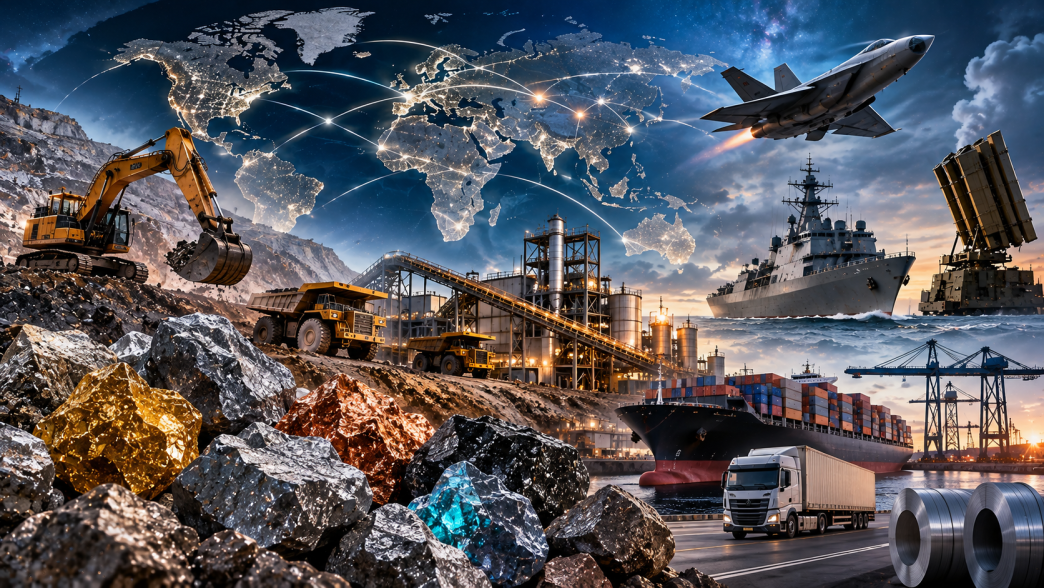
Military superiority in modern warfare depends not only on advanced weapons systems, technological innovation, or operational capabilities on the battlefield. The raw materials, critical minerals, industrial infrastructure, and supply chains that make these systems possible are just as strategically important as the weapons themselves. Today, the global defense industry faces a growing challenge in securing production and supply chains alongside technological advancement.
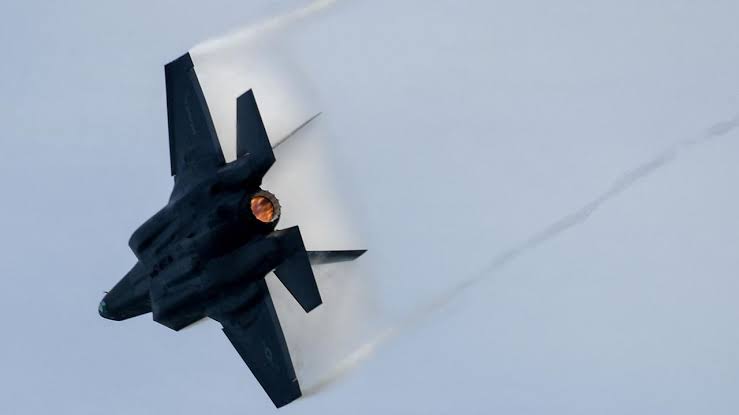
The U.S. defense industry’s dependence on China is one of the clearest examples of this problem. A study conducted by the Special Competitive Studies Project, founded by former Google CEO Eric Schmidt, examines approximately 3,000 U.S. military weapons systems and reveals their reliance on critical minerals such as antimony, gallium, germanium, and tungsten. 
The study analyzed approximately nine million components and identified more than 28,000 parts containing these minerals across 1,400 different weapons systems. China’s potential reintroduction of export restrictions poses a risk that could directly affect U.S. production programs, the maintenance of existing weapons systems, and operational readiness.
However, this is not a problem facing Washington alone. The increasingly complex structure of global defense manufacturing demonstrates that many countries are exposed to similar vulnerabilities.
Dependence on foreign sources of critical minerals
Critical minerals used in the defense industry play a decisive role in a wide range of applications, from the electronic systems and ammunition of modern weapons to their radar systems and engines.
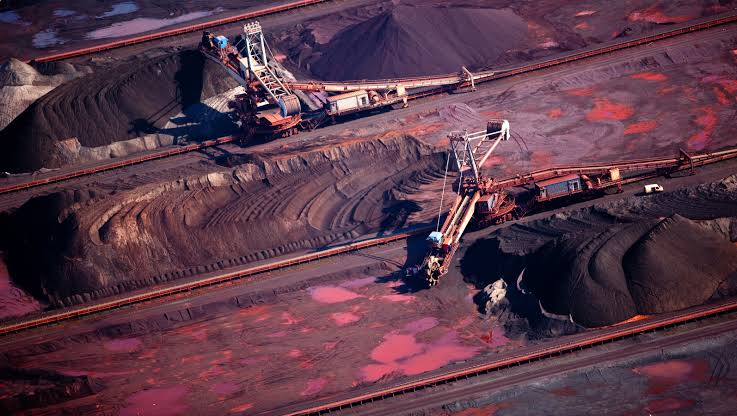
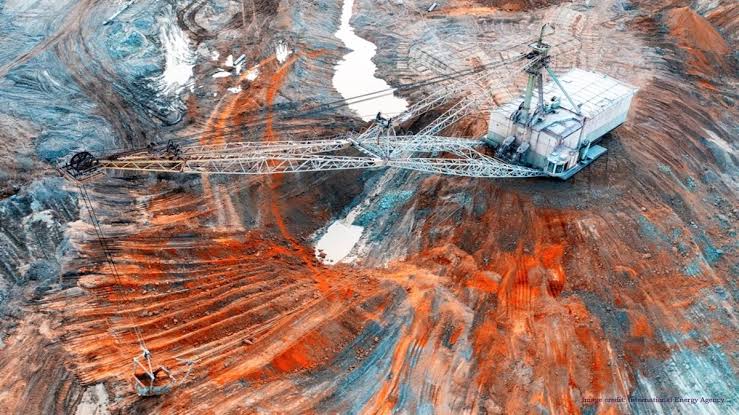
Gallium is used in advanced radars and semiconductors, while germanium is essential for optical systems, night-vision technologies, and electro-optical equipment. Antimony is used in ammunition production, while tungsten is employed in warheads, manufacturing tools, and heat-resistant components.
The concentration of production in a limited number of countries makes the defense industry vulnerable to geopolitical developments. China’s dominant position in gallium and germanium production demonstrates that critical raw materials can serve not only as economic resources but also as instruments of strategic pressure.
A disruption in the supply chain could do more than delay the production of new weapons. It could also make it more difficult to maintain existing platforms, replenish ammunition stocks, and replace systems lost during wartime.
Production bottlenecks and military readiness
The vulnerabilities facing the defense industry extend beyond raw material supplies. Limited capacity in manufacturing processes such as metal casting, forging, extrusion, and specialized coating increases delivery times for weapons systems.
Production delays affecting the U.S. Virginia-class submarines are a significant example of this problem. These submarines require hundreds of components containing critical minerals, and their production is also being disrupted by insufficient large-scale metal casting capacity.
Similar problems affect military aircraft. The B-2 bomber, F/A-18 fighters, KC-135 tankers, and B-52 bombers all depend on critical minerals as well as specialized metalworking and coating processes.
This situation demonstrates that production capacity is indispensable not only for developing new weapons systems but also for maintaining existing military capabilities. Possessing advanced weapons may not be sufficient if a country cannot maintain them or replace losses sustained during a war.
Single-source dependency in supply chains
Another major risk facing the defense industry is the limited number of manufacturers producing critical components. The contraction of global manufacturing networks means that the shutdown of a single factory or company can disrupt the production of an entire weapons system.
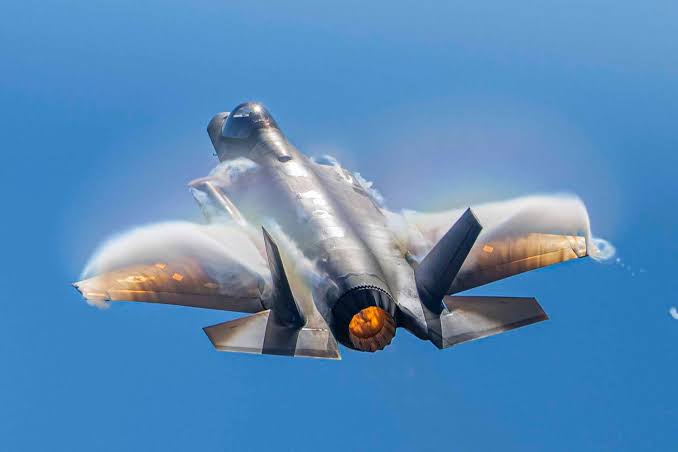
A fire at a fastener manufacturing facility in the United States in 2025 provided a concrete example of this vulnerability. The shutdown of a plant producing thousands of military components affected the supply chains of numerous weapons systems. The fact that the facility was the sole supplier for certain systems made it even more difficult to redirect production to alternative sources.
This situation highlights the importance of identifying alternative suppliers and ensuring that critical components can be obtained from multiple production sources.
A minor disruption in the manufacturing chain can delay the delivery of a major military platform. Supply chain security has therefore become more than a commercial concern for companies; it is now directly linked to national security and military deterrence.
A shared challenge for the global defense industry
These vulnerabilities must be viewed as a global problem extending beyond the rivalry between the United States and China. European countries, advanced industrial economies in Asia, and other states seeking to expand their defense manufacturing capabilities face similar risks in accessing critical minerals, electronic components, and specialized production infrastructure.
For countries seeking to expand their defense manufacturing capacity, building new factories alone is not enough. The raw materials required by these facilities must be secured reliably, production processes must remain sustainable, and critical components must be available from alternative sources.
Increasing domestic production in the defense industry must therefore be approached within a broader framework. Designing and assembling a weapons system domestically does not provide full strategic independence if its critical components still have to be imported.
The new meaning of strategic independence
Strategic independence in the defense industry can no longer be measured solely by the ability to manufacture advanced weapons. It requires securing an entire industrial ecosystem, from the supply of critical minerals and the production of electronic components to metalworking capacity and a skilled workforce.
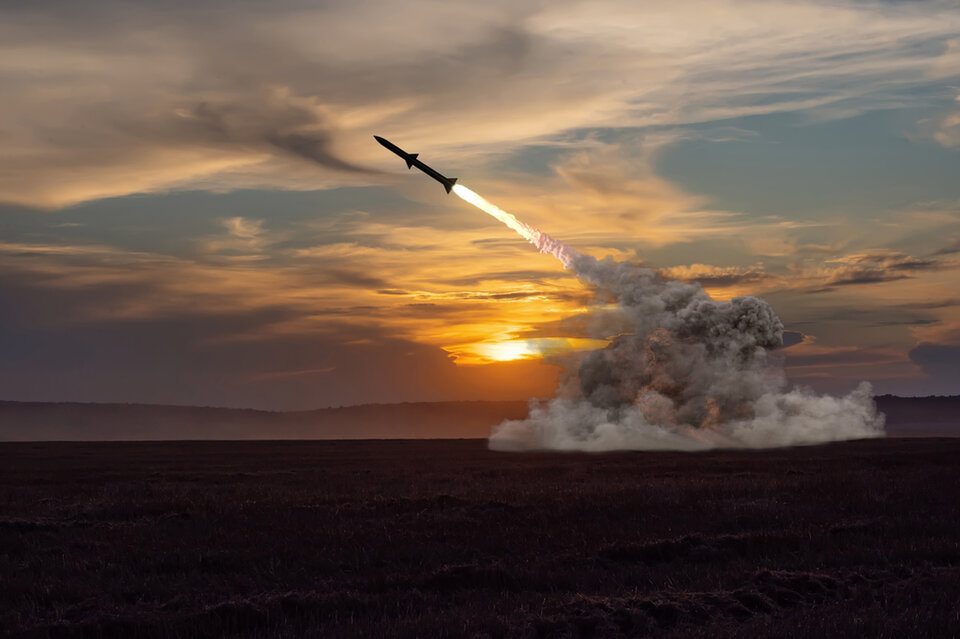
In this context, countries need to establish critical raw material reserves, develop alternative supply sources, expand domestic production capacity, and protect small suppliers within the defense industry. At the same time, unnecessary bureaucratic burdens must be reduced, and a flexible industrial structure capable of rapidly expanding production during crises must be established.
These developments also offer important lessons for Türkiye. Domestic production and national self-reliance in the defense industry must extend beyond the design and manufacturing of military platforms. They should encompass the entire supply chain, from critical minerals and electronic components to engine technologies and industrial infrastructure.
In future wars, superiority will be determined not merely by possessing the most advanced weapons systems, but by the ability to manufacture them continuously, sustain their maintenance, and rapidly replace losses when necessary. True strategic strength in the defense industry lies in combining technological superiority with secure and resilient production capabilities.