


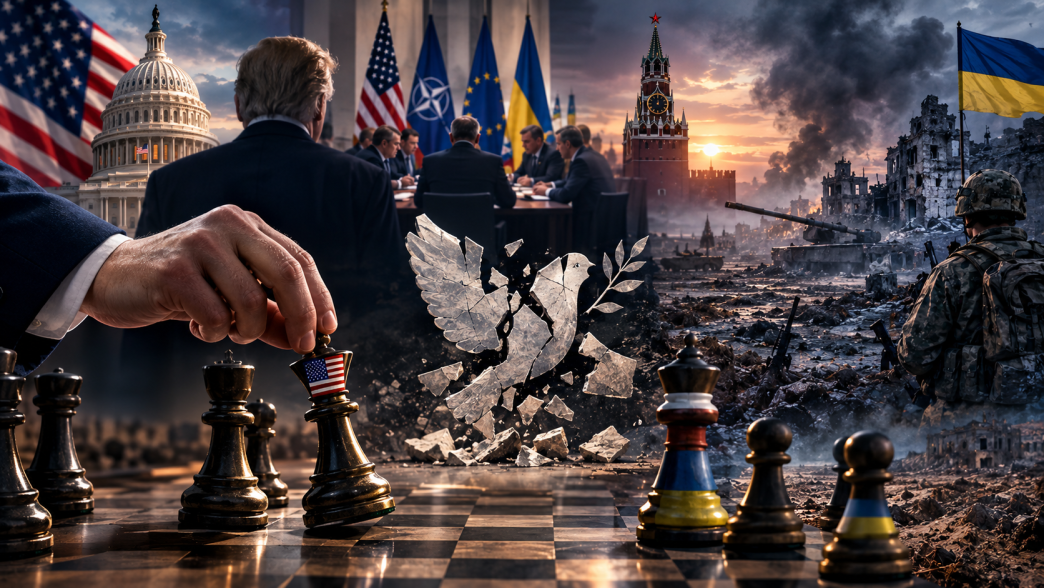
Donald Trump’s engagement with Russia, his criticism of Volodymyr Zelensky, and Europe’s mounting security challenges are pushing transatlantic relations into a new phase of uncertainty. As Washington and European capitals increasingly disagree over how to end the war in Ukraine, questions are growing over Europe’s military capabilities, political influence, and strategic independence.
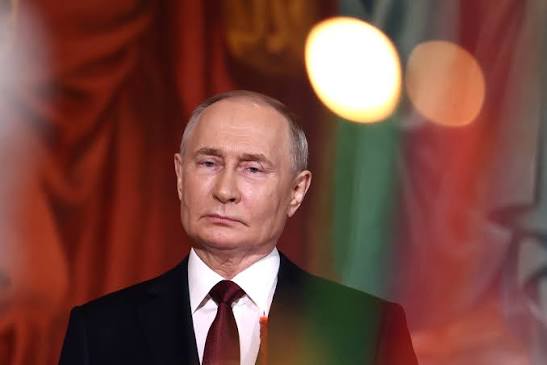
A three-way summit involving U.S. President Donald Trump, Russian President Vladimir Putin, and Chinese President Xi Jinping has not yet been confirmed. However, such a meeting could take place on the sidelines of the Asia-Pacific Economic Cooperation (APEC) Summit in Shenzhen, China, on November 18–19. For Europe, the main concern is not simply a meeting between the world’s three major powers, but the possibility that Ukraine’s future could be discussed without European leaders or Zelensky at the table. 
This raises a fundamental question: How independently can Europe shape its own future when its security still depends heavily on American military support?
A growing crisis of trust between Washington and Europe
The European Union is seeking to appoint a representative for potential peace negotiations, with Finnish President Alexander Stubb emerging as a possible candidate. Yet selecting a common representative will not necessarily strengthen Europe’s position. What matters most is whether European countries can develop a coherent diplomatic and security strategy.
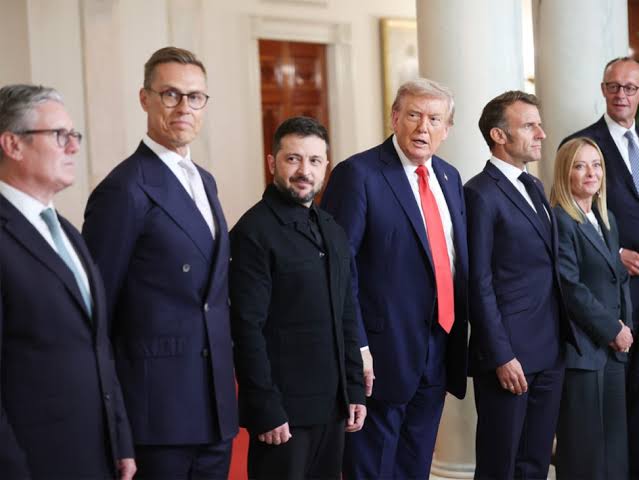
While European capitals attempt to maintain a united position on Russia’s war against Ukraine, the Trump administration is pursuing direct negotiations with Moscow and exploring alternative paths toward ending the conflict. This divergence raises questions about Europe’s ability to influence decisions that directly affect its own security.
German Chancellor Friedrich Merz’s opposition to a reported U.S. proposal concerning frozen Russian assets at the October 15 EU summit in Brussels illustrated the growing divide. Merz argued that decisions regarding assets held in Europe should remain in European hands.
His position reflects Europe’s determination to preserve control over its Russia policy. However, it also highlights the difficulties of coordinating policy with Washington. The future of the Ukraine war, economic pressure on Russia, and energy security are increasingly being approached through competing strategic priorities rather than a shared agenda.
Trump-Zelensky tensions and the future of the war
Developments in October highlighted the growing differences between the Trump administration and European governments over Ukraine. Trump’s announcement on October 9 of a deal to purchase Russian diesel fuel drew criticism from European officials who support Moscow’s economic isolation. His October 16 executive order suspending the implementation of new sanctions against Russia reinforced concerns about Washington’s changing approach.
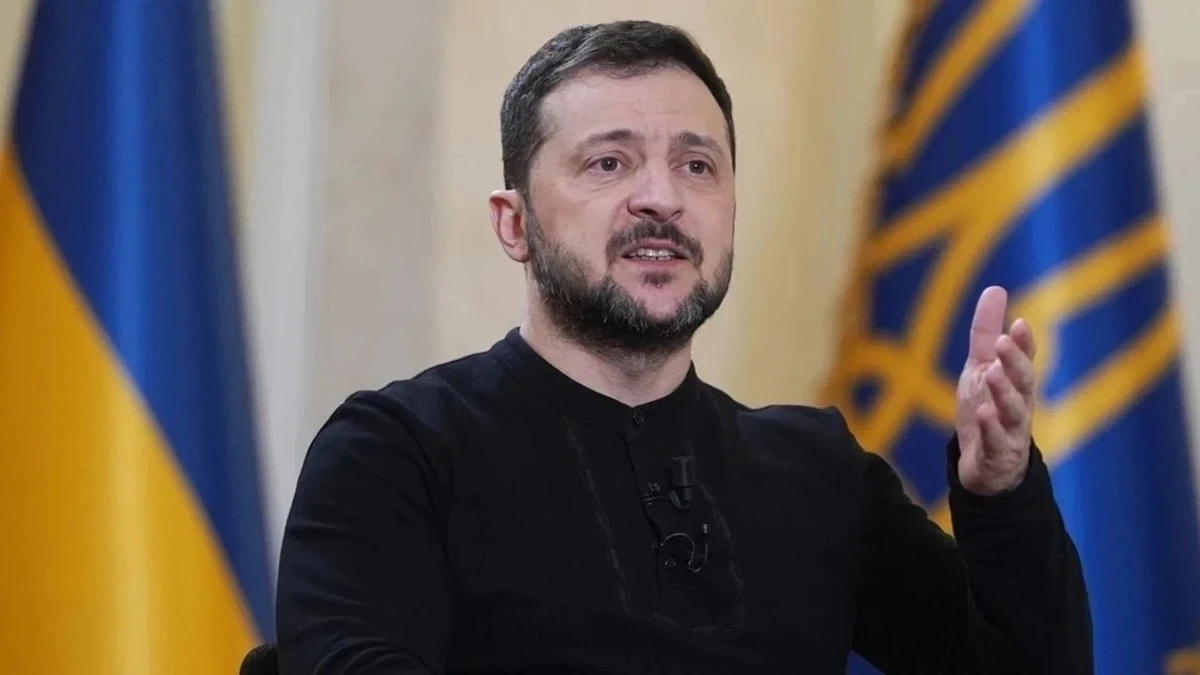
On October 18, Trump accused Zelensky of not wanting to end the war and raised the possibility of a different Ukrainian leadership capable of reaching an agreement with Moscow. These remarks reflected not only tensions between the two leaders but also a fundamental disagreement over the conditions required for peace.
Washington’s priority is to find a framework that reduces the costs of the conflict and facilitates a negotiated settlement. Kyiv, meanwhile, remains concerned about occupied territories, national sovereignty, and future security guarantees. European governments fear that an agreement could weaken Ukraine’s security or give Moscow an opportunity to pursue further military objectives.
Ending the fighting, therefore, may not be enough to establish lasting peace. The durability of any settlement will depend on the terms of a ceasefire, mechanisms for monitoring violations, and the guarantees provided to Ukraine.
Trump’s criticism of Ukrainian drone attacks on Russian oil refineries reflects another dimension of this dispute. Washington argues that such operations could undermine diplomatic efforts, while Kyiv views strikes against Russia’s energy and military logistics infrastructure as a means of weakening its war-fighting capacity. The disagreement illustrates how difficult it is to align battlefield operations with diplomatic objectives.
Reports of restrictions affecting Ukraine’s military use of the Starlink satellite network have also highlighted Kyiv’s dependence on external support. Although the Trump administration denied involvement in the reported restrictions, the importance of satellite communications, intelligence sharing, and target identification makes reliance on foreign technology a significant vulnerability for Ukraine.
Europe’s defense crisis extends beyond Ukraine
Europe’s predicament is not limited to diplomatic disagreements with Trump. The war has exposed the assumptions underpinning the continent’s security model for decades. Following the Cold War, many European countries limited defense spending while relying heavily on American military power within NATO.
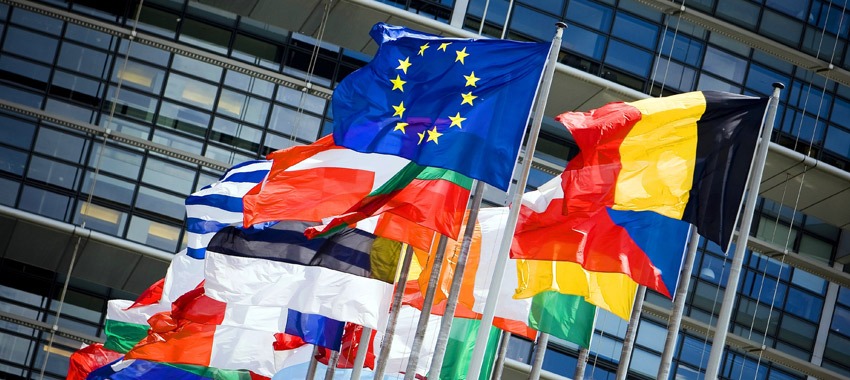
Russia’s invasion of Ukraine exposed the limitations of this approach. European governments have since sought to increase defense budgets, expand ammunition production, and address military capability gaps. Yet higher spending does not automatically translate into operational readiness. Developing weapons systems, expanding production lines, training personnel, and coordinating procurement all require time.
Europe’s defense industry also remains fragmented by national interests and competing procurement decisions. Differences in military platforms, ammunition standards, and production processes can undermine interoperability and complicate joint operations during a crisis.
The Ukraine war has demonstrated that ammunition consumption and logistical capacity are decisive factors in modern warfare. Long-range missiles, air defense systems, drones, and electronic warfare equipment require advanced technology, but their effectiveness also depends on production volumes, maintenance infrastructure, and reliable supply chains.
Europe must replenish its own stockpiles while continuing to support Ukraine and preparing for the possibility of a wider conflict. If American assistance becomes more limited or politically conditional, these challenges will become even more pressing. Europe’s defense crisis therefore requires more than increased military spending: it demands coordinated industrial production, joint planning, and a clearer definition of strategic priorities.
NATO’s future and Europe’s strategic autonomy
The widening divide between Washington and European capitals is intensifying debate over NATO’s future. Collective defense depends on a shared perception of threats and confidence that allies will honor their security commitments. Washington’s demand that Europe assume greater responsibility for its own defense is putting this arrangement under pressure.
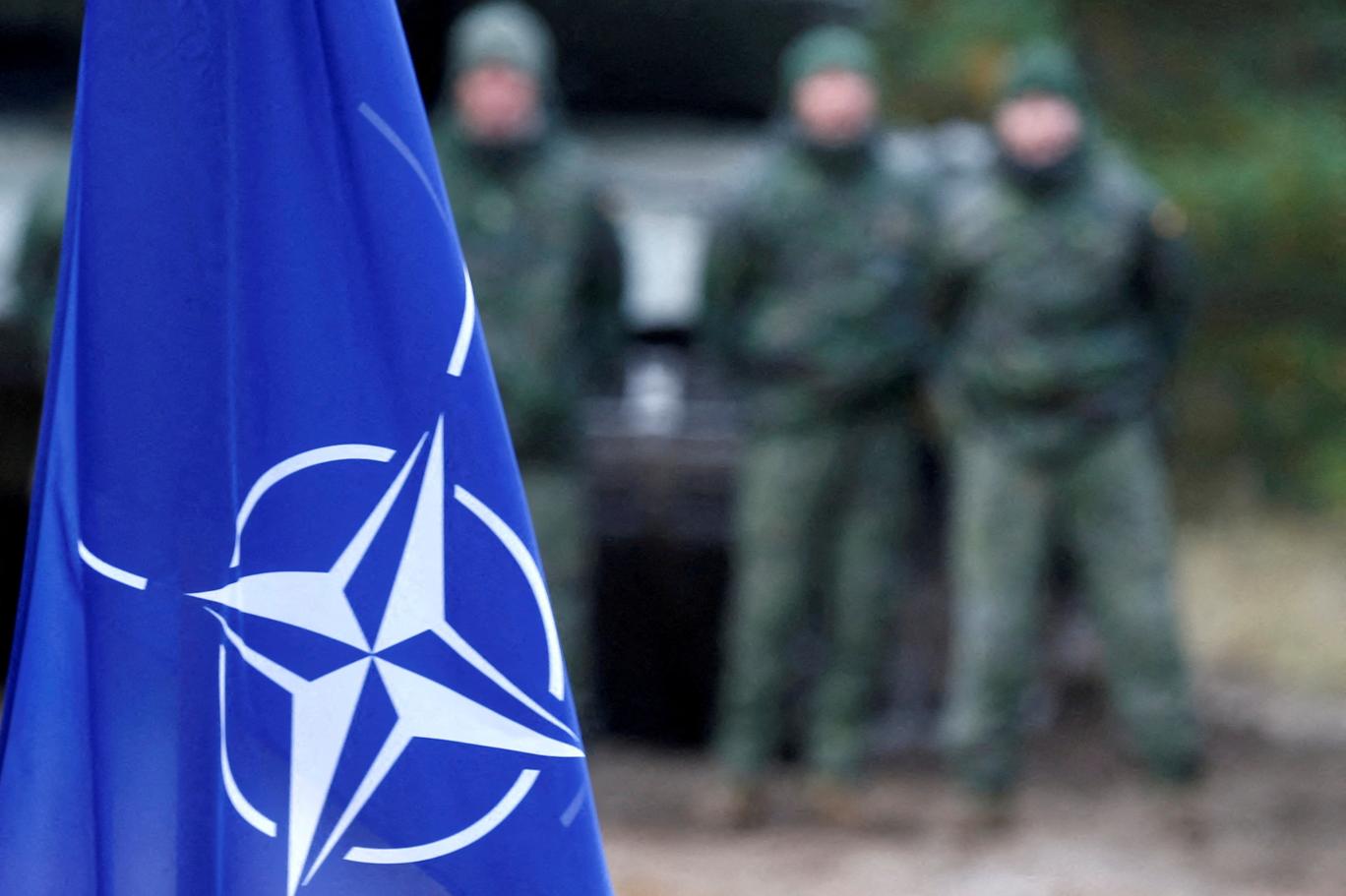
Strategic autonomy has consequently become more important to European policymakers. It does not necessarily mean creating a defense system entirely independent of the United States. Rather, it means developing sufficient military capabilities to respond to security crises even if American support diminishes.
However, major obstacles remain. France favors a more independent European defense posture, while several countries on NATO’s eastern flank consider the American military presence indispensable in deterring Russia. Germany, meanwhile, must expand its military capabilities while redefining its role in European security.
These differences complicate efforts to establish a common European defense architecture. Although political tensions with Washington may accelerate efforts to reduce dependence on the United States, such dependence cannot be eliminated quickly. American capabilities remain particularly important in strategic airlift, satellite intelligence, air defense, long-range precision strikes, and other advanced military technologies.
Europe’s challenge is therefore not simply to choose between NATO and independence. It must preserve the transatlantic alliance while developing the military capacity to withstand changes in American political priorities.
Russia’s isolation policy and the diplomatic deadlock
Since the beginning of the Ukraine war, Europe has sought to isolate Russia economically and diplomatically. However, the effectiveness of this approach varies across sectors and international relationships. Although Moscow’s ties with Europe have deteriorated sharply, Russia continues to maintain relationships with China, India, and other countries outside the continent.
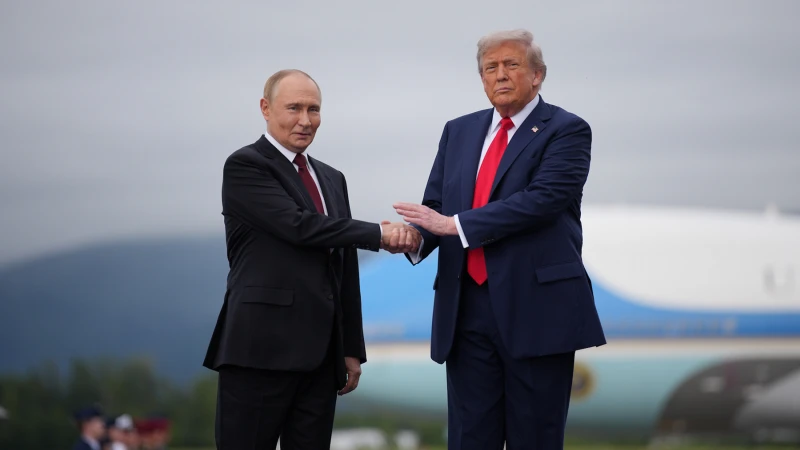
This raises questions about whether Russia can be completely isolated internationally. European sanctions can restrict access to technology and place pressure on specific sectors of the Russian economy, but they cannot guarantee a change in Moscow’s political calculations or bring the war to an end on their own.
Trump’s willingness to engage directly with Putin reflects a different assessment of diplomacy. Negotiating an end to the conflict requires communication with the opposing side, but talks alone do not guarantee agreement or a lasting settlement.
For Europe, the principal concern is that Washington and Moscow could reach an arrangement affecting the continent’s security without adequately addressing European interests. At the same time, European objections could complicate Washington’s diplomatic efforts. Any sustainable settlement will therefore need to consider both Ukraine’s security requirements and Europe’s broader defense concerns.
Europe’s domestic challenges and changing security priorities
Europe’s difficulties also extend beyond foreign policy. Social unrest in France, immigration policy, and debates over integration have become increasingly prominent political issues. On October 20, Trump called on France to close its borders following protests, prompting criticism from President Emmanuel Macron.
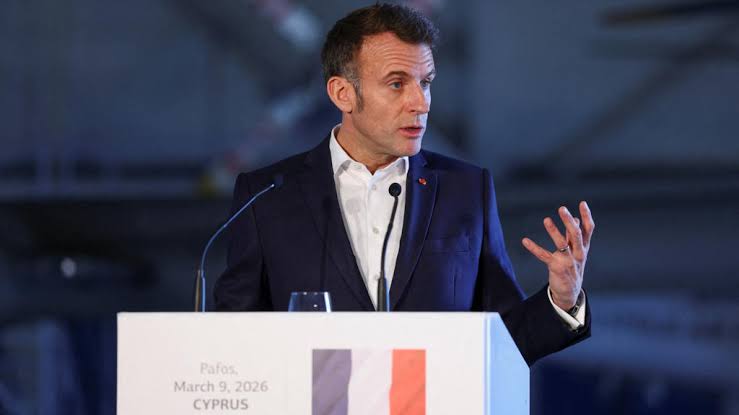
Explaining France’s unrest solely through immigration would overlook other factors, including economic inequality, tensions between police and communities, limited opportunities in disadvantaged suburbs, and political polarization. Nevertheless, migration management and social integration remain central issues in political debates across Europe.
These domestic challenges have implications for national security. Political polarization can influence foreign policy decisions and public support for defense spending. Economic pressures, energy costs, and competing demands on public finances can also affect the sustainability of military investment.
European governments must strengthen military deterrence against Russia while managing domestic economic and social pressures. Defense capabilities depend not only on weapons and personnel but also on industrial capacity, economic resilience, political stability, and long-term planning.
Europe’s future depends on defense industrial transformation
The continent’s security challenges have made a fundamental transformation of Europe’s defense industry increasingly necessary. Uncertainty over the future of American support is encouraging European countries to develop their own military capabilities. Yet purchasing more weapons alone will not solve the problem.
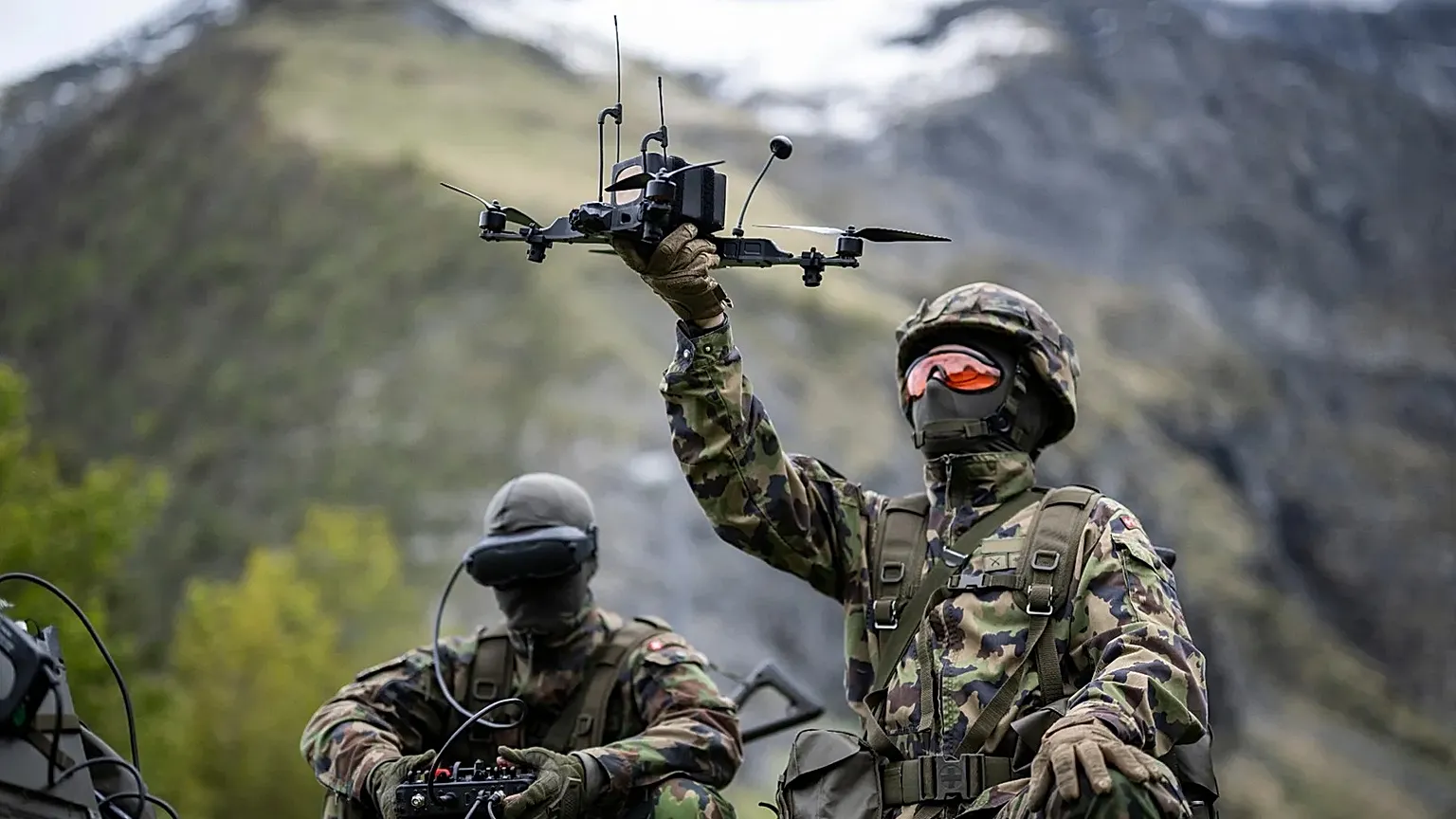
Europe needs to expand production, replenish ammunition stocks, strengthen air and missile defense, and improve its capabilities in unmanned systems and electronic warfare. Joint procurement programs and long-term industrial investment are equally important.
The Ukraine war has shown that production capacity and cost-effectiveness can be as decisive as technological sophistication. European militaries must determine how to counter large numbers of relatively inexpensive drones, protect critical infrastructure, and sustain operations amid heavy ammunition consumption.
Europe faces two complementary objectives: maintaining defense cooperation with the United States and strengthening its own military capabilities. Without a workable balance between the two, the continent risks remaining dependent on Washington while struggling to develop the capacity required for independent action.
Conclusion: Europe’s search for a new security order
Tensions between Trump and Zelensky, Washington’s engagement with Moscow, and Europe’s military shortcomings have reopened fundamental questions about the future of the Western alliance. The differences between the United States and Europe over ending the Ukraine war are not merely diplomatic disagreements; they directly affect the continent’s future security architecture.
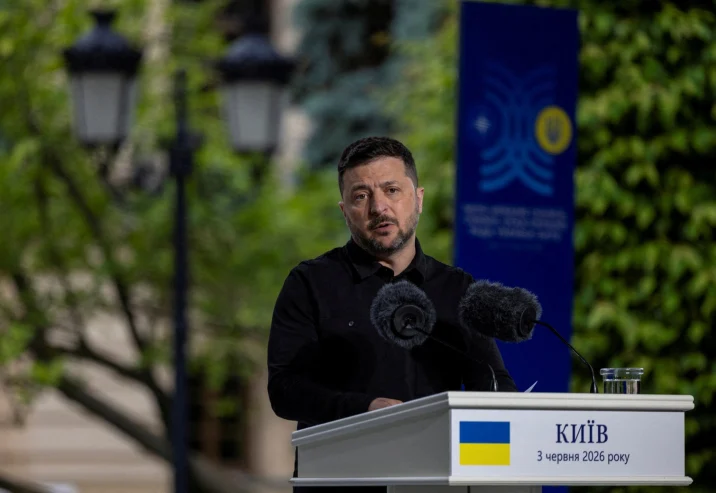
Europe’s greatest challenge will be to strengthen its defense capabilities while managing uncertainty over American support. Higher defense budgets, joint production, ammunition procurement, and investment in military technology are essential, but lasting strategic autonomy will remain difficult without political coordination and a shared assessment of threats.
For Zelensky, the central question is whether a potential peace agreement can protect Ukraine’s sovereignty and long-term security. For Europe, the outcome will reveal how much influence it can exercise over a security order taking shape on its own doorstep. For the Trump administration, the challenge will be to reconcile diplomatic efforts with its broader reassessment of America’s global commitments.
The growing transatlantic divide does not necessarily mean the Western alliance is coming to an end. It does, however, suggest that its traditional operating model is changing. Europe’s future position will depend not only on how it manages relations with Washington but also on its ability to strengthen its military power, defense industry, and political decision-making capacity.

