

The proliferation of unmanned aerial vehicles (UAVs), unmanned surface and underwater vehicles, and autonomous systems in naval warfare is significantly changing traditional concepts of military superiority. The ability of much cheaper systems to threaten warships costing billions of dollars has sparked a broader debate about the future of naval forces. However, these developments do not indicate that navies are losing their importance. Rather, they demonstrate that achieving superiority at sea has become more complex and multidimensional.
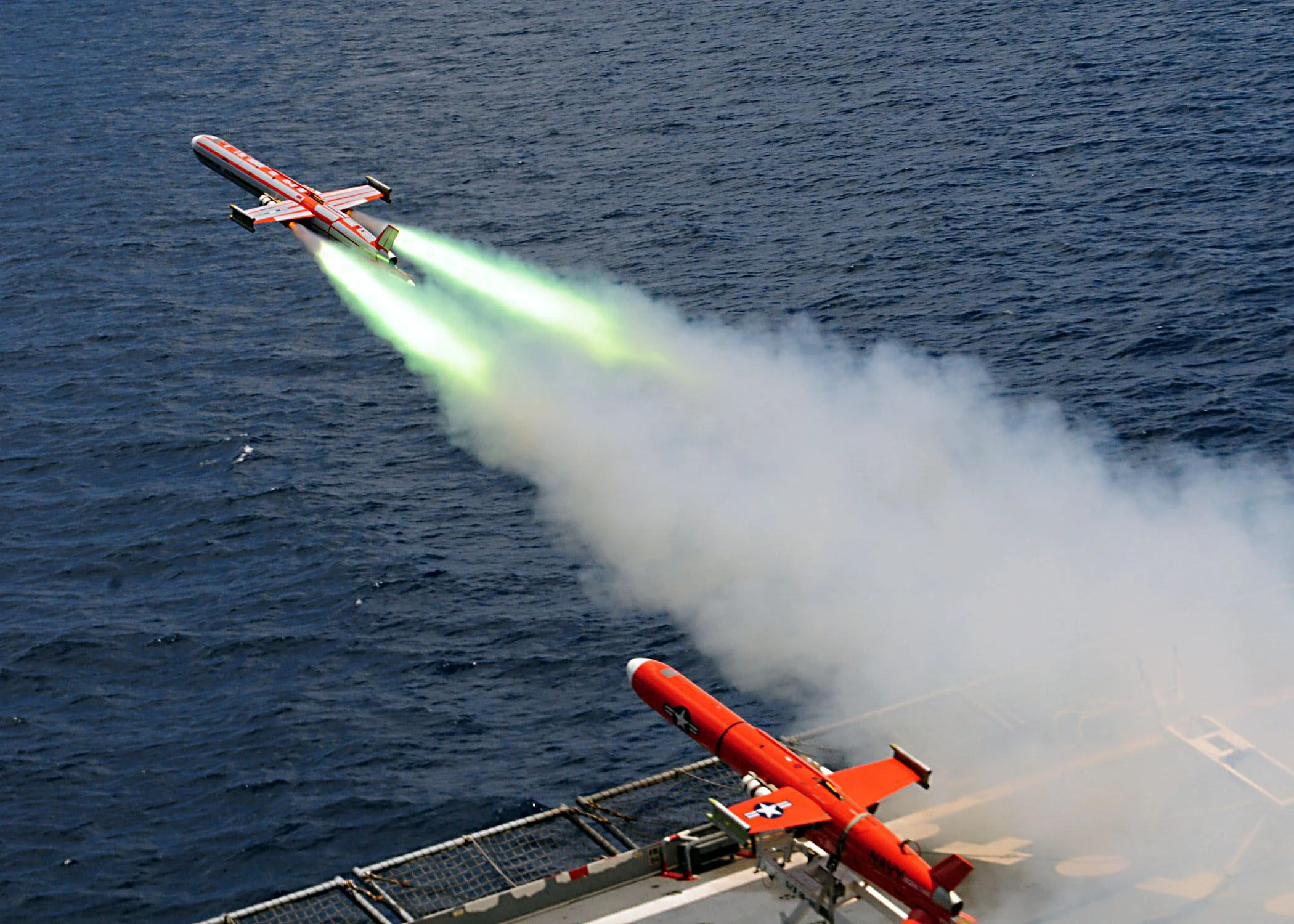
Developments ranging from the Russia-Ukraine War to tensions in the Persian Gulf have shown that unmanned systems can challenge powerful navies. Nevertheless, disabling a warship is not the same as controlling the seas, securing trade routes, or maintaining a permanent military presence at sea. This is where the fundamental contradiction of modern naval warfare emerges: unmanned systems can alter the balance of power at sea, but they cannot replace sea power on their own. 
Cheap unmanned systems threaten expensive warships
In traditional naval warfare, large warships were among the principal instruments of maritime superiority, thanks to their advanced radars, air defense systems, long-range missiles, and substantial firepower. Today, however, these platforms face a new security challenge from low-cost unmanned surface vessels, kamikaze UAVs, and coordinated swarm attacks.
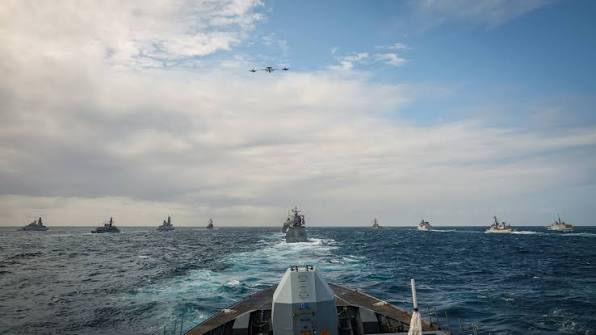
A destroyer or frigate’s ability to repel a single attack does not mean it will achieve the same success against intensive attacks coming from multiple directions. The cost difference between advanced air defense missiles and the inexpensive unmanned vehicles designed to exhaust them creates considerable economic pressure on the defending side. Moreover, the attacking side does not need to succeed in every attempt. Simply forcing defensive systems to remain operational, consuming ammunition, and keeping personnel at a heightened state of alert can have significant operational consequences.
Ukraine’s use of unmanned surface vessels against the Russian Navy in the Black Sea has become one of the most striking examples of this transformation. Russia has been forced to reorganize its naval assets and operations, particularly those exposed to greater risks. Despite facing a navy far more powerful than its own, Ukraine has been able to influence the operational balance at sea.
However, this success does not mean Ukraine has achieved absolute sea control in the Black Sea. Forcing Russia completely out of the maritime domain and restricting the movement of Russian ships in certain areas are two very different outcomes. Unmanned systems can be effective in achieving the latter, but they are not sufficient to accomplish the former on their own.
The central issue in modern naval warfare is therefore not choosing between large warships and unmanned vehicles. It is developing a sustainable force structure in which these assets complement one another in terms of cost and operational effectiveness.
The Strait of Hormuz and the Black Sea reveal the same reality
Understanding the importance of sea power requires looking beyond the destruction or sinking of warships. What ultimately matters is a state’s ability to maintain maritime transportation, restrict an adversary’s movements, and establish a degree of control over critical maritime chokepoints.
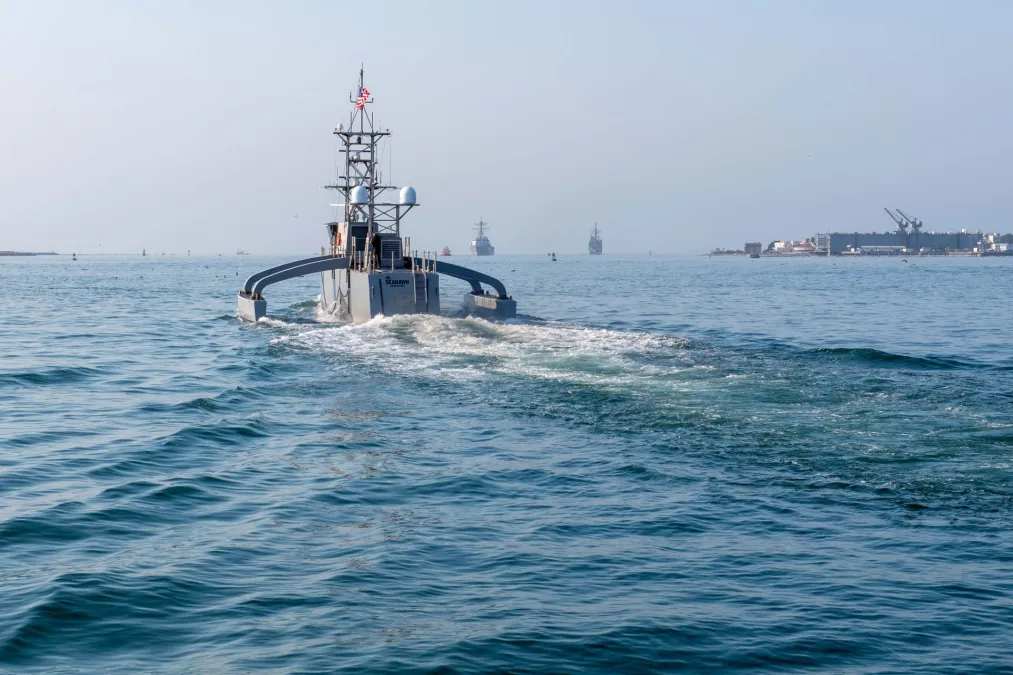
While the war in the Black Sea has demonstrated that unmanned systems can restrict the operational freedom of a powerful navy, tensions around the Strait of Hormuz reveal the global consequences of disrupting maritime traffic. The threat Iran can pose at this strategic chokepoint extends beyond military targets, affecting energy markets, oil transportation, insurance costs, and international trade.
Even actors with limited military capabilities can exploit geographical advantages at narrow passages such as the Strait of Hormuz. Unmanned surface vessels, naval mines, shore-based missiles, and UAVs can form a network of threats capable of complicating the operations of powerful navies. However, being able to threaten maritime traffic is not the same as exercising continuous control over it.
Making passage through a strait dangerous and ensuring the sustainable security of maritime transportation require different military and logistical capabilities. Limited assets can be effective under certain conditions in the former case, whereas the latter requires a comprehensive force structure encompassing air and maritime surveillance, mine clearance, air defense, and escort operations.
The examples of the Black Sea and the Strait of Hormuz therefore demonstrate not that unmanned systems have made sea power unnecessary, but that maintaining sea control has become an activity requiring greater expenditure, coordination, and sustained operational effort.
Sea control and sea denial are not the same
One of the most important distinctions in modern naval strategy is the difference between sea control and the ability to deny an adversary access to the maritime domain.
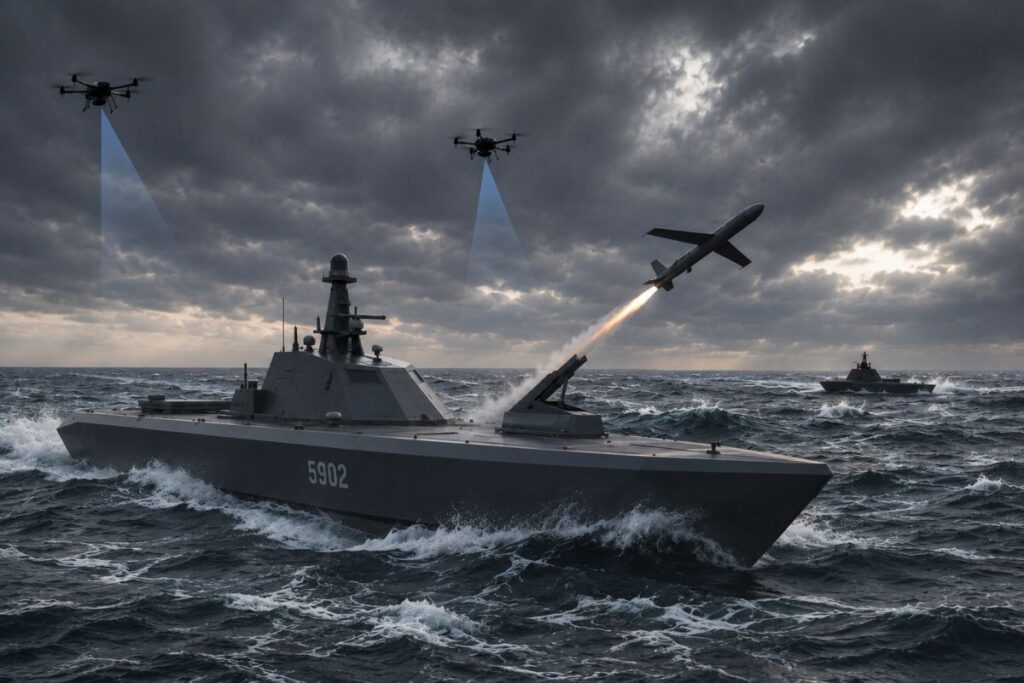
Sea control means that naval forces can carry out their missions in a particular area at an acceptable level of risk and protect trade routes when necessary. Sea denial, by contrast, focuses on preventing an adversary from operating freely in the same area. This second approach has become particularly attractive to states with more limited resources.
When unmanned surface vessels, shore-based missile systems, naval mines, and reconnaissance and surveillance networks are combined, approaching a coastline defended by these capabilities can become extremely dangerous for even a powerful navy. As a result, a smaller force can restrict an adversary’s operational freedom without establishing maritime superiority itself.
However, this capability also has its limits. Making it dangerous to approach a port does not mean being able to secure that port. Threatening a merchant fleet is not equivalent to escorting commercial vessels. Similarly, making it difficult for an adversary to operate in a particular area does not mean possessing the logistical and military resources required to maintain one’s own forces there for an extended period.
Consequently, while unmanned systems strengthen deterrence and sea-denial capabilities, they do not eliminate the need for the broader force structure required to establish sea control.
Unmanned systems cannot assume all the roles of navies
Navies are not merely combat platforms designed to target enemy ships. They perform a wide range of missions, including protecting maritime trade routes, reassuring allies, maintaining a military presence in crisis zones, conducting evacuation operations, carrying out anti-submarine warfare, providing air defense, and ensuring the continuity of maritime transportation.
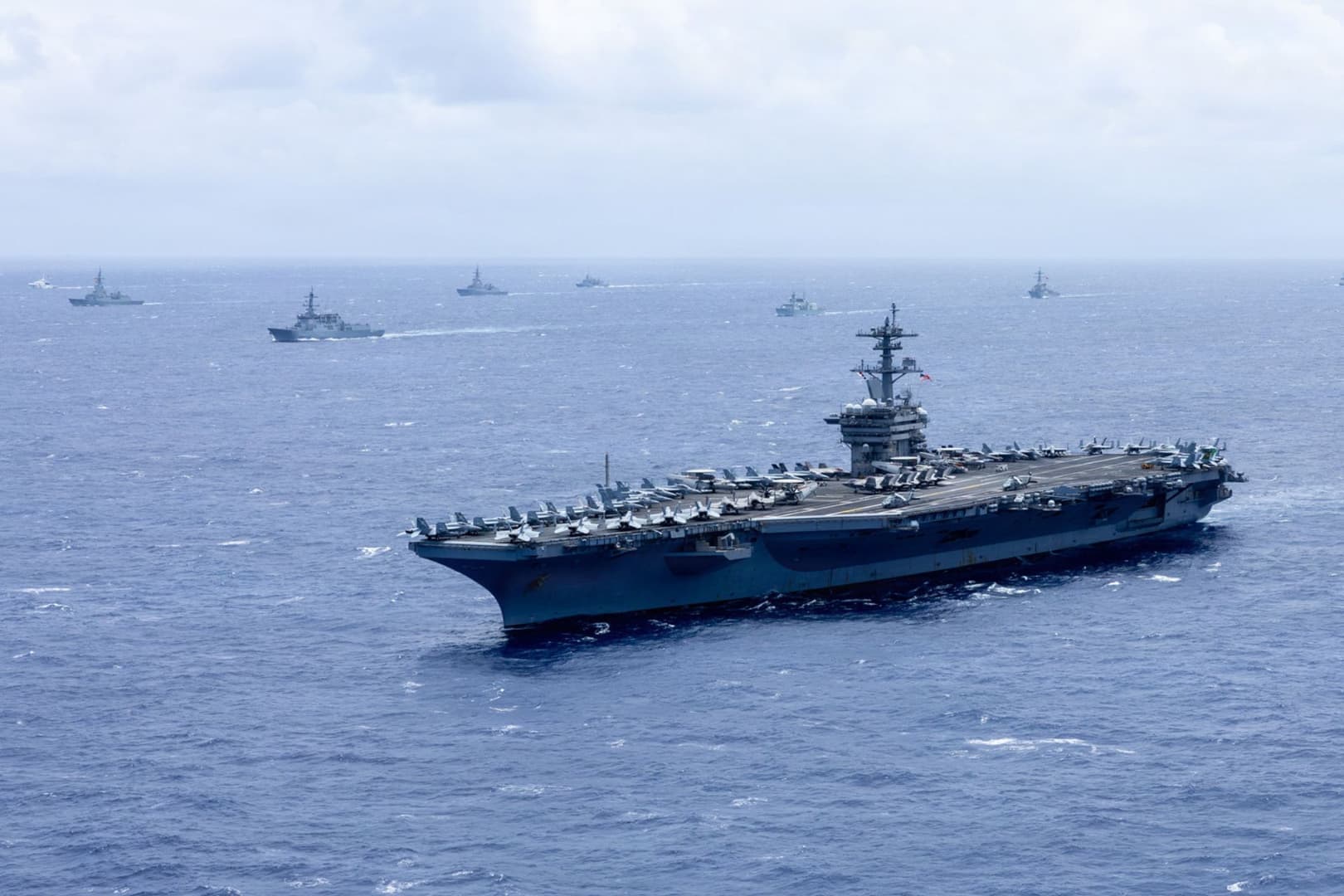
Unmanned systems can support navies across many of these missions. They can reduce personnel risks during prolonged reconnaissance, submarine detection, mine countermeasures, port surveillance, and initial operations in dangerous areas. By collecting data in locations that are difficult for crewed platforms to access, they can also accelerate commanders’ decision-making processes.
Nevertheless, monitoring an area with an unmanned surface vessel is not the same as maintaining a permanent military presence there. A warship can defend itself when necessary, command other assets, coordinate air and naval platforms, and serve as a visible instrument of state presence capable of conveying diplomatic messages.
This is one reason navies remain important amid strategic competition in the Indo-Pacific. Tensions in the South China Sea and around Taiwan demonstrate that a state’s ability to maintain a sustained presence in a region carries strategic value alongside the security of maritime routes. Naval forces are also instruments of deterrence and crisis management before a war begins.
Unmanned systems can make this presence more effective, flexible, and, in some circumstances, less expensive. However, they cannot independently replace the comprehensive capabilities states need to support their maritime sovereignty claims, protect allies, and conduct prolonged operations.
Integrated force structures will determine superiority in the new era
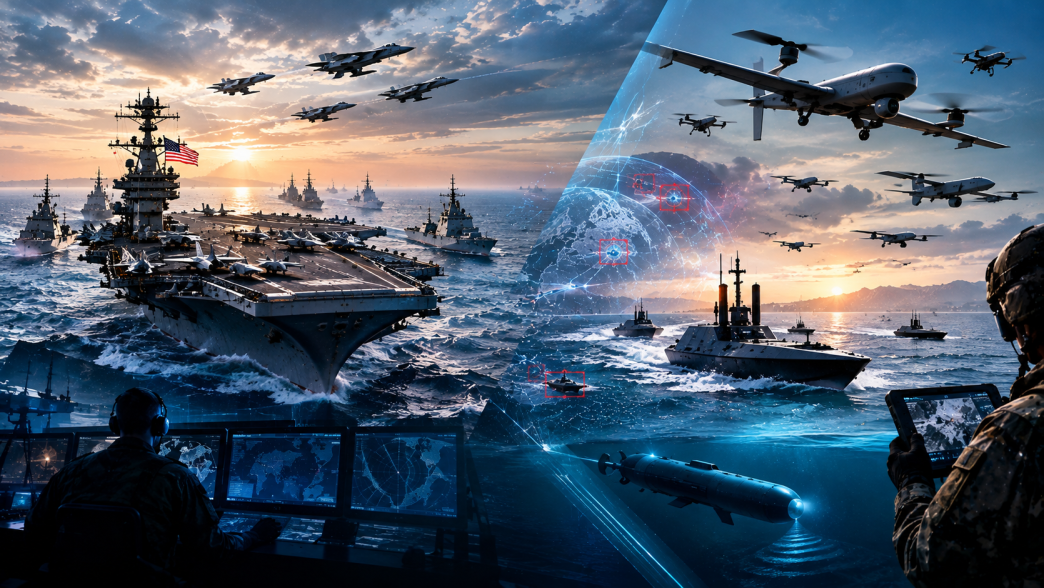
The transformation of naval warfare cannot be explained simply by the introduction of new weapons into military inventories. The real change lies in sensors, satellite systems, AI-assisted analysis, electronic warfare, unmanned vehicles, and crewed platforms increasingly operating within the same operational network.
Advances in persistent surveillance are making it more difficult for warships to conceal their positions. As the time between detecting a platform, analyzing the data, identifying a target, and carrying out an attack continues to shrink, naval forces are being forced to make decisions more rapidly. In this environment, possessing powerful weapons alone is no longer sufficient. Forces must also be able to detect threats early, identify targets accurately, withstand electronic interference, and establish rapid connections with other assets when necessary.
Future navies must therefore treat unmanned systems not as auxiliary tools added to existing structures but as fundamental components of force design. Crewed warships can undertake command, air defense, and sustained operational missions, while unmanned vehicles contribute to reconnaissance, surveillance, deception, electronic warfare, and, when required, strike operations.
Ammunition stocks, maintenance and repair capacity, spare-parts supply chains, and shipyard production capabilities will also be decisive. In a prolonged conflict, possessing the most advanced platform is only part of the equation. Returning a damaged ship to service and replenishing expended ammunition are equally important. Tensions in areas such as the Red Sea and the Persian Gulf clearly illustrate the burden imposed by having to sustain expensive defensive operations against relatively inexpensive threats.
Superiority in future naval warfare will therefore depend not only on technological innovation but also on the industrial infrastructure and logistical resilience required to sustain these technologies over time.
Conclusion: UAVs are transforming navies, not making them obsolete
The proliferation of unmanned aerial and maritime vehicles is undermining the traditional assumption that large warships are virtually invulnerable. Smaller actors with lower-cost capabilities can now force advanced navies to expend substantial resources, threaten maritime transportation, and prevent the establishment of operational superiority in specific areas.
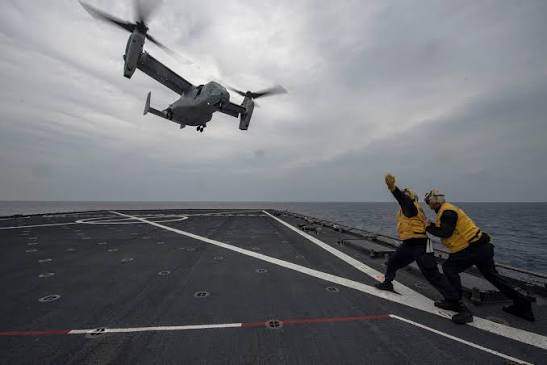
However, this transformation does not eliminate the fundamental functions of sea power. Securing trade routes, protecting strategic chokepoints, reassuring allies, and conducting prolonged military operations still require comprehensive naval forces.
The navies that succeed in the coming period will not necessarily be those that build the largest ships or purchase the greatest number of unmanned vehicles. The decisive advantage will belong to states capable of integrating crewed and uncrewed systems, continuing operations under attack, replacing losses, and adapting to changing threats faster than their adversaries.
In the age of UAVs, the importance of navies is not diminishing; rather, it is being redefined. Maritime superiority is no longer measured solely by the ability to strike enemy ships. It also depends on protecting one’s own maritime transportation, keeping forces operational throughout a conflict, and establishing lasting control at sea when necessary. Unmanned systems are changing the rules of this competition, but they are not eliminating the strategic value of sea power.