

NATO is entering one of the most critical stages of transformation it has undergone since the end of the Cold War. The Alliance’s security transformation since 1949 can broadly be understood as NATO 1.0, NATO 2.0, and NATO 3.0, which is now taking shape.

While the first period focused on collective defense against the Soviet Union and the second period focused on terrorism, crisis management, and global security challenges, the defining characteristics of the new period will once again be great-power competition, the Russian threat, hybrid warfare, unmanned systems, cyberattacks, and the transformation of the defense industry into a factor that directly affects the outcome of war.
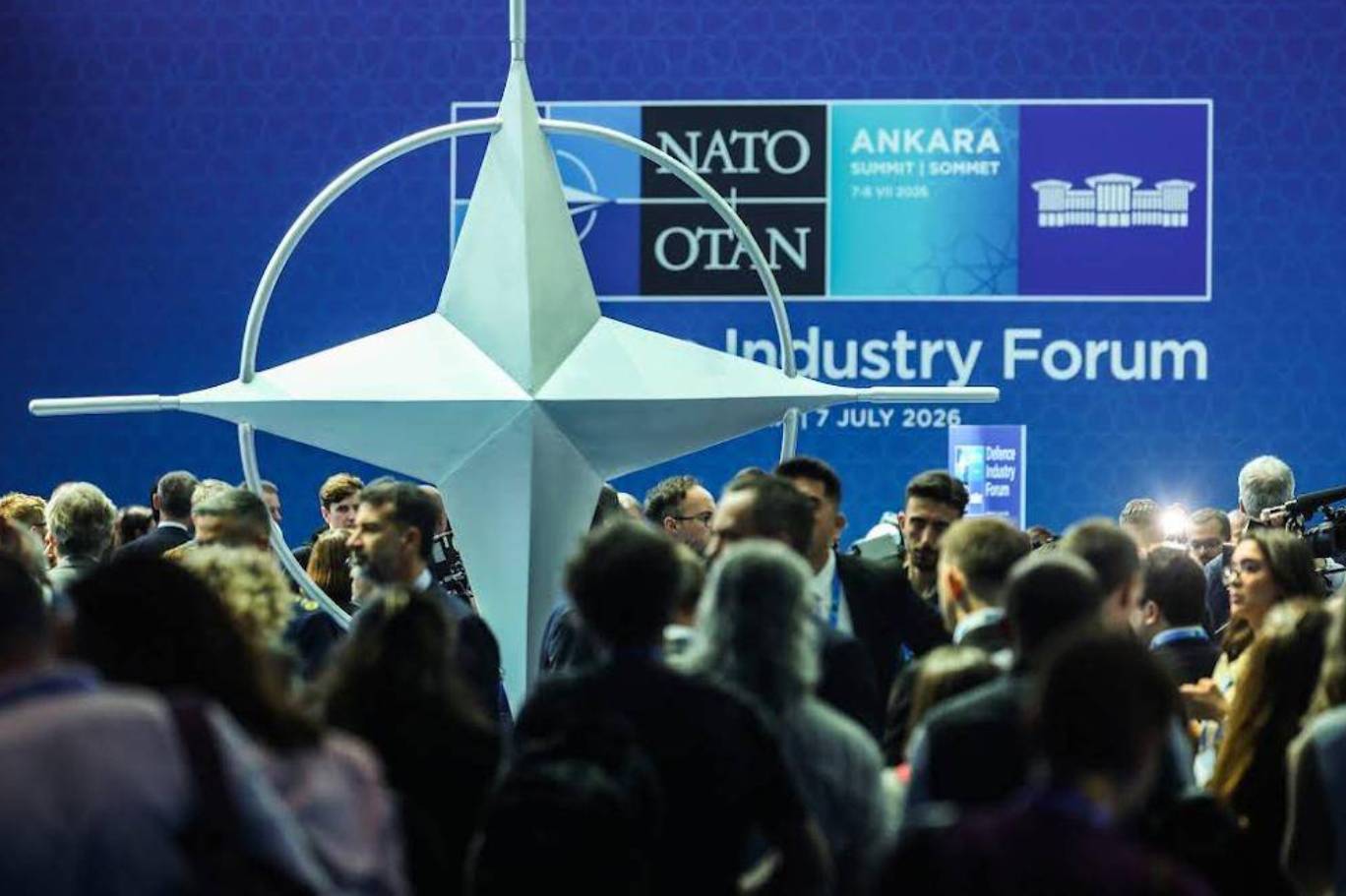
The 2026 Ankara Summit demonstrated that the concept of NATO 3.0 is no longer merely a political narrative. The Allies have agreed to the goal of allocating 5 percent of GDP to defense and security investments by 2035. According to NATO, European countries and Canada have significantly increased their defense spending in real terms since 2025, while more than 50 billion euros in new defense procurement agreements were announced at the Ankara Summit. These include long-range precision strike, integrated air and missile defense, unmanned systems, and intelligence capabilities.
However, there is a critical distinction here: Will NATO 3.0 be a NATO that spends more money, or a NATO that makes decisions faster, produces more, and can genuinely transfer warfighting capabilities to the battlefield?
Europe’s future security will largely be determined by the answer it gives to this question.
Europe can no longer just buy weapons
The first issue facing European countries should not be increasing defense budgets, but transforming the increased budgets into real military capabilities.
The Russia-Ukraine war has demonstrated that ammunition stocks, air defense, unmanned systems, electronic warfare capabilities, satellite links, and logistical infrastructure are as decisive in modern warfare as high technology. Therefore, it is not possible for Europe to close its defense gap simply by purchasing next-generation fighter aircraft or a few major weapons systems.
Europe must first transform ammunition production into a long-term industrial capability. Production capacity for 155mm artillery ammunition, air defense missiles, cruise missiles, anti-tank systems, and unmanned aerial vehicles should be increased. At the same time, flexible and distributed production infrastructures should be established so that ammunition consumed rapidly during wartime can be reproduced.
The fact that NATO raised projects at the Ankara Summit aimed at increasing 155mm ammunition production, expanding loitering munition capabilities, and developing long-range strike capabilities demonstrates that the Alliance also recognizes this need.
However, for Europe, the issue is not only the volume of production. What also matters is how quickly production can be increased.
If ammunition produced in quantities of a few thousand units during peacetime cannot be scaled up to hundreds of thousands during wartime, that country’s defense industry is not a strategic capability but a limited procurement mechanism.
NATO’s eastern flank needs more capabilities, not more troops
Russia’s war against Ukraine has permanently changed the security architecture of NATO’s eastern flank. NATO currently deploys nine multinational forward land forces across the eastern flank, stretching from Bulgaria to Finland. The Alliance is also strengthening air and missile defense, maritime assets, cyber defense, and the protection of critical infrastructure.
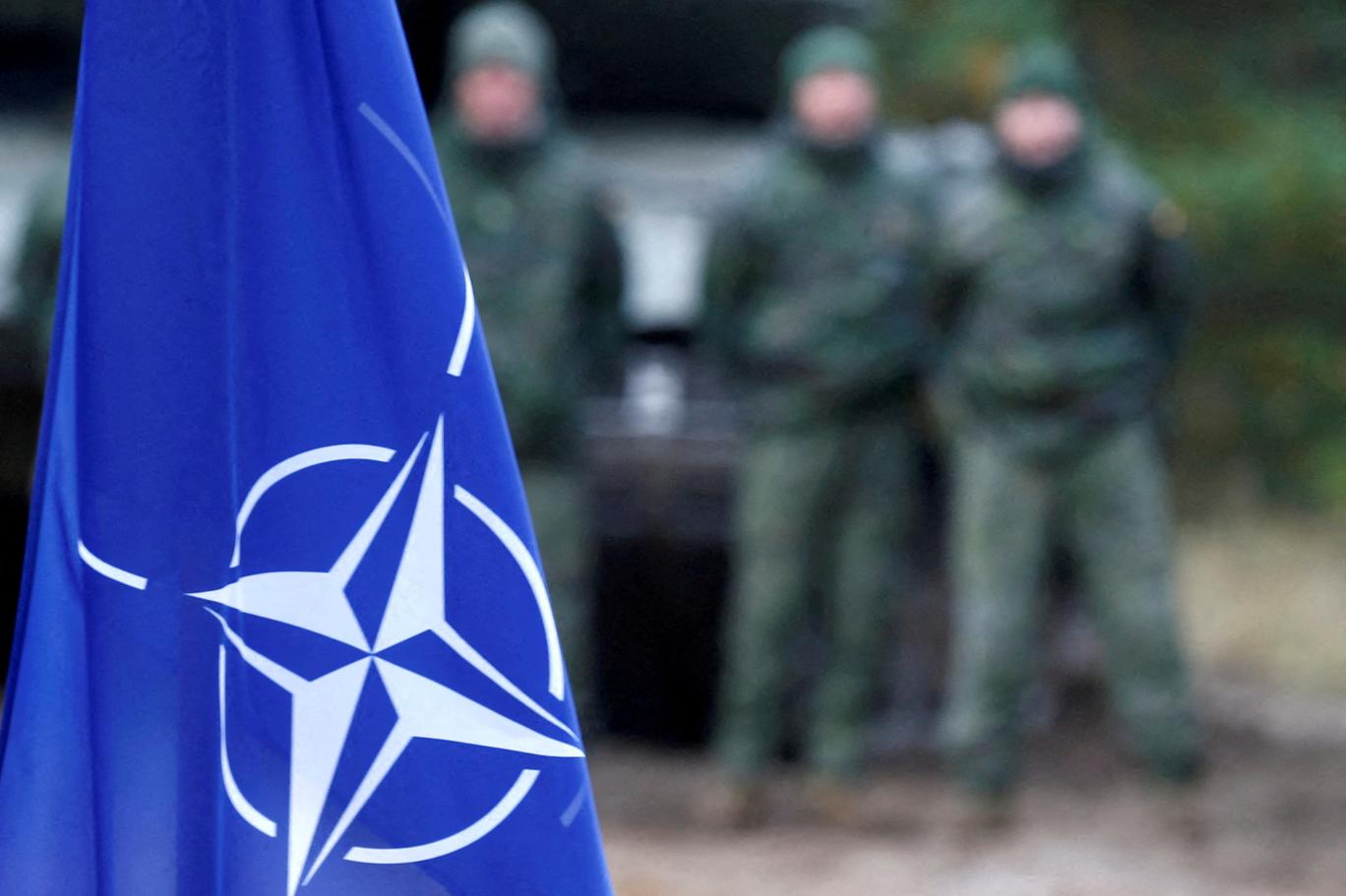
However, future Russia-NATO competition may not develop solely in the form of a conventional frontline war in which tanks confront one another.
Threats to critical infrastructure in the Baltic Sea, airspace violations, sabotage, cyberattacks, GPS jamming, disinformation, and unmanned aerial vehicles demonstrate that the line between war and peace is becoming increasingly blurred. NATO’s Baltic Sentry and Eastern Sentry initiatives, launched in 2025, also demonstrate that the response to this new threat has become multidomain.
Therefore, NATO 3.0’s eastern flank must be protected not only with more troops, but with more sensors, more air defense, more electronic warfare, more unmanned systems, stronger intelligence, and faster decision-making mechanisms.
At this point, one of Europe’s biggest shortcomings is also the insufficient integration of systems possessed by different countries within a single operational architecture.
The warfare of the future may favor not the country that possesses the best fighter aircraft on its own, but the side capable of operating fighter aircraft, satellites, radars, air defenses, electronic warfare systems, and unmanned vehicles within the same network.
The defense approach against the Russian threat must change
NATO’s deterrence against Russia should not be aimed solely at stopping a possible conventional Russian attack.
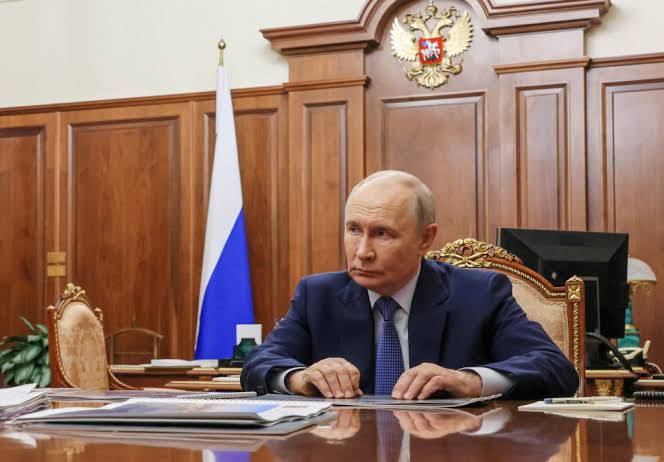
The Alliance must also place the gray zone before the outbreak of war at the center of its defense planning.
Sabotage against critical energy infrastructure, threats to undersea cables, cyberattacks, attempts to interfere with election infrastructure, attacks against satellite systems, GPS jamming, and violations carried out with unmanned aerial vehicles should no longer be viewed as separate security problems. All of them should be considered different instruments of the same strategic competition.
For this reason, intelligence sharing and early-warning systems are becoming at least as important as fighter aircraft within Europe’s defense architecture.
NATO’s strongest message to Russia will not simply be that “we will respond if we are attacked,” but that an attack will be detected before it begins and will be countered across different domains.
Europe’s defense cannot be completed without Türkiye
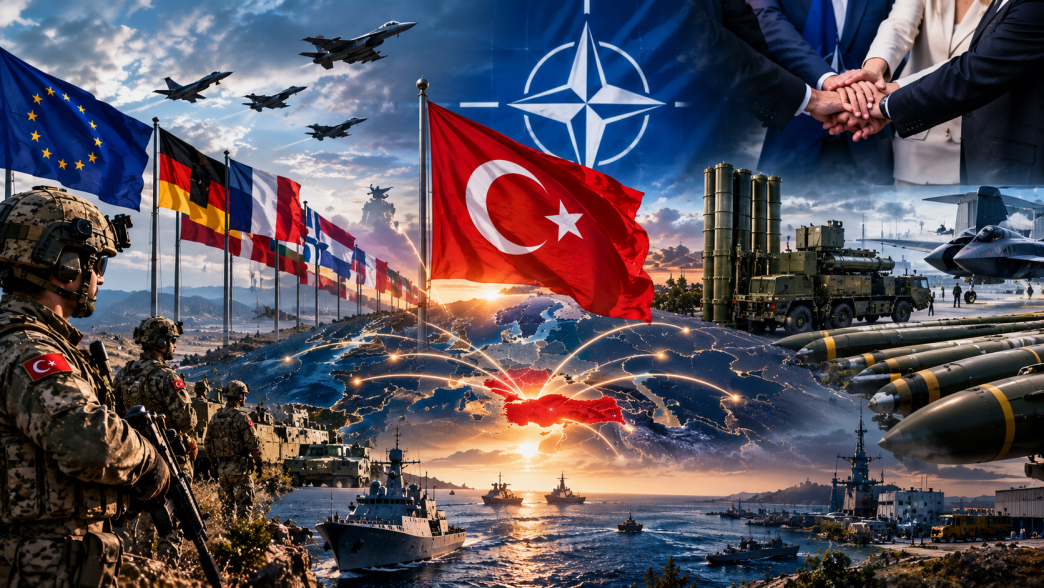
It is precisely at this point that Türkiye’s position gains particular importance in Europe’s defense equation.
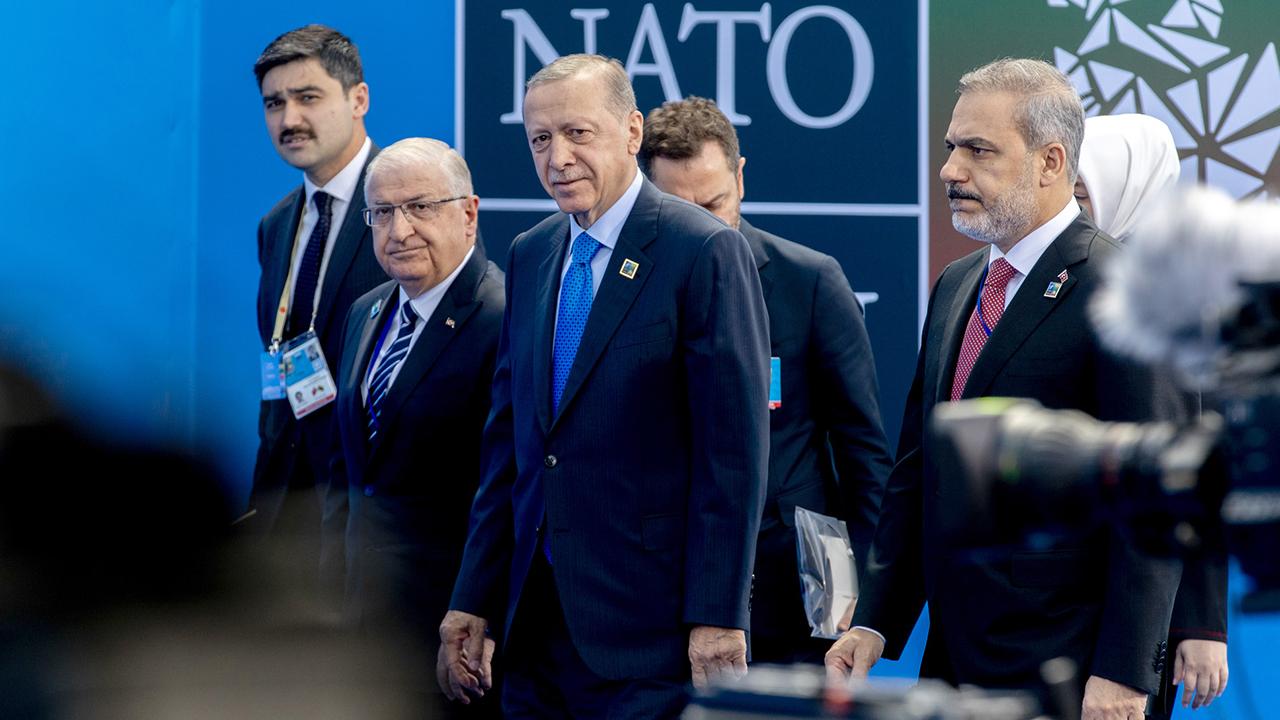
Türkiye is important on NATO’s southeastern flank not only because of its geographical position. Located at the intersection of the Black Sea, the Balkans, the Caucasus, the Eastern Mediterranean, and the Middle East, Türkiye is a strategic country connecting multiple security lines simultaneously.
NATO’s own assessments also demonstrate that Türkiye’s role extends beyond geography. During his visit to the ASELSAN Technology Base in Ankara in April 2026, NATO Secretary General Mark Rutte particularly emphasized Türkiye’s transformation in the defense industry and underlined the need for Allies to produce together, develop innovation, and procure from one another.
This creates an important opportunity for Europe.
Türkiye’s capabilities, particularly in unmanned aerial systems, electronic warfare, missiles and precision munitions, air defense, radar, land vehicles, naval platforms, and various sensor technologies, directly overlap with some of the areas Europe needs.
Türkiye’s announcement at the Ankara Summit that it would increase investments in air defense production, as well as its participation in NATO’s new air and missile defense initiatives, also demonstrates that this cooperation is not limited to the political level.
Therefore, if Europe evaluates its relationship with Türkiye solely through the lens of “political differences within NATO,” it may overlook the emerging opportunity in the defense industry.
Europe-Türkiye cooperation must evolve into joint production
The future of defense cooperation between Türkiye and Europe should be built more on joint production and joint technology development than on the purchase of ready-made products.
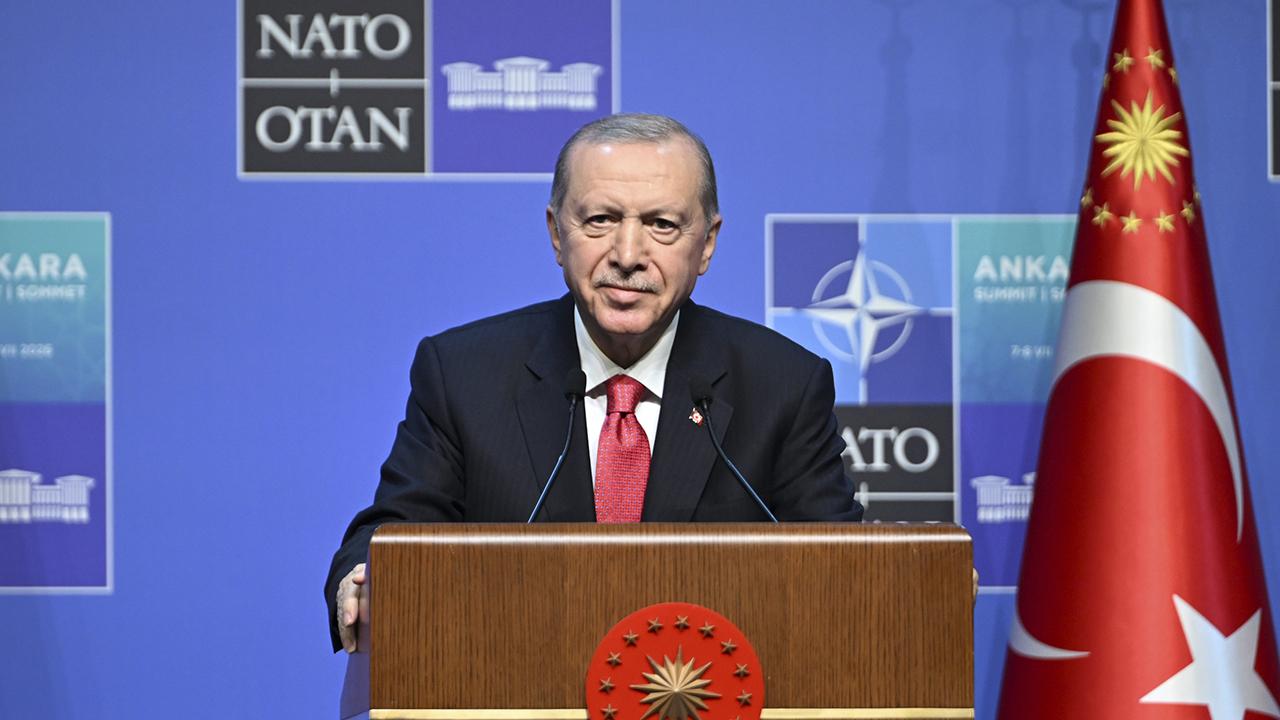
For example, considering Europe’s air defense gap, different technologies ranging from sensors to missiles, and from command-and-control systems to electronic warfare elements, need to operate within the same architecture.
Joint projects could be developed in which systems developed by Türkiye complement the radar, missile, fighter aircraft, satellite, and command-and-control technologies possessed by Europe.
A similar approach applies to unmanned systems.
The war in Ukraine has demonstrated the threat that low-cost unmanned vehicles can pose against high-cost platforms. Rather than Europe merely purchasing systems from the United States or pursuing dozens of separate projects internally, connecting the defense industry ecosystems of NATO Allies, including Türkiye, could produce more meaningful results in terms of scale and speed.
The aim here should not be to “replace” Türkiye with Europe’s defense, but rather to integrate Türkiye’s existing capabilities into Europe’s defense production chain.
The Black Sea could become NATO’s new strategic center
Another factor increasing Türkiye’s importance for Europe is the Black Sea.
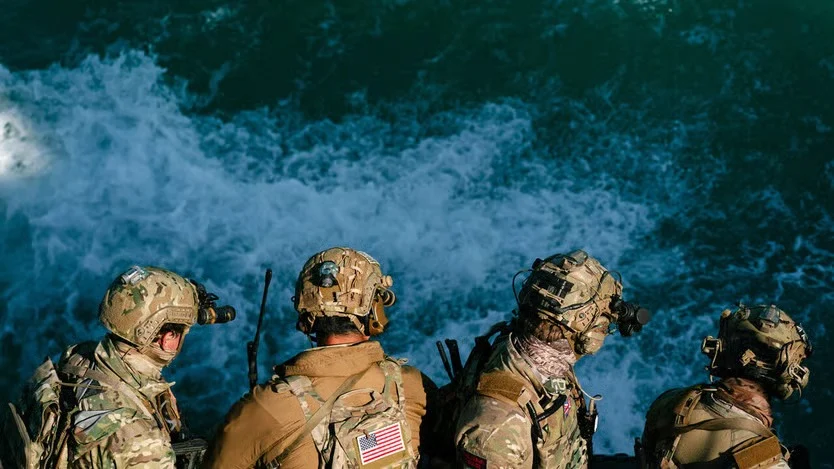
The Russia-Ukraine war has demonstrated that the Black Sea is not merely a regional maritime area, but a strategic space in terms of Europe’s energy security, trade routes, maritime transportation, and the defense of its eastern flank.
Türkiye’s position under the Montreux Convention, its status as one of the NATO members bordering the Black Sea, its strong naval forces, and its military experience in the region constitute an important strategic capability for Europe.
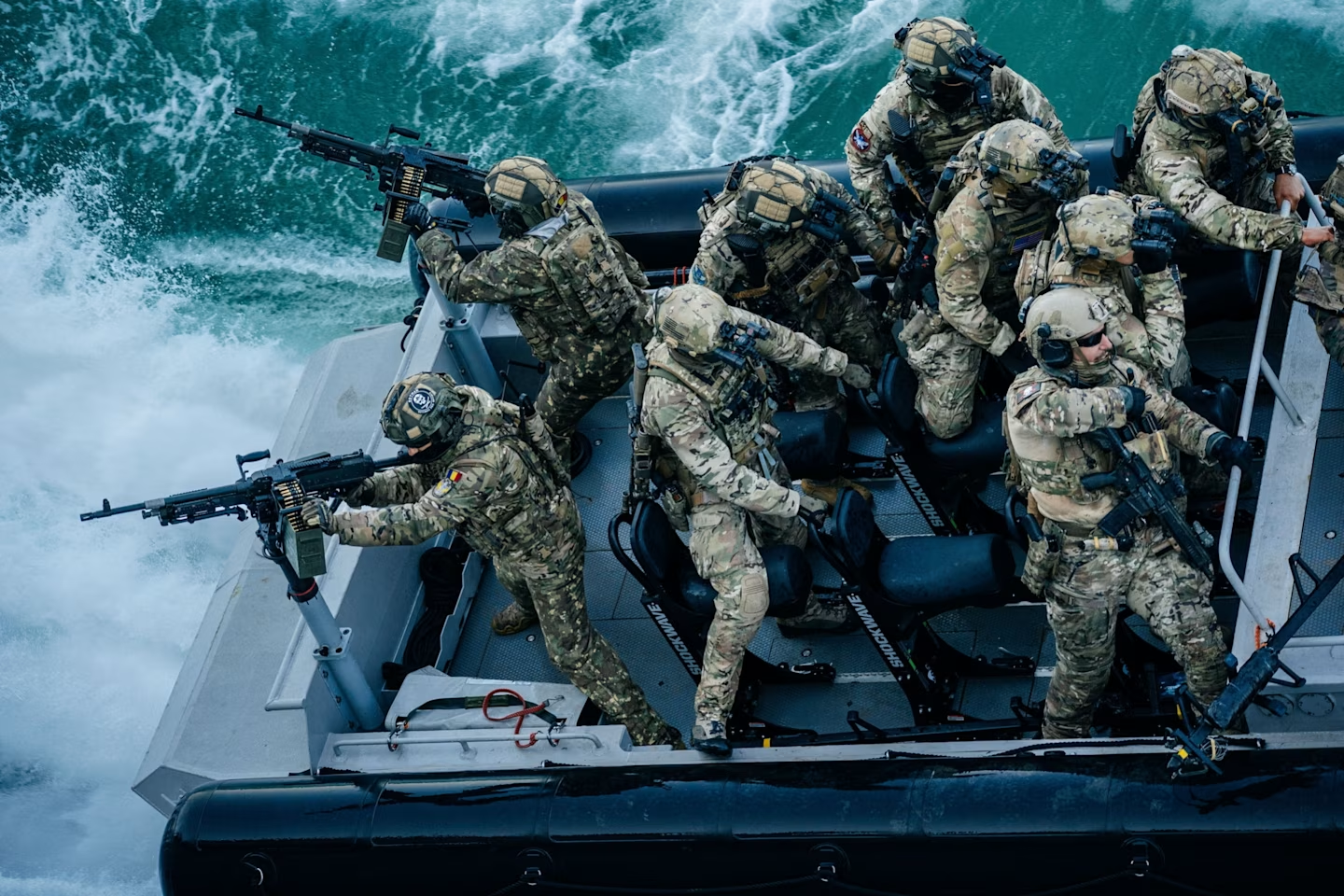
For this reason, coordination among Türkiye, Romania, and Bulgaria within NATO’s Black Sea strategy should be further strengthened. Submarine detection capabilities, unmanned surface vessels, maritime patrol aircraft, mine countermeasures, critical infrastructure surveillance systems, and intelligence sharing should be addressed within a common architecture.
The security of the Black Sea is not only the security of Ukraine. The security of the Black Sea is also the security of the Balkans, Eastern Europe, and therefore Europe.
Not defense spending, but a defense production mobilization
One of the most important criteria determining whether NATO 3.0 will succeed is how Europe structures its defense industry.
The 5 percent target could significantly increase Europe’s defense capacity if used correctly. However, more funding does not automatically mean greater security. If this money is spent on disconnected national projects, lengthy procurement processes, and incompatible systems, Europe’s fundamental problem will remain. NATO also emphasized following the 2026 Ankara Summit that production capacity must be increased, innovation accelerated, and barriers between the defense industry and the Alliance reduced.
Therefore, three objectives should stand out in Europe’s new defense model:
More production, faster procurement, and greater interoperability.
A fourth objective should be added to these: joint production with strategic partners.
Türkiye is one of the most important NATO partners that Europe needs to consider here.
The success of NATO 3.0 depends on political will
For Europe, NATO 3.0 does not simply mean a new period of military preparation against the Russian threat. It also means rebalancing the security architecture that Europe has largely built over decades by relying on U.S. military capabilities.
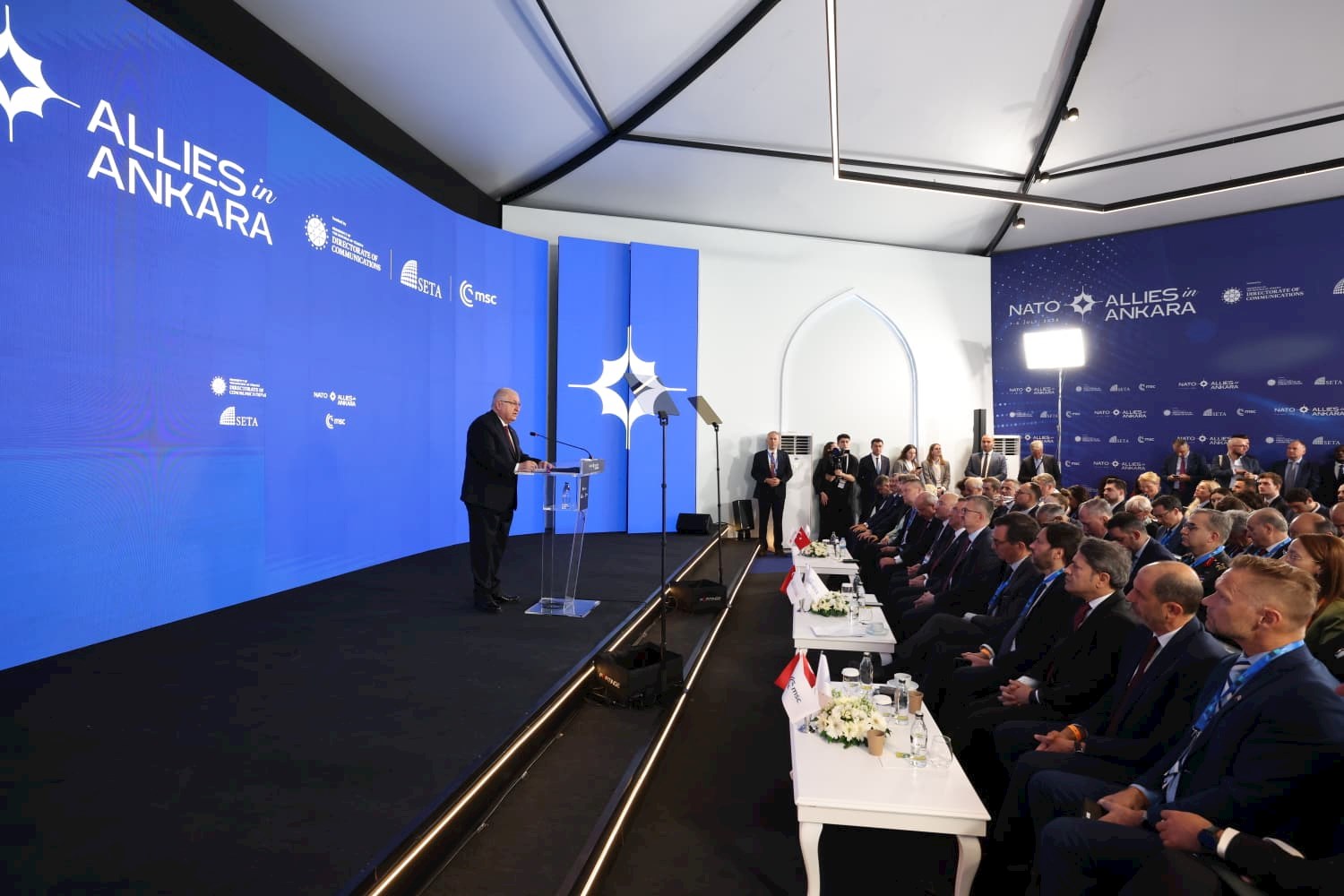
This does not mean the end of the United States’ role in NATO. On the contrary, a stronger European defense could make the transatlantic alliance more balanced rather than weaker. However, for this to happen, Europe must become capable of genuinely producing, sustaining, and rapidly employing its own military capabilities when necessary.
The new NATO approach emerging from the 2026 Ankara Summit also carries the signs of this transformation. Greater defense responsibility for Europe and Canada, increasing NATO’s production capacity, and investing in next-generation capabilities constitute the building blocks of the Alliance’s future structure.
However, an important axis of this new architecture cannot be completed without Türkiye.
Türkiye’s geographical position connects Europe’s eastern and southern security lines; its position in the Black Sea directly affects NATO’s deterrence against Russia; and its rise in the defense industry creates new opportunities for cooperation in areas such as unmanned systems, electronic warfare, ammunition, missiles, and air defense that Europe needs.
Therefore, the real success of NATO 3.0 will depend not merely on Europe spending more money, but on its ability to bring together all of its strategic capabilities within the same defense architecture.
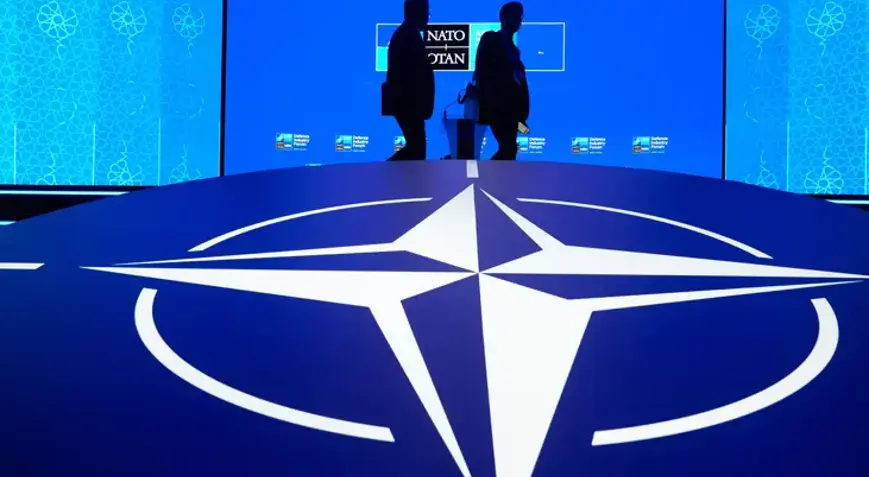
And in this architecture, Türkiye’s place should not be peripheral, but central.
If Europe wants to defend itself against the Russian threat, rebuild NATO’s deterrence, and maintain the transatlantic bond while reducing its military dependence on the United States, it must establish a deeper, more institutionalized, and more concrete defense partnership with Türkiye. The success of NATO 3.0’s European pillar will largely be determined by how far this strategic cooperation is taken.