

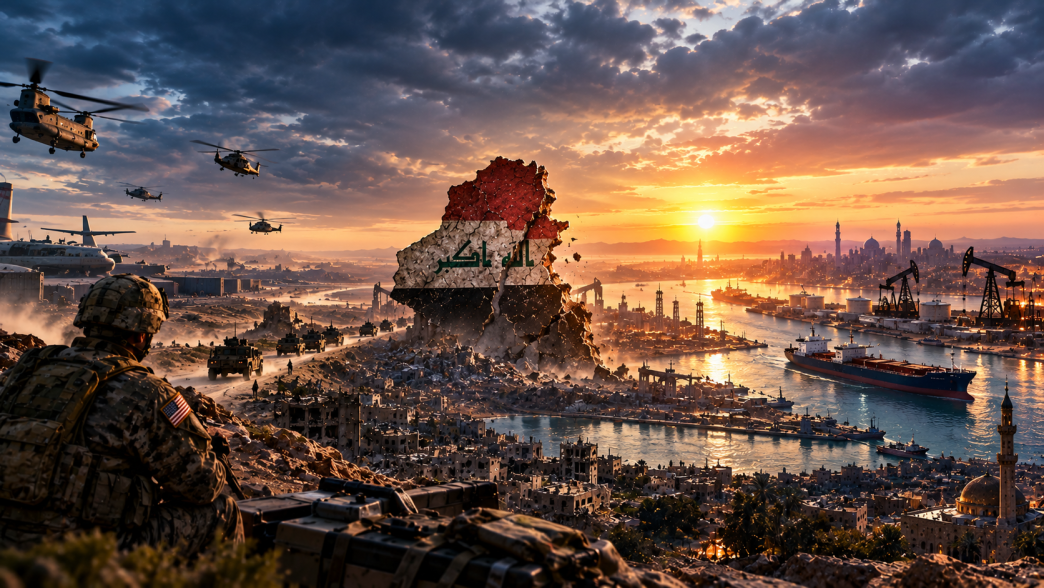
The end of the U.S.-led coalition forces’ military presence in Iraq is not merely a military withdrawal, but also an important turning point in terms of the reshaping of the balance of power in the Middle East. With the withdrawal of the last U.S. forces from Iraq as of September 30, 2026, Washington’s military presence, which began in 2003 and continued in different forms for more than 23 years, will come to an end.
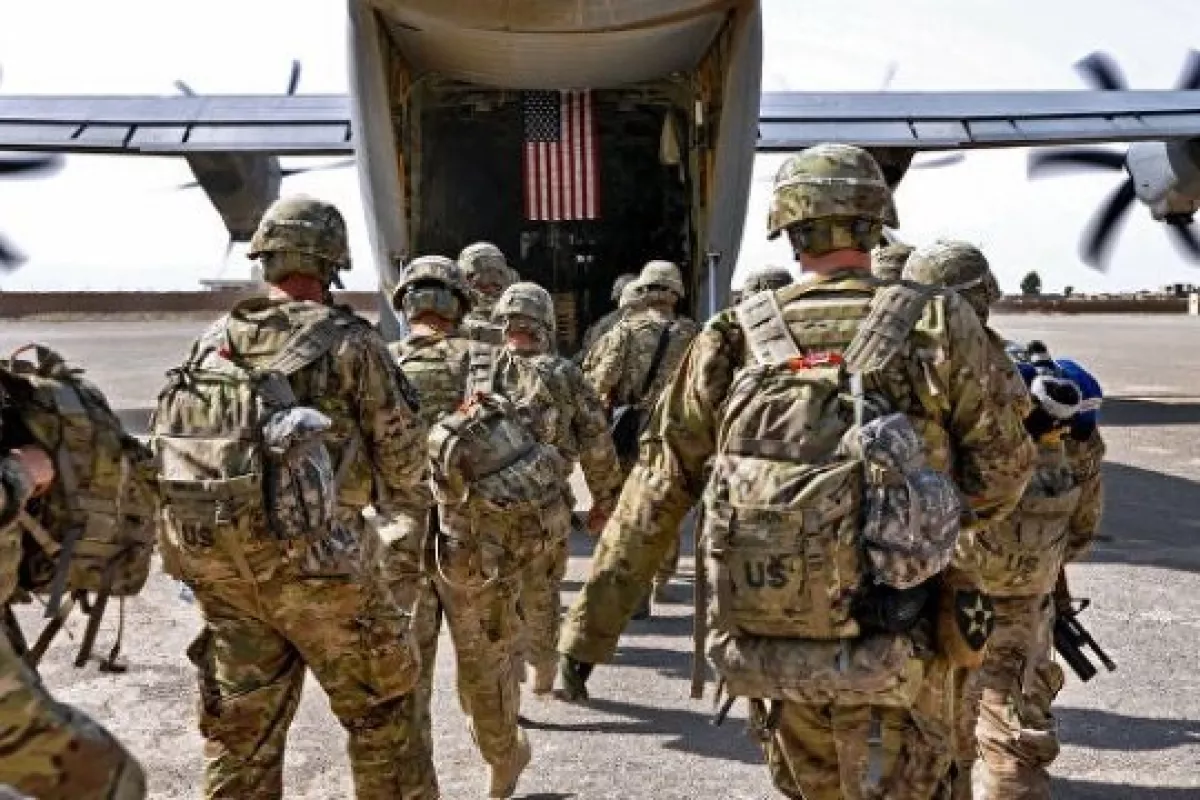
However, it would be incomplete to interpret this development simply as “the U.S. has left Iraq.” Washington’s presence in Iraq went through very different periods, ranging from the invasion to the fight against ISIS, from developing Baghdad’s security capacity to limiting Iran’s regional influence. Iraq must now establish a new balance without the American military presence that was an important part of the country’s security architecture for many years.
The legacy of the American presence
The most controversial aspect of the U.S. military presence in Iraq was the period that began with the 2003 invasion. While the overthrow of Saddam Hussein’s regime fundamentally changed Iraq’s political system, the weakening of state institutions, sectarian political competition, and the growing power of armed groups became the basis of the security problems that followed.
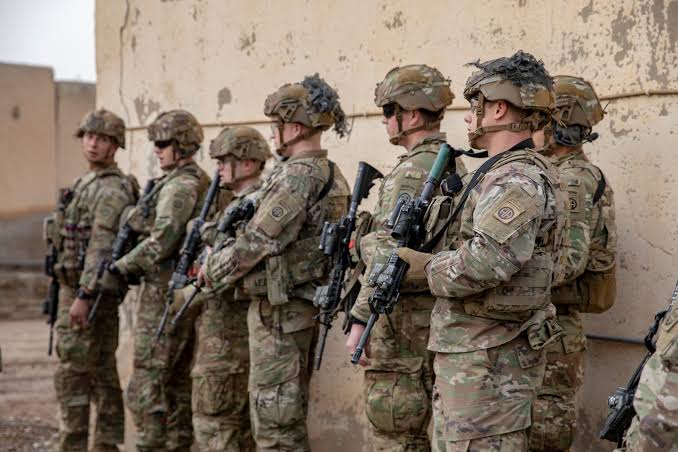
When Washington withdrew its combat forces in 2011, a new security balance had begun to emerge in Iraq. However, ISIS’s capture of Mosul in 2014 and its control over a significant portion of Iraqi territory led to the return of the American military presence. This time, the main justification was not invasion, but the fight against ISIS at the request of the Iraqi government. As a result of operations conducted by the U.S.-led coalition and Iraqi security forces, ISIS’s territorial control was largely brought to an end.
Therefore, the legacy of the American military presence in Iraq is two-sided. On one side, there was the instability that emerged after 2003 and the weakening of state capacity, while on the other, there was the military support provided in rebuilding the Iraqi army following the rise of ISIS and ending the terrorist organization’s territorial control.
Today, the Iraqi government argues that its security forces are capable of maintaining control across the country and that there is no longer any need for the coalition to conduct operations on Iraqi territory. The Iraqi Air Force Command has also stated that coalition forces have not conducted any operations on Iraqi territory since the beginning of 2026 and that Iraqi forces have been operating independently.
The real change lies in the Iran equation
One of the most important strategic consequences of the withdrawal will emerge in Iraq-Iran relations. The American military presence was for many years one of the factors limiting Iran’s influence over Iraq. For Baghdad, Washington’s military presence was not only a security instrument against ISIS, but also served as a balancing factor limiting the room for maneuver of Iran-backed armed groups.
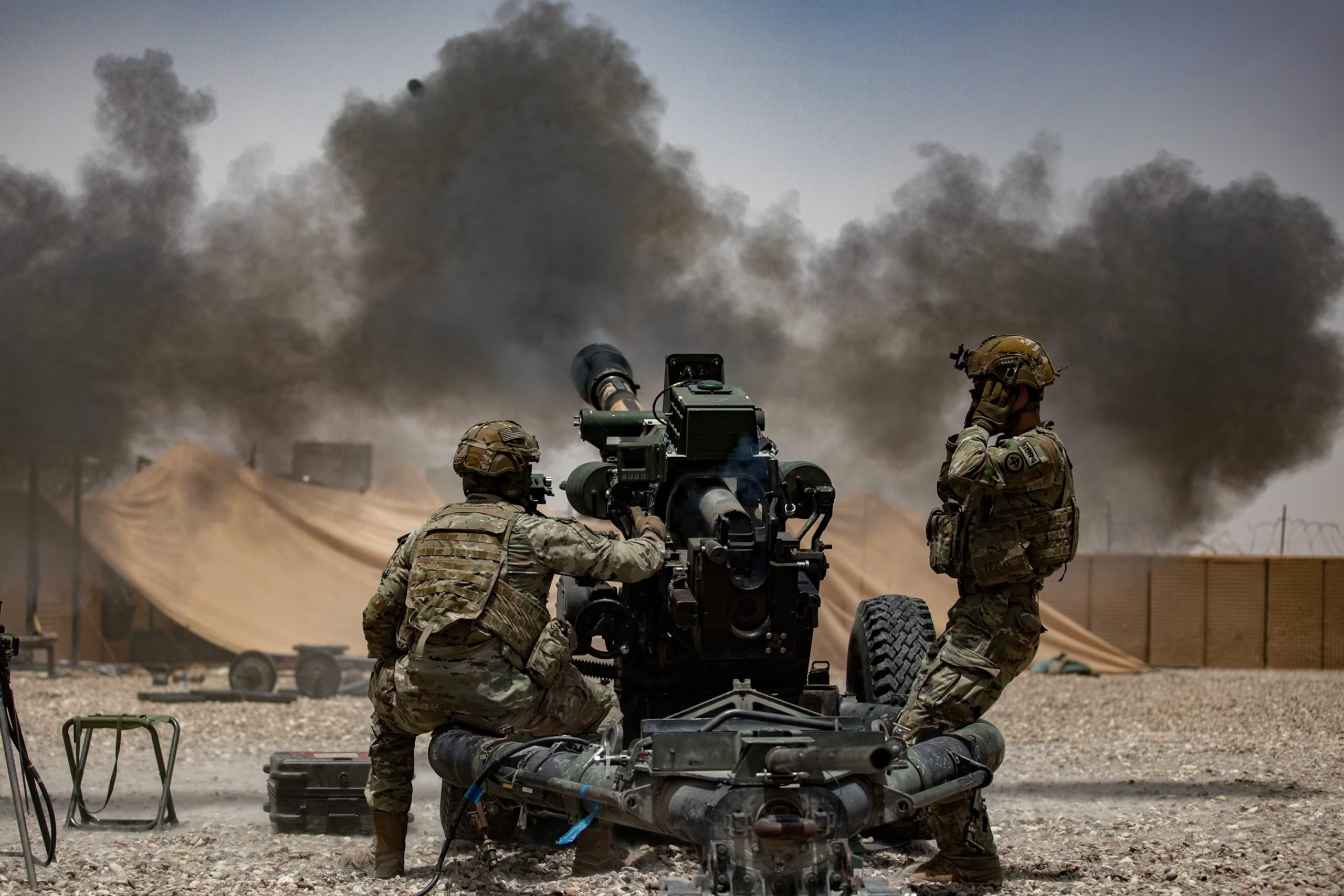
For this reason, it would not be accurate to say that the power vacuum in Iraq will automatically be filled by Iran following the complete withdrawal of American troops. However, it is clear that one of the military balancing factors standing in the way of Iran’s political, economic, and security influence over Iraq will disappear.
Indeed, Iran and Iraqi armed groups close to Tehran view the American withdrawal as a strategic gain in their own struggle. Assessments reported by Reuters indicate that pro-Iranian groups in Iraq could use the withdrawal to increase their influence over security and political decision-making processes.
This also creates an important consequence for Turkey. If Iraq develops greater strategic autonomy in its relations with Iran and Baghdad is able to act independently not only of Tehran but also of Washington’s security agenda, the importance of the security and economic relations that Turkey develops with Iraq will increase.
Has the ISIS threat ended?
One of the most important security questions surrounding the coalition’s withdrawal is whether ISIS could regain strength.
It is clear that ISIS today does not possess the capacity it had during the 2014-2017 period. The era in which the organization controlled large areas of territory, fought regular forces, and governed cities is over. However, sleeper cells belonging to the organization still exist and retain the potential to carry out attacks, particularly in areas of Iraq where security capacity is weak.
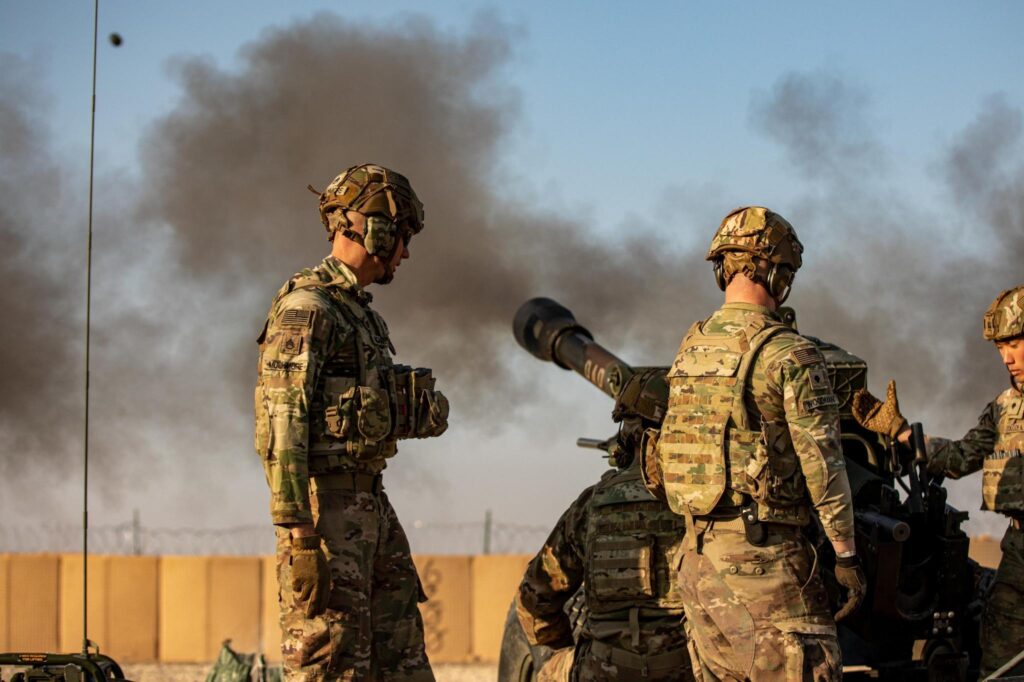
The fundamental issue that the American withdrawal could create is therefore not whether the Iraqi army can defeat ISIS on its own, but how the capacity gap that could emerge in areas such as intelligence, aerial reconnaissance, precision strikes, logistics, and technical support will be filled.
Concerns are even more pronounced for the Kurdistan Regional Government. Some actors in the region believe that the end of the American military presence could create new gaps, particularly in air defense and intelligence. KRG Prime Minister Masrour Barzani also warned that the withdrawal could increase the region’s security vulnerabilities.
Therefore, the issue is not merely the number of troops. In modern counterterrorism operations, the truly critical capability is the ability to identify a target in advance, analyze intelligence, and, when necessary, conduct a precise intervention within a short period of time.
The new era cannot begin without resolving the militia issue
One of the most difficult issues facing Iraq will be the position of non-state armed groups.
Although many structures operating under the umbrella of the Popular Mobilization Forces are legally part of Iraq’s security system, some pro-Iranian groups continue to maintain independent military and political capabilities. With the U.S. withdrawal, the issue of these groups laying down their weapons or fully entering the state chain of command will become even more important.
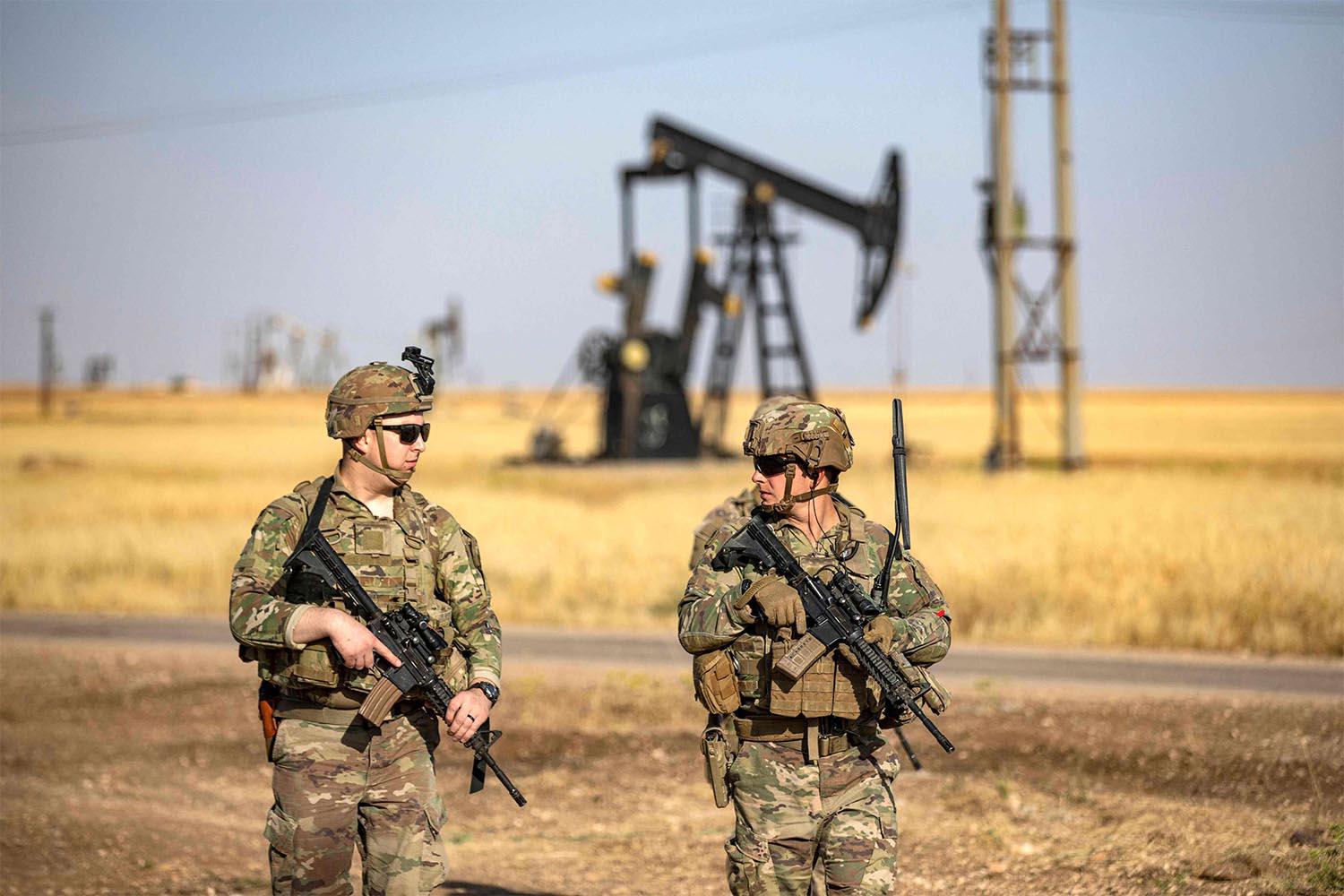
However, the current situation indicates that the withdrawal does not automatically mean that the influence of militias will decline. Some powerful groups have openly demonstrated that they are not receptive to disarmament. Baghdad, meanwhile, is seeking to bring these groups under tighter control within the central chain of command.
Therefore, Iraq’s real strategic test will not be whether another foreign power replaces American troops, but to what extent the state can centralize the capacity to use armed force within its own institutions.
If Baghdad succeeds in doing so, the American withdrawal could become a development that strengthens Iraq’s sovereign capacity. If it fails, the result could be a fragmented security order in which there are no foreign troops but non-state armed actors gain greater weight.
Is Washington completely withdrawing?
An important distinction needs to be made here. The end of the U.S. military presence in Iraq does not mean the end of all relations between Washington and Iraq.
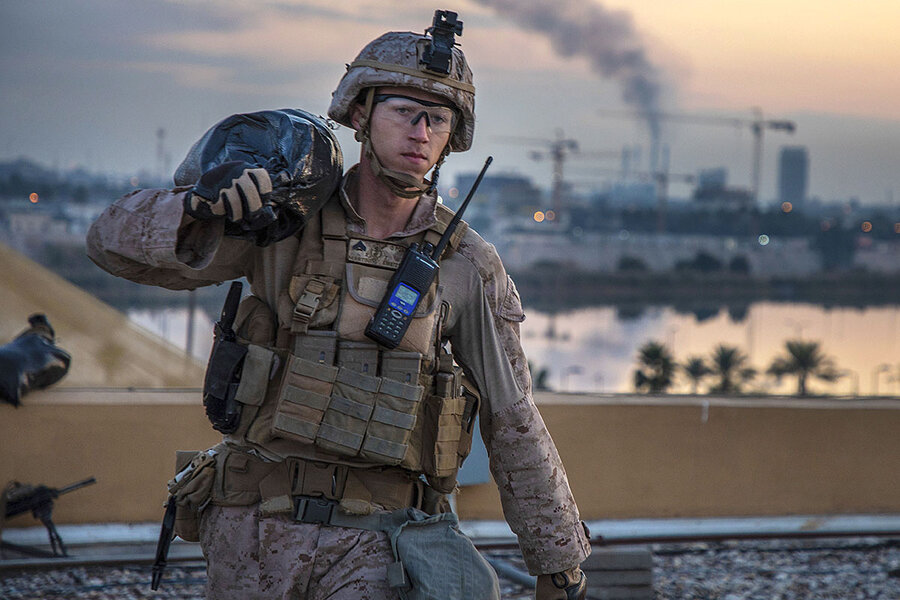
Indeed, the 2024 U.S.-Iraq agreement envisaged a transition to a bilateral security partnership following the end of the coalition’s military mission. In addition, NATO Mission Iraq is not a direct combat operation; rather, it has been structured as a mission focused on training Iraq’s security institutions, developing their capabilities, and strengthening their institutional structures. Due to security conditions in the region, NATO personnel were relocated from Iraq to Allied Joint Force Command in Italy in 2026, and the mission’s activities are being continued from there.
Therefore, rather than interpreting the emerging picture as “America has abandoned Iraq,” it would be more accurate to view it as a transition from an American military presence to an American strategic partnership.
The new equation from Turkey’s perspective
The effects of the American withdrawal from Iraq will be multifaceted from Turkey’s perspective.
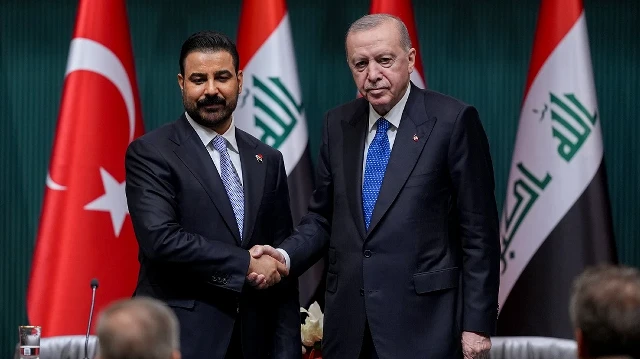
First, strengthening Baghdad’s security capacity could be a positive development for Turkey. Iraq’s ability to exercise more effective control over its own borders, airspace, and territory is important for regional stability.
Second, the possibility of increased Iranian influence in Iraq could make Ankara’s direct security and economic relations with Baghdad even more important. The relations Turkey has developed with Iraq in the fields of energy, trade, transportation, and defense are reaching a point where they can no longer be considered independently of the security dimension.
Third, and perhaps most importantly, is the security equation in northern Iraq. If any security vacuum that could emerge following the U.S. withdrawal expands the room for maneuver of armed organizations, particularly the PKK, this could create a new security risk for Turkey. Conversely, if stronger security coordination can be established among Baghdad, Erbil, and Ankara, the reduction of the American presence could pave the way for a new order in which regional actors assume greater responsibility.
Can Iraq establish a new balance?
The end of the American era in Iraq does not mean that the country has now achieved a security environment completely free from external intervention. On the contrary, the fundamental challenge facing Baghdad from this point onward will be to build a strong state capacity capable of balancing the influence of different external powers.
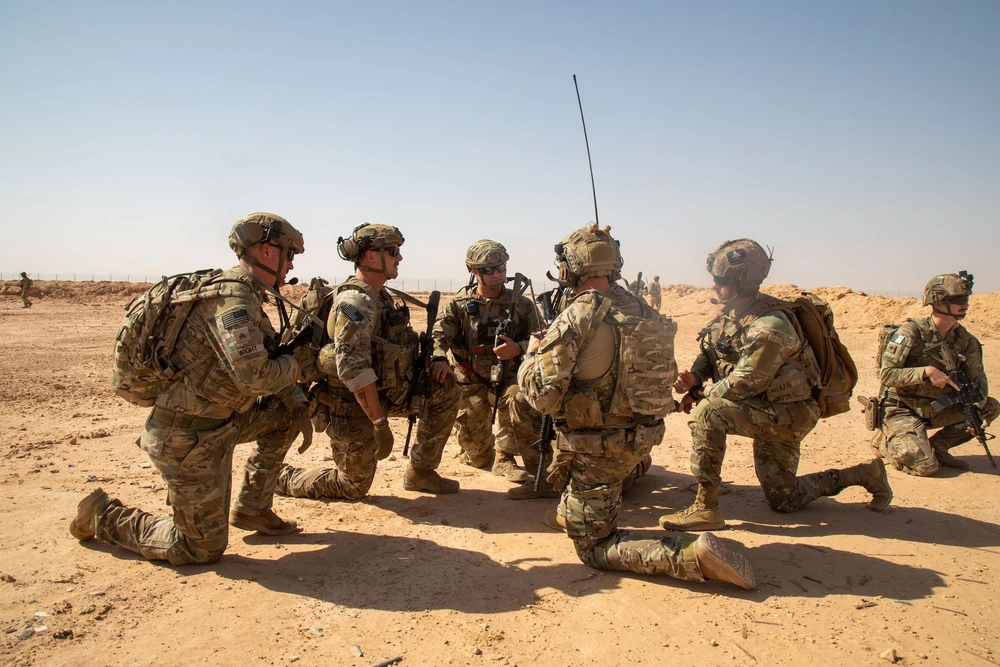
Iran has strong political and security connections in Iraq. Turkey is influential in the fields of economy, security, and energy. Gulf countries are seeking to deepen their economic relations with Iraq. And although the United States is withdrawing its troops, it has not completely lost its political and economic influence.
Therefore, Iraq essentially faces two different scenarios. In the first scenario, state institutions become stronger, armed groups are brought under greater control within the central chain of command, and Baghdad pursues a more balanced foreign policy among Washington, Tehran, Ankara, and the Gulf countries. In the second scenario, the space left by the American military presence cannot be adequately filled by the state, and the influence of non-state actors, particularly Iran-linked armed groups, expands.
For this reason, September 30, 2026, will not be an end for Iraq, but the date of a new beginning.
The withdrawal of American troops from Iraq closes the long and controversial period of American military involvement that began in 2003. But from this point forward, the real test will not be who will provide Iraq’s security, but to what extent the Iraqi state itself will be able to provide its own security.
If Baghdad can build this capacity, the withdrawal could become a historic turning point that strengthens Iraq’s sovereignty. If it cannot, the vacuum left by American troops could this time become an arena of competition among other powers.
Considering the developments in the Middle East in recent years, however, the most critical issue facing Iraq will not be entering under the security umbrella of another power, but preserving its own strategic autonomy among multiple centers of power.
Source: Times of Defence