

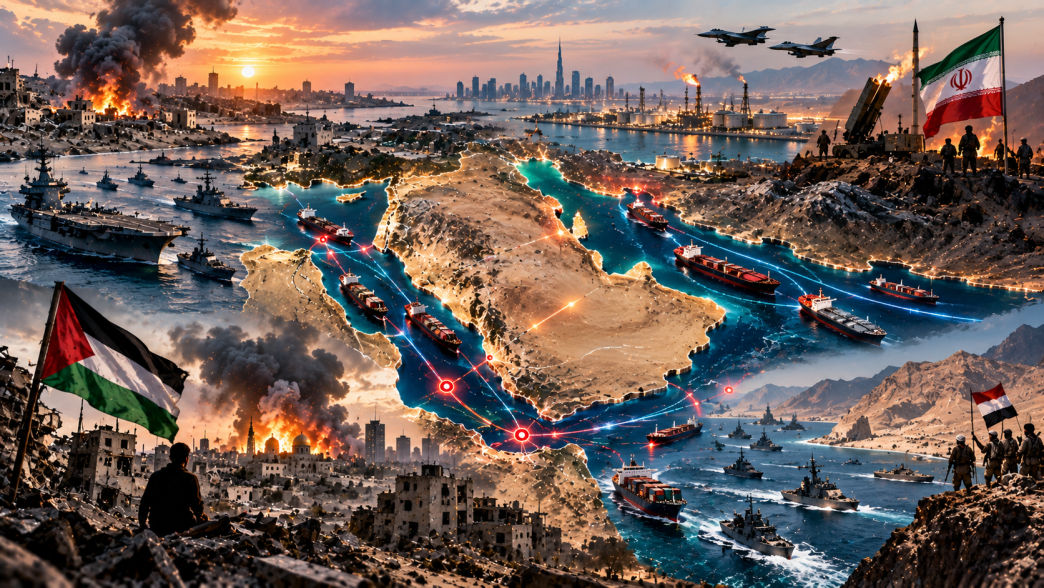
The fundamental assumptions underlying the security order that has existed in the Middle East for decades have come under much greater scrutiny with the Iran war. For years, the Gulf states have largely based their security on Washington’s military capabilities and the expectation of American intervention when necessary. Yet the latest crisis has demonstrated that security guarantees provided by an external power may not, by themselves, be sufficient to ensure regional stability.
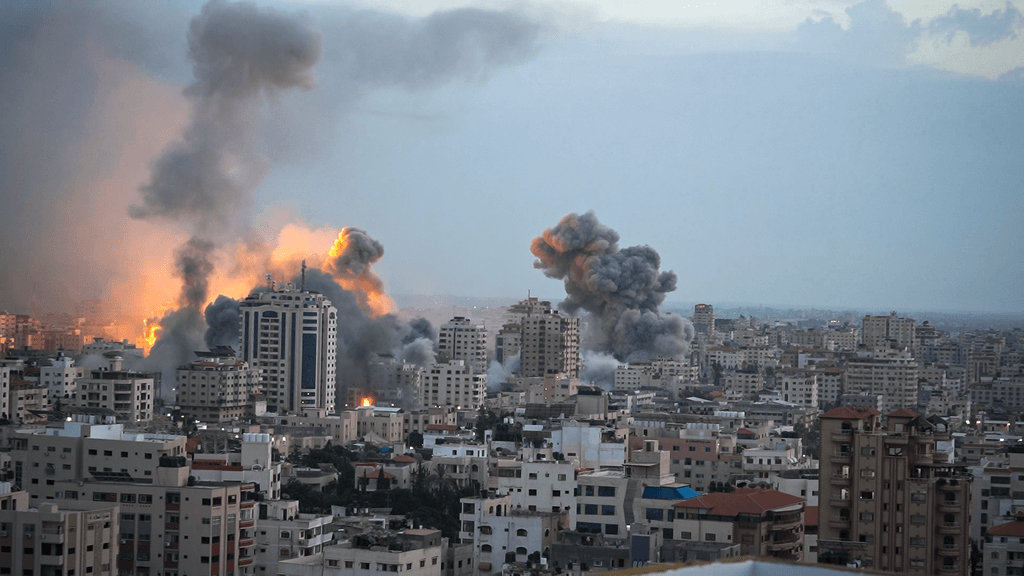
This is not simply about how the United States behaves during a crisis. The deeper question is whether the security model that has governed the Middle East for decades remains sustainable.
The limits of external security guarantees
For many years, the US military presence in the Gulf was regarded as one of the main pillars of deterrence against Iran. The presence of American bases in the region was seen not only as a means of protecting US partners, but also as a security umbrella intended to prevent Iran from entering into direct conflict.
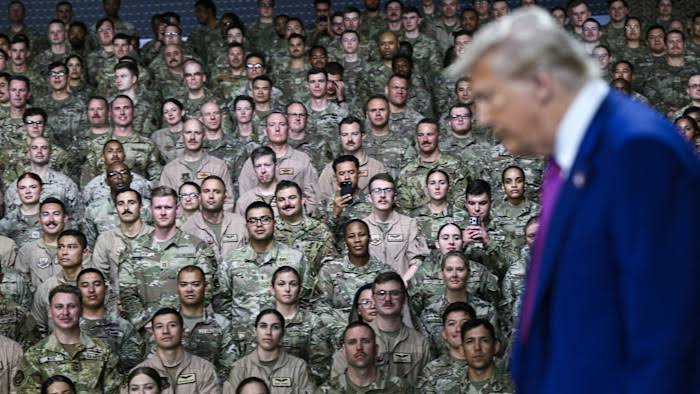
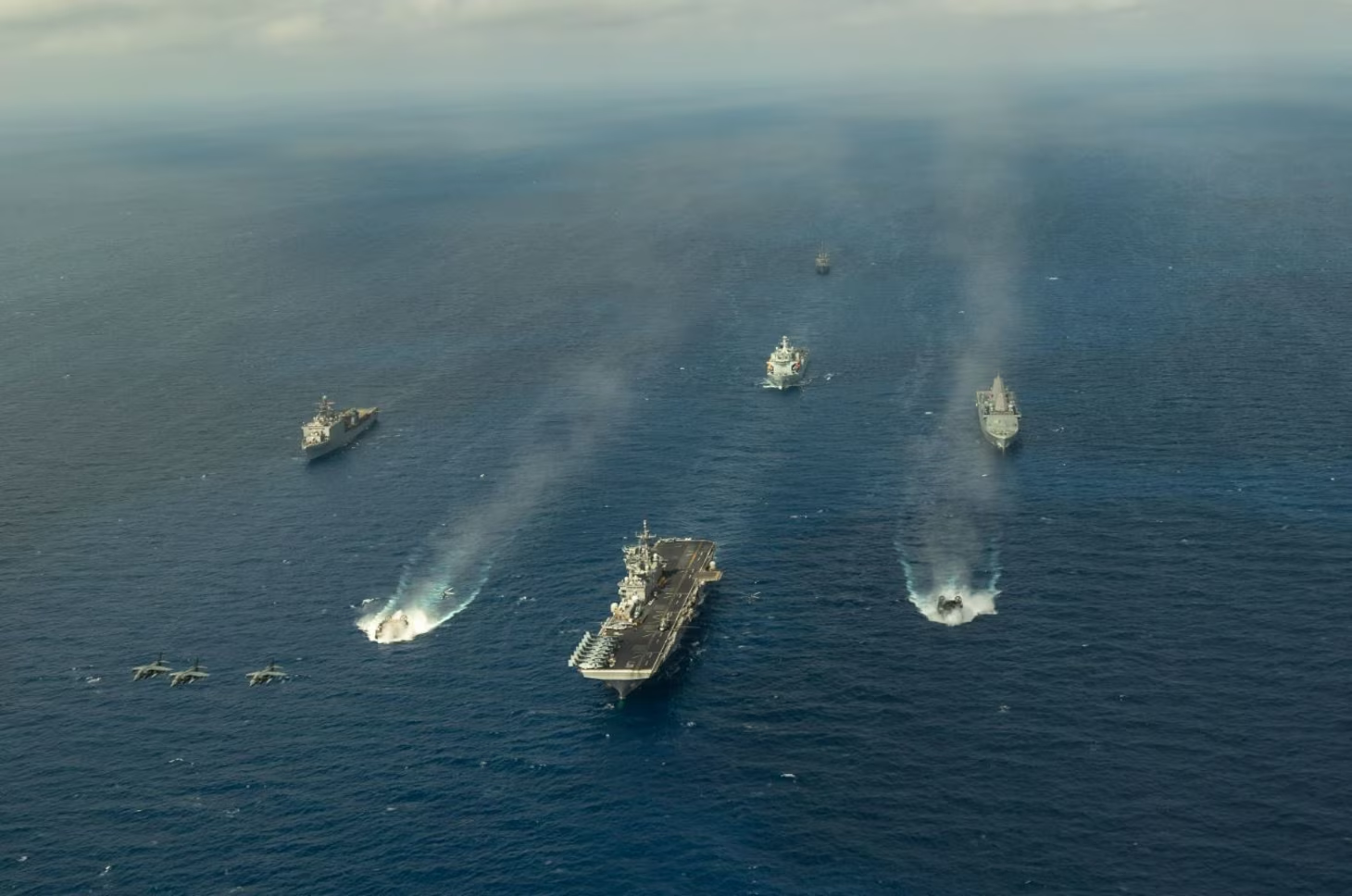
The war, however, has seriously challenged this assumption. Areas hosting American military forces have also become targets in the conflict, demonstrating that the presence of military bases does not necessarily translate into greater security. On the contrary, the military infrastructure of major powers can itself become a strategic target for adversaries.
The emerging picture is therefore not merely a debate about Washington’s reliability. More broadly, it exposes the limits of a system in which regional security depends on guarantees provided by an external power. Recent assessments of the Gulf security environment likewise point to the vulnerabilities of a model built around large forward bases and the expectation that American military superiority automatically translates into local security.
A new security order must be based on regional actors
The central question for the Middle East now is what should replace the old order. The answer should not be the creation of new alliance blocs or simply replacing one external power with another.

A more durable security system could instead be based on an inclusive mechanism in which the countries of the region sit at the same table. A model that permanently excludes Iran, leaves the security of the Gulf states dependent solely on outside powers, or manages regional rivalries through military blocs is unlikely to produce lasting stability.
Instead, regional states need to develop common mechanisms for crisis communication, conflict prevention, mediation, arms control and confidence-building measures.
The objective should not be to eliminate regional rivalries altogether. Power struggles in the Middle East are unlikely to disappear in the short term. The real goal should be to establish institutional mechanisms capable of preventing those rivalries from turning into war.
Recent developments suggest that this discussion is no longer merely theoretical. Gulf states have increasingly been reassessing their security policies, while Saudi Arabia has explored a regional non-aggression framework with Iran. At the same time, officials in Qatar and the UAE have publicly emphasized the need for a broader regional security framework and greater Arab-Iranian dialogue.
Gulf security cannot be separated from the Palestinian issue
One of the most important challenges for any new regional security architecture is that Gulf security and the Israeli-Palestinian conflict cannot realistically be treated as entirely separate issues.
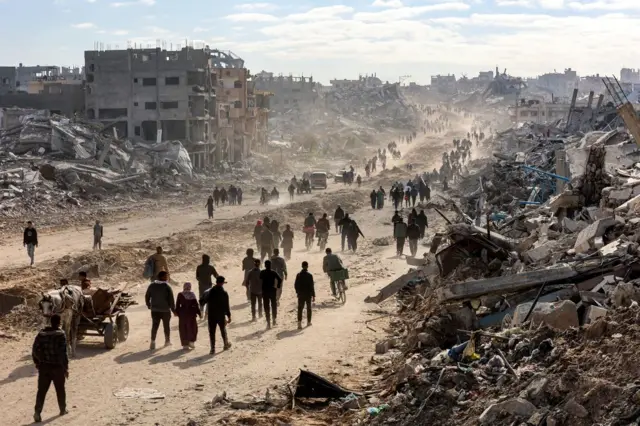
A significant part of the Middle East’s security crises is driven not only by regional power competition but also by the unresolved Palestinian question. A security model focused exclusively on reducing tensions between Iran and the Gulf states could therefore struggle to produce lasting results if it leaves other fundamental conflicts untouched.
For this reason, a future regional order should not necessarily close the door entirely to Israel. But its inclusion would need to be connected to a framework addressing Palestinian political rights and the objective of Palestinian statehood.
Such an approach could shape the regional security architecture not solely around military deterrence, but also around the resolution of the political disputes that continue to generate instability.
The US does not have to leave the region
Giving Middle Eastern countries greater responsibility for regional security does not necessarily mean excluding the United States.
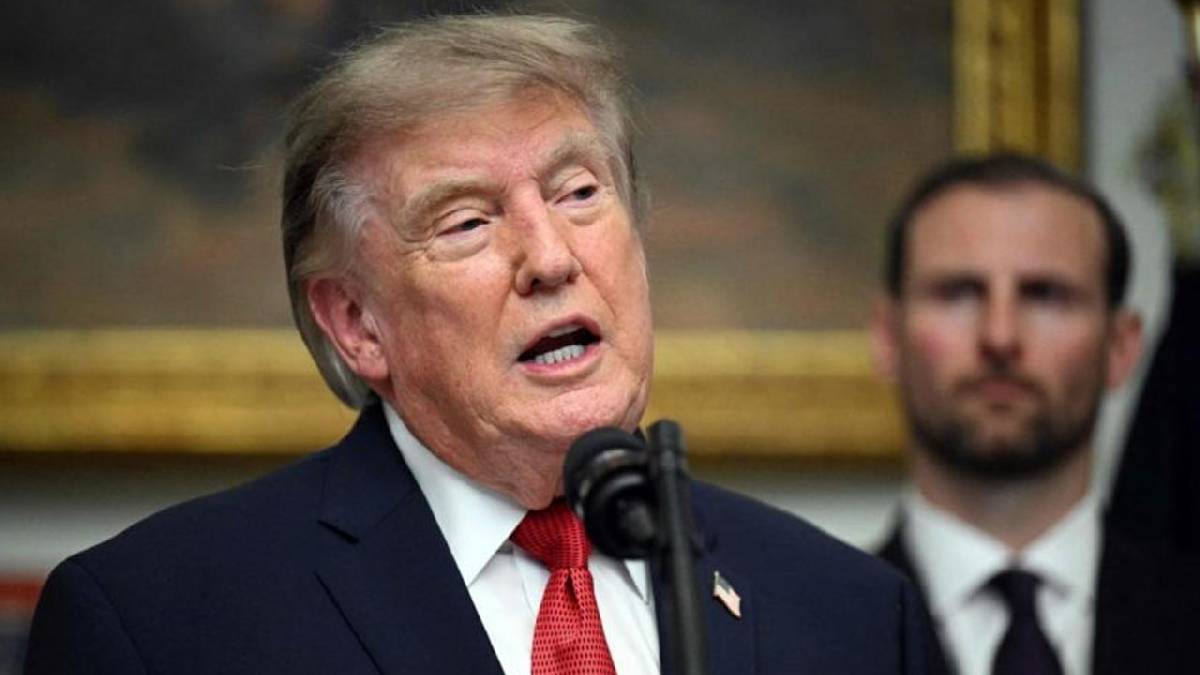
Washington can remain an important diplomatic, economic and strategic partner. The fundamental difference would be that the United States would no longer function as the region’s permanent military guarantor, but rather as an external partner within a security system developed primarily by regional actors.
Such a model could also be more sustainable for the United States. Washington could reduce its military burden in the region while maintaining significant diplomatic and economic influence. Regional states, meanwhile, could develop shared mechanisms rather than relying primarily on intervention by major powers.
This approach would place greater emphasis on interdependence, dialogue and crisis management instead of a security model driven by arms races and competing blocs.
At the same time, current developments suggest that the US role is unlikely to disappear in the near term. Analysts assessing the post-war Gulf environment expect Washington to remain the region’s most capable military power even as Gulf states seek additional partnerships and greater strategic autonomy.
The Iran war could become a turning point
Under current conditions, the idea of an inclusive regional security order may appear detached from reality. Yet history shows that major security architectures have often emerged from the aftermath of severe crises.
The institutions established in Europe after the devastation of the Second World War created a new political order among countries that had fought one another for centuries. The Helsinki process during the Cold War similarly developed common rules for managing competition between rival blocs armed with nuclear weapons.
The Middle East could face a similar turning point.
The Iran war could simply become the beginning of another cycle of destruction. But it could also encourage regional countries to rethink their security assumptions and build a more inclusive order among themselves.
The recent crisis has already demonstrated why such a debate is becoming increasingly difficult to postpone. The disruption of the Strait of Hormuz, attacks affecting commercial shipping and renewed threats to the Bab el-Mandeb have connected regional security directly to global energy supplies and trade. In September, a commercial vessel was struck in the Strait of Hormuz, while Iranian officials warned that a renewed US offensive could lead to an expansion of the conflict toward the Red Sea and Bab el-Mandeb.
China’s growing diplomatic involvement is another sign of this changing environment. Beijing has called for Washington and Tehran to return to negotiations and has positioned itself as a potential constructive actor in resolving the conflict.
The emergence of a new regional security architecture, however, will ultimately depend less on the arrival of another external guarantor than on whether the countries of the Middle East can assume greater collective responsibility for their own security.
The future security order of the region will therefore be shaped not simply by the decisions of major powers, but by whether regional states can develop a common understanding of security, manage their rivalries through institutions and prevent the next crisis from becoming another major war.
Source: Times of Defence