

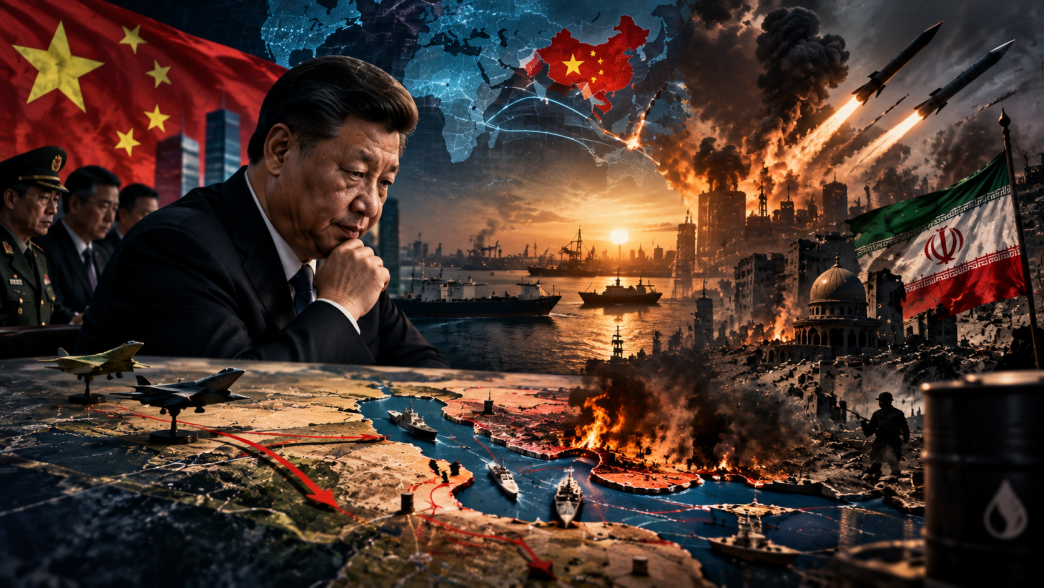
The Iran War has produced important consequences that could lead US allies in Asia to reassess their expectations regarding Washington’s role as a global security provider. At the outset, the crisis created precisely the kind of picture that American allies would have wanted to see: when Israel faced a serious security threat, the United States intervened directly and on a large scale.
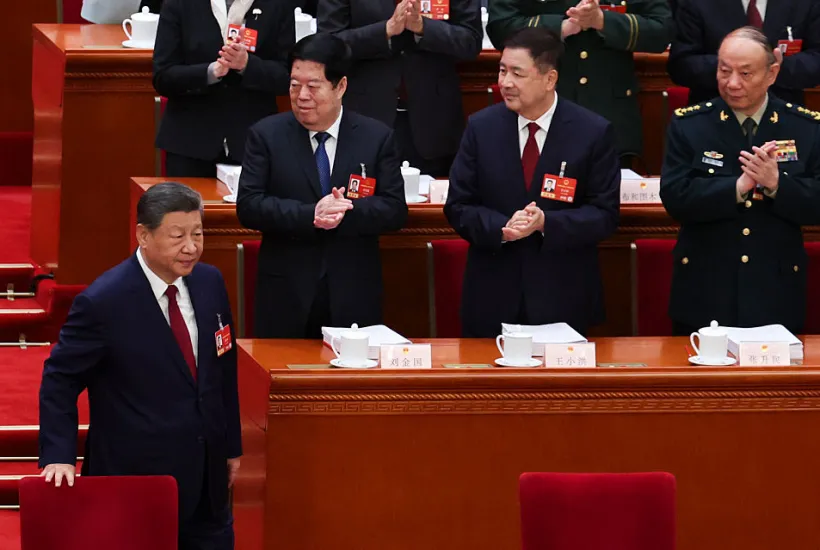
Washington conducted a major operation against Iran alongside one of its strongest partners in the region.
However, the later stages of the war revealed a more complicated picture. Although US military power has significantly degraded Iran’s capabilities and reduced the threat to Israel, the war has not yet produced regional stability. While Iran continues to target the Gulf states through different means, pressure on maritime trade through the Strait of Hormuz continues.
The gains made by the Houthis in Yemen and attacks against Saudi Arabia have also increased pressure on maritime shipping and energy security in the Red Sea.
Key issues such as the future of Iran’s nuclear program, the status of the Strait of Hormuz, and the future of the government in Tehran have also not yet been conclusively resolved. This does not mean that the United States is militarily weak.
On the contrary, there is no other country in the world capable of projecting power on this scale. However, the war has made one important characteristic of American power more visible: although Washington’s military capacity is extremely large, it is not unlimited.
Pressure stretching from the Gulf to the Pacific
The US Fifth Fleet’s naval base in Bahrain is one of the centers of Washington’s forward deployment in the Gulf. One of the primary missions of this structure is to keep critical passages for global trade, such as the Strait of Hormuz, Bab el-Mandeb, and the Suez Canal, open.
Yet months into the war, there is still no fully stable picture regarding the security of these three critical routes. While Iranian pressure continues in the Strait of Hormuz, Houthi activity persists in Bab el-Mandeb. Although the Suez Canal has not been directly closed, the security of reaching it from the south remains dependent on developments in Bab el-Mandeb.
The intense waves of attacks involving Iranian ballistic missiles and low-cost Shahed-type unmanned aerial vehicles have also exposed the vulnerability of the US forward logistics infrastructure in the region. Assessments that approximately $400 million in damage was inflicted on US naval facilities in Bahrain demonstrate that the forward-deployment model, alongside its advantages, also carries significant risks.
This issue is not limited to the Middle East. The forward-deployment and logistical support model used in the Gulf is also one of the fundamental components of the US military presence in the Pacific. Therefore, the simultaneous emergence of high-intensity crises in two regions means that Washington may be forced to make direct choices in allocating its resources.
For US allies in Asia, the fundamental question therefore emerges here: How long can Washington allocate sufficient military capacity to large-scale crises emerging simultaneously in two different regions, and to what extent can it sustain this politically?
Deterrence stretching from Hormuz to the Taiwan Strait
The use of a significant portion of US critical munitions stocks during the Iran War, along with the redeployment of certain air-defense systems to the Middle East, has increased the war’s indirect effects on Asia.
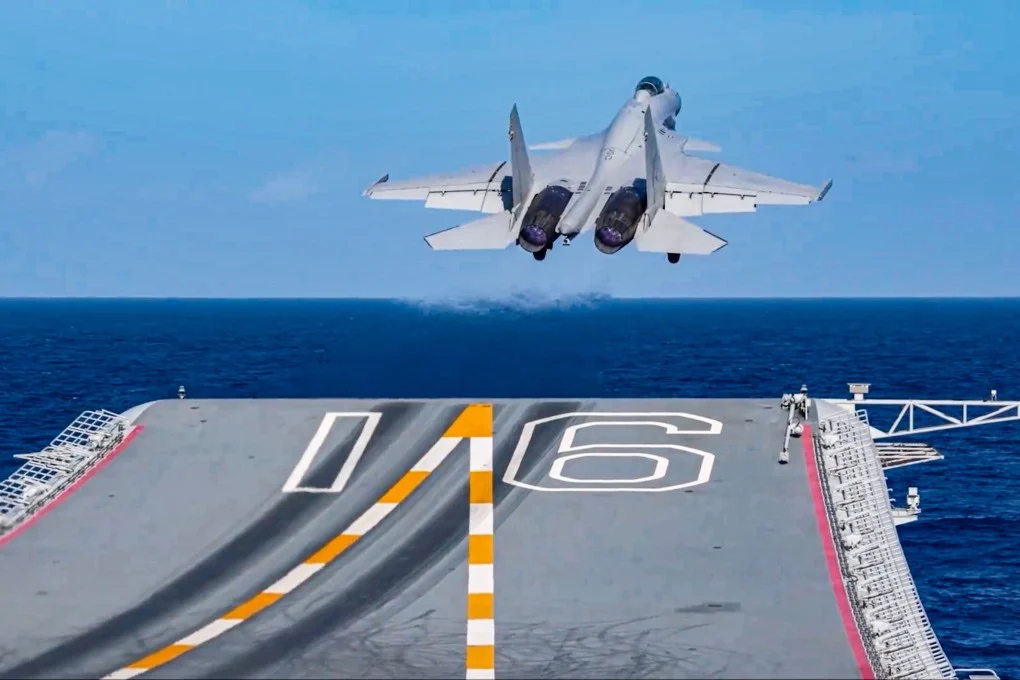
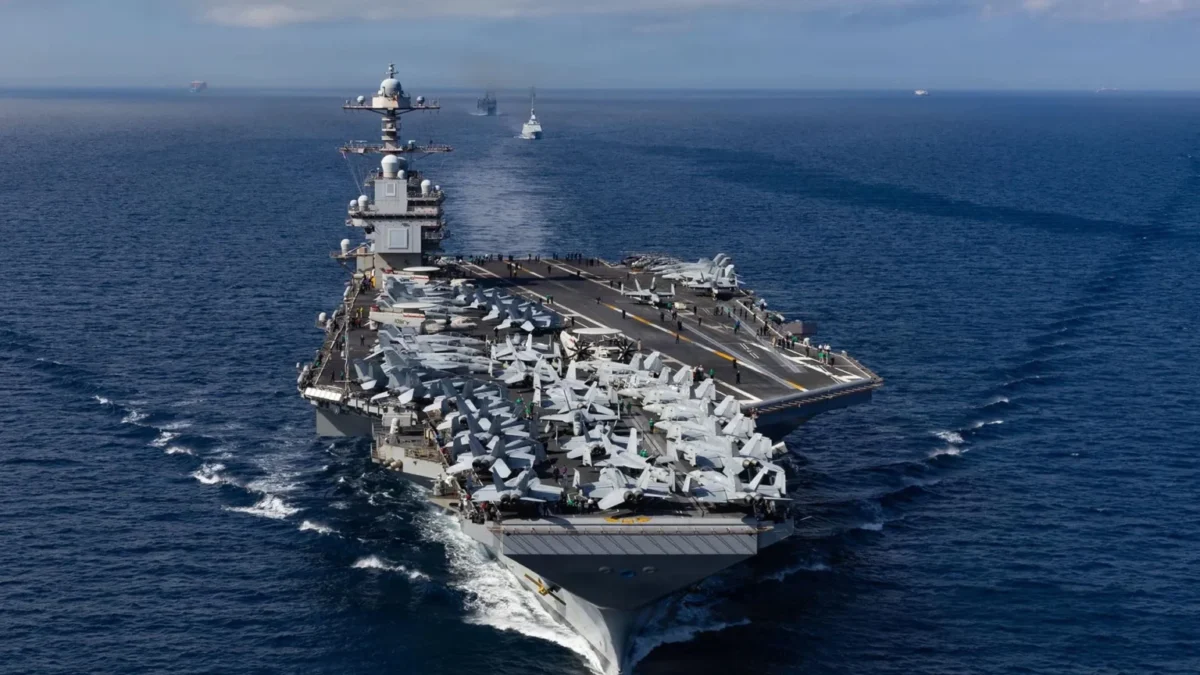
With the deployment of the USS George Washington aircraft carrier to the Middle East to replace the USS Abraham Lincoln, which had spent an extended period at sea, the Western Pacific was temporarily left without a US aircraft carrier. Similarly, the use of hundreds of Patriot interceptors during the Iran War demonstrated how critical replenishing ammunition stocks has become.
The fundamental issue here is not simply how many missiles or aircraft carriers are available. Every major military resource used in one region reduces the capacity available for use in another. Long-range air-defense interceptors, precision-guided munitions, and major naval platforms in particular cannot be rapidly reproduced.
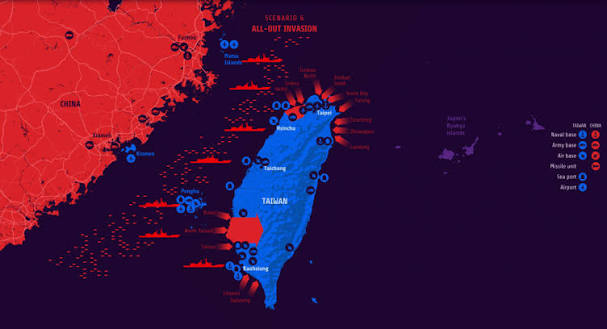
The Taiwan Strait, of course, does not have the same conditions as Hormuz. The geography, legal framework, military balance, and strategic objectives of the parties are fundamentally different. China should not be expected to replicate Iran’s approach exactly.
Nevertheless, from Beijing’s perspective, how Washington manages its resources during a prolonged war provides an important area of observation. As the conflict in the Middle East places greater pressure on American military resources and domestic political support, China will inevitably examine more closely the resilience of the United States in the face of a prolonged, multi-front crisis.
A political security problem for US allies in Asia
The impact of the Iran War on Asia is not limited to military stocks. One of the more important issues is how politically predictable US alliance commitments are.
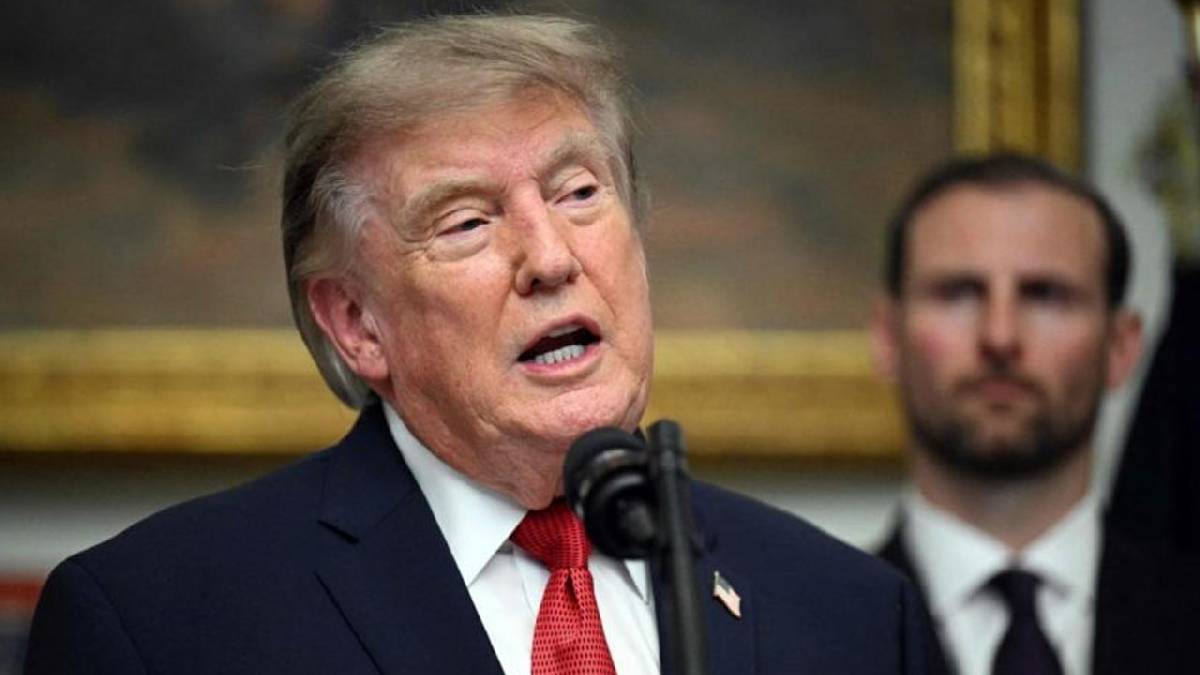
Reports in May that the US administration had paused a planned weapons package for Taiwan, worth up to $14 billion, in order to preserve the munitions needed for the Iran War further intensified this debate. President Donald Trump’s statements suggesting that the package could become a bargaining instrument in negotiations with China made the boundary between military capacity and political commitments even more contentious.
Delays in arms deliveries are not unusual in themselves. However, placing Taiwan’s defense within the same framework as a war in the Middle East and diplomatic negotiations with Beijing carries a different significance.
Two separate questions emerge here. First, does Washington genuinely lack sufficient munitions to support multiple fronts simultaneously? Second, and more importantly: Could US support for
Taiwan become the subject of political bargaining when necessary?
Temporary ammunition shortages can be overcome through planning and production. But the impact of a security commitment that is politically conditional could be much longer-lasting for allies.
New calculations for Japan and South Korea
For Japan, the connection between the Iran War and Asian security is particularly direct. Tokyo is operating within a framework that depends heavily on Washington’s capabilities, both in terms of energy security and the US military presence in the region.
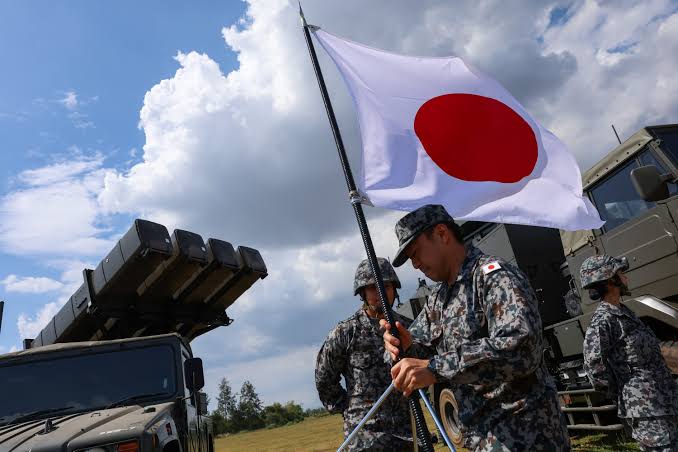
The fact that approximately 93 percent of Japan’s oil imports pass through the Strait of Hormuz means that developments in the Gulf are no longer simply a Middle Eastern security issue. The restructuring of the US military presence in the region is also directly connected to Japan’s assessment of deterrence capabilities in the Pacific.
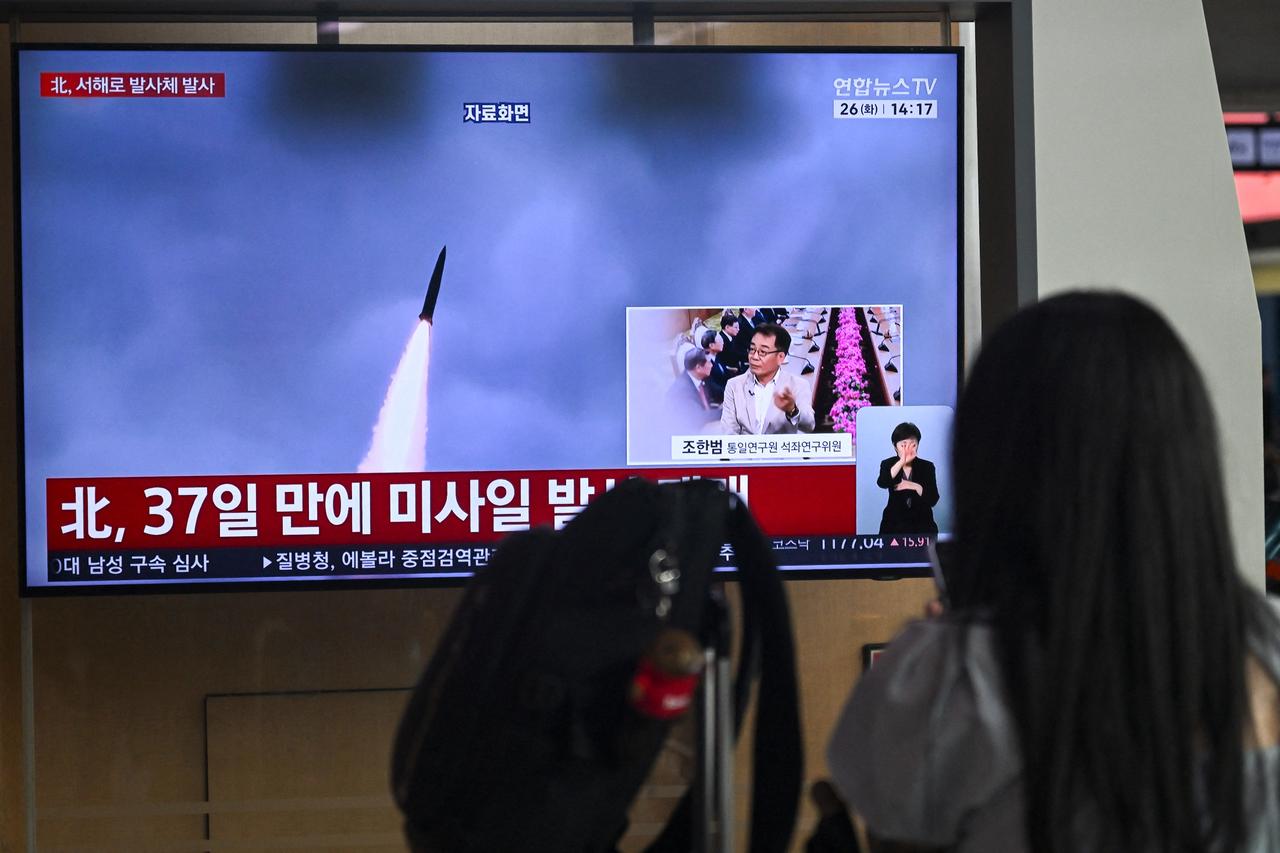
A similar picture has emerged for South Korea. The reduction of the duration of the US-South Korean joint military exercise Ulchi Freedom Shield from 11 days to five days, with Washington’s expectations regarding Iran and Seoul’s approach to those expectations cited among the reasons, demonstrated that alliance relations are no longer assessed solely through the lens of the North Korean threat.
This situation carries an important message for Seoul: Political disagreements with Washington could also have implications for the military planning of the alliance.
A similar question arises for the Philippines, which faces Chinese pressure in the South China Sea. How US defense agreements will be implemented during periods of crisis and what priorities Washington will establish when it is required to fulfill security commitments in different regions simultaneously have now become more important strategic calculations.
What is China learning from the Iran War?
For China, the Iran War provides an example demonstrating that the United States remains extremely powerful while also being capable of coming under pressure across multiple strategic areas at the same time.
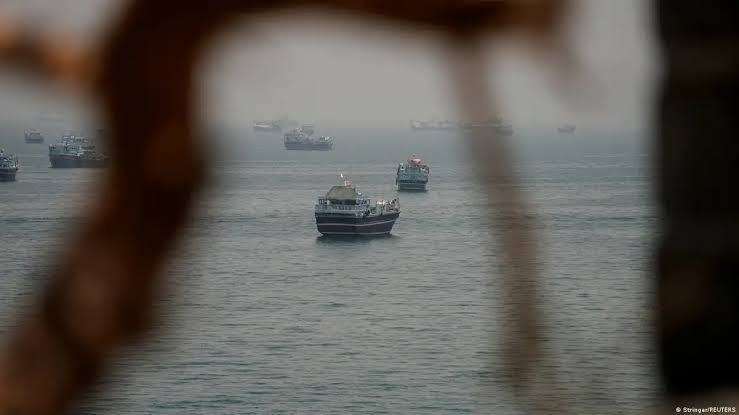
The Strait of Hormuz is one of the most important aspects of this. Iran’s ability to impose significant costs on the global economy and American partners without needing to defeat the United States militarily is a noteworthy development from Beijing’s perspective.
The lesson that emerges is that confronting a major power does not necessarily require defeating it on the battlefield. Prolonged disruption of a critical trade route can affect energy prices, logistical chains, and allied economies, producing consequences far beyond the military confrontation itself.
China’s ability to withstand the Hormuz crisis better than expected is also significant.
By reducing energy imports and drawing on strategic reserves, Beijing was able to manage the effects of the shock that the International Energy Agency described as the largest oil supply disruption in history.
This demonstrated that energy dependence is not simply China’s vulnerability. On the contrary, Beijing’s enormous demand capacity and weight in energy markets can become a bargaining instrument during periods of crisis.
This development is also significant in terms of a possible crisis around Taiwan. For years, energy pressure has been viewed as one of the most important economic instruments that could be used against China. The Iran War, however, suggests that the effectiveness of this instrument may not be as certain as previously assumed and that China’s mechanisms for controlling its energy supply must be taken into account.
The real risk is not direct war
This picture creates an important advantage for China. While Washington carries a significant portion of the military burden at the same time, Beijing can position itself as a more stable economic and diplomatic actor.
However, the most immediate risk for Asia does not necessarily have to be a direct large-scale war. Prolonged political, economic, and military pressure around Taiwan, without crossing the threshold into war, could also produce serious consequences.
If China were to pursue such a strategy, its primary objective could be not to draw the United States into a single major conflict, but rather to continuously consume Washington’s resources and test the resilience of its allies in the region.
For this reason, rebuilding ammunition stocks or returning military platforms to Asia may not be sufficient for the United States. More important is maintaining confidence that alliances will not become subjects of political bargaining during times of crisis.
Deterrence does not consist solely of aircraft carriers, missiles, or fighter aircraft. The belief that an ally can have about how predictable the other country’s response will be when a crisis emerges is also a fundamental component of deterrence.
The Asian balance after the Iran War
The Iran War will eventually come to an end. However, the strategic consequences generated by the conflict are unlikely to remain confined to the Middle East.
Washington’s need to use military power in multiple regions simultaneously has made visible not only the scale of US global power but also its limits. For US allies in Asia, the central issue going forward will not be whether the United States is powerful, but rather to what extent it can use that power sustainably across multiple crisis areas at the same time.
For China, meanwhile, the war has provided an important opportunity to observe Washington’s political and strategic resilience rather than simply test American military capabilities directly.
In the period ahead, the decisive factor for US deterrence in Asia will not be limited to rebuilding military capacity. The future of defense support for Taiwan, the reliability of alliances with Japan and South Korea, the viability of security arrangements with partners such as the Philippines, and how Washington positions its security commitments in diplomatic negotiations with China will become equally important.
Ultimately, the Iran War once again demonstrates that modern power competition is not shaped solely by battles won on the battlefield. A state’s strategic power is determined not only by its military capacity, but also by how many fronts it can fight on simultaneously, how quickly it can replenish critical resources, and to what extent it can sustain the security commitments it has made to its allies during periods of crisis.
When the Iran War ends, one of Washington’s most important tests will be precisely this: to use its military superiority not only to win a war, but also to demonstrate long-term strategic resilience to both its rivals and its allies.
Source: Times of Defence