


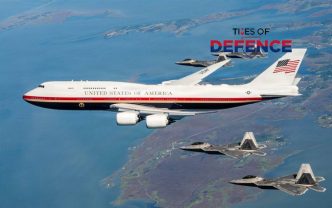
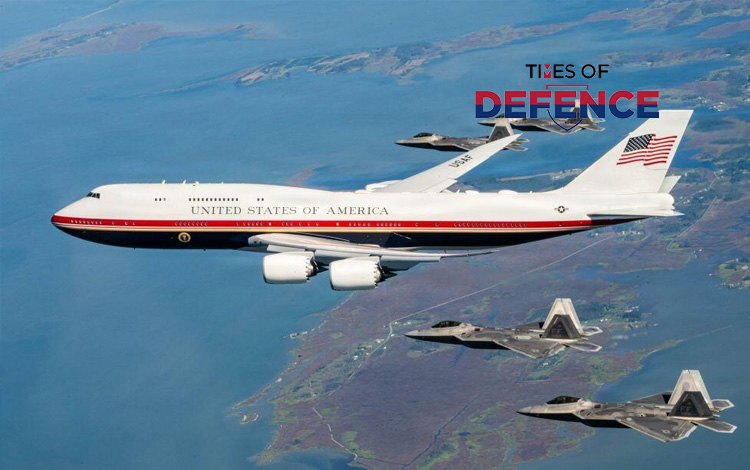
The U.S. Air Force expects to power on the first of its two new VC-25B presidential aircraft before the end of 2026, setting the stage for first flight testing in 2027. The milestone marks a major step in a program that has faced years of schedule delays and technical challenges.
According to the latest program update, the first aircraft is currently undergoing electrical work ahead of its initial power-on. Air Force officials overseeing the program say substantial progress has been made, while Boeing is increasing its electrical workforce to support the remaining work.
The first flight is currently expected in 2027, with the first operational aircraft targeted for delivery to the U.S. Air Force in 2028.
From Boeing 747-8 to VC-25B
The VC-25B is based on Boeing’s 747-8 Intercontinental airframe, but it is being extensively modified into a specialized presidential transport.
The aircraft is not simply a VIP-configured commercial airliner. It is being equipped with specialized communications, security, mission-support and self-sufficiency systems designed to allow the President and senior officials to operate while traveling internationally. Boeing describes the aircraft as providing increased capacity and enhanced presidential-airlift capabilities.
Two 747-8 aircraft are being converted under the VC-25B program.
The original contract, awarded in 2018, called for Boeing to design, modify, test, certify and deliver two mission-ready presidential aircraft. The original contractual delivery target was 2024, meaning the program is now several years behind its initial schedule.
Technical Profile
Because the VC-25B is a highly customized military aircraft, the Air Force does not publish a complete technical datasheet covering all of its classified systems. However, the underlying 747-8 platform provides a useful baseline.
Boeing 747-8-based characteristics
- Aircraft: Boeing 747-8 Intercontinental derivative
- Configuration: Four-engine wide-body presidential transport
- Engines: 4 × General Electric GEnx-2B turbofans
- Engine thrust: Approximately 66,000 lb-class per engine
- Cruise speed: Approximately Mach 0.85
- Maximum range: Approximately 7,700 nautical miles for the commercial 747-8I, depending on configuration
- Length: Approximately 76.4 m
- Wingspan: Approximately 68.4 m
- Role: Presidential airlift, command, communications and executive transport
The VC-25B’s actual performance and range will differ from the commercial 747-8 because of its specialized equipment, mission systems, defensive capabilities and presidential configuration.
Why the Power-On Matters
The planned power-on is more than a routine electrical test.
A modern presidential aircraft contains an extremely complex network of electrical, communications, avionics, mission and support systems. Bringing the aircraft’s systems online allows engineers to begin verifying that the aircraft’s installed equipment works together as an integrated platform.
The milestone will therefore precede more extensive ground testing, system integration and flight-test activity.
The Air Force has already completed modification and flight-testing work on a separate VC-25B Bridge aircraft that entered presidential service in 2026. That aircraft is a modified 747-8 and serves as an interim presidential transport, separate from the two new production VC-25Bs being developed under the long-term replacement program.
This distinction is important: the aircraft entering flight testing in 2027 is part of the original two-aircraft VC-25B replacement program, not the already operational Bridge aircraft.
Specialized Mission Systems
The VC-25B is intended to function as a flying national command-and-communications platform.
Its specialized systems are designed to support:
- Secure communications
- Presidential command and control
- Global communications connectivity
- Self-contained mission support
- Advanced defensive capabilities
- Medical facilities
- Presidential and senior-staff work areas
- Secure passenger and crew operations
Many details of the aircraft’s communications architecture, electronic protection and defensive systems remain classified.
Boeing emphasizes the aircraft’s ability to operate with substantial independence from airport infrastructure, an important requirement for presidential travel and contingency operations.
A Program Marked by Delays
The VC-25B program has experienced substantial cost and schedule pressure.
The original 2018 contract was valued at approximately $3.9 billion for two aircraft, with delivery originally expected in 2024.
The program subsequently encountered extensive modification, engineering and production challenges. Boeing has continued investing resources into the program and says the design phase is complete, with the focus now on aircraft modification and testing.
The current schedule calls for the first aircraft to fly in 2027 and the first aircraft to enter Air Force service in 2028.
What Comes Next?
If the current schedule holds, the program will move through several major milestones:
2026 → First aircraft power-on
⬇️
2027 → First flight and flight-test campaign
⬇️
2028 → Targeted delivery of first new VC-25B
⬇️
2029 → Planned delivery of second aircraft
The upcoming power-on will therefore be an important technical checkpoint, but it will not mean the aircraft is ready for presidential operations.
Editorial Note
The latest information indicates substantial progress, but the VC-25B remains a complex development and modification program. The 2026 power-on is an expected milestone, while the 2027 first flight and 2028 delivery remain program targets rather than completed events.
The aircraft will ultimately replace the two VC-25A presidential aircraft that have served since the early 1990s, providing the United States with a larger and more modern presidential airlift platform based on the 747-8.
