

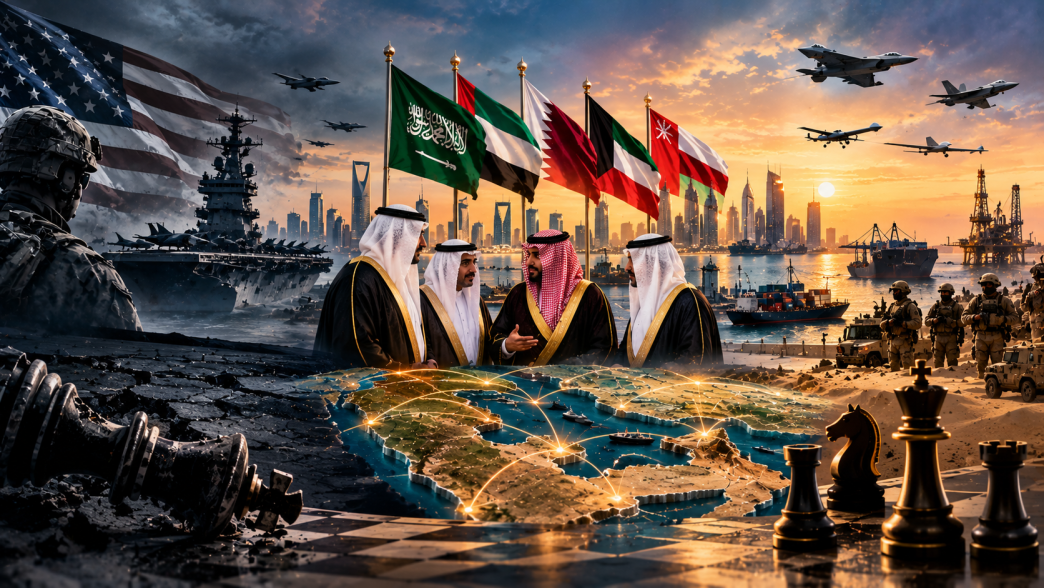
The Iran war has significantly shaken the fundamental assumptions underlying the security approach on which the Gulf states have relied for many years.
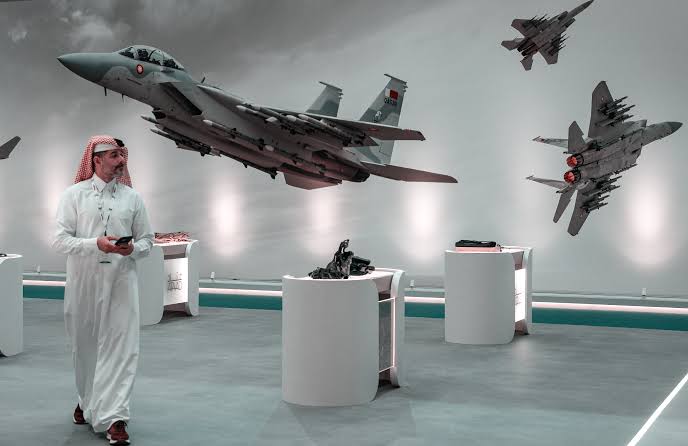
For decades, the Gulf Cooperation Council (GCC) states built their security policies on three main pillars: the US military presence, high-cost defense procurement, and controlled diplomatic relations with Tehran. The basic expectation was that American military power would deter Iran from launching a large-scale attack, that diplomatic channels would keep the Gulf states away from regional conflicts, and that advanced air defense systems would keep any limited attacks that might occur under control.
However, the 2026 war demonstrated that none of these assumptions was sufficient on its own. Iran’s attacks against all six GCC members showed that even countries seeking to remain neutral or maintain diplomatic relations with Tehran might not be able to stay outside the conflict. Moreover, the attacks were not limited to military targets; airports, energy facilities, commercial infrastructure, residential areas, and water facilities were also placed at risk.
Developments in Yemen further complicated this picture. The Houthis’ seizure of strategic areas around the Bab el-Mandeb and their continued missile and UAV attacks against Saudi Arabia demonstrated that Gulf security cannot be viewed solely through the lens of the Iranian threat in the Persian Gulf. The Gulf states thus found themselves facing a security environment in which they could come under pressure from multiple fronts simultaneously.
Defence is no longer only about air defence
The fundamental problem facing the Gulf is that Iran does not need to militarily defeat the countries in the region in the conventional sense. From Tehran’s perspective, even the temporary closure of airports, damage to energy facilities, disruption of maritime trade, or attacks on water infrastructure could create serious pressure on Gulf economies.
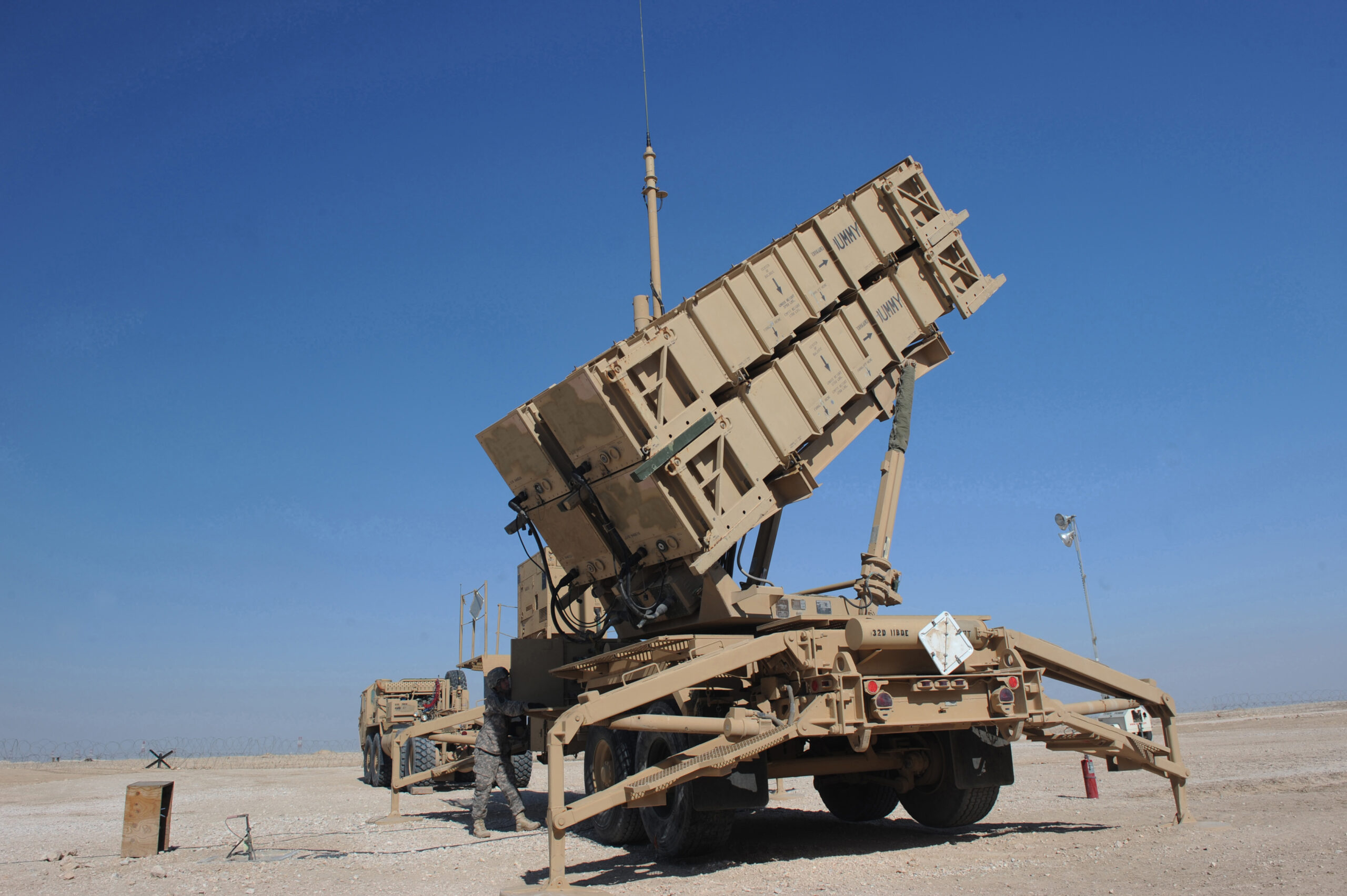
This is also changing the understanding of defense. Advanced air defense systems such as Patriot and THAAD, along with combat aircraft and naval assets, can play an important role in preventing numerous threats. However, no defensive system can provide absolute protection in a complex attack environment in which ballistic missiles, cruise missiles, low-cost UAVs, cyberattacks, and proxy actors are employed simultaneously.
Therefore, success should not be measured solely by how many missiles are intercepted. The real question is whether the attack achieves its political and economic objectives. If an airport can resume operations quickly, energy exports can be redirected through alternative routes, electricity and water services can continue despite disruption, and critical data can be operated from alternative centers, the deterrent effect of the attack is significantly reduced.
For this reason, one of the key concepts for the Gulf in the coming period will be “deterrence by denial.” This does not mean completely eliminating the threat of an attack against Iran; rather, it means demonstrating that an attack will not generate a meaningful political or economic gain for Tehran.
Achieving this will require more than simply purchasing additional missile defense systems. Integrating early-warning networks, developing electronic warfare and counter-UAV capabilities, dispersing aircraft, strengthening command centers, protecting energy and water facilities, and increasing ammunition stocks will all become components of the same security architecture.
The US is indispensable but not sufficient on its own
One of the most important outcomes of the war was not that the United States lost its importance for Gulf security, but that viewing the US presence as a security guarantee on its own has become more difficult.
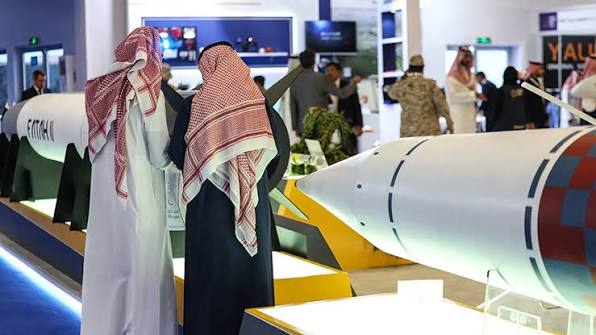
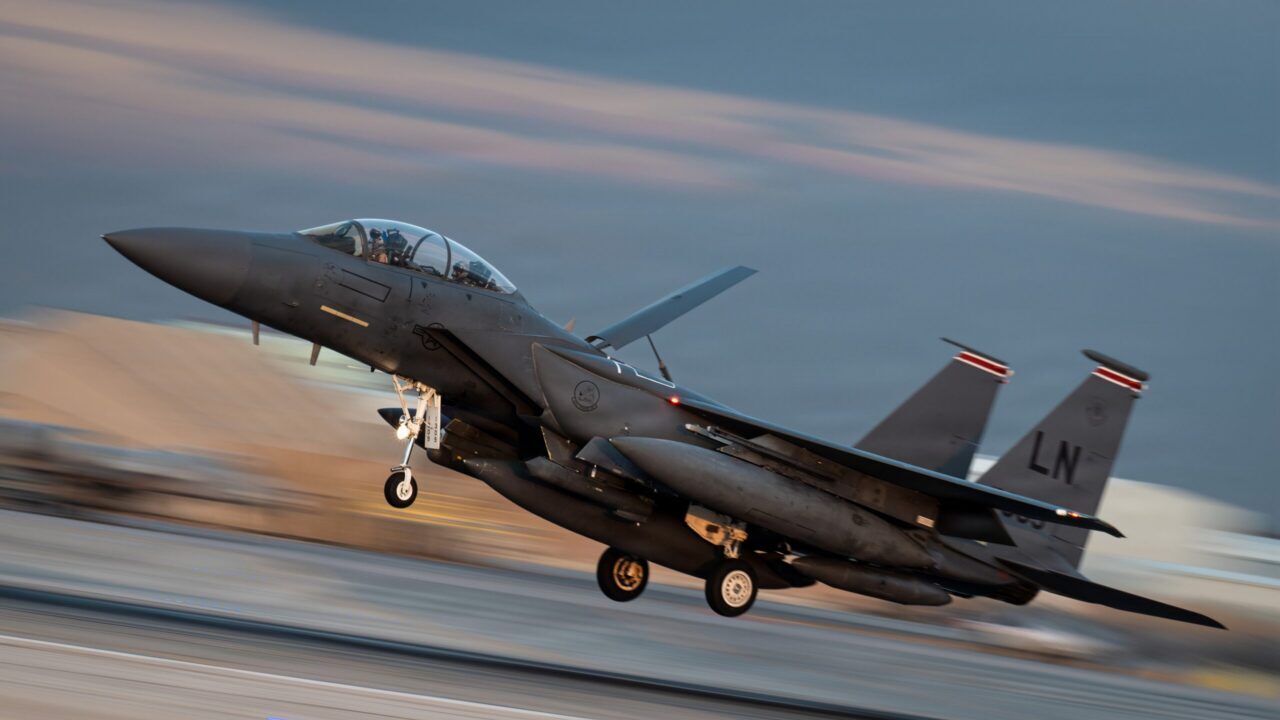
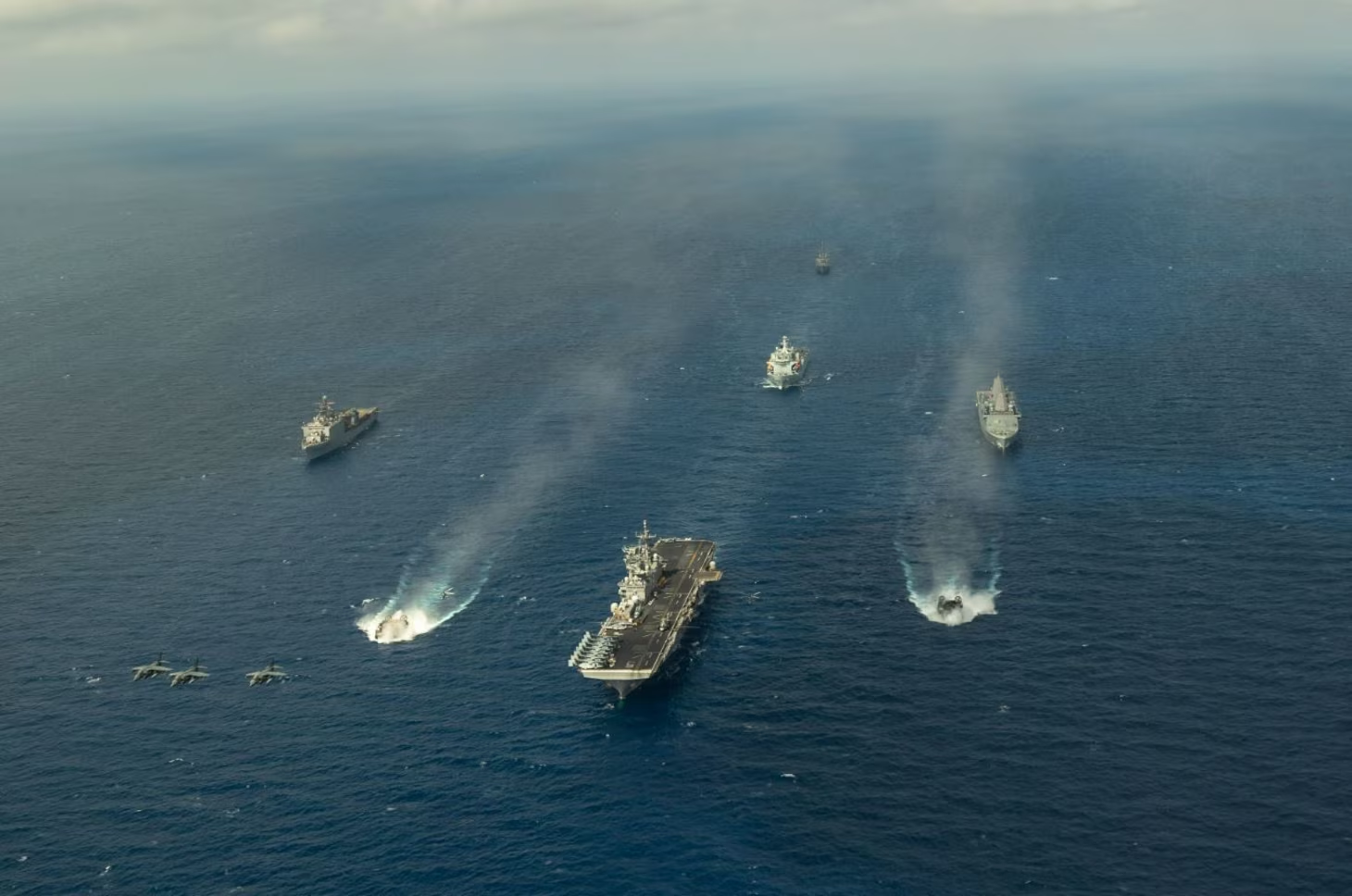
It does not currently appear possible for any other external actor to match the breadth of Washington’s capabilities in intelligence, early warning, air and missile defense, naval power, logistics, aerial refueling, and command and control on the same scale. Chatham House likewise argues that, following the war, Gulf states are likely to seek to diversify their risks through different partnerships while remaining within a US-centered security system.
At the same time, the war also called into question the assumption that a country hosting American bases would automatically be protected from conflict. While US priorities included protecting its own personnel and military assets, continuing operations against Iran, and supporting strategic partners in the region, the priorities of the Gulf states were the protection of energy facilities, ports, airports, water infrastructure, and economic centers.
For this reason, Gulf states will seek to balance between two different risks. On the one hand, they will be concerned about Washington reducing its presence in the region; on the other, they will seek to avoid being drawn into wars they do not want as a result of a US-centered conflict strategy.
The model likely to emerge will not be the complete abandonment of the American security umbrella. Instead, it will involve greater consultation, clearer security commitments, and a stronger voice for Gulf states over how their own territory is used.
The new equation: Partnership diversity, not dependence
This situation is pushing Gulf states toward a greater range of alternative security partnerships. The fundamental shift here is not replacing the United States with another power, but reducing dependence on any single external actor for security.
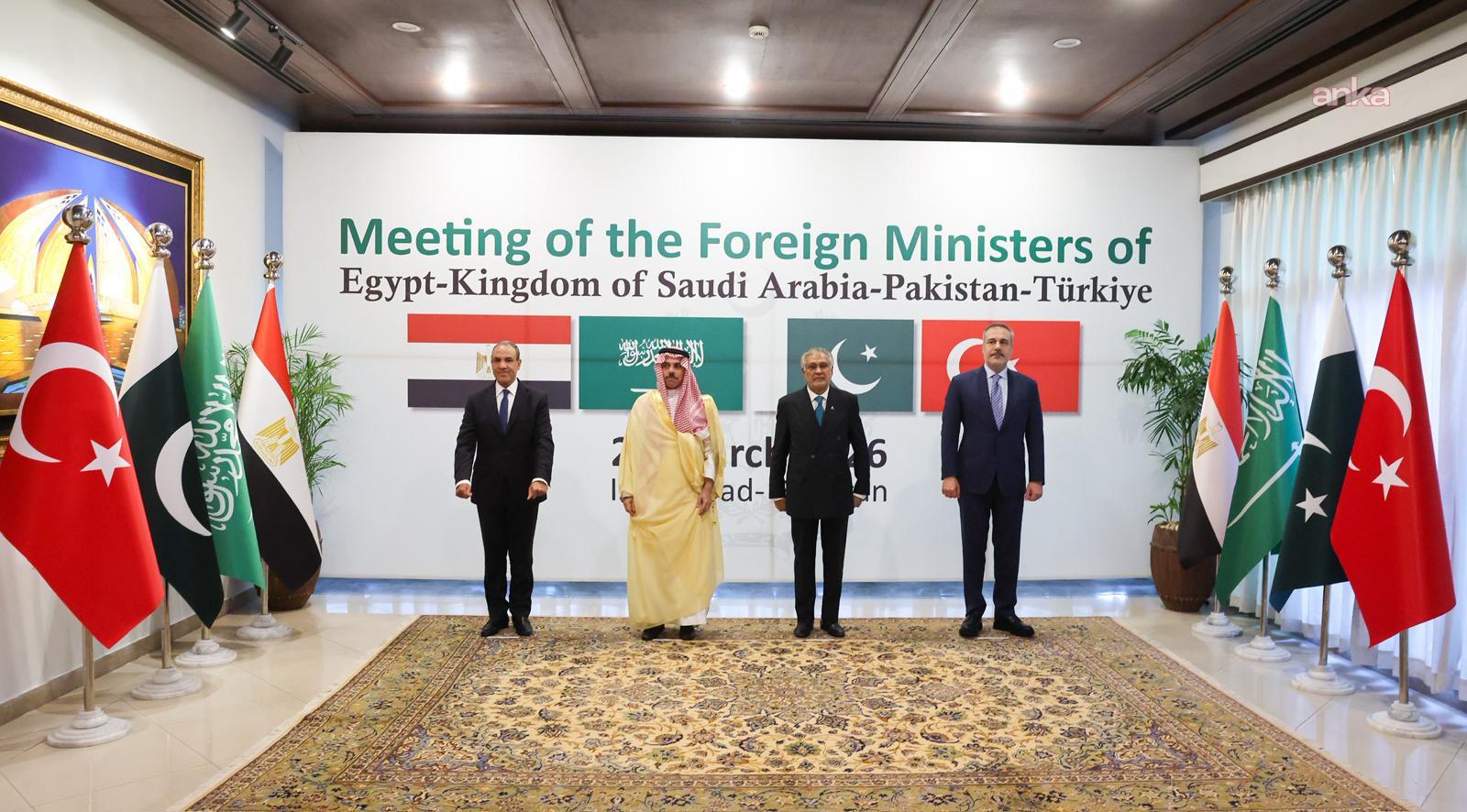
For this reason, relations developed with Türkiye, Pakistan, European countries, and various actors in Asia in areas such as defense, intelligence, training, technology, and maritime security may become increasingly important. However, none of these actors should be expected to independently replace the full range of intelligence, global logistics, early-warning, and naval capabilities possessed by the United States.
At the heart of this approach is partnership pluralism. Rather than replacing one security patron with another, Gulf states will seek to use the capabilities provided by different actors in complementary ways.
A flexible security network instead of a Gulf NATO model
The Iran war pushed GCC states toward greater coordination, but significant political and operational obstacles remain to the creation of a full-fledged “Gulf NATO.” The countries do not have identical relationships with Iran, Israel, the United States, or other major powers.
Their defense procurement systems, threat perceptions, and foreign policy priorities also differ.
For this reason, a more realistic model may be flexible and issue-based security networks rather than a centralized alliance.
A common radar and early-warning system could be established for air defense. Different countries could operate within the same operational structure for maritime security. Joint mechanisms could be developed against cyber threats. Common standards could be established for the protection of critical infrastructure. When necessary, different countries could form separate security coalitions against different threats.
What matters here is not the number of agreements, but whether the system works during a crisis. If it has not been determined in advance who will identify a threat during a missile attack, which country will intervene, which targets will be given priority, and how quickly a political decision will be made, even the most advanced weapons systems cannot move beyond a fragmented defense structure.
Diplomacy with Iran is not the opposite of security, but its complement
It also does not appear realistic for Gulf states to completely close their diplomatic channels with Iran. Geography, energy routes, and maritime trade make continuous communication with Tehran unavoidable.
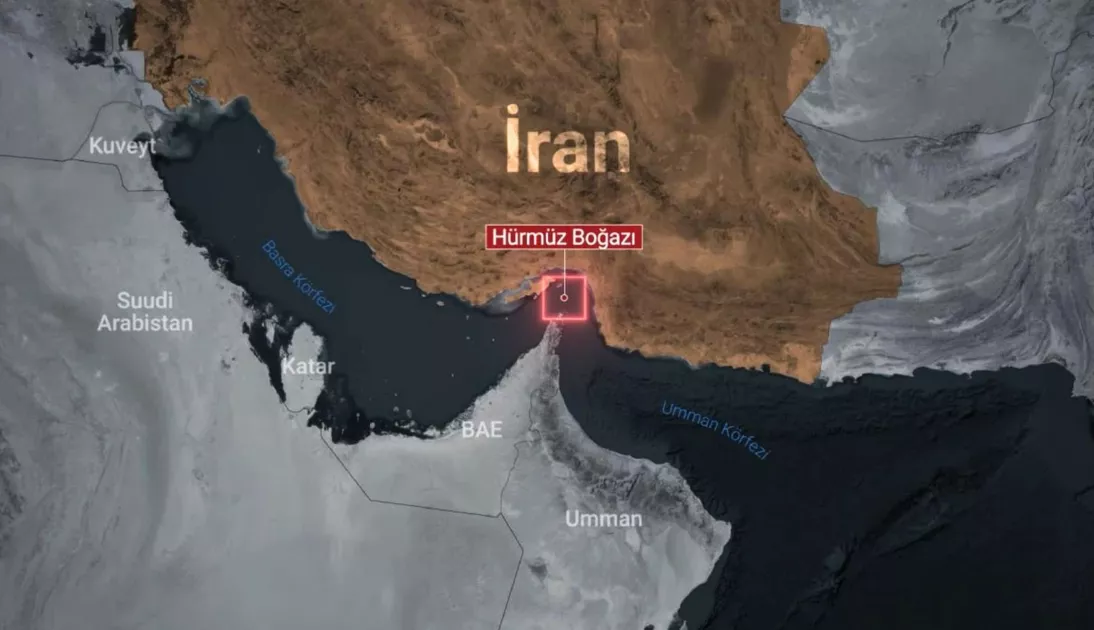
Indeed, the continuation of Gulf states’ efforts to seek diplomatic solutions after the war is noteworthy. The possibility of renewed negotiations between the United States and Iran in September, together with Gulf states’ work on regional security arrangements, indicates an effort to pursue military deterrence and diplomatic engagement simultaneously.
This approach is not based on the assumption that normalizing relations with Iran would eliminate the threat. Diplomacy is viewed primarily as an instrument of risk management.
Arrangements such as advance notification of military exercises, communication mechanisms concerning missile and UAV activity, protocols to prevent maritime accidents, commitments not to target critical civilian infrastructure, and maintaining direct communication channels during periods of crisis could, over time, form the foundation of a broader regional security framework.
Energy and infrastructure are now part of security policy
Another change in the Gulf’s new security approach is that economic resilience is becoming a direct component of military deterrence.
Disruptions in the Strait of Hormuz have increased the strategic importance of shifting energy exports to alternative routes. The fact that the United States is also considering large-scale investment initiatives with its Gulf partners in energy infrastructure that would bypass Hormuz demonstrates that this need is now being addressed at the intersection of security and economic policy.
Alternative oil and gas pipelines, the development of different ports, strategic fuel reserves, backup electricity and water capacity, distributed data centers, and the geographic diversification of critical infrastructure will therefore no longer be viewed solely as economic investments.
Because in future regional wars, the resilience of a country will be measured not only by the number of missiles it possesses, but also by how many days its energy system can continue to operate.
The Gulf’s new security architecture
All these developments point to the emergence of a security architecture in the Gulf that differs from the traditional alliance model.
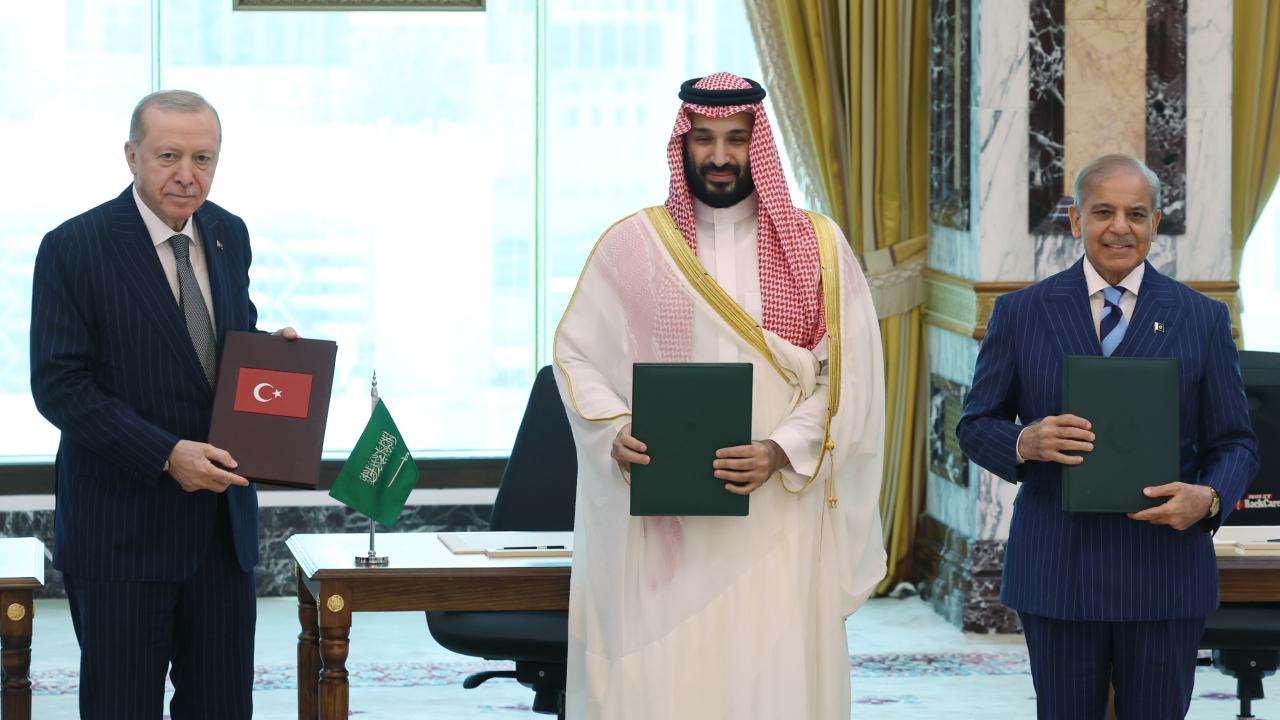
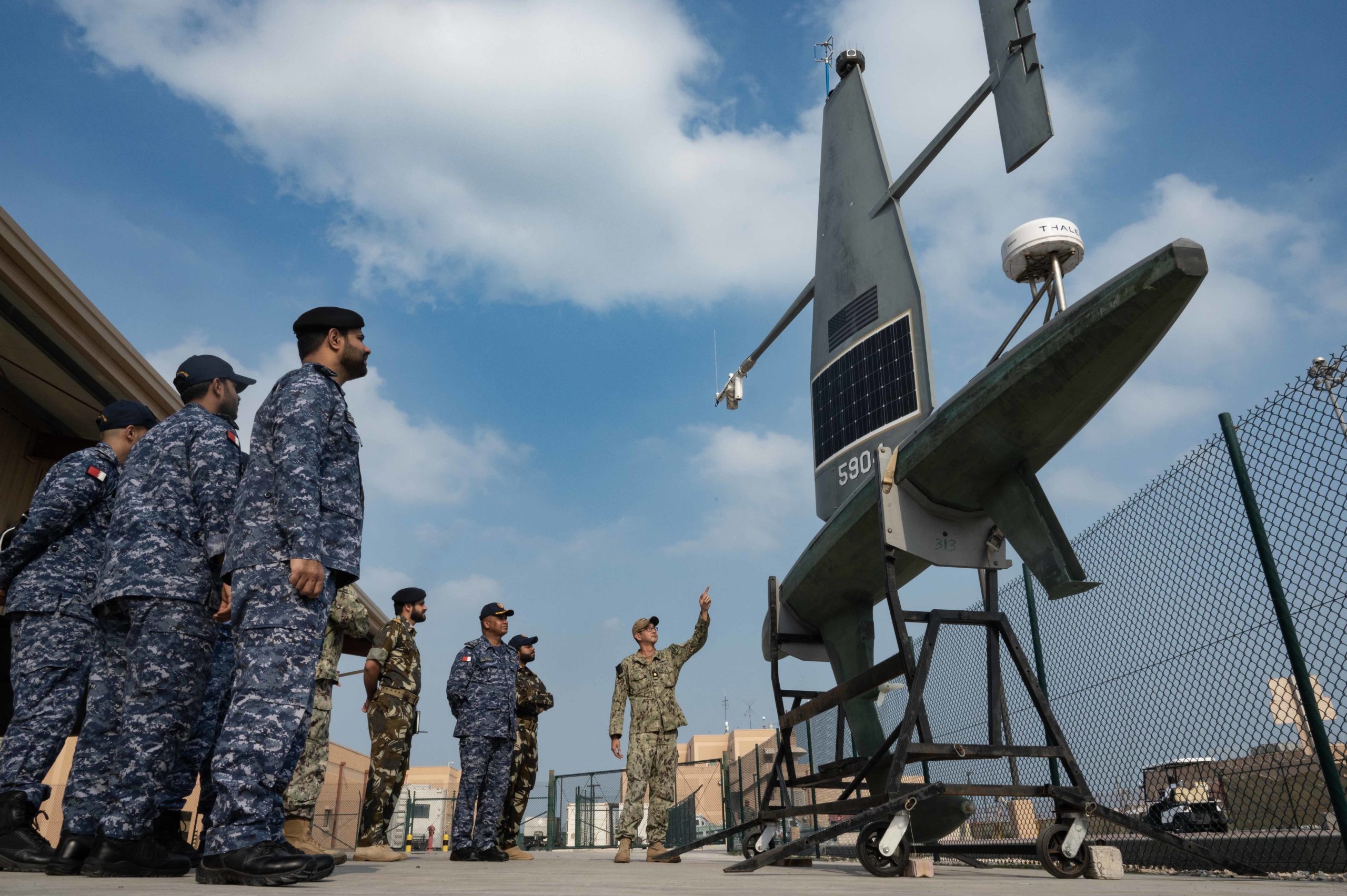
At the first level will be the advanced technology, intelligence, early warning, and strategic deterrence provided by the United States. At the second level, real-time air defense, intelligence sharing, and maritime security coordination among GCC states will develop. At the third level, bilateral or multilateral defense partnerships with Türkiye, Pakistan, European countries, and other regional actors will expand. At the fourth level will be direct communication with Iran and regional crisis-management mechanisms.
This system will not be a conventional collective security order built on trust. Rather, it will be a managed coexistence model based on deterrence, mutual interdependence, communication, and controlled competition.
The central issue shaping the future Gulf security architecture will not be which country replaces another. The real question will be whether Gulf states can strengthen their own defense capabilities while connecting the capabilities offered by different partners.
The Iranian threat may not be completely eliminated. Nor does it appear realistic for another power to fully replace the United States. Gulf states can, however, raise the cost of attacks, reduce their impact, make their critical infrastructure more resilient, and limit uncontrolled escalation by keeping diplomatic channels open.
Therefore, postwar Gulf security will be based neither solely on the American umbrella nor on a completely independent regional defense system. More likely, a multilayered, flexible, and pluralistic security ecosystem will emerge in which different powers and different security mechanisms are used together within the same system.
The greatest test of this model, however, will not be the number of agreements or defense systems, but whether they can actually work together when the next crisis begins.
Source: Times of Defence