


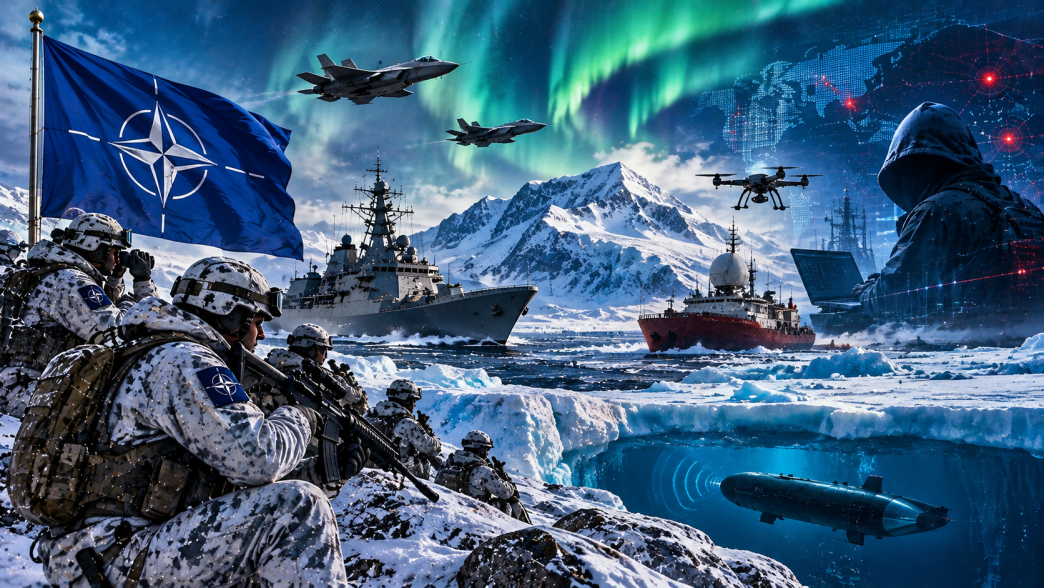
The Arctic, long regarded as a relatively stable region with limited geopolitical tensions compared with other conflict zones, is increasingly losing its exceptional status. The intensifying great-power rivalry following Russia’s war against Ukraine, NATO’s northern enlargement, and growing military and strategic cooperation between Moscow and Beijing have significantly altered the regional security landscape. Once primarily associated with scientific research, environmental cooperation, and economic activities, the Arctic is now emerging as an increasingly important arena of military competition and geopolitical rivalry.
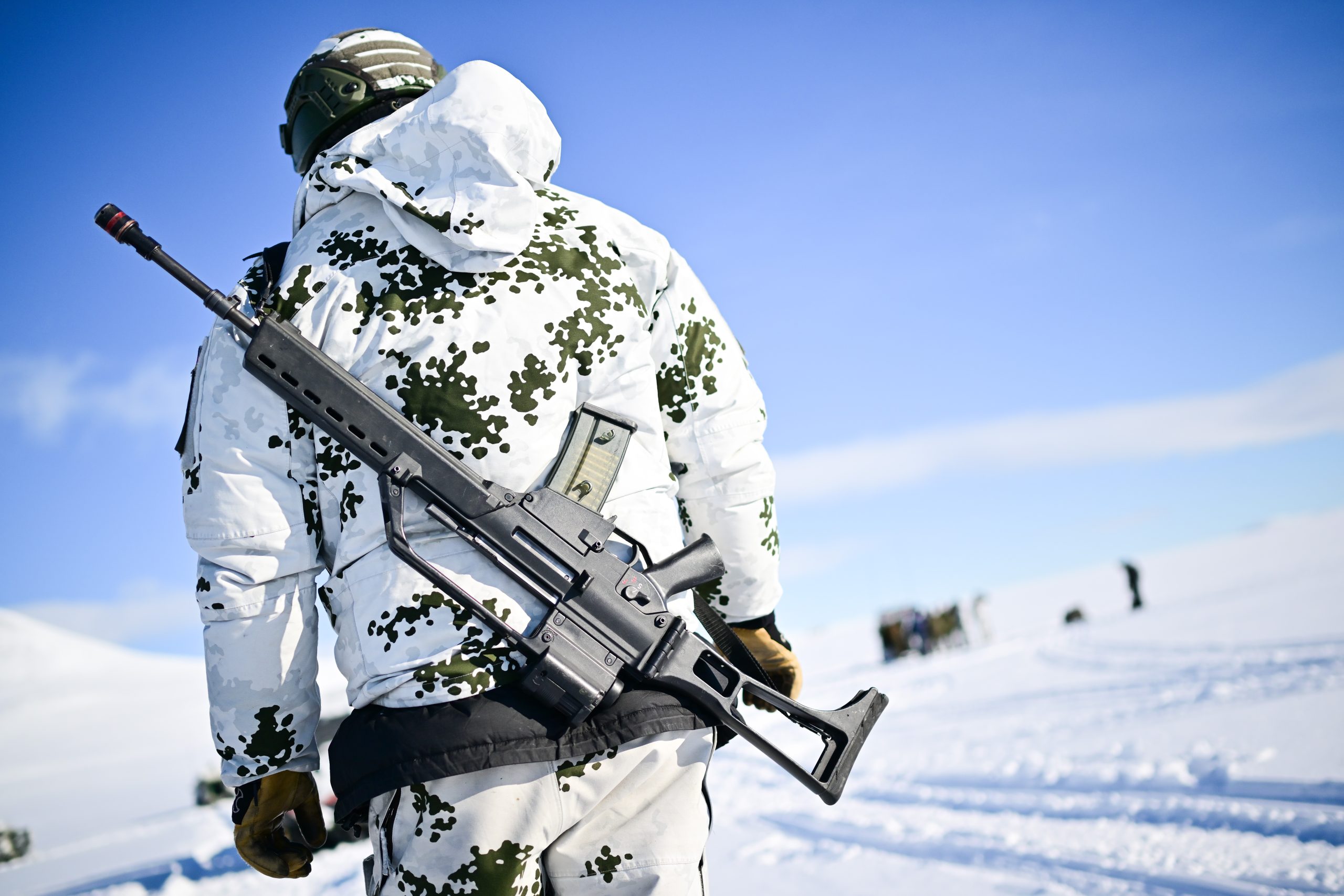
This transformation does not make a direct Russia-NATO conflict inevitable. However, Moscow’s efforts to challenge Western security capabilities without crossing the threshold of conventional warfare represent a growing concern. Cyberattacks, electronic interference, sabotage targeting critical infrastructure, maritime provocations, and information operations are among the instruments Russia could employ. NATO’s challenge, therefore, extends beyond preparing for a conventional military confrontation to developing credible deterrence against hostile activities that are difficult to attribute and deliberately kept below the threshold of war. 
The Arctic’s strategic importance and great-power competition
The growing importance of the Arctic is driven by more than military developments. Melting sea ice caused by climate change is opening previously inaccessible maritime routes, energy resources, and mineral deposits to international competition. Yet greater accessibility does not necessarily translate into greater security. Increased maritime traffic, infrastructure investment, and military activity also create additional risks of accidents, sabotage, and miscalculation.
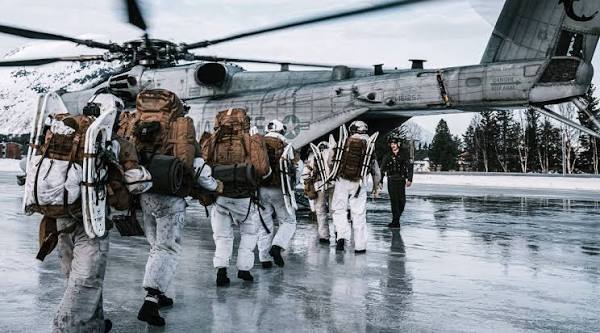
Competition over natural resources, environmental protection, and the rights of indigenous communities adds another dimension. Although these are legitimate concerns, their political exploitation by external actors could deepen divisions among NATO members. Russia’s potential use of environmental sensitivities and disputes over local governance to advance its interests should therefore be considered part of the wider hybrid threat.
Greenland is particularly significant in this context. Located at a strategic crossroads between the North Atlantic and the Arctic, the island is important to the United States because of its missile-warning infrastructure, military positioning opportunities, and critical mineral resources. The security agreement signed by the United States, Denmark, and Greenland in September 2026 reflects this strategic importance. While allowing Washington to expand its military presence, the arrangement also recognizes Danish sovereignty and Greenland’s right to determine its own future. Arctic security is consequently becoming increasingly connected to questions of sovereignty and political legitimacy as well as military capabilities.
Growing strategic cooperation between Russia and China
Another important dimension of the Arctic power struggle is the expanding cooperation between Russia and China. Their growing military, maritime, and economic activities require NATO to reconsider its northern security calculations. Nevertheless, the two countries do not have identical objectives. Moscow prioritizes protecting its sovereignty, military presence, and control over the Northern Sea Route, whereas Beijing seeks greater access to the region’s commercial and economic opportunities.
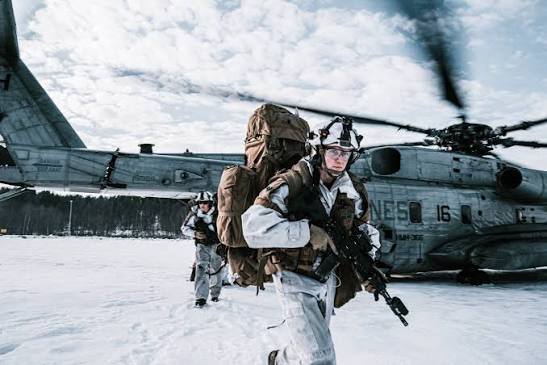
These differences do not diminish the significance of their cooperation. Coordination in areas where their interests overlap creates a more complex security environment for NATO. China’s expanding involvement through scientific research, commercial shipping, and infrastructure investments also makes it increasingly important to distinguish between legitimate economic activities and their potential strategic implications.
Russia’s Arctic strategy remains focused on protecting its nuclear deterrent, maintaining control over the Northern Sea Route, and limiting NATO’s access to sensitive military areas. The Kola Peninsula, bordering Norway and Finland and hosting major Northern Fleet assets and sea-based nuclear capabilities, is central to these objectives.
Finland and Sweden’s accession to NATO has further complicated Moscow’s military calculations in the north. Meanwhile, the war in Ukraine has weakened parts of Russia’s conventional military capabilities, potentially increasing its reliance on asymmetric methods. Russia’s reduced conventional strength should therefore not be interpreted as a decline in the Arctic threat. On the contrary, sabotage, cyber operations, and electronic warfare could become more attractive as the costs of direct military confrontation increase.
Moscow’s interest in diverting Western attention and resources away from Ukraine is another factor. Creating security pressures in other regions could force NATO to distribute its military and political resources across multiple fronts.
Critical infrastructure as a new target of hybrid warfare
Geographical conditions make hybrid threats particularly challenging in the Arctic. Vast distances, extreme weather, limited transportation networks, and insufficient infrastructure complicate both the detection of hostile activities and the repair of damaged facilities. Even relatively small acts of sabotage could therefore produce significant military and economic consequences.
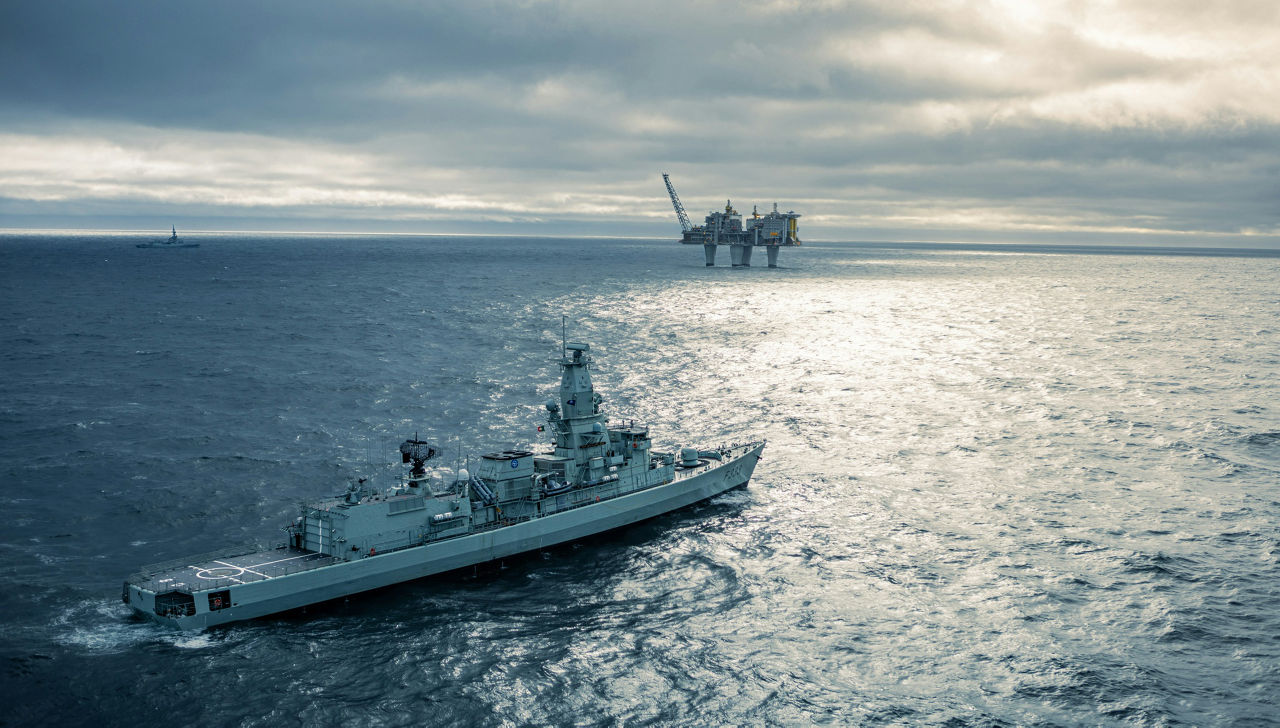
Undersea communication cables, energy connections, and data transmission systems are particularly vulnerable. An incident in September 2026, when NATO forces reportedly disrupted a covert Russian operation linked to GUGI, Moscow’s specialized deep-sea directorate, near Svalbard, demonstrated the seriousness of these risks. NATO vessels confronted the operation before any reported damage occurred. The incident nevertheless highlighted how critical communication infrastructure could become an instrument of strategic pressure without triggering an open military confrontation.
The threat also extends to ports, fuel depots, power plants, airports, and logistics facilities. Arson, physical sabotage, and cyberattacks against these sites could disrupt civilian services while undermining NATO’s ability to reinforce its northern positions. The involvement of proxy actors would make attribution more difficult and potentially delay an allied response.
Electronic warfare presents similar challenges. GPS jamming and spoofing, disruptions to satellite communications, and cyberattacks could affect both civilian transportation and military operations. Russia could also adapt tactics previously employed along NATO’s eastern flank, including drone incursions into allied airspace, to test northern surveillance systems, response times, and political resolve.
Research vessels, fishing boats, and commercial maritime platforms also deserve attention. Scientific or commercial activities could provide opportunities to monitor sensitive facilities, examine undersea infrastructure, or prepare for future sabotage operations. Civilian maritime activity in the Arctic must therefore be assessed with its potential security implications in mind.
Svalbard and Norway’s sovereignty challenge
Svalbard represents one of the most sensitive areas of Arctic hybrid competition. The Norwegian archipelago’s geographical position and legal status provide Moscow with opportunities to apply political pressure. Through historical narratives, information operations, maritime activities, and legal ambiguities, the Kremlin can seek to challenge Norwegian authority in the region.
Svalbard’s significance extends beyond its geographical location. The archipelago occupies an important position within the wider security relationship between the North Atlantic and the Arctic. Any crisis there could affect not only Norwegian sovereignty but also NATO’s freedom of movement and deterrence capabilities in the north. Developments around Svalbard should therefore be understood as part of a broader regional security challenge rather than an isolated territorial dispute.
Baltic and Arctic security are increasingly interconnected
The security challenges emerging in the Arctic cannot be separated from NATO’s defence planning in the Baltic region. Reinforcement routes across the North Atlantic, Russia’s northern military posture, and the defence of the Baltic states are interconnected elements of the same strategic environment. Strengthening deterrence in the Baltic region and protecting critical transportation and communication infrastructure in the Arctic are increasingly becoming parts of a common security objective.
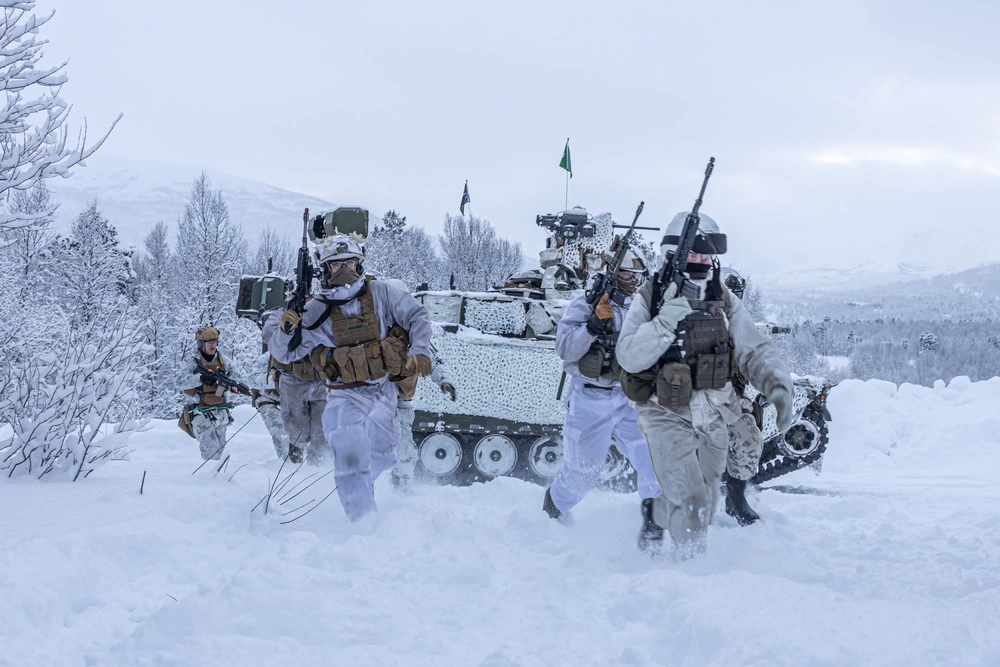
For the Baltic states in particular, a crisis in the north cannot be treated as a distant regional development. Russia’s northern military presence, North Atlantic reinforcement routes, and NATO’s eastern flank are closely connected. Disruptions to logistics or communications in one area could consequently undermine military mobility elsewhere.
NATO will therefore need more than additional troops and weapons systems. Effective defence against hybrid threats requires early detection, resilient infrastructure, and the ability to respond rapidly. Arctic-capable uncrewed systems could significantly improve surveillance across vast geographical areas. Combined with satellite networks, unmanned aerial and maritime platforms could help identify suspicious activities around critical infrastructure at an earlier stage.
Cooperation between governments and private operators is equally important for protecting undersea cables, satellite ground stations, energy networks, and logistics facilities. Alternative communication systems, backup power supplies, and rapid repair capabilities would help limit the consequences of potential attacks. NATO exercises should also address scenarios involving simultaneous physical sabotage, cyber operations, and electronic interference rather than focusing exclusively on conventional military threats.
NATO’s deterrence and political decision-making
Military preparedness alone will not determine the outcome of the Arctic security challenge. Political resolve is equally essential. NATO members need faster intelligence sharing, coordinated threat assessments, and previously agreed response mechanisms for potential crises. One of the main advantages of hybrid warfare is its ability to create uncertainty over how targeted countries should respond.
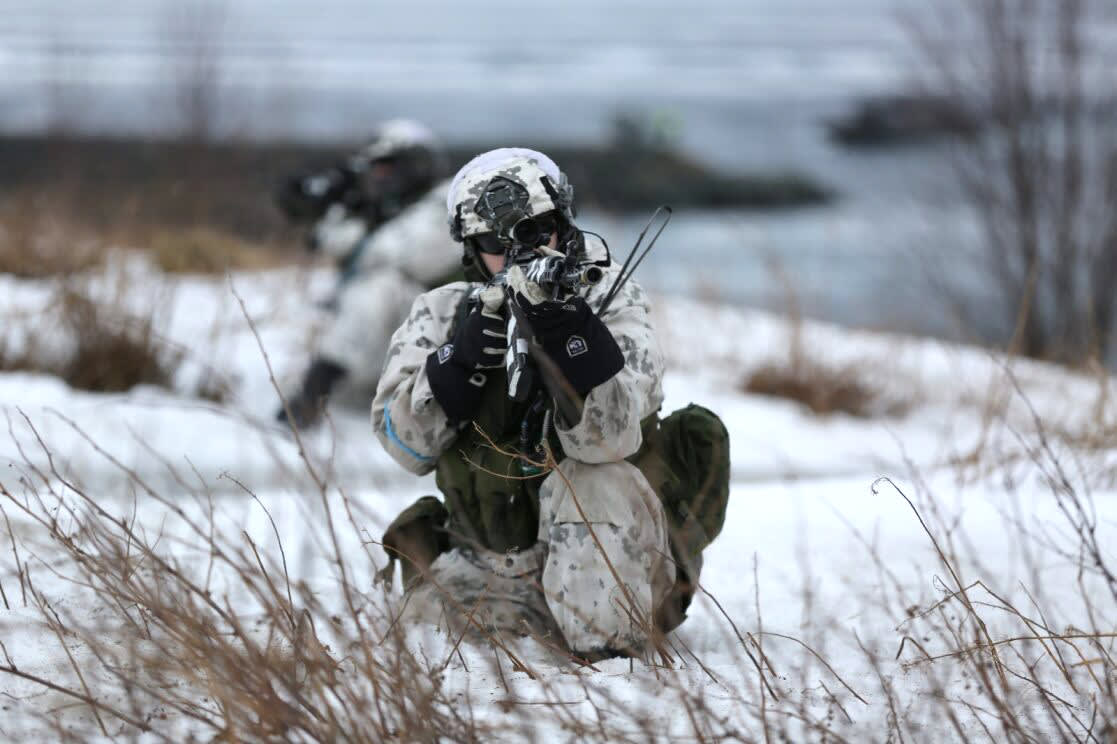
Reducing this uncertainty requires an integrated approach combining diplomatic, economic, legal, cyber, and military instruments. NATO does not necessarily need to respond to every provocation with direct military force. However, it must also prevent the perception that hostile activities can be conducted without consequences. Credible deterrence depends not only on the ability to prevent attacks but also on demonstrating the political determination to impose costs on those responsible.
The nuclear dimension makes this particularly sensitive. The Arctic hosts a significant part of Russia’s strategic nuclear capabilities. Consequently, an attack on communication cables, satellite systems, or military facilities could be interpreted by Moscow as something more serious than conventional sabotage. A disruption near strategic nuclear forces could potentially be mistaken for preparations for a broader military attack, increasing the danger of miscalculation and escalation.
NATO must therefore strengthen crisis communication, maintain mechanisms to prevent military activities from being misinterpreted, and account for nuclear escalation risks in its operational planning. Preventing an uncontrolled escalation is just as important as maintaining credible deterrence in the region.
NATO’s next test in the Arctic
NATO’s 2026 resilience requirements underline the importance of addressing vulnerabilities across energy, communications, transportation, and logistics infrastructure. However, identifying these weaknesses is not enough. The alliance must also determine whether it could maintain military operations and reinforcement capabilities if several critical facilities were disrupted simultaneously.
Satellite services and ground stations, access to critical infrastructure, ports, airports, and fuel facilities supporting northern military deployments should be among the immediate priorities. NATO needs to assess how Russian surveillance activities and China’s commercial and scientific presence could expose vulnerabilities in these systems. Joint contingency plans should establish how allied forces could maintain operational continuity if multiple strategic facilities became unavailable at the same time.
The experience of the Baltic states and Central and Eastern Europe demonstrates that identifying hybrid threats does not automatically create deterrence. What ultimately matters is the ability to deliver a timely and coordinated response. Russia’s efforts to challenge NATO’s decision-making processes through activities below the threshold of conventional warfare will remain one of the alliance’s defining security challenges.
The changing Arctic security environment demonstrates that NATO can no longer approach northern defence as an isolated regional issue. Russia’s nuclear deterrent, China’s expanding presence, vulnerable critical infrastructure, and the strategic connection between the Baltic and North Atlantic are transforming the region into a major arena of global competition.
NATO’s fundamental challenge is to move beyond simply absorbing the consequences of hybrid attacks and establish a deterrence framework that changes the cost calculations of those responsible. If the alliance allows the threshold between peace and war to become a shield against consequences, Moscow will continue to exploit that ambiguity. Lasting security in the Arctic will ultimately depend not only on NATO’s military presence but also on its political cohesion, collective readiness, and determination to counter hybrid threats.

