

The struggle around the Strait of Hormuz has attracted all the attention in terms of global energy security and the world economy. However, the Red Sea and Bab el-Mandeb corridor, which has remained in the shadow of the crisis in the Persian Gulf, is also becoming a strategic area of conflict at least as critical as Hormuz.
Because the developments taking place here are not merely a matter of regional rivalry between Yemen, Saudi Arabia, the Horn of Africa, or Israel. The intersecting interests of great powers, regional actors, middle-sized states, and non-state armed groups in the same geography are increasingly turning the Red Sea into one of the centers of the global power struggle. 
Today, the Red Sea represents much more than a maritime corridor through which global trade passes. This area, where energy flows, container shipping, undersea internet cables, military bases, and regional power projects intersect, constitutes one of the most visible examples of the fragmentation taking place in the international system.
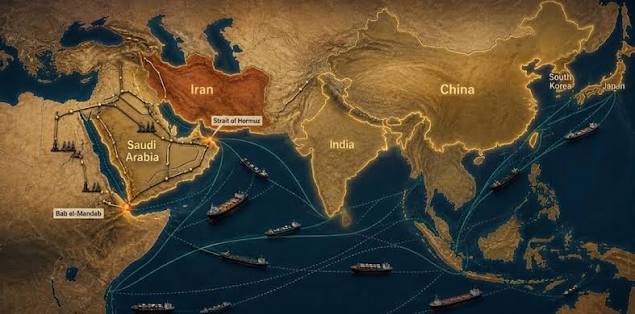
Bab el-Mandeb, the southern gateway of the Suez Canal connecting Asia and Europe, is also one of the most critical passage points between the Indian Ocean and the Mediterranean. Under normal circumstances, approximately 30 percent of global container traffic passes through this route, while millions of barrels of oil transported by sea reach global markets through the Red Sea. In addition, undersea fiber-optic cables carrying a significant portion of internet and data traffic between Europe and Asia also pass through this seabed.
Therefore, a prolonged security crisis that may emerge in the Red Sea would not only lead ships to change their routes; it would directly affect many areas of the global economy, from energy prices to supply chains, from digital communications to insurance costs.
Why is the Red Sea becoming a global front?
Geography lies at the heart of the Red Sea’s strategic importance. On one side are the Arabian Peninsula and the Persian Gulf, while on the other are the Horn of Africa and East Africa. This narrow maritime corridor stretching between these two regions brings together crises that may appear geopolitically distant from one another within the same security equation.
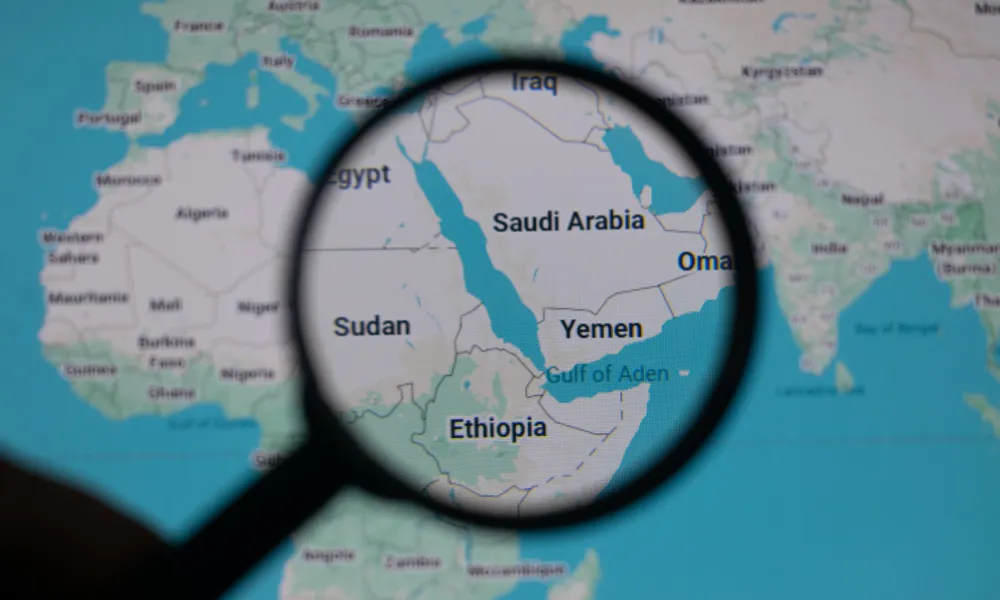
For this reason, the war in Yemen, the civil war in Sudan, tensions between Ethiopia and Eritrea, instability in Somalia, the Saudi Arabia-Iran rivalry, and Israel’s regional security policies can no longer be assessed independently of one another.
Especially with the Houthis beginning to target commercial vessels in the Red Sea alongside missile and unmanned aerial vehicle attacks against Israel after October 7, 2023, geopolitical competition in the region was directly brought to the center of global trade.
This process clearly demonstrated how maritime trade routes can become strategic weapons for states and non-state actors. The ability of an actor to threaten a critical maritime passage without possessing a major navy is one of the important indicators of how the balance of power in the 21st century is changing.
Hormuz and Bab el-Mandeb are becoming interconnected
It is no longer possible to assess developments in the Red Sea independently of the Strait of Hormuz.
The closure of Hormuz or its coming under serious threat directly affects the flow of energy emerging from the Persian Gulf. Instability in Bab el-Mandeb, meanwhile, makes it more difficult for the same energy and trade between Asia and Europe to reach global markets.
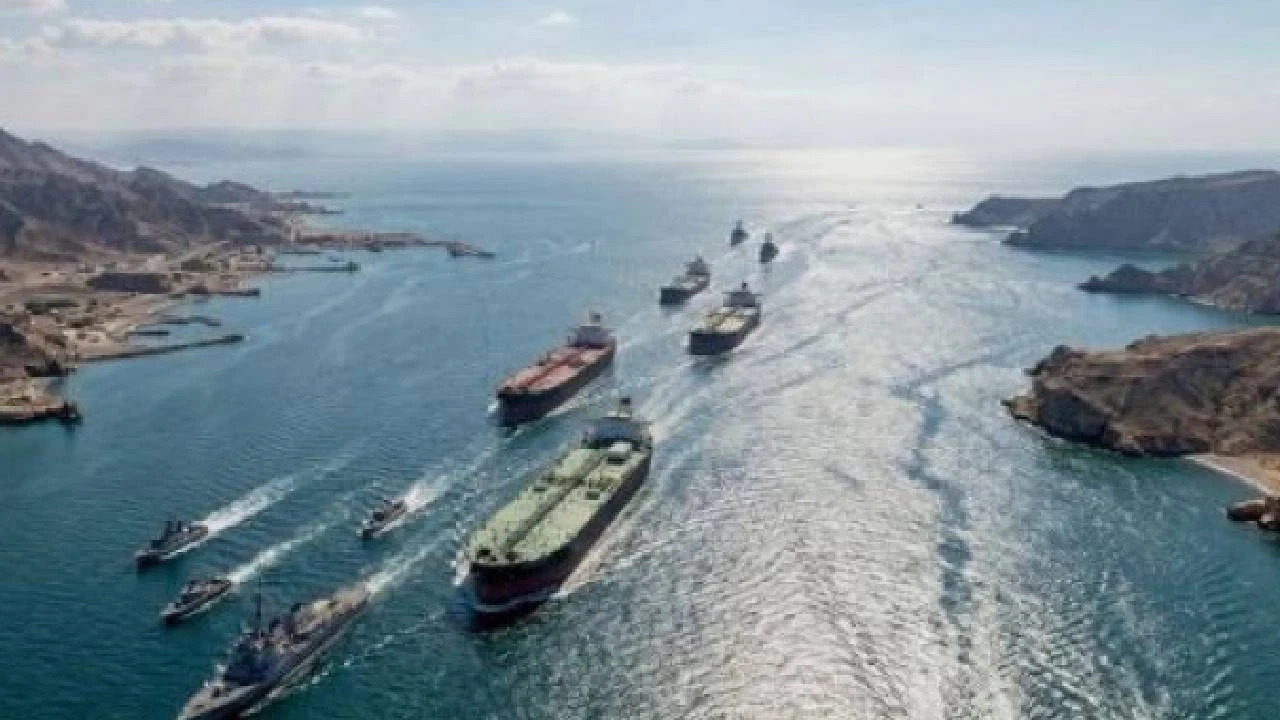
If these two straits come under crisis at the same time, the risks facing the global economy will increase exponentially.
Therefore, the Red Sea is becoming the complementary front of the Hormuz crisis. In other words, the global economy is now dependent not only on where oil is produced, but also on through which maritime passages it can be transported safely.
This situation makes control of maritime routes one of the most important areas of struggle in 21st-century geopolitics.
The Houthis are transforming from a regional actor into a strategic actor
The activities of the Houthis in Yemen in the Red Sea are noteworthy in terms of demonstrating the level of influence that non-state actors have reached over the global system.
Thanks to their missile and unmanned aerial vehicle capabilities, the Houthis are not only affecting military balances within Yemen. By threatening trade routes in the Red Sea, they can also affect the economic connection between Europe and Asia.
This situation demonstrates that military power can no longer be measured solely by the number of tanks, aircraft, or warships.
When low-cost unmanned systems and tools such as ballistic or cruise missiles reach the capacity to threaten strategically important maritime routes, even an actor with relatively limited resources can alter the calculations of states much more powerful than itself.
The fact that Saudi Arabia’s energy infrastructure and export capacity have become targets is therefore not merely a security problem originating from Yemen. From Riyadh’s perspective, the issue is directly linked to the security of alternative routes for the country’s energy exports and its economic sovereignty.
A new security equation for Saudi Arabia
The threat facing Saudi Arabia is no longer limited solely to Iran’s regional influence. The Houthis in Yemen, maritime security in the Red Sea, Iran’s regional partners, developments in Sudan, and the power struggle in the Horn of Africa have become interconnected.
Especially in an environment where Hormuz has become contested, the strategic importance of alternative energy export centers such as the Red Sea and Yanbu is increasing further. Therefore, for Saudi Arabia, the security of the Red Sea is no longer merely a foreign policy issue but has become a matter of national security and economic sustainability.
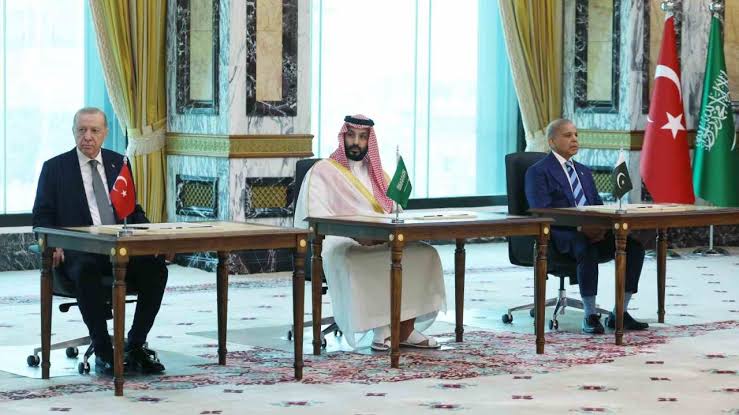
Riyadh’s efforts to diversify its security relations not only with the United States but also with China, Pakistan, Türkiye, the United Kingdom, France, and other actors can also be interpreted as a result of this new approach.
A broader transformation is visible here: Gulf countries are no longer trying to guarantee their security solely under Washington’s military umbrella; instead, they are seeking to distribute their strategic risks by simultaneously developing relations with different centers of power.
This situation shows that the single-centered understanding of security in the global system is weakening and that multi-partner security models are coming to the forefront.
A second crisis belt in the Horn of Africa
Developments on the western coast of the Red Sea are also making the picture in the region more complicated.
The possibility of renewed activity in the Tigray war in Ethiopia, tensions with Eritrea, the civil war in Sudan, and Egypt’s regional security calculations are once again turning the Horn of Africa into a belt of instability.
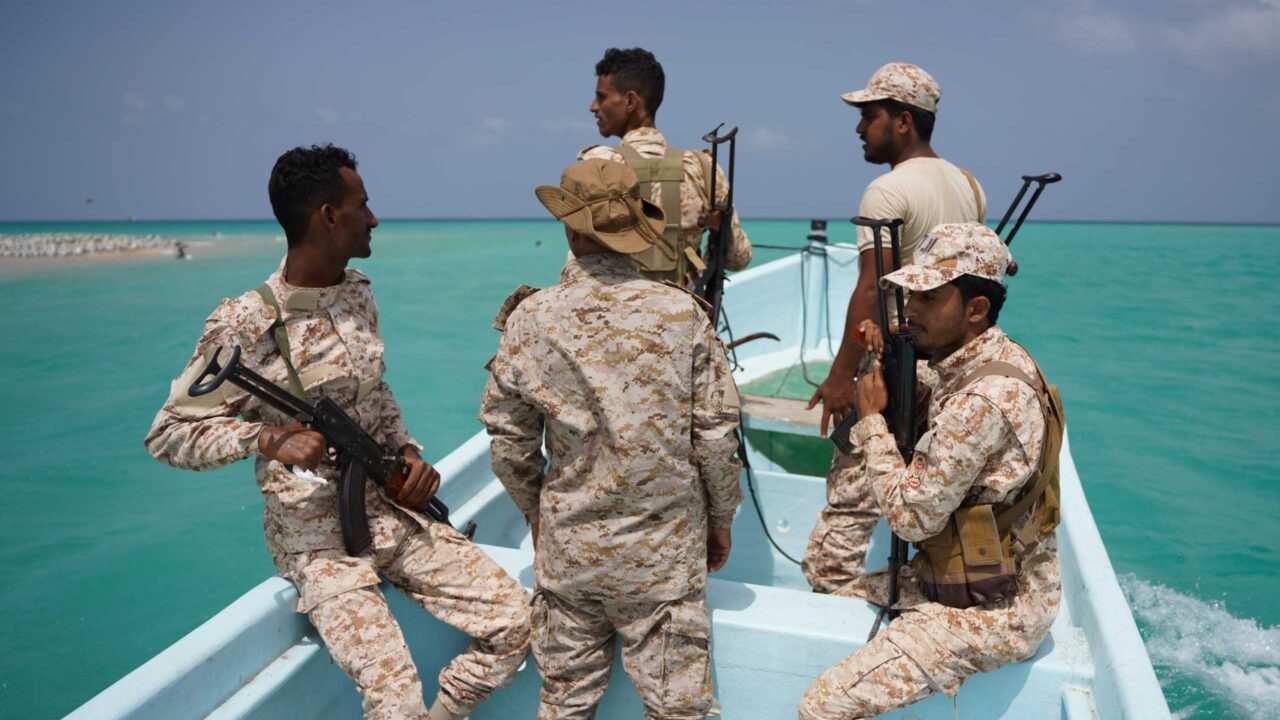
The prolongation of the war in Sudan through the intervention of different external actors demonstrates that the conflict is not merely an internal struggle for power. Sudan’s location on the Red Sea coast, its ports, and transportation routes opening toward the interior of Africa are also turning the country into an area of geopolitical competition.
Developments around Port Sudan can therefore affect not only Sudan’s future but also military and commercial balances in the Red Sea.
If tensions between Ethiopia and Eritrea rise again, a new security front could emerge along the western coast of the Red Sea.
When the threat posed by al-Shabaab in Somalia and the Somaliland issue are added to this picture, a broad belt of instability emerges stretching from Bab el-Mandeb to the interior of Africa.
Djibouti and Somaliland at the center of the rivalry
Djibouti, located at the intersection of the Red Sea and the Gulf of Aden, has extraordinary importance in global geopolitics despite its small size.
Djibouti, which hosts military presences belonging to the United States, China, France, and other countries, is home to one of the world’s most important clusters of military bases.
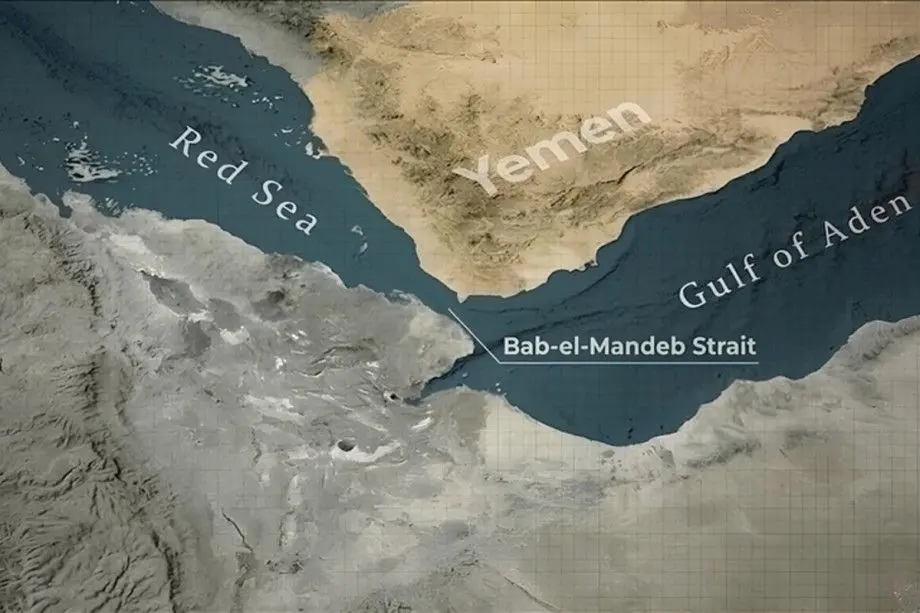
The reason for this is simple: proximity to Bab el-Mandeb.
China’s establishment of its first overseas military base here was an important part of Beijing’s strategy to establish itself in Africa and the Middle East not only as an economic power but also as a maritime power.
However, competition in the region is no longer limited to Djibouti. Somaliland’s status, ports, and access to the Red Sea are attracting the attention of different actors.
Recognition of Somaliland’s independence or new agreements concerning military use in the region could once again bring the issue of Somalia’s territorial integrity onto the international security agenda.
This situation is also important for Türkiye.
Türkiye’s rising role in the Red Sea equation
Türkiye’s policy toward the Horn of Africa and the Red Sea region has increasingly taken on a strategic character in recent years. Ankara’s defense and security relations with Somalia, its longstanding connections with Sudan, its security partnership with Qatar, and its growing diplomatic contacts with countries in the region provide Türkiye with significant room for maneuver in the Red Sea equation.
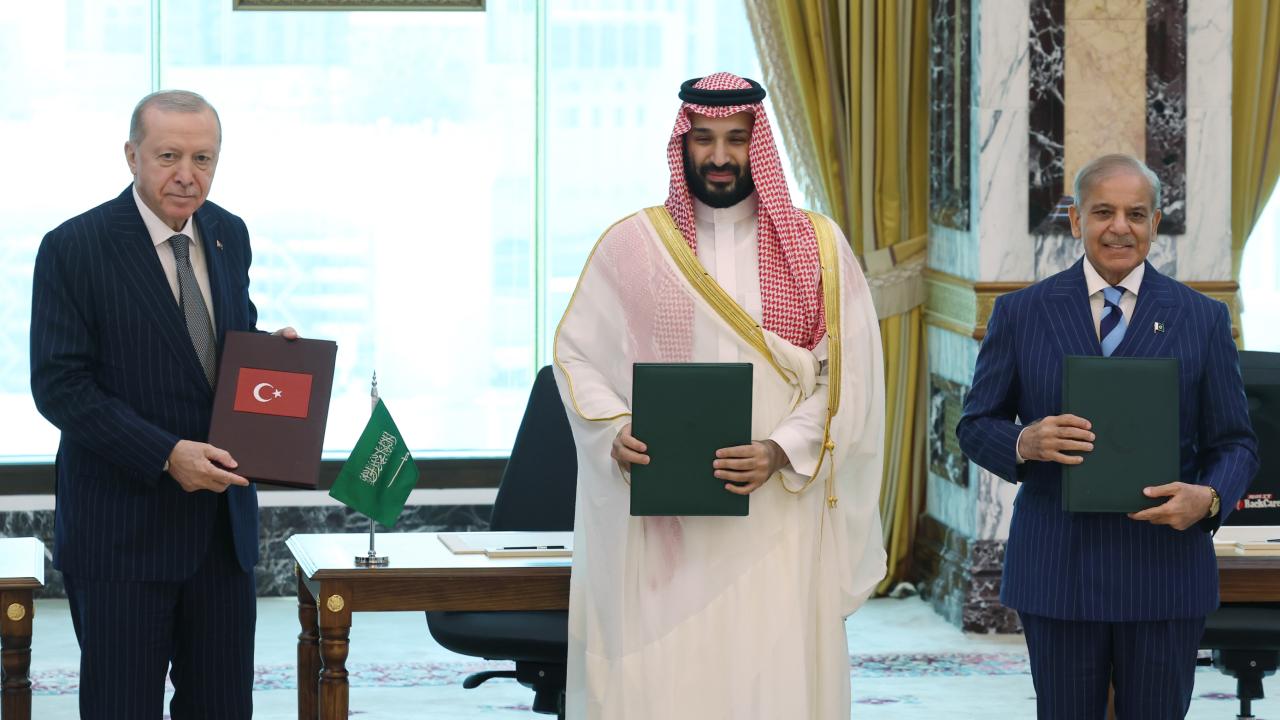
Türkiye’s military training and security capacity in Somalia demonstrate that Ankara is not merely an actor developing bilateral relations, but has also become part of the regional security architecture.
This is particularly important in terms of the geopolitical connection between the Red Sea and the Eastern Mediterranean. Because for Türkiye, developments in the Red Sea are not a distant African issue. The Suez Canal, the Eastern Mediterranean, the Gulf of Aden, the Indian Ocean, and the Persian Gulf are all parts of the same trade and energy chain.
The growing presence of Türkiye in the region could enable Ankara to have a greater say regarding the security of maritime routes, energy transportation, and strategic connections between Africa and the Middle East.
At this point, Türkiye’s multilateral foreign policy approach also constitutes an advantage. Ankara’s ability to develop relations simultaneously with Gulf countries, Pakistan, African countries, Europe, and Asian powers provides significant diplomatic flexibility in a multi-actor region such as the Red Sea.
The Israel-Somaliland axis could create a new rivalry
Israel’s development of relations with Somaliland is also one of the new dimensions of the power struggle in the Red Sea.
Somaliland’s strategic location is important for actors seeking to monitor the activities of the Houthis in Yemen or intervene in developments around Bab el-Mandeb.
However, this situation could also bring regional competition between Türkiye and Israel into the Horn of Africa.
The potential geopolitical divergence between Türkiye’s approach supporting Somalia’s territorial integrity and Israel’s development of relations with Somaliland could turn the Red Sea into one of the new arenas of Ankara-Tel Aviv competition.
Therefore, developments in the Red Sea should not be read solely through relations among Arab countries, Yemen, and African states. Competition between Türkiye and Israel is also increasingly becoming part of the security equation in this geography.
Iran’s Red Sea strategy
For Iran, the Red Sea is important in terms of increasing pressure on Saudi Arabia and Israel from different fronts.
The network created by Tehran through regional proxy and partner actors creates a broad strategic area stretching from the Persian Gulf to the Red Sea.
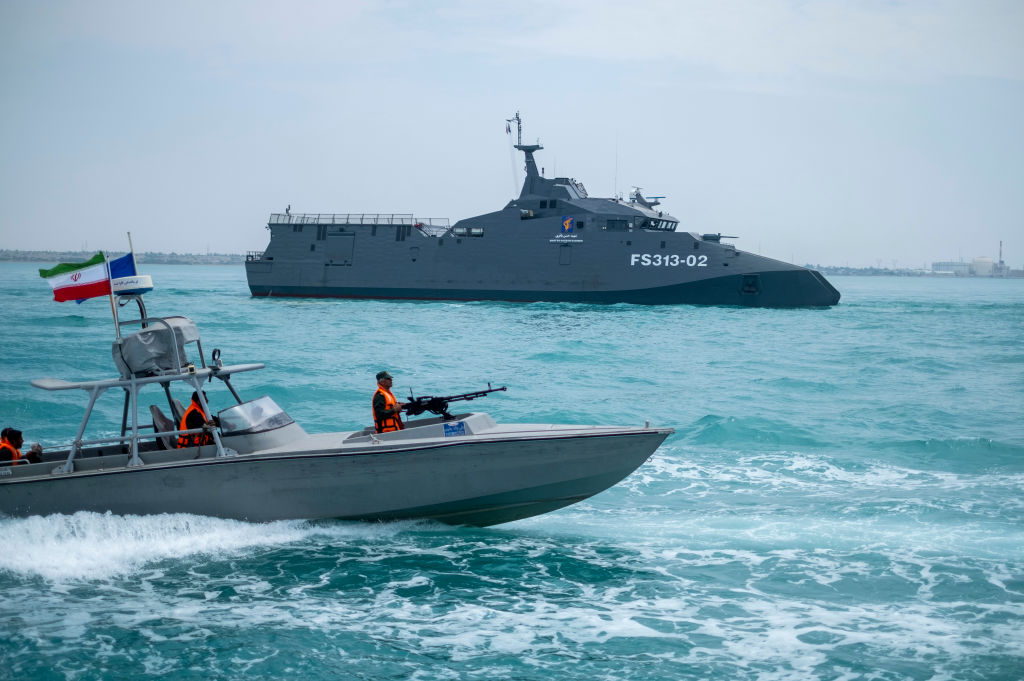
The development of the Houthis’ missile and unmanned aerial vehicle capabilities enables Iran to influence maritime traffic in the Red Sea without needing a direct naval force.
This also demonstrates that Iran’s regional deterrence is not limited to its own borders or the Persian Gulf.
Rather than directly controlling the Red Sea, Iran’s objective may be to make the security of this corridor costly for other actors and to retain the capacity to create pressure on global trade when necessary.
Saudi Arabia and the UAE’s rivalry moves into Africa
One of the most important rivalries in the Red Sea is the struggle for influence between Saudi Arabia and the United Arab Emirates.
Although both countries are seriously concerned about Iran’s regional influence, their economic, political, and military interests in Africa do not always overlap.
Sudan is one of the most important examples of this.
Competition over ports, mineral resources, agricultural land, energy routes, and logistics centers is shaping the Gulf countries’ policies toward Africa.
This situation demonstrates that the Red Sea is no longer merely a maritime security issue. Control of ports and coastal areas in the region carries strategic value not only for energy and trade networks but also for access to Africa’s interior regions.
Russia and China are changing the equation
Russia’s search for maritime access in Sudan is also increasing the importance of the Red Sea in global power competition.
For Moscow, gaining access to the Red Sea could create strategic room for maneuver between the Mediterranean, Africa, the Middle East, and the Indian Ocean.
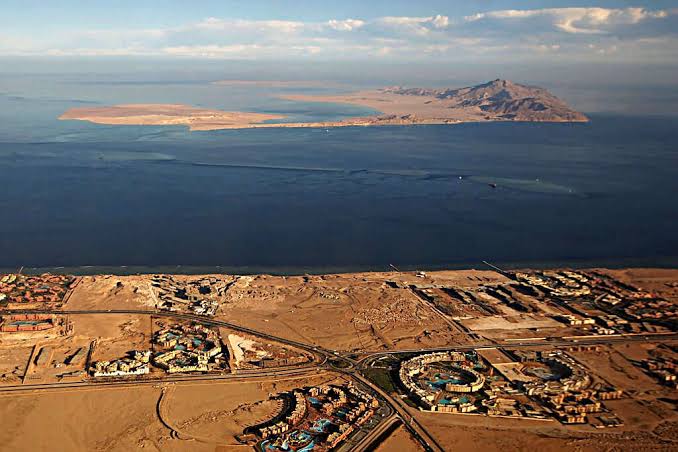
China, meanwhile, is following a different approach. Beijing uses economic investments, infrastructure projects, ports, and military capabilities as complementary instruments.
The Chinese base in Djibouti is one of the most concrete indicators of this strategy. For Beijing, the Red Sea is also important for the security of the maritime routes of the Belt and Road Initiative.
The United States, meanwhile, has maintained a military presence in the region for many years. However, the reshaping of Washington’s role in the Middle East and the fact that the United States has to deal simultaneously with crises in Europe, the Indo-Pacific, and the Middle East are encouraging regional actors to seek greater strategic autonomy.
Therefore, the Red Sea is not an area where U.S. global leadership has completely disappeared; however, it is becoming an area where the United States can no longer determine the rules on its own.
Maritime passages are becoming new geopolitical weapons
Developments in the Red Sea are part of a broader global trend.
The U.S.-Iran struggle in the Strait of Hormuz, the Houthis in the Red Sea, China’s claims in the South China Sea, and Russia’s efforts to establish dominance over the Northern Sea Route all point to the same fundamental reality: control of maritime passages is once again becoming central to great-power competition.
Because a large portion of global trade depends on maritime routes, strategic straits are becoming not merely geographic passage points but instruments of economic and political pressure.
The ability of non-state actors as well as states to threaten these passages makes the system more complicated.
While controlling a maritime route in the past required a powerful navy, today unmanned aerial vehicles, cruise missiles, ballistic missiles, mines, and electronic warfare systems can create similar strategic pressure at lower costs.
This makes it necessary to redefine the concept of sea power.
The Red Sea as a rehearsal for the future global order
The developments taking place in the Red Sea are actually a small-scale model of a larger transformation.
A new world order is emerging in which the unipolar dominance of the United States is weakening, major powers such as China and Russia are pursuing more assertive policies, and middle powers such as Türkiye, Saudi Arabia, the UAE, Iran, Pakistan, and others are attempting to expand their own strategic spheres.
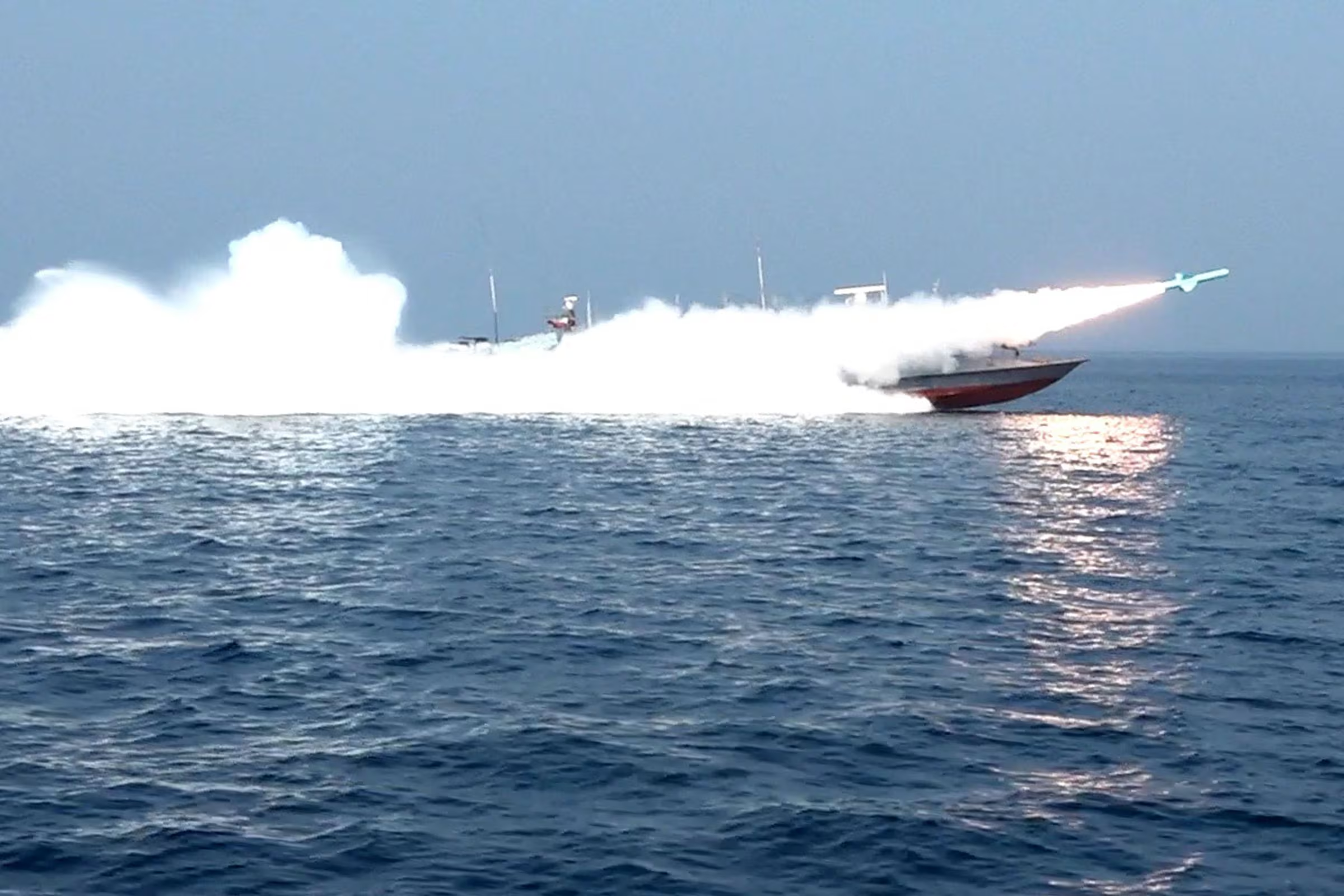
In this environment, non-state actors are also much stronger than they were in the past.
The proliferation of missile and drone technologies enables even a small organization to exert pressure on global trade. Therefore, power in the geopolitics of the future will not be concentrated solely in the hands of states.
For this reason, managing the international system is becoming increasingly difficult. Alliances are more fluid, threats are more dispersed, and the likelihood of crises becoming interconnected is higher.
The Red Sea is one of the clearest examples of this new order.
Conclusion: The crisis in the Red Sea tells the story of the global system
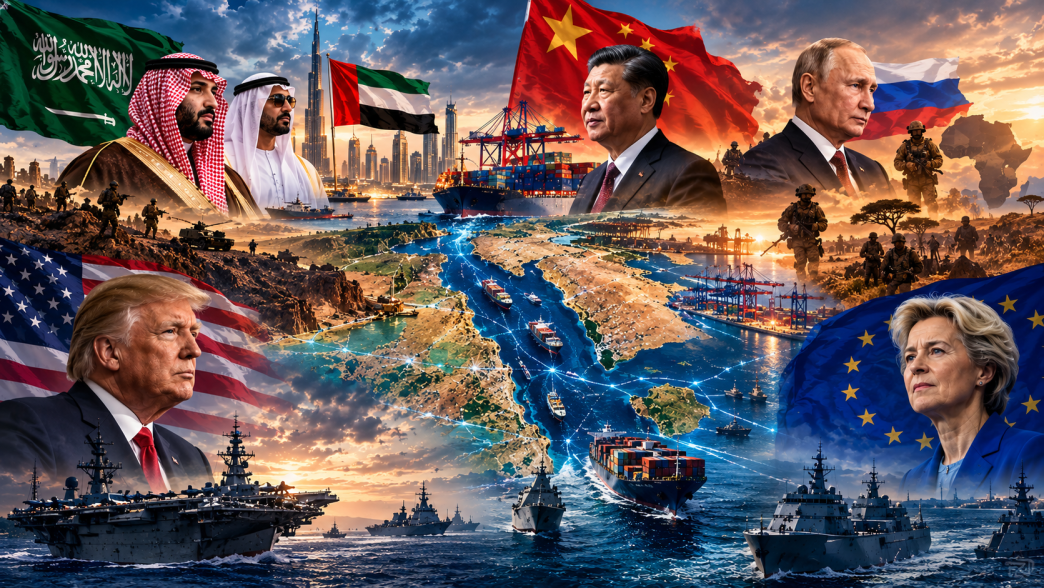
The struggle in the Red Sea should not be seen merely as a conflict between the Houthis in Yemen and Saudi Arabia. Iran’s regional strategy, Israel’s security efforts, the rivalry between Saudi Arabia and the UAE, Türkiye’s rising role in Africa and the Middle East, China’s presence along maritime routes, Russia’s objectives in Africa and the Red Sea, the changing U.S. policy in the Middle East, and Europe’s maritime security interests all intersect here at the same time.
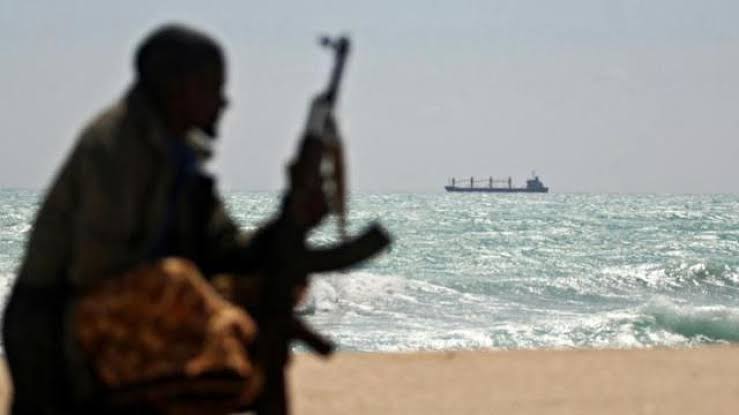
Therefore, the Red Sea is becoming an important geopolitical indicator for monitoring the transformation in the distribution of power within the global system.
While the crisis in Hormuz reveals the vulnerability of energy security, the crisis in the Red Sea demonstrates how vulnerable trade routes and global supply chains are.
More importantly, developments in the two regions reinforce one another.
A world in which Hormuz and Bab el-Mandeb are under threat simultaneously reveals how dependent the global economy is on a few strategic maritime passages. Therefore, the power struggle of the future will take place not only on land or in the air, but also over maritime routes, ports, energy corridors, data cables, and narrow straits.
In this sense, developments in the Red Sea offer a preview of the future global order: a fragmented world in which more actors seek power in more areas, alliances are constantly changing, non-state structures can create strategic influence, and the economic system is becoming increasingly dependent on security problems at critical points of passage.
In this new era, actors capable of controlling maritime routes, energy corridors, and strategic passage points will gain a geopolitical weight far beyond their military capabilities.
The most important message conveyed by the Red Sea is precisely this: geography is returning in the power struggle of the 21st century, and narrow straits are becoming one of the greatest levers of global politics.