


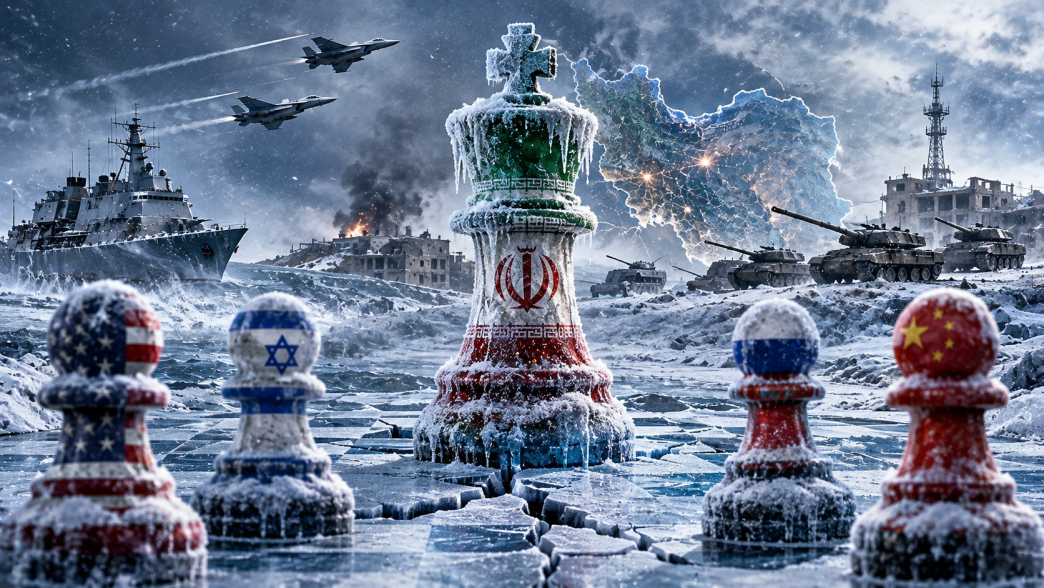
The war that began with US and Israeli attacks on Iran in February 2026 has yet to reach a lasting resolution, despite the passage of several months. The failure of diplomatic efforts between Washington and Tehran suggests that the conflict is entering a new phase characterized not by a return to full-scale warfare, but by controlled and persistent tensions. Recent statements by US President Donald Trump also indicate that Washington is in no hurry to bring the war to an end.
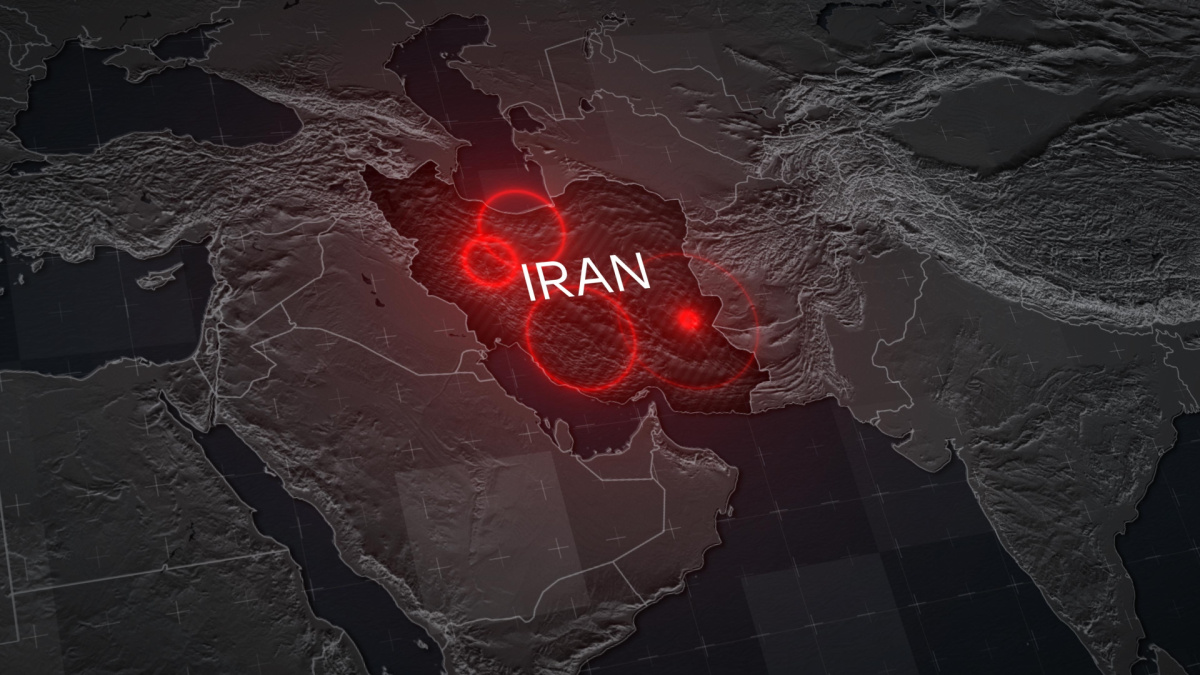
While Trump has argued that the war is largely over from a military standpoint, he has also warned that attacks could resume if diplomatic efforts fail. This approach has created uncertainty over the strategy the US administration intends to pursue toward Iran. In particular, the Republican Party’s heavy losses in the November 3 midterm elections and the economic costs of the war are making it increasingly difficult for the Trump administration to embark on another military campaign. 
However, ending the war under the current circumstances does not appear politically easy for Washington either. Iran’s continued influence over the Strait of Hormuz and the survival of the government in Tehran could be interpreted as evidence that the United States has failed to achieve its war objectives. The result is an impasse in which neither side is willing to continue a full-scale war nor prepared to reach an agreement under the existing conditions.
The Strait of Hormuz is becoming a new front line
While airstrikes and the destruction of military targets dominated the initial phase of the war, the centre of gravity has now shifted toward economic pressure, naval blockades and energy security. The US continuation of its naval blockade against Iranian ports, combined with Tehran’s efforts to control passage through the Strait of Hormuz, reflects the changing nature of the conflict.
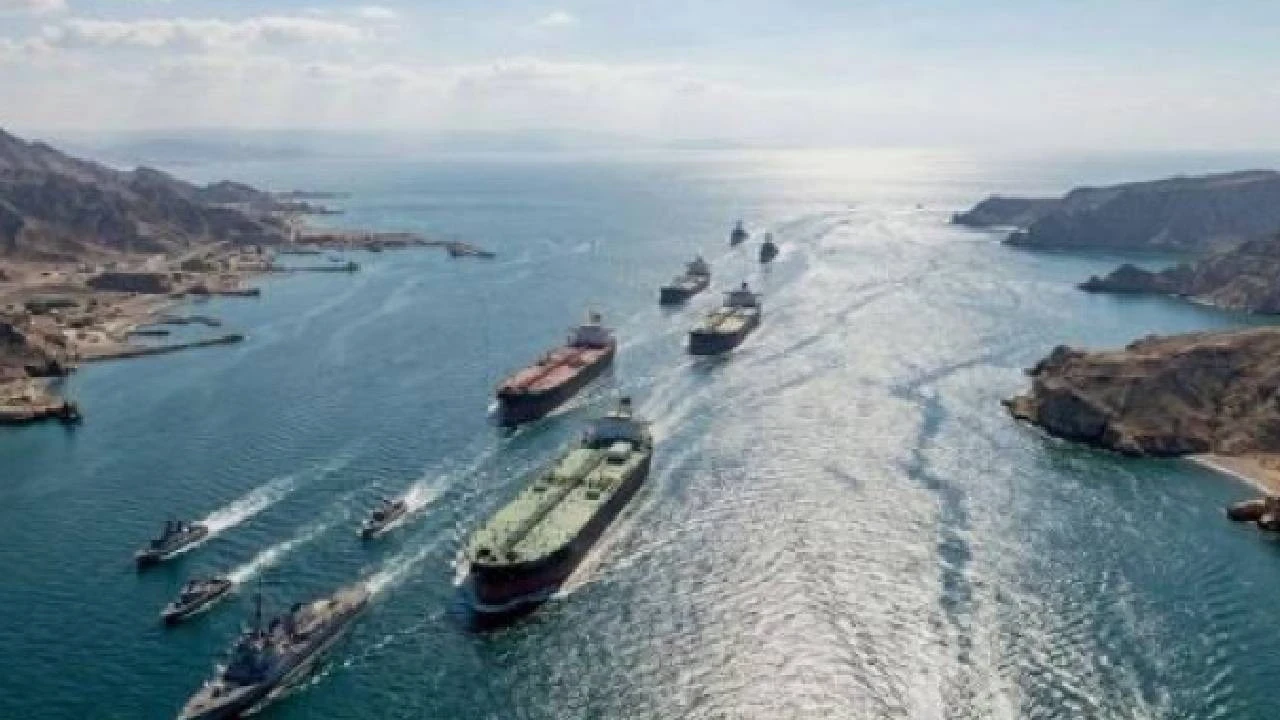
Iran considers the lifting of the naval blockade, sanctions relief, the release of frozen assets and an end to attacks on all fronts across the region among the fundamental conditions for negotiations. The Iranian government is unwilling to reopen the Strait of Hormuz to international shipping under pre-war conditions unless these demands are met.
Washington, meanwhile, aims to force Iran into making concessions by maintaining economic pressure. However, this strategy is creating growing risks for energy markets and international maritime trade. Any new attack in the Strait of Hormuz, through which a significant proportion of the world’s oil and natural gas shipments pass, could once again turn the conflict into a major military crisis.
For this reason, the Iran war differs from a conventional frozen conflict in which front lines become fixed. Even if the intensity of military operations declines, attacks on maritime shipping, economic sanctions and mutual military threats continue.
Why are Washington and Tehran unable to reach an agreement?
The Trump administration’s most significant dilemma is the mismatch between the political and military objectives of the war against Iran and the means currently available to achieve them. The United States wants to restrict Iran’s nuclear capabilities, weaken its regional influence and eliminate its control over the Strait of Hormuz. However, achieving these objectives through airstrikes and economic sanctions alone appears increasingly unlikely.
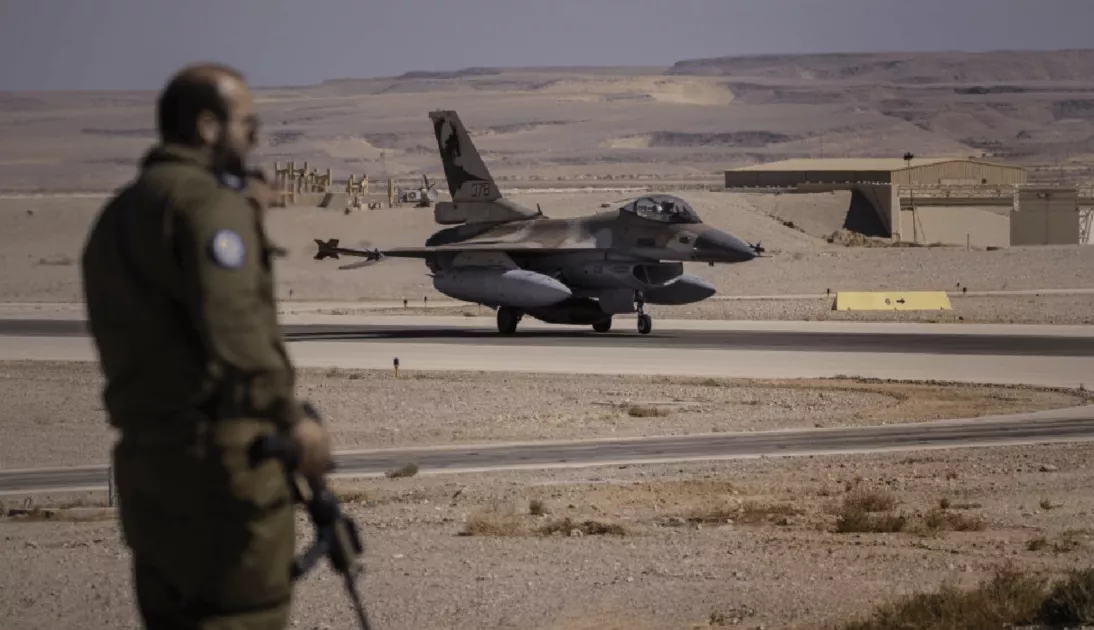
A ground operation, meanwhile, would involve far greater risks for Washington. The American public’s reluctance to support another Middle Eastern war, combined with the experiences of Iraq and Afghanistan, makes sending US troops into Iran an extremely costly political decision for Trump.
Tehran, on the other hand, is also unwilling to accept US terms despite the severe economic pressure it faces. While sanctions, the naval blockade and the economic consequences of the war are placing considerable strain on Iran’s economy, the government is attempting to use its strategic leverage over the Strait of Hormuz in negotiations. Its efforts to maintain oil exports to China are also becoming increasingly difficult because of the US naval blockade.
Although the two sides have different strategic calculations, they share one fundamental position: neither wants to emerge from the current confrontation looking defeated. This increases the likelihood that the war will evolve into a prolonged war of attrition rather than produce a decisive military outcome.
What do historical examples of frozen conflicts tell us?
There are several examples in the international system of similar deadlocks lasting for many years. Despite the armistice signed on the Korean Peninsula in 1953, a lasting peace between the two countries has never been achieved. The conflict in the Donbas region between Russia and Ukraine, which began after 2014, also remained unresolved despite the Minsk agreements and eventually escalated into a much larger war in 2022.
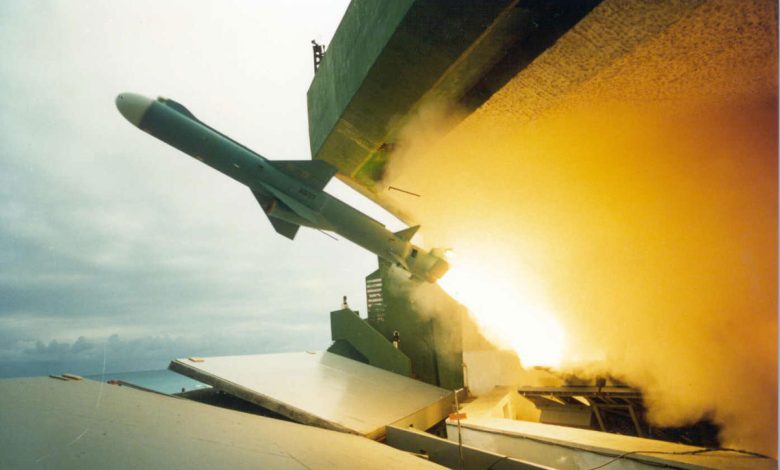
The Nagorno-Karabakh dispute between Azerbaijan and Armenia demonstrated how changes in the balance of power can reactivate frozen conflicts. The ceasefire, which had remained in place for many years, came to an end as Azerbaijan established military superiority.
In the case of Iran, the international sanctions imposed on Iraq and periodic military strikes between 1991 and 2003 offer a closer comparison. Nevertheless, the most significant difference in the Iran war is that the confrontation is not limited to the military balance between two countries.
Energy security makes a frozen war more difficult to sustain
If the Iran war turns into a prolonged stalemate, it could have far wider international consequences than the examples of Korea or Ukraine. Tensions surrounding the Strait of Hormuz directly affect not only the economic security of the United States and Iran, but also that of the Gulf states, Europe and major energy-consuming countries in Asia.
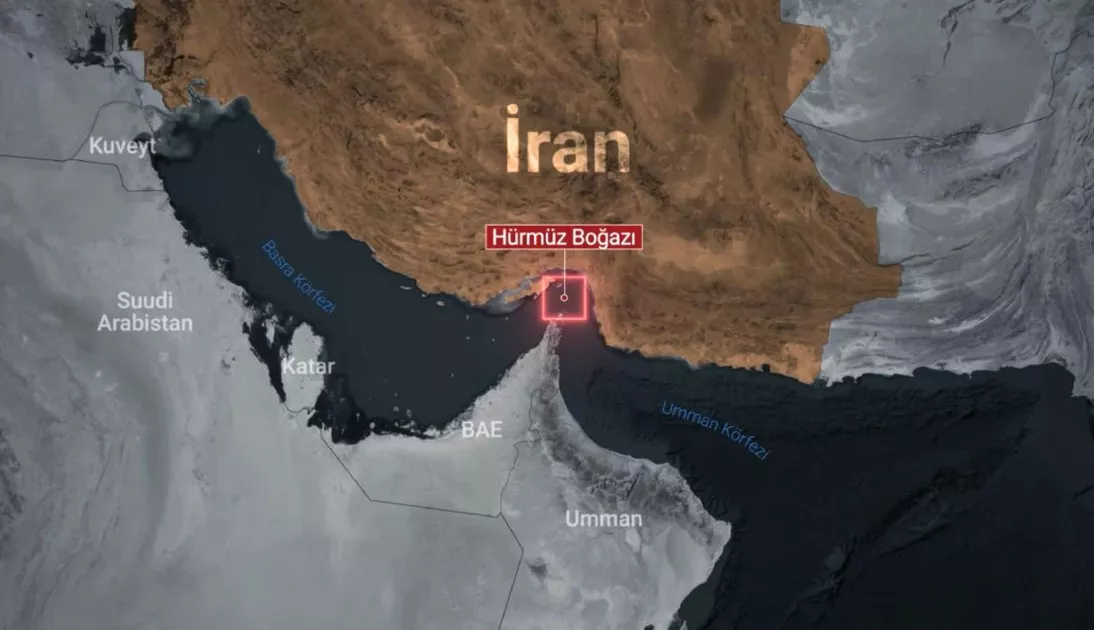
Disruptions to oil and natural gas shipments could drive up energy prices, placing renewed pressure on global inflation and supply chains. Furthermore, an increase in attacks on maritime trade could draw other regional actors into the conflict.
This makes the diplomatic initiatives of mediating countries such as Qatar and Pakistan increasingly important. For the Gulf states, the main priority will be to prevent the war from escalating again and ensure the security of international trade through the Strait of Hormuz.
Ultimately, the Iran war is moving toward a phase in which neither side has achieved its military and political objectives, yet neither is willing to back down. Domestic political pressures on the Trump administration, Iran’s economic resistance and the competing moves over the Strait of Hormuz are making a comprehensive peace agreement difficult to achieve in the short term. Nevertheless, a frozen conflict does not mean that the underlying disputes between the parties have disappeared.
The real risk is that the current tensions may gradually become normalized and that both sides may adopt controlled confrontation as a permanent strategy. However, given the Strait of Hormuz’s critical position in global energy trade, maintaining this balance for an extended period will be extremely difficult. Rather than coming to an end, the Iran war may continue in a different form.

