


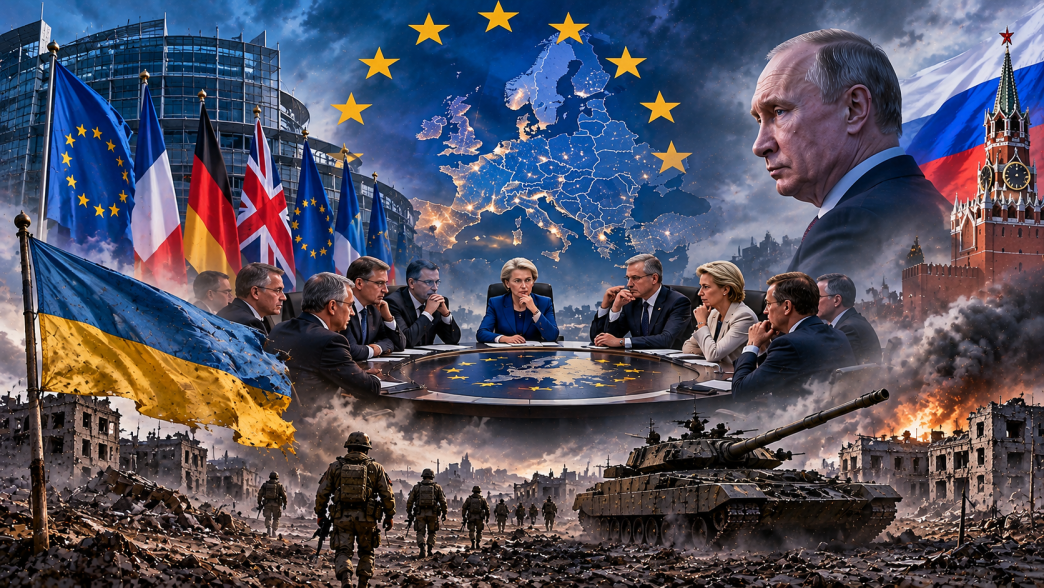
The diplomatic efforts aimed at ending the ongoing war between Russia and Ukraine have once again brought Europe’s position in international politics and its capacity for collective action into question. The Trump administration’s latest approach to involving European countries in negotiations with Moscow has raised the possibility of Europe assuming greater responsibility for the future of the war. However, one of the main obstacles to this process is that Europe has yet to reach an agreement on who should represent it at the negotiating table and what common policy that representative should pursue.
Rather than categorically opposing European participation in the talks, Moscow expects European countries to first appoint a common representative and clarify how they intend to contribute to the peace process. Statements by Kremlin spokesman Dmitry Peskov indicate that Russia will decide whether to accept an expanded negotiating format only after assessing Europe’s genuine intentions. This approach demonstrates that simply seeking a seat at the negotiating table will not be sufficient for Europe; it must also develop a diplomatic position on which its members can agree. 
Indeed, differences among European countries have made it difficult to establish a common foreign policy since the beginning of the war. While some countries in Southern Europe are more receptive to a compromise that could reduce the economic and financial burden of supporting Ukraine, the United Kingdom, Poland and the Baltic states advocate a considerably tougher stance toward Russia. The issue, therefore, is not simply who will speak on behalf of Europe, but also which concessions can be accepted during negotiations and under what conditions peace can be achieved.
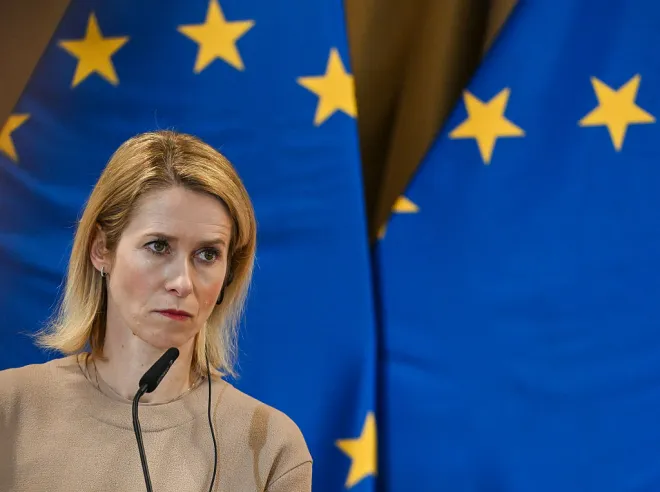
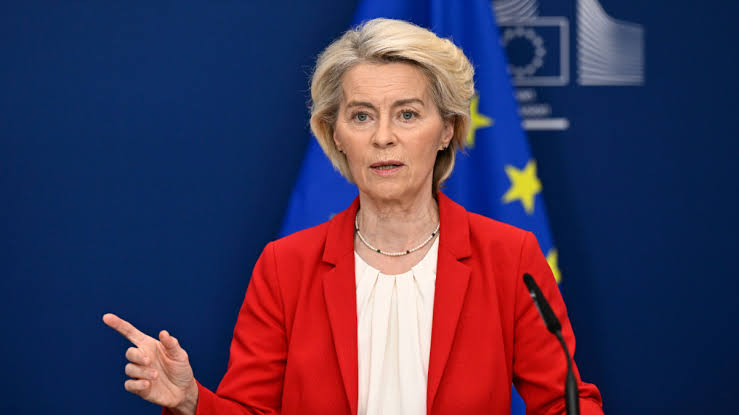
From the perspective of the European Union’s institutional structure, Kaja Kallas, the EU High Representative for Foreign Affairs and Security Policy, could be considered the natural candidate to represent the bloc. However, her repeated strong statements against potential compromise arrangements have made it difficult to view her as a figure capable of conducting direct diplomatic engagement with Moscow. This situation further highlights the gap between Europe’s institutional capacity for representation and its ability to produce political compromises.
The debate over a new European security order
The approach put forward by the Washington administration envisages not only ending the fighting in Ukraine but also addressing the security problems that contributed to the outbreak of the war. Under the model being considered by US negotiators Steve Witkoff and Jared Kushner, Russia could become part of a new European security order in exchange for withdrawing some of its most far-reaching demands concerning Ukraine.
Within this framework, one of the key negotiating issues is the possibility of Russia abandoning its demand that Ukraine completely withdraw from the parts of Donbas that remain under Kyiv’s control. In return, the objective would be to take Moscow’s security concerns into account within a new European security architecture. The aim is therefore not merely to end the current war, but also to prevent the diplomatic failures and security disputes that preceded the crises in Georgia in 2008 and Ukraine in 2014 from developing into new conflicts in the future.
In fact, this debate also requires a reassessment of the strategic assumptions on which European security has been based for decades. The security concept that took shape through NATO’s expansion after the Cold War was built on the assumption that it would establish lasting stability across the European continent. However, developments in Georgia and Ukraine demonstrated that relations between NATO and Russia were increasingly generating tensions. The war in Ukraine, meanwhile, exposed the inability of the existing security order to prevent a major conflict.
For this reason, discussions about a new European security architecture should not be viewed merely as an issue of making concessions to Russia. The fundamental question is whether a system in which actors with different security interests constantly perceive one another as threats can remain sustainable across the European continent. Achieving lasting peace requires not only addressing Ukraine’s security concerns but also considering Russia’s demands and the long-term strategic interests of European countries within the same negotiating framework.
The deadlock between a ceasefire and security guarantees
The initial reactions from European capitals to Washington’s proposed new security order have been largely reserved. A significant number of European countries argue that Russia must accept an unconditional ceasefire before discussions on a new security architecture can begin. From Moscow’s perspective, however, such a demand would mean abandoning one of its most important bargaining instruments before negotiations even start.
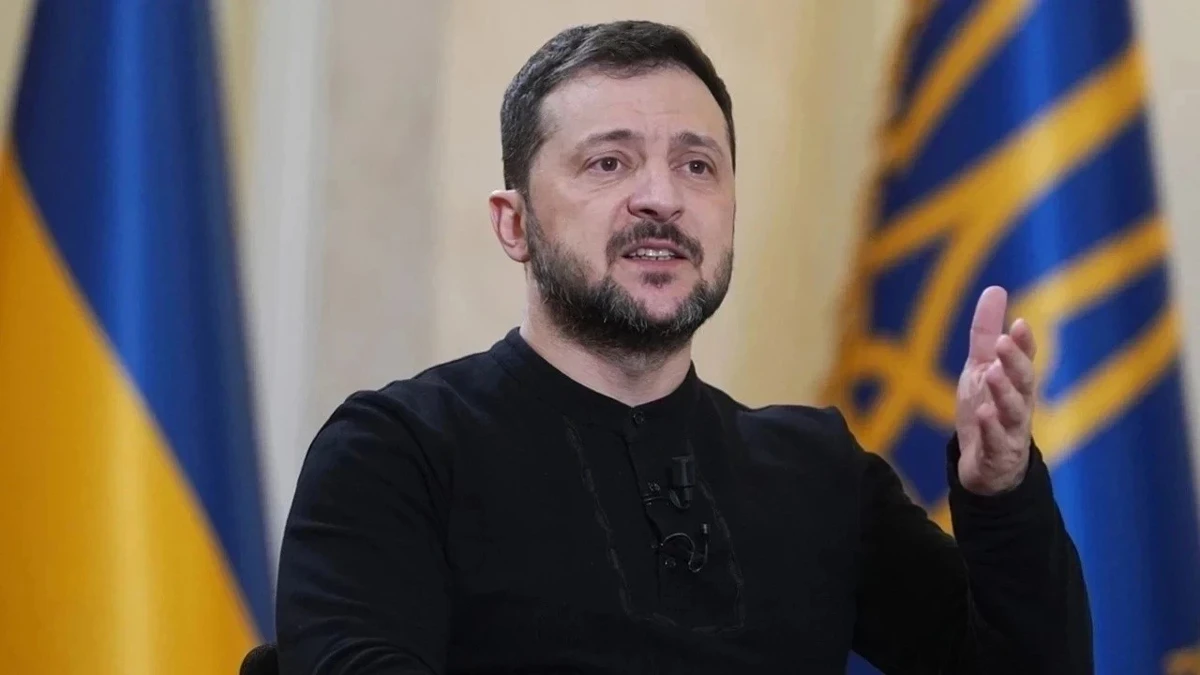
Russia’s current military and political position is one of the principal tools at its disposal in ceasefire negotiations. Expecting Moscow to accept a ceasefire before the details of future security arrangements have been established and without receiving any guarantees makes it difficult for the negotiating process to get off the ground. Consequently, presenting a ceasefire as a precondition could deepen existing disagreements rather than facilitate an agreement between the parties.
Statements made by Russian President Vladimir Putin following his latest meeting with the US delegation also reveal Moscow’s sensitivity regarding security guarantees. Putin objected to European countries expressing their intention to deploy troops in Ukraine immediately after the signing of a peace agreement. The Russian leader stated that Moscow would consider such a military presence a legitimate target and that the war could resume as a result.
This statement highlights the fundamental difference between a ceasefire and lasting peace. A temporary suspension of hostilities does not mean that the security concerns of the parties have disappeared. In particular, potential Western military deployments in Ukraine could be perceived by Russia not as part of a post-war settlement, but as an extension of NATO’s military presence.
Therefore, it seems unlikely that a comprehensive agreement could consist solely of a ceasefire provision. Ukraine’s future military status, the scope of Western security guarantees, Russia’s regional demands and the military balance in Europe will all have to be addressed within the same negotiating package. Addressing these issues independently could lead to the parties confronting one another again within a relatively short period.
How Europe’s political stance affects the prospects for peace
Europe’s negative approach to discussions about a new security architecture contains a significant contradiction for the continent’s future security policy. While European countries call for an end to the war between Russia and Ukraine, rejecting at the negotiating stage a new security arrangement in which Moscow could participate narrows the scope for a diplomatic solution.
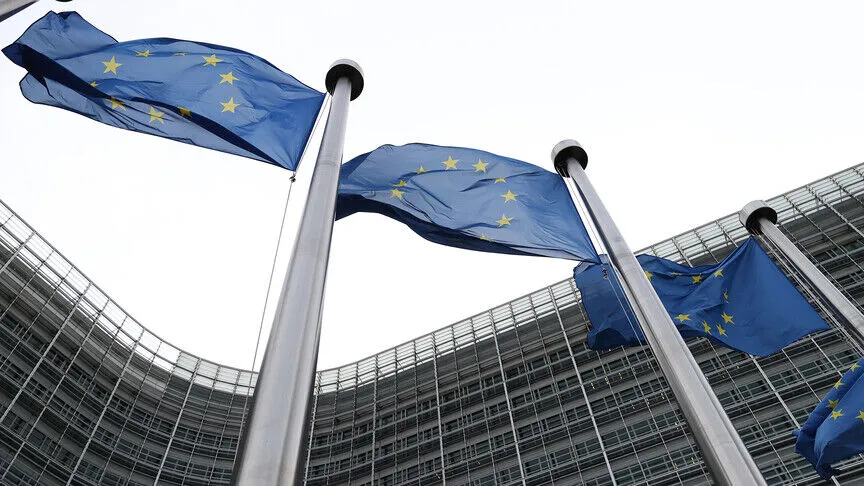
In particular, the common principles established by Germany, France and the United Kingdom in London in June constitute a serious obstacle to a potential agreement with Russia. These principles include rejecting Russian demands concerning Ukraine’s neutrality and the presence of Western troops on Ukrainian territory. From Moscow’s perspective, however, these two issues are among the fundamental security concerns that cannot easily be abandoned in negotiations aimed at ending the war.
Political discourse in Europe is another factor limiting the prospects for compromise. Public statements frequently emphasize principles such as a just peace, holding Russian aggression accountable and preserving Ukraine’s territorial integrity. Although these are important objectives in terms of international law and European security, they do not change the reality that diplomatic negotiations inherently require the parties to make mutual concessions.
In particular, expectations that Russia would eventually retreat under military and economic pressure, which became widespread in Europe after the beginning of the war, now need to be reassessed in light of developments on the battlefield. At one point, assessments suggested that Ukraine had seized the initiative on the battlefield and that the military balance was shifting in its favor. However, it has become increasingly clear that these expectations have not translated into a lasting strategic advantage.
Although Russia has made only limited progress on the battlefield, it continues to target Ukraine’s economic and infrastructural capabilities. Systematic attacks on energy infrastructure, in particular, are directly affecting the country’s economic activity, industrial production and civilian life. Problems with electricity generation and distribution are not only making everyday life more difficult but are also eroding Ukraine’s ability to sustain its wartime economy.
This situation demonstrates that economic resilience will be just as decisive as military success in determining the future of the war. Although Ukraine may be able to continue defending itself with Western support, whether that assistance can be maintained at the same level over the long term remains uncertain. Europe’s own economic difficulties, rising defense expenditures and strategic disagreements with the United States are making the future of support for Ukraine increasingly complicated.
The future of European security depends on diplomatic compromise
The Russia-Ukraine war has evolved beyond a territorial and sovereignty dispute between two countries into a crisis directly affecting Europe’s security architecture, NATO’s deterrence capabilities and the United States’ role in global leadership. For this reason, ending the war cannot be treated as a diplomatic process limited to determining the future frontline.
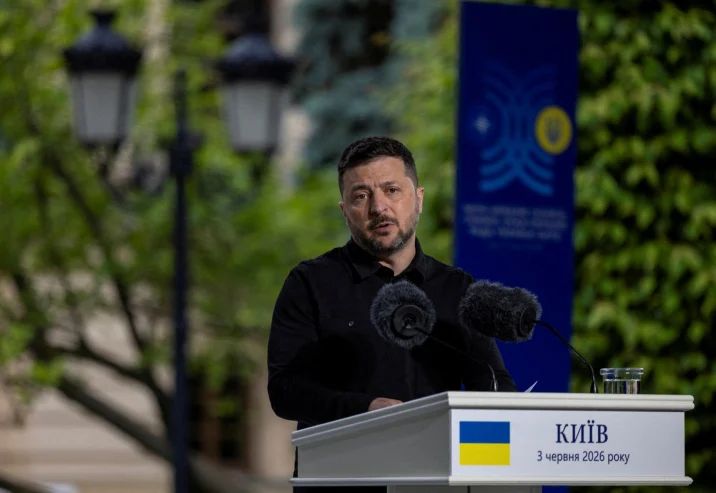
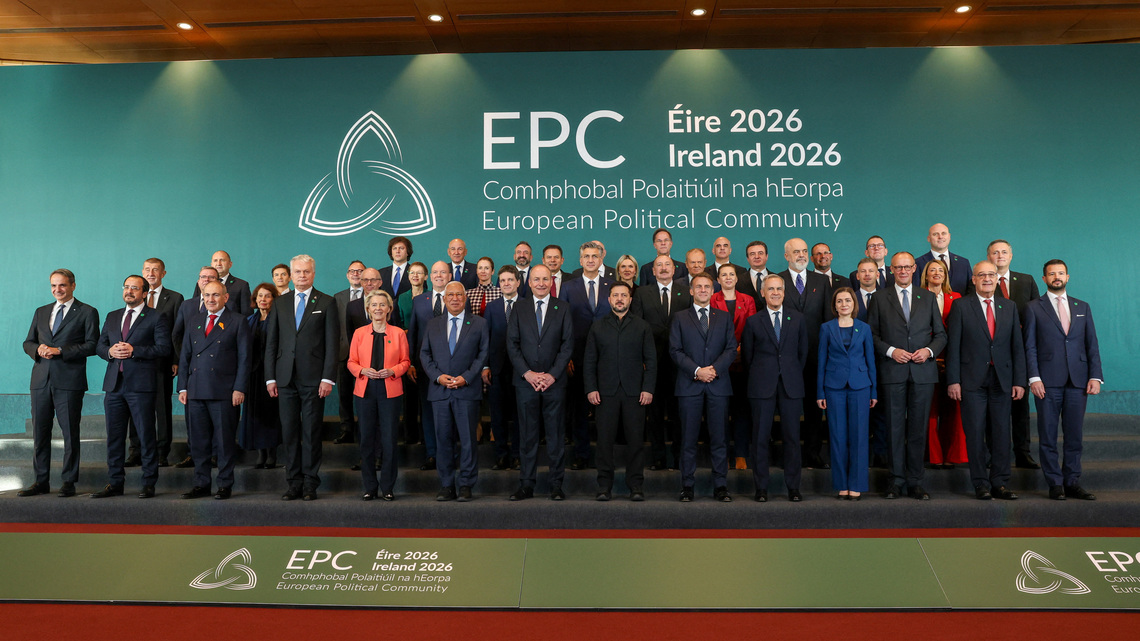
Washington’s initiative to bring Europe into the negotiating process also highlights the need for the continent to assume greater responsibility for its own security future. However, Europe’s inability to appoint a common representative, reach a consensus on the conditions under which it could compromise with Russia and its rejection of discussions about a new security order at the outset are making it increasingly difficult to fulfill this responsibility.
The decisive factor in the coming period will be the extent to which the parties are prepared to adjust their current positions. Accepting all of Russia’s demands is unrealistic, just as it would be difficult to achieve a lasting agreement that completely disregards Moscow’s fundamental security expectations. Similarly, a settlement that fails to guarantee Ukraine’s security and sovereignty could lay the groundwork for another conflict in the future.
Ultimately, Europe’s fundamental choice lies between maintaining the existing cycle of confrontation with Russia and establishing a new diplomatic balance capable of securing the continent’s future. At a time when military pressure alone cannot produce lasting results, diplomacy, security guarantees and the reconciliation of mutual interests are becoming increasingly important. Otherwise, the consequence may not simply be a prolonged war in Ukraine, but also a deeper crisis in the security order on which Europe has relied for decades.

