


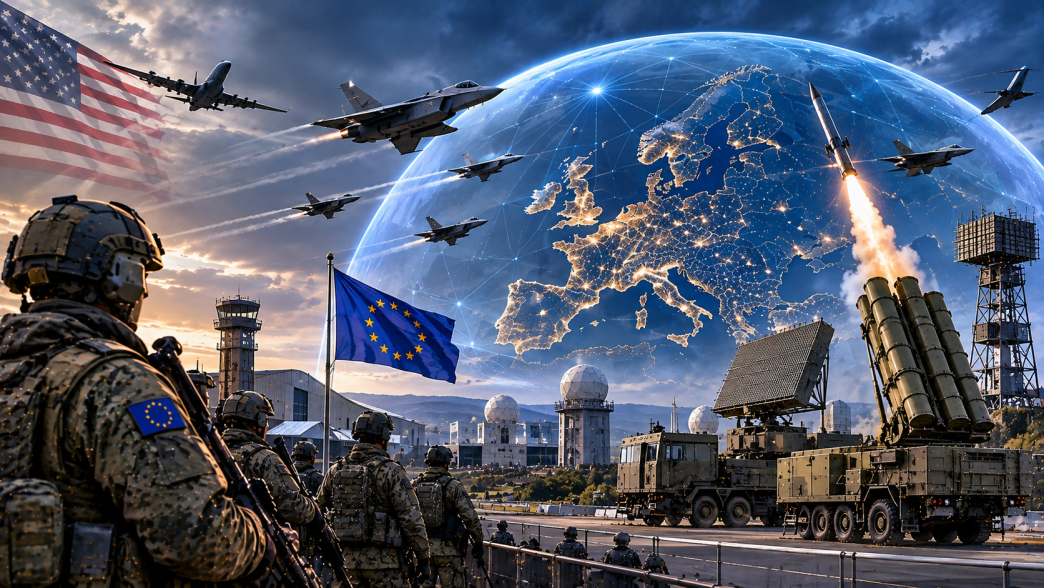
One of the most significant debates facing NATO in recent years is whether Europe can develop the capacity to ensure its own security without American military support. Washington’s growing tendency to redirect military resources toward the Indo-Pacific and the Western Hemisphere is forcing European countries to assume defense responsibilities that the United States has carried for decades. Airpower, strategic bombers, aerial refueling, and missile defense are among the most critical elements of this transformation.
The reassessment of the U.S. military presence in Europe is also changing the traditional division of responsibilities within NATO. The Trump administration’s pressure over defense spending, the possibility of troop reductions, and developments such as the war with Iran have significantly affected European allies’ confidence in Washington. The Pentagon’s review of its force posture in Europe has made these concerns even more tangible. 
Under NATO’s new force planning arrangements, European countries are reassessing what military capabilities they can provide from the earliest days of a crisis. However, the fundamental challenge is that Europe cannot fill the gap left by the United States simply by increasing the number of fighter aircraft in its inventory. Air superiority requires the coordinated operation of fighter jets, early warning systems, intelligence, logistics, aerial refueling, long-range munitions, and integrated command-and-control infrastructure.
Structural shortcomings in Europe’s airpower
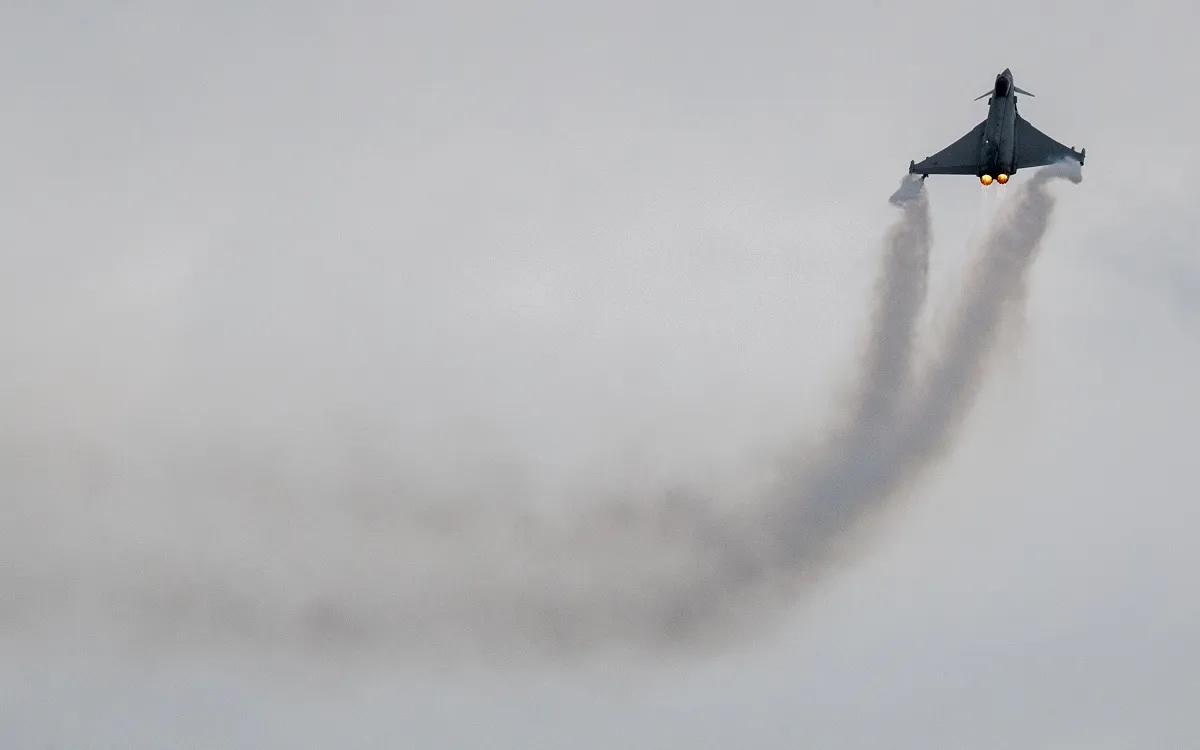
European countries have made substantial investments in fifth-generation fighter aircraft, particularly the F-35, in recent years. The acquisition of these aircraft by the United Kingdom, Italy, the Netherlands, Norway, Denmark, Poland, Germany, Finland, and other NATO members is strengthening the continent’s air combat capabilities. However, possessing modern fighter aircraft does not mean having access to all the operational capabilities provided by the United States.
Strategic bomber capacity represents a particularly significant shortcoming in this regard. The United States remains the only NATO member with long-range strategic bombers. These platforms constitute an important element of deterrence because they can carry substantial payloads over vast distances and participate in sustained operations. Although ground-based long-range missiles and fighter aircraft can provide alternatives to some extent, they cannot fully replicate the operational flexibility offered by strategic bombers.
Another critical challenge is aerial refueling. A reduction in the activities of American tanker aircraft in Europe could directly affect the continent’s ability to conduct sustained air operations. Although European countries have taken important steps by investing in jointly operated tanker aircraft such as the Airbus A330 MRTT, replacing the full scale of American support with existing European capabilities remains difficult.
For this reason, purchasing additional fighter aircraft alone will not be sufficient to close Europe’s defense gap. Airbases, fuel storage facilities, ammunition stockpiles, and maintenance infrastructure must also be expanded.
The Russian threat accelerates Europe’s preparations
The need to strengthen Europe’s defense capabilities cannot be assessed independently of Russia’s military power. Although the war in Ukraine has inflicted serious losses on Russian ground forces, Moscow’s air and missile capabilities have not suffered attrition on the same scale. Russian fighter aircraft, bomber platforms, ballistic missile systems, and cruise missiles continue to pose a significant threat to Europe.
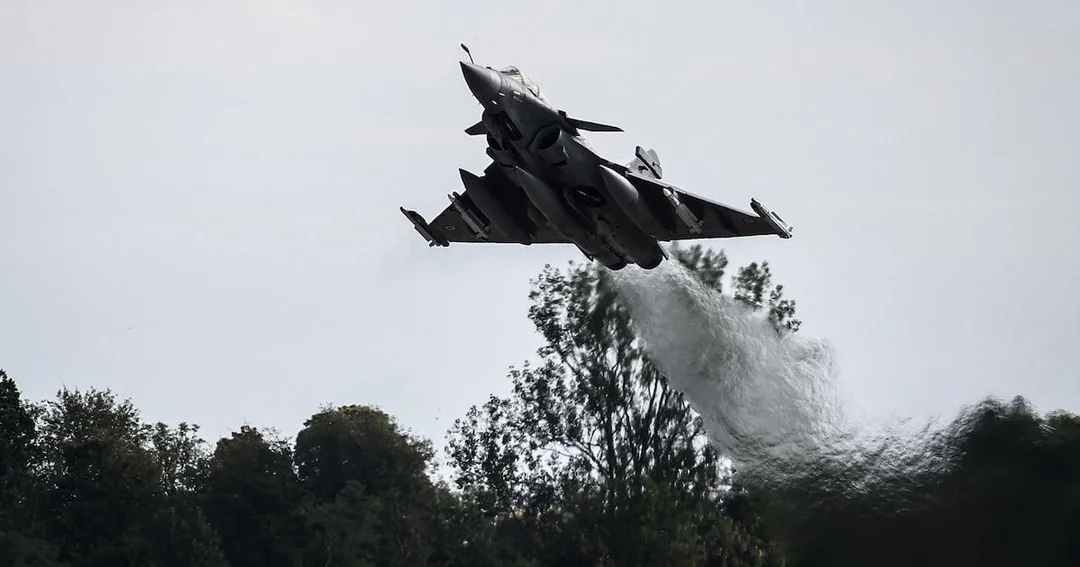
Consequently, Europe’s main challenge at a time when American military support may decline is not simply the transfer of defense responsibilities, but the fact that the capabilities required to fulfill those responsibilities have not yet been fully developed.
NATO’s efforts to strengthen its air defense systems are also a response to this requirement. European countries need to invest in integrated missile defense, long-range air-to-ground munitions, and systems capable of neutralizing enemy air defenses. In modern warfare, air superiority is achieved not only through defensive systems but also through offensive capabilities that can strike an adversary’s military assets.
New members and collective defense capabilities
Finland and Sweden’s accession to NATO has brought new capabilities to Europe’s defense architecture. Both countries’ experience in dispersed deployments, hardened airbases, and conducting operations under challenging geographical conditions has strengthened the alliance’s northern flank.
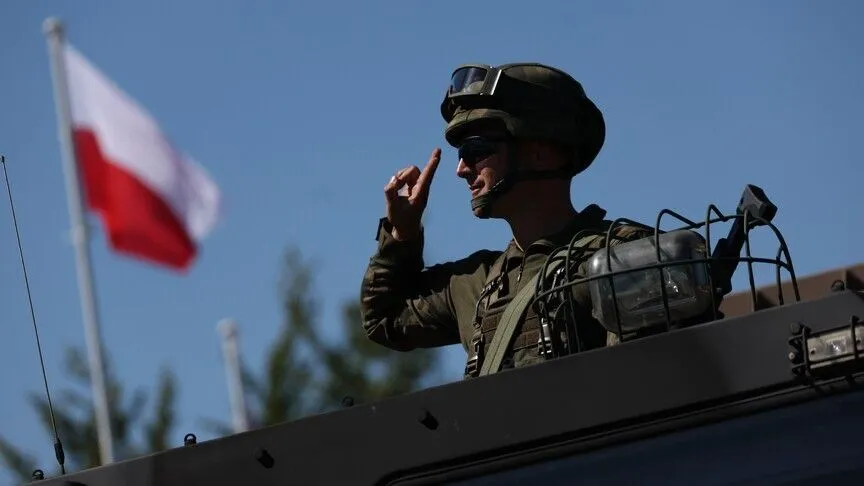
The Ramstein Flag exercise held in June also demonstrated the growing role of European air forces. At a time when the United States had deployed numerous air assets to the Middle East because of the war with Iran, European allies provided the majority of the more than 200 aircraft participating in the exercise. While this demonstrated Europe’s ability to conduct certain operations with limited American participation, it also highlighted its continued dependence on Washington in areas such as tanker aircraft and strategic bomber capabilities.
Meanwhile, European allies are also assuming greater responsibility within NATO’s command structure. Arrangements aimed at placing joint force commands under European leadership signal a new phase in the alliance’s military decision-making process. Operations such as Eastern Sentry, launched in response to Russian drone incursions into NATO airspace, also demonstrate that airspace security is no longer viewed as a matter limited to routine air patrols.
Is Europe ready to defend itself without the United States?
NATO’s transformation has become an inevitable process as Europe assumes greater responsibility for its own defense. However, filling the gap created by a reduction in American military support in the short term does not appear realistic. Although Europe’s fighter aircraft inventory is expanding, significant shortcomings remain in strategic bombing, aerial refueling, logistical support, intelligence, and long-range strike capabilities.
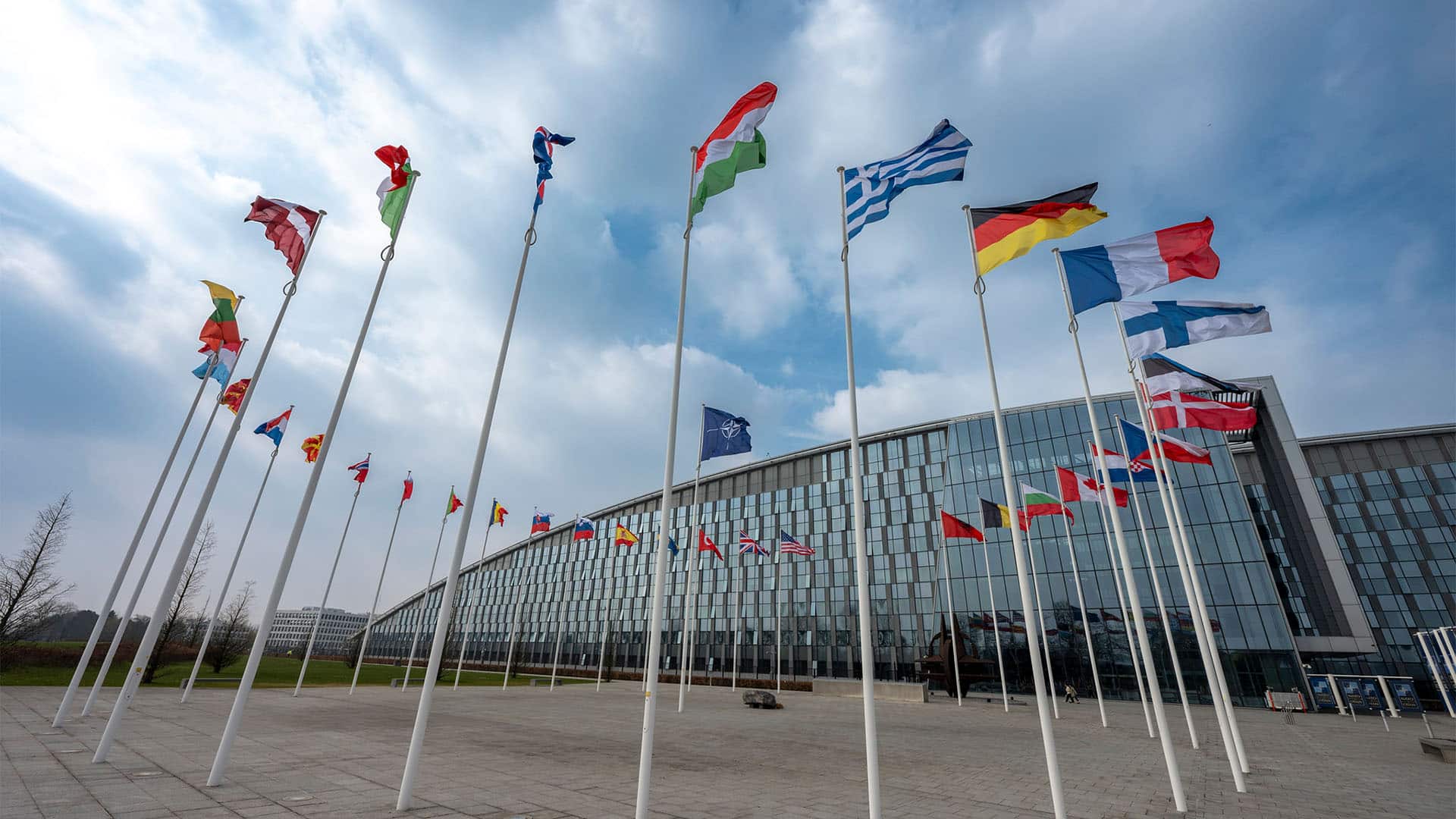
The central question is therefore not whether Europe can establish a defense system completely independent of the United States, but how self-sufficient it can become in a crisis where Washington’s support is limited. Defending European airspace against an actor with substantial military capabilities, such as Russia, will require not only the resources of individual national armed forces but also joint production, coordinated operations, and sustainable ammunition supplies.
Ultimately, NATO is entering a new era in which American military influence remains significant, but Europe is expected to assume greater responsibility. This transformation could make the alliance more balanced in the long term. However, reducing American support before the necessary military infrastructure and operational capabilities are established could deepen NATO’s defense gaps rather than strengthen its deterrence. Europe’s real challenge is not simply to spend more on defense, but to transform that spending into the strategic capabilities that the United States has traditionally provided.

