


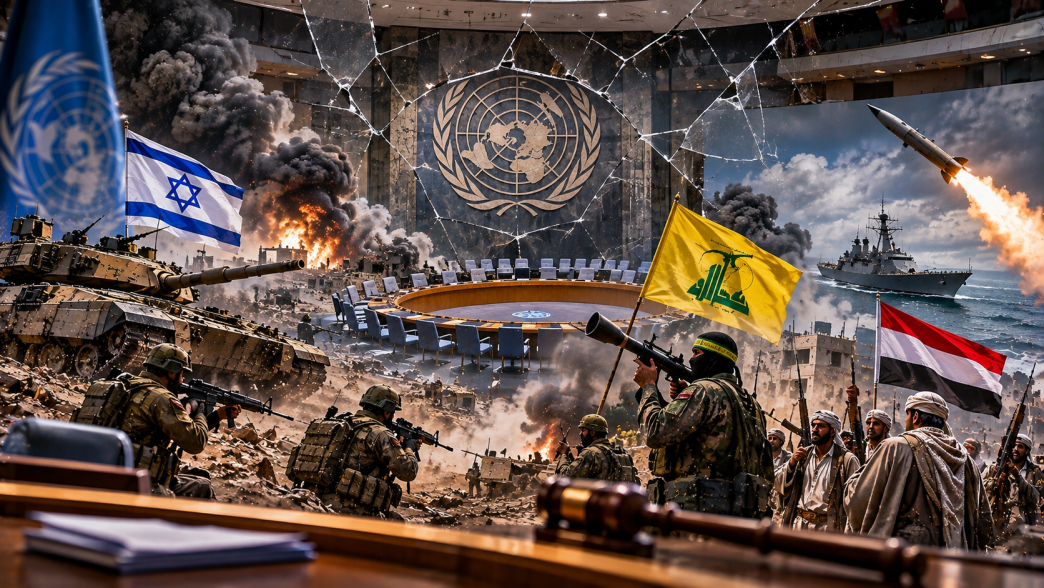
The prolonged conflicts in the Middle East have once again raised questions about the United Nations’ ability to maintain international peace and security. Israel’s military operations, Hezbollah’s continued armed presence, and the Houthis’ attacks in the Red Sea demonstrate why decisions taken by the international community have failed to produce sufficient results on the ground. The fact that armed actors in the region continue their activities despite numerous UN Security Council resolutions exposes the structural weaknesses of the international security mechanism.
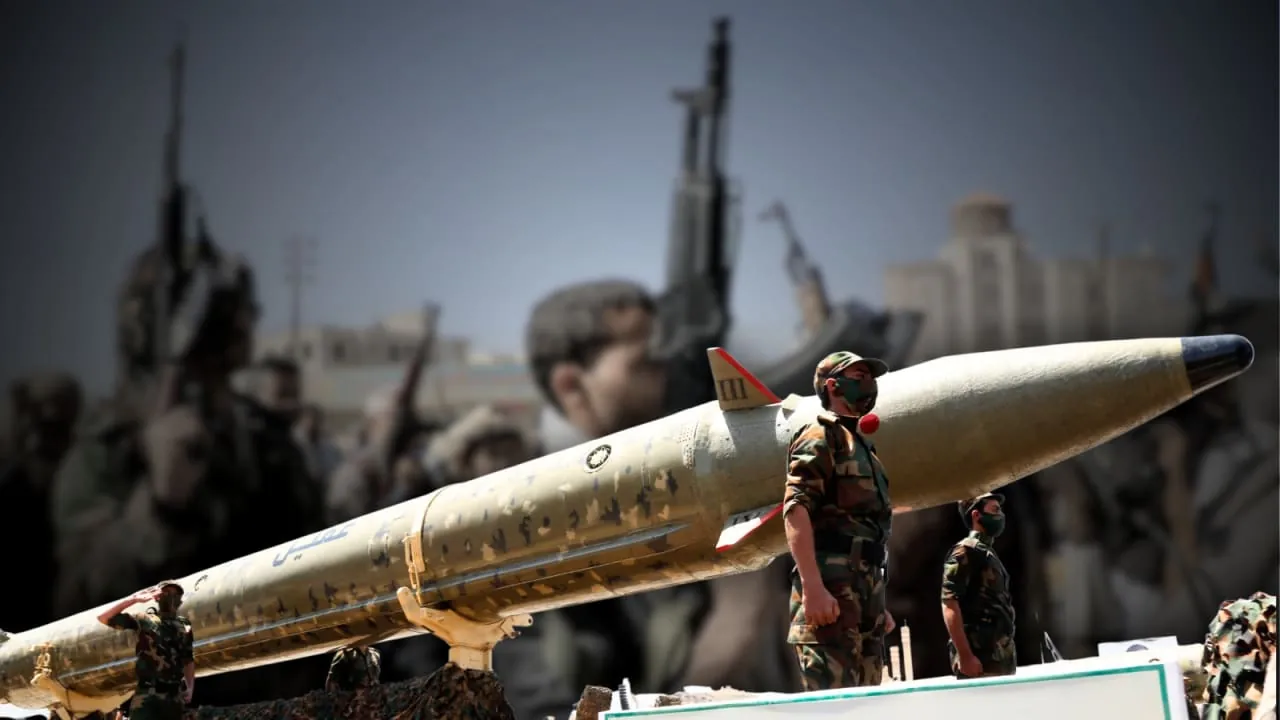
Lebanon is one of the clearest examples of this situation. Following the end of the civil war in 1990, the disarmament of armed groups across the country became a major issue. However, Hezbollah retained its weapons on the grounds that it was resisting the Israeli occupation. Israel’s withdrawal from southern Lebanon in 2000, in accordance with UN Security Council Resolution 425, did not lead to the group’s disarmament either. Hezbollah maintained its military presence by citing unresolved border disputes. 
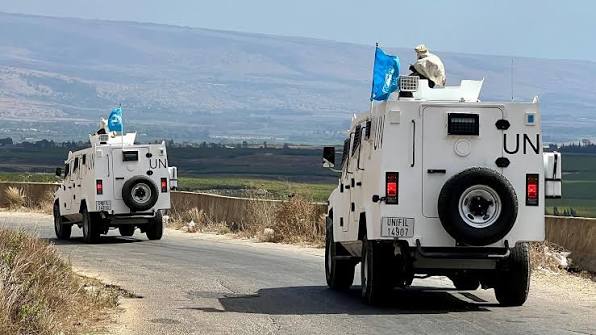
Following the 33-day Israel-Hezbollah War in 2006, UN Security Council Resolution 1701 called for the restoration of state authority in southern Lebanon and the disarmament of armed groups. As part of this effort, the capacity of the United Nations Interim Force in Lebanon (UNIFIL) was expanded. However, the presence of an international peacekeeping force proved insufficient to eliminate Hezbollah’s weapons depots and military infrastructure. Lebanese state institutions also made the implementation of the resolution more difficult by restricting international monitoring on the grounds of national sovereignty.
Why are UN resolutions failing to produce results on the ground?
Following Hezbollah’s attacks against Israel in October 2023, hostilities escalated once again. While Israel established a security zone in southern Lebanon, new diplomatic initiatives between the parties came onto the agenda. The trilateral framework agreement signed by Lebanon, Israel, and the United States in June also initiated a new process aimed at Israel’s withdrawal and the restoration of security in border areas.
However, the fundamental problem remained unchanged: despite deploying its forces in some areas vacated by Israel, the Lebanese army failed to effectively dismantle Hezbollah’s weapons infrastructure. This demonstrates that the implementation of international agreements depends not only on diplomatic commitment but also on the ability of state institutions to exercise authority on the ground.
With UNIFIL’s mandate approaching its expiration, discussions are underway about establishing a smaller, more focused international monitoring mechanism. However, creating a new UN mission will not automatically resolve the existing problems. Restrictions preventing international observers from searching private property, their dependence on approval from local authorities, and Hezbollah’s military infrastructure within civilian residential areas severely limit monitoring activities.
This exposes the fundamental dilemma facing the UN system. International organizations can adopt resolutions, but their enforcement capacity remains limited when the political will and military capabilities required for implementation are absent. As the Lebanese case demonstrates, the failure of state institutions to take the necessary steps can render international monitoring largely ineffective.
The dual dilemma involving Israel, Hezbollah, and the Houthis
Another factor weakening the UN’s effectiveness in the Middle East is the different positions occupied by states and non-state armed actors under international law. Although Israel’s military operations, Hezbollah’s armed activities, and the Houthis’ attacks on maritime trade have distinct legal and political dimensions, they point to the same security problem: the absence of an effective and consistent enforcement mechanism when international decisions are violated.
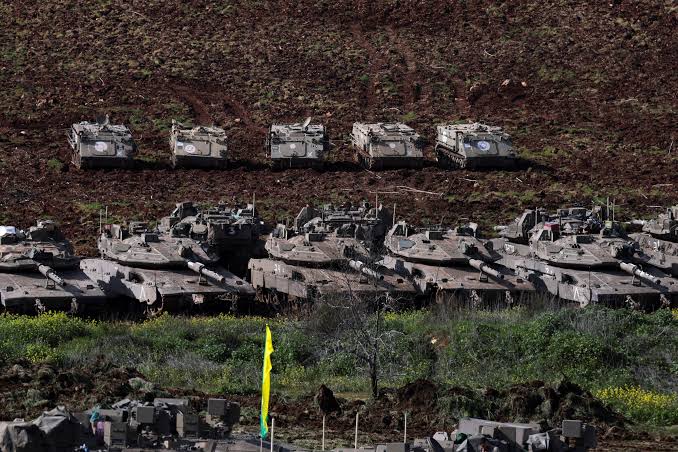
In the case of Israel, the United States’ veto power in the Security Council stands out as one of the most significant political obstacles to international sanctions and decision-making processes. Meanwhile, the UN’s direct enforcement capabilities against non-state armed actors such as Hezbollah and the Houthis are extremely limited. Since the military activities of these organizations are closely intertwined with the political and security dynamics of the countries in which they operate, translating international decisions into concrete results on the ground becomes even more difficult.
The Houthis’ attacks in the Red Sea and around the Bab el-Mandeb Strait particularly demonstrate that the problem extends beyond regional security. Despite the threats posed to global trade routes, the inability of UN resolutions to establish a lasting security framework also exposes the weaknesses of the international system in the field of maritime security.
Tensions between the principle of sovereignty and international monitoring
A significant proportion of security crises in the Middle East stem from tensions between state sovereignty and international intervention. While the Lebanese government cites the risk of civil war as a reason for not disarming Hezbollah, Israel continues its cross-border military operations under the justification of protecting its own security. The Houthis, meanwhile, have exploited Yemen’s internal political fragmentation to operate as an independent military force.
This situation demonstrates how state sovereignty, one of the fundamental principles of the UN, can sometimes become a political argument that protects the activities of armed actors rather than restricting them. On the other hand, the principle of sovereignty cannot be used as an unlimited justification for military interventions by other states.
From the perspective of international law, the real need is to develop effective mechanisms that protect the territorial integrity and sovereignty of states while preventing armed groups from establishing independent military capabilities.
The future of the UN and the international security architecture
Developments in the Middle East demonstrate that the current structure of the UN Security Council is struggling to respond to contemporary threats. The international security order established after the Second World War was based on an understanding between major powers. Today, however, conflicts of interest among major powers, the veto mechanism, and regional rivalries have significantly weakened the capacity for collective action.
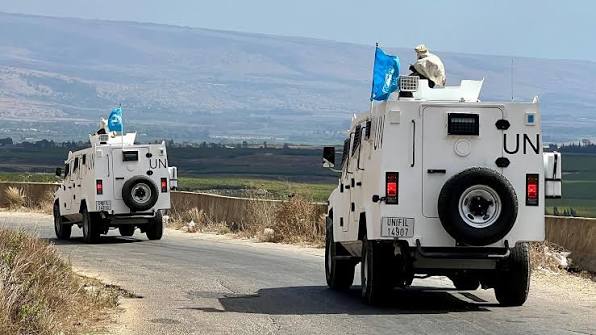
The conclusion emerging from Israel’s military operations, Hezbollah’s continued armed presence, and the Houthis’ activities threatening maritime security is that UN resolutions alone cannot provide deterrence. Deploying peacekeeping forces or adopting new resolutions cannot produce lasting solutions unless the political will and military realities on the ground also change.
Ultimately, the issue is not simply the UN’s inability to stop Israel, Hezbollah, or the Houthis, but the deep gap between the decision-making and enforcement capacities of the international security system. A genuine solution requires making the Security Council more representative and effective, ensuring that international law is applied equally to all actors, and developing mechanisms capable of translating adopted resolutions into tangible results on the ground. Otherwise, the UN risks ceasing to function as an institution that prevents conflicts and instead becoming an organization that merely documents ongoing crises and limits its response to diplomatic statements.

