


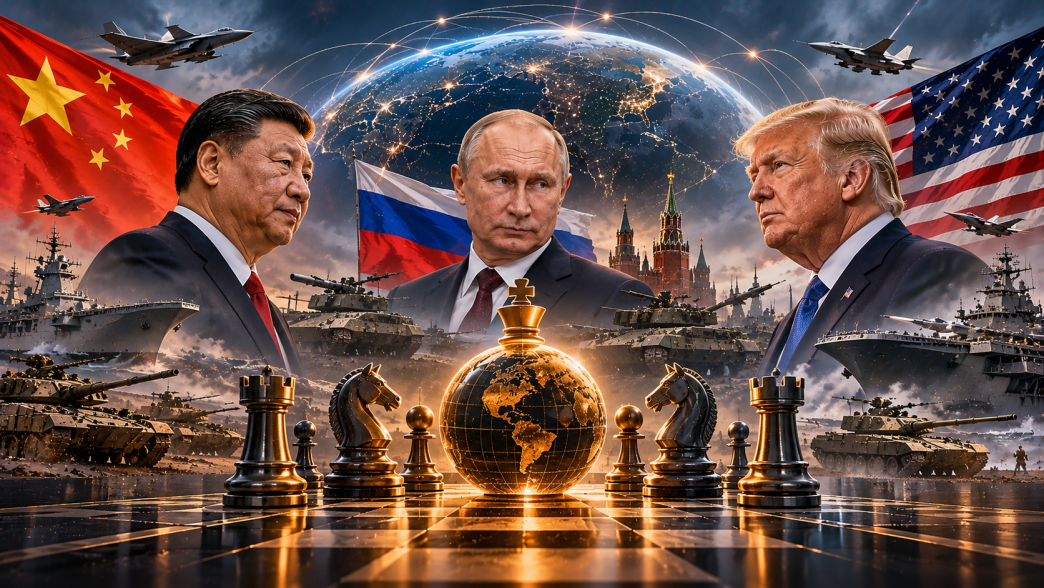
At a time when the balance of power within the international system is undergoing a profound transformation, the diplomatic initiative bringing together the leaders of the world’s three largest nuclear powers stands out as a development with potentially significant implications for the future of global politics. US President Donald Trump, Chinese President Xi Jinping, and Russian President Vladimir Putin are expected to meet on November 18–19 on the sidelines of the Asia-Pacific Economic Cooperation (APEC) Summit, which will be held in Shenzhen, China.
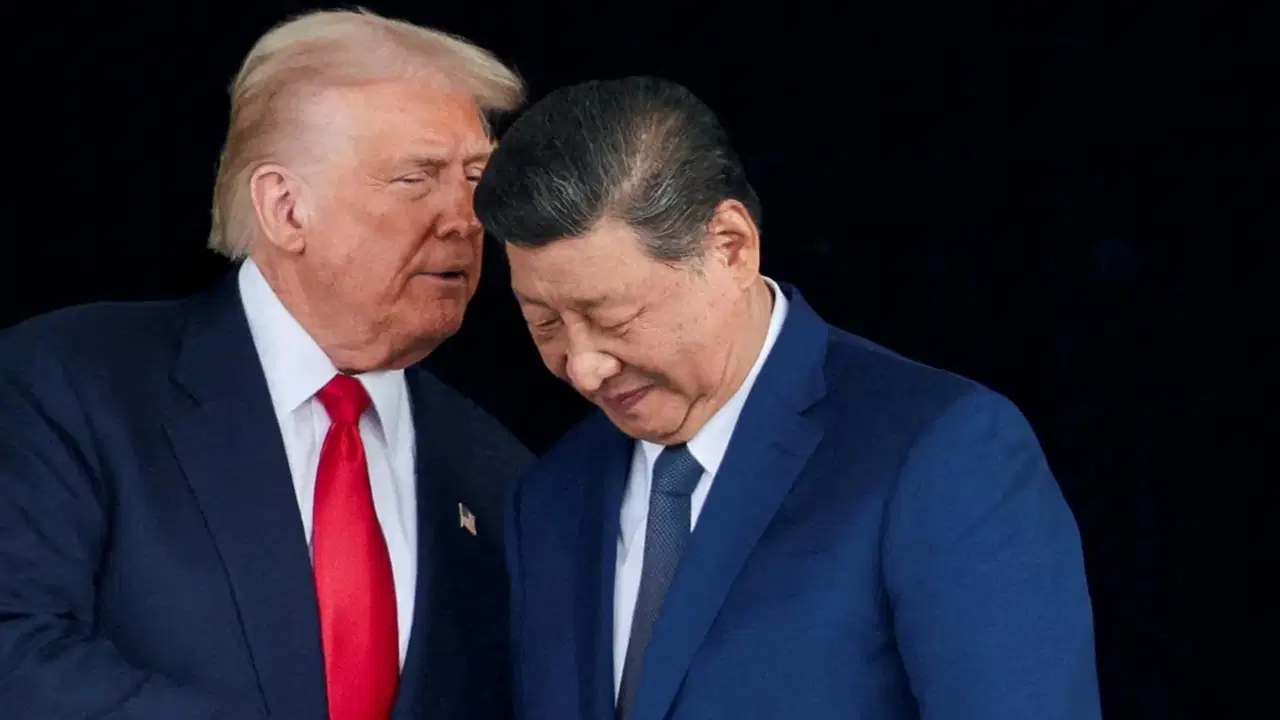
At the center of this trilateral meeting, which will bring the leaders of the three countries together in this format for the first time, is the possibility of a new agreement on nuclear arms control and the limitation of strategic weapons. Other issues, including the war in Iran, North Korea’s nuclear capabilities, and the future of the international security architecture, are also expected to feature on the agenda. Therefore, it would be insufficient to view the meeting merely as a diplomatic engagement aimed at improving bilateral relations. The fundamental question is how strategic stability can be re-established on a new set of principles in an international environment where competition among great powers is becoming increasingly intense. 
What stands out in Washington’s approach is that its immediate priority is not necessarily reaching a concrete agreement, but rather establishing a new negotiating framework among the three countries on nuclear arms limitations. US officials have also indicated that they do not expect an immediate breakthrough, emphasizing that the meeting should instead be regarded as the starting point of a much broader diplomatic process.
A new equation in nuclear arms control
From the Cold War to the present day, nuclear arms limitations have remained one of the fundamental pillars of the international security system. In particular, the arms control mechanisms developed between the United States and the Soviet Union helped manage the risk of direct military confrontation, even during the most dangerous periods of the bipolar international order. However, the new balance of power that emerged following the dissolution of the Soviet Union made it necessary to transform the existing approach to nuclear arms control.
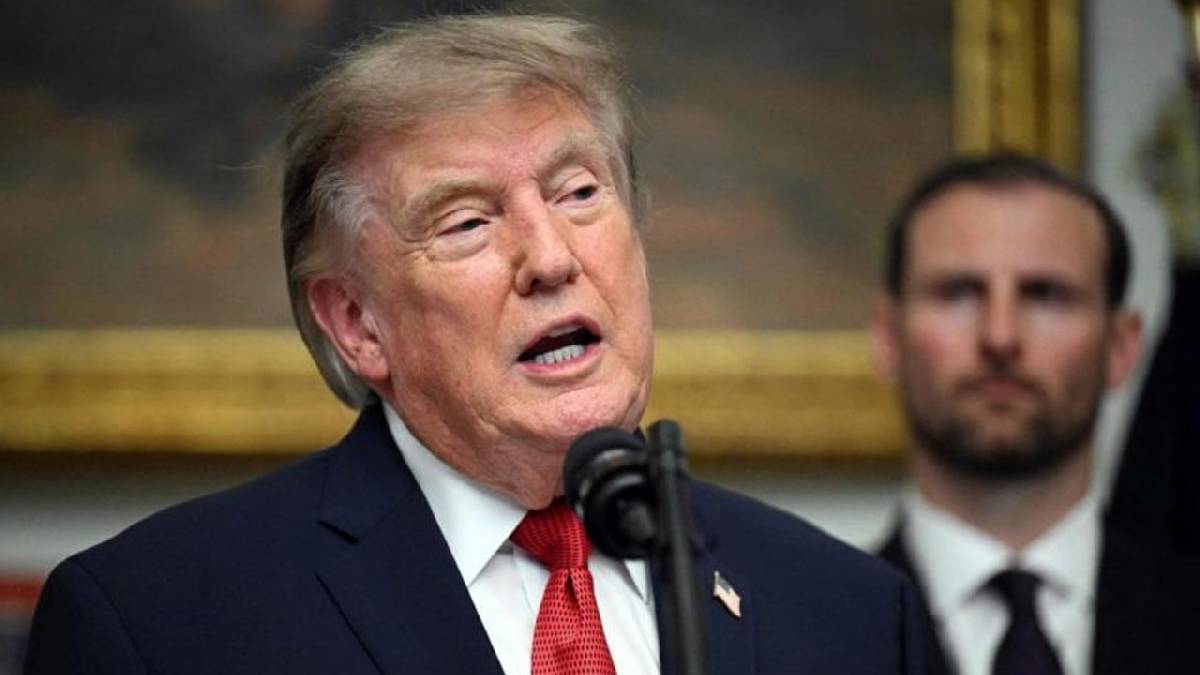
The current strategic landscape is considerably more complex than the US-Russia-centered nuclear rivalry of the past. China’s rapid development of its military and technological capabilities, expansion of its nuclear arsenal, and modernization of its strategic forces are forcing a reassessment of the global nuclear balance.
From Washington’s perspective, the main challenge is that any new nuclear arms control arrangement can no longer be considered sufficient if it includes Russia alone. Bringing China into this process is becoming increasingly important for the United States’ long-term strategic interests. Arguing that the expansion of Beijing’s nuclear capabilities has direct implications for global security, the US administration wants China to assume responsibility in negotiations over arms control.
Nevertheless, it is clear that Beijing’s position will differ from Moscow’s. Russia has a long history of negotiations on nuclear arms limitations dating back to the Soviet era. China, meanwhile, considers its nuclear capabilities to remain below those of the United States and Russia and is therefore reluctant to accept an agreement based on equal obligations. Consequently, while bringing the three countries to the same negotiating table is significant in itself, reaching a common arrangement appears particularly challenging.
Economic interdependence and strategic pressure in US-China rivalry
Another important dimension of the summit concerns economic relations between the United States and China. Implementing the previously reached understanding aimed at temporarily easing trade tensions between the two countries will be among the priority messages Trump is expected to deliver to Beijing.
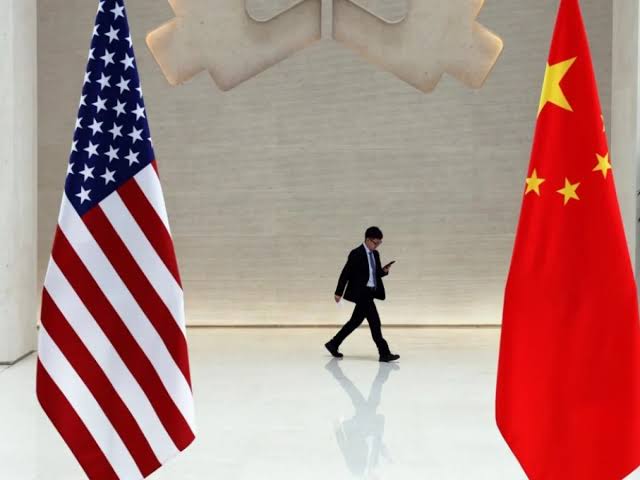
The dispute over rare earth elements and critical minerals, in particular, demonstrates how economic competition has evolved into a direct national security issue. China’s dominant position in processing these minerals and its influence over global supply chains have raised concerns about US dependence on Beijing across several strategic sectors, particularly the defense industry.
The Washington administration believes that China has failed to adequately comply with previously agreed trade arrangements and that exports of rare earth elements have not reached the expected levels. Against this backdrop, the decision to opt for a shorter-term extension rather than a more prolonged trade arrangement, alongside increased pressure on Beijing to fulfill its commitments, is particularly noteworthy.
This situation demonstrates that US-China rivalry is no longer confined to tariffs, trade volumes, or technology companies. Across a broad range of sectors, from semiconductors and artificial intelligence to critical minerals and defense manufacturing, the interdependence between the two countries is increasingly becoming a source of strategic vulnerability.
Accordingly, nuclear arms control and economic relations cannot be treated as entirely separate issues during the discussions in Shenzhen. While the Trump administration seeks to bring Beijing into negotiations on strategic arms limitations, it also intends to maintain pressure on China in areas directly affecting US economic and technological security.
Russia’s strategic position and the Ukraine issue
For Russia, another key participant in the trilateral summit, the meeting offers an important opportunity to reshape its relations with Washington and strengthen its position within the international system. Trump and Putin have not met face-to-face since their meeting in Alaska in August 2025, which primarily focused on the war in Ukraine.
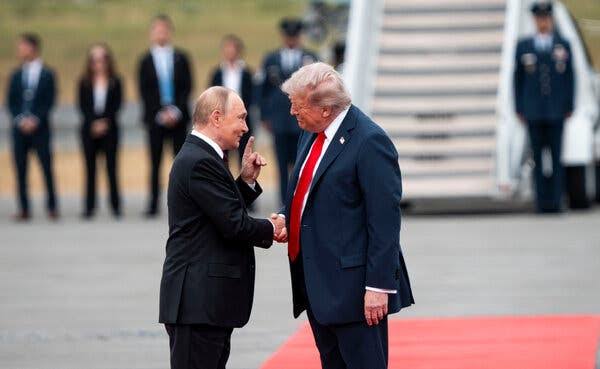
However, the Ukraine issue is not expected to be addressed directly during the meeting in Shenzhen. The main reason is that Washington is conducting negotiations between Kyiv and Moscow through a separate diplomatic channel and does not consider China a direct participant in that process. The contacts between Putin and Trump’s special envoys, Steve Witkoff and Jared Kushner, also demonstrate that this separate diplomatic track remains active.
Nevertheless, excluding the war in Ukraine from the summit’s agenda does not mean that the issue is detached from the strategic calculations of the great powers. Russia’s military capabilities, their implications for European security, and the future of Moscow’s relations with Washington will continue to shape the broader context of any agreement on nuclear arms control.
From Moscow’s perspective, its strategic partnership with China is also one of the factors strengthening its negotiating position vis-à-vis Washington. However, Russia’s growing closeness with Beijing does not mean that the two countries share identical priorities on every strategic issue. Differences remain between Moscow and Beijing, particularly regarding the nuclear balance of power and the long-term security environment in Asia.
The war in Iran and the security risks posed by North Korea
Other issues that could feature on the summit’s agenda include the war in Iran and North Korea’s nuclear capabilities. Although these two challenges are emerging in different geographical regions, they represent interconnected areas of risk for global nuclear security.
The war in Iran has once again demonstrated how nuclear programs can become intertwined with military interventions and regional power competition. US policies toward Iran are affecting not only the military balance in the Middle East but also the credibility of international mechanisms designed to prevent the proliferation of nuclear weapons. For this reason, it will be difficult to completely exclude Iran from any strategic dialogue that may emerge between Washington, Beijing, and Moscow.
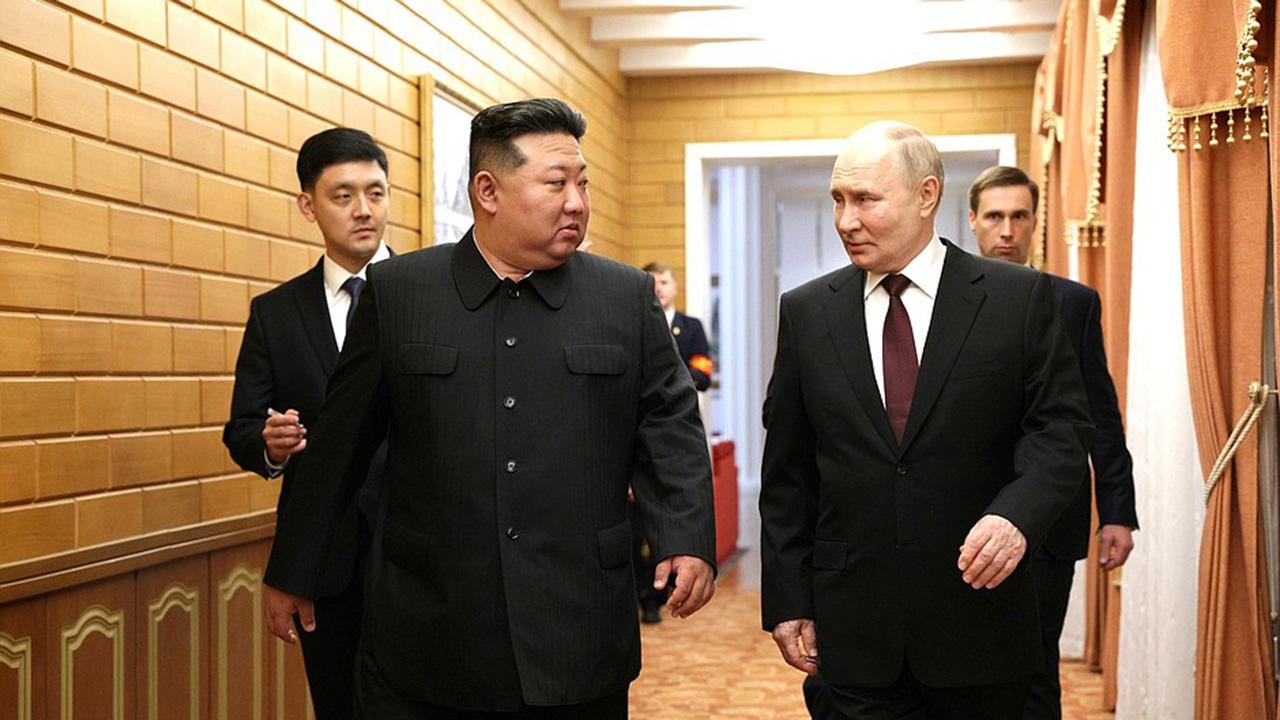
North Korea, meanwhile, represents the Asia-Pacific dimension of the debate over nuclear arms limitations. Pyongyang’s continued development of its nuclear capabilities is increasing security concerns among US allies in the region, particularly South Korea and Japan. China’s political and economic influence over North Korea also makes Beijing an important actor in diplomatic initiatives concerning the issue.
However, developing a common approach among the three countries on these issues also appears difficult. The security architecture established by the United States through its regional allies, China’s strategic objectives in the Asia-Pacific, and Russia’s tensions with the West all constrain the scope for cooperation.
The great powers’ search for common ground in a new world order
The real significance of the anticipated trilateral meeting in Shenzhen lies in the need for the United States, China, and Russia to reassess their respective roles within the existing international system. Global politics is entering a period in which military competition, economic sanctions, technological rivalry, and regional conflicts are intensifying simultaneously. In such an environment, direct communication among the world’s leading nuclear powers is important for keeping strategic crises under control.
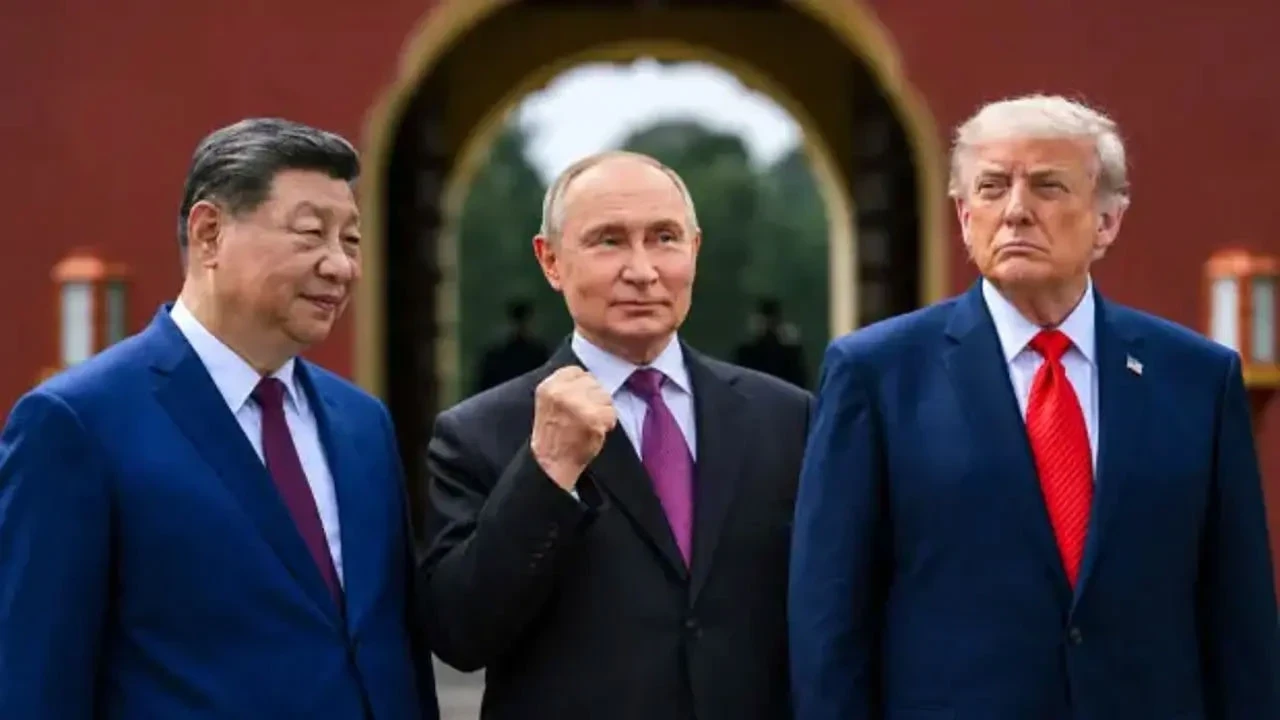
Trump’s approach is based on developing relations with great powers through personal diplomacy and seeking agreements on global issues directly at the leadership level. However, positive relations between leaders should not be expected to eliminate the differences between their countries’ fundamental strategic interests. Washington’s desire to bring China into the nuclear arms control process, Russia’s calculations regarding Ukraine and European security, and Beijing’s ambition to gain a greater role in the global distribution of power will all determine the limits of the negotiations.
For this reason, it would be more accurate to view the summit not as a meeting where a new world order will be established, but as a diplomatic initiative through which the great powers seek to test how they can manage their relations under changing international conditions.
On the other hand, a new understanding on nuclear arms limitations that remains confined to the military arsenals of these three countries may also prove insufficient from a global security perspective. Establishing a lasting mechanism will be difficult without taking into account the broader security landscape shaped by India, Pakistan, North Korea, the United Kingdom, France, and other nuclear-armed states.
Ultimately, the meeting between the United States, China, and Russia is directly related not only to the future of nuclear weapons but also to how decision-making mechanisms within the international system will evolve. At a time when competition among great powers is expanding into an increasingly wide range of domains, maintaining strategic stability requires a diplomatic approach that goes far beyond the pursuit of military superiority. The real success of the Shenzhen meeting will therefore be measured not by the messages delivered by the leaders, but by whether their engagement can lead to concrete negotiating mechanisms and long-term security arrangements.

