


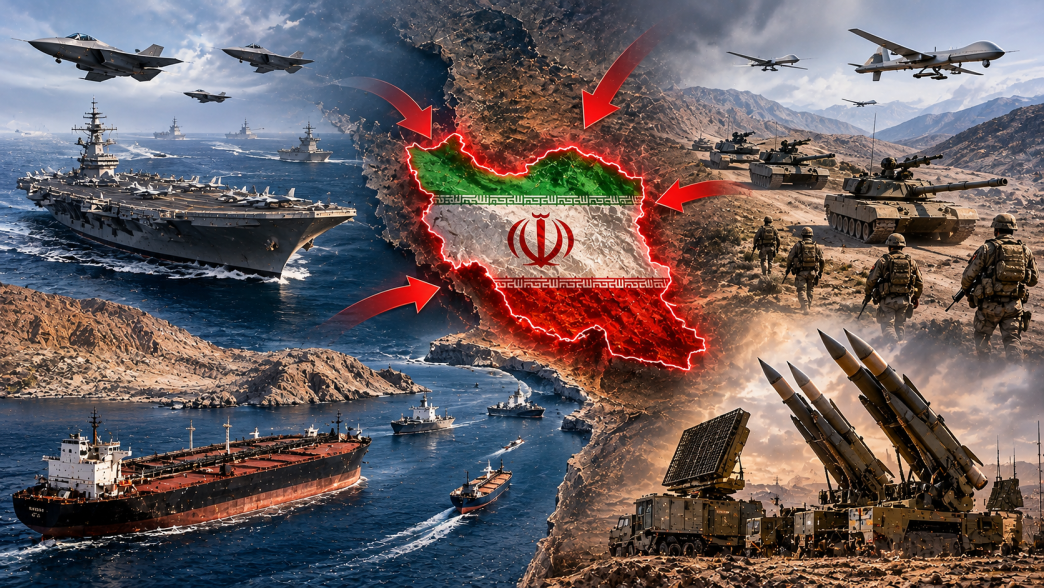
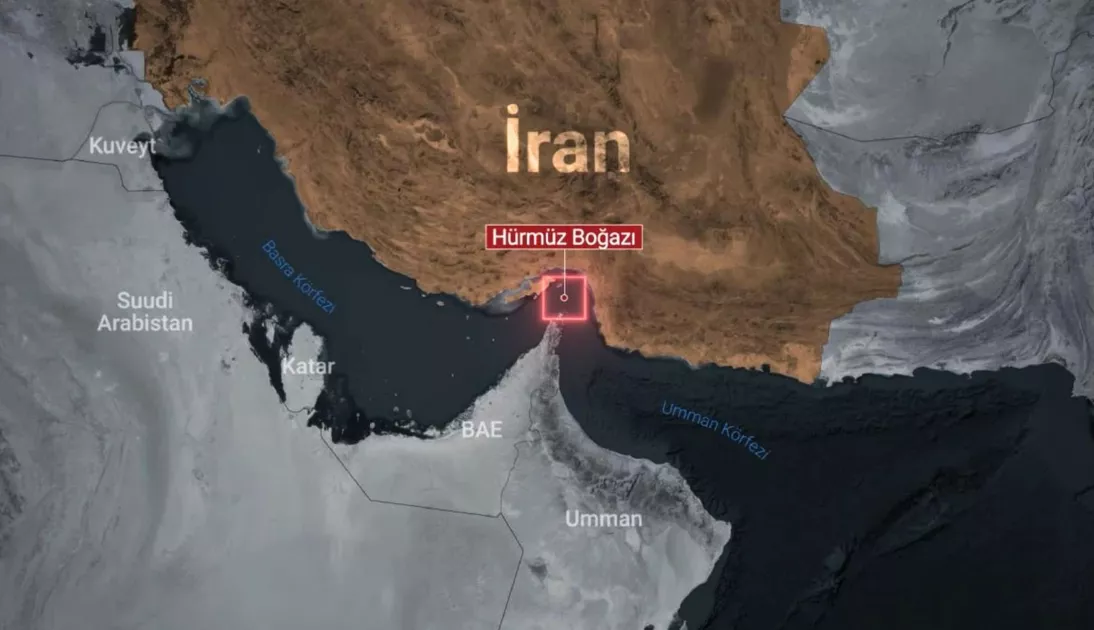
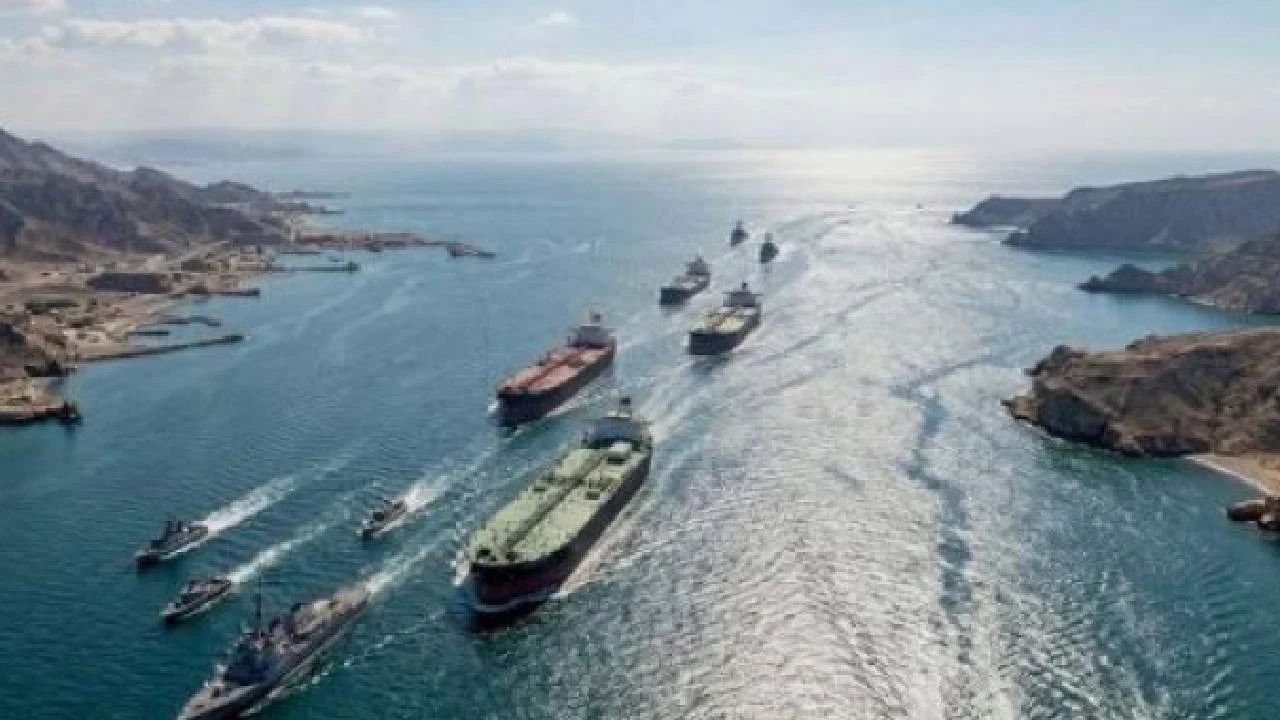
The confrontation between the United States and Iran is evolving beyond military operations and efforts to control maritime routes, increasingly taking the form of an economic and logistical encirclement. While Washington’s attempts to restrict Tehran’s foreign trade through the Strait of Hormuz have pushed Iran to seek alternative transportation routes, the United States is now considering a broader pressure strategy targeting the country’s land connections.
The emergence of truck queues along Iran’s borders with Türkiye and Pakistan, together with increased railway traffic linking China to Iran through Asia, indicates that Tehran is seeking alternative channels to maintain its economic activities in response to restrictions on maritime trade. These developments also highlight the difficulty of completely isolating Iran through a naval blockade alone, given its geographical position and extensive land connections. 
Washington’s new approach aims to bring Iran’s foreign trade under control not only through maritime restrictions but also by targeting its land borders and connections across the Caspian Sea. Through this strategy, the United States seeks to prevent Tehran from rebuilding its economic and military capabilities through weapons systems, dual-use technologies, sanctioned materials, and illicit sources of revenue.
Washington’s new move: Monitoring overland trade routes
The newly established Task Force Iron Gate, operating under US Central Command (CENTCOM), represents the operational component of this strategy. Based in Tampa, Florida, the approximately 20-member team is expected to work in coordination with US intelligence agencies to monitor Iran’s commercial activities across its land borders and the Caspian Sea.
CENTCOM Commander Admiral Brad Cooper has described the new structure as a complement to the naval blockade, aimed at making it more difficult for Iran to replenish its military capabilities, rebuild weapons manufacturing facilities, and provide resources to armed groups across the region. Although details about the task force’s operational methods remain limited, intelligence sharing with regional countries and coordination on border security are expected to play a central role.
Previous discussions between Donald Trump and Israeli Prime Minister Benjamin Netanyahu are also reportedly part of the background to this approach. The two leaders are said to have discussed increasing economic pressure on Iran through both military and non-military means, with the idea of monitoring land borders also emerging during these discussions.
However, Washington’s objective goes beyond restricting the movement of commercial goods. Identifying technological components required by Iran’s defence industry, materials that could also serve military purposes, and financial networks established to circumvent sanctions are also key elements of the plan.

