


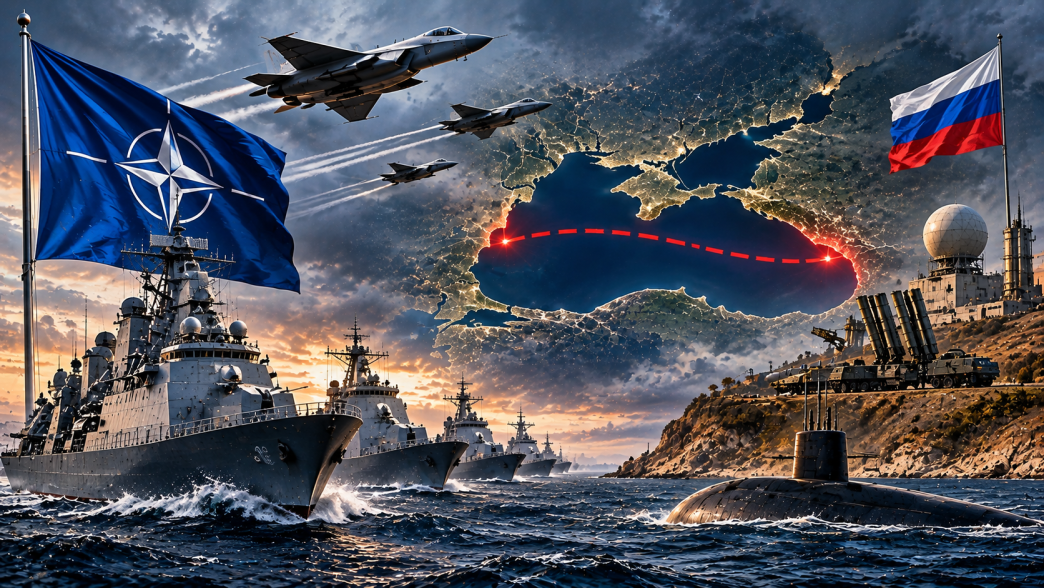
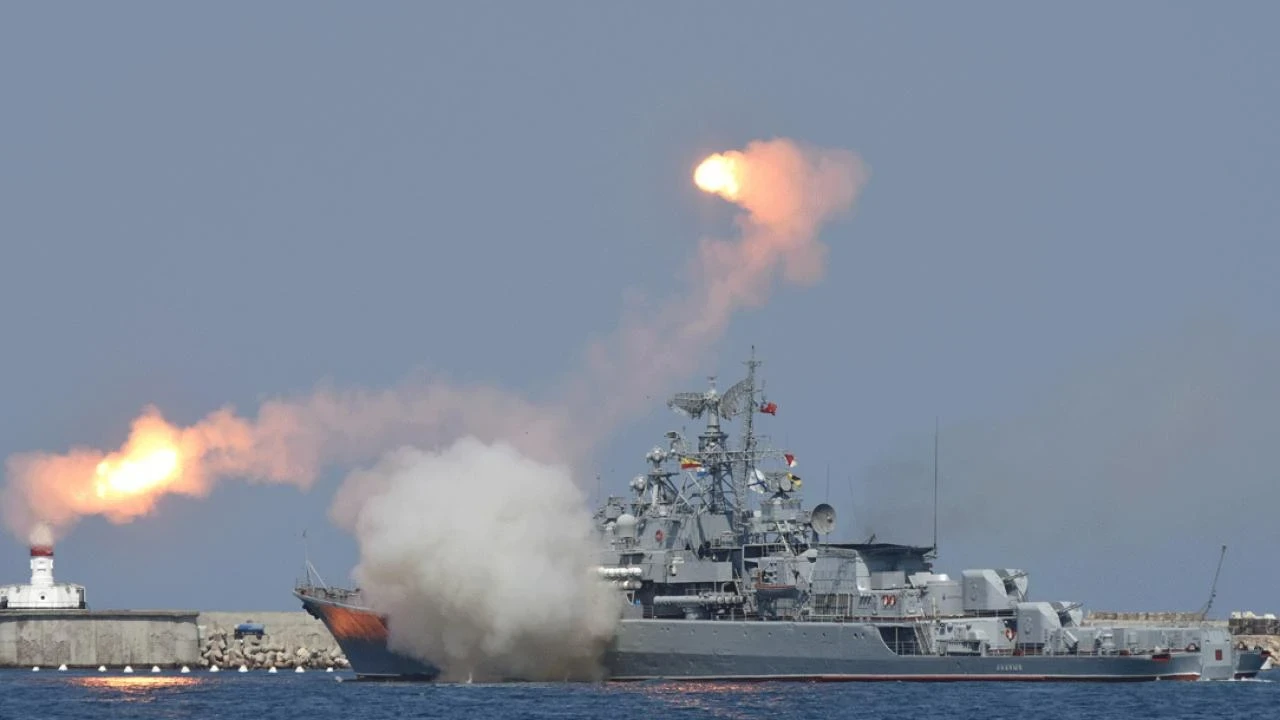
The ongoing war between Russia and Ukraine is no longer a military confrontation confined to the land and airspace of the two countries. The increasing targeting of commercial vessels, ports and maritime shipping routes in the Black Sea is expanding the conflict’s impact on regional security. Attacks taking place particularly close to the shores of NATO members such as Romania and Bulgaria demonstrate that the Black Sea is increasingly becoming a dangerous arena of military competition.
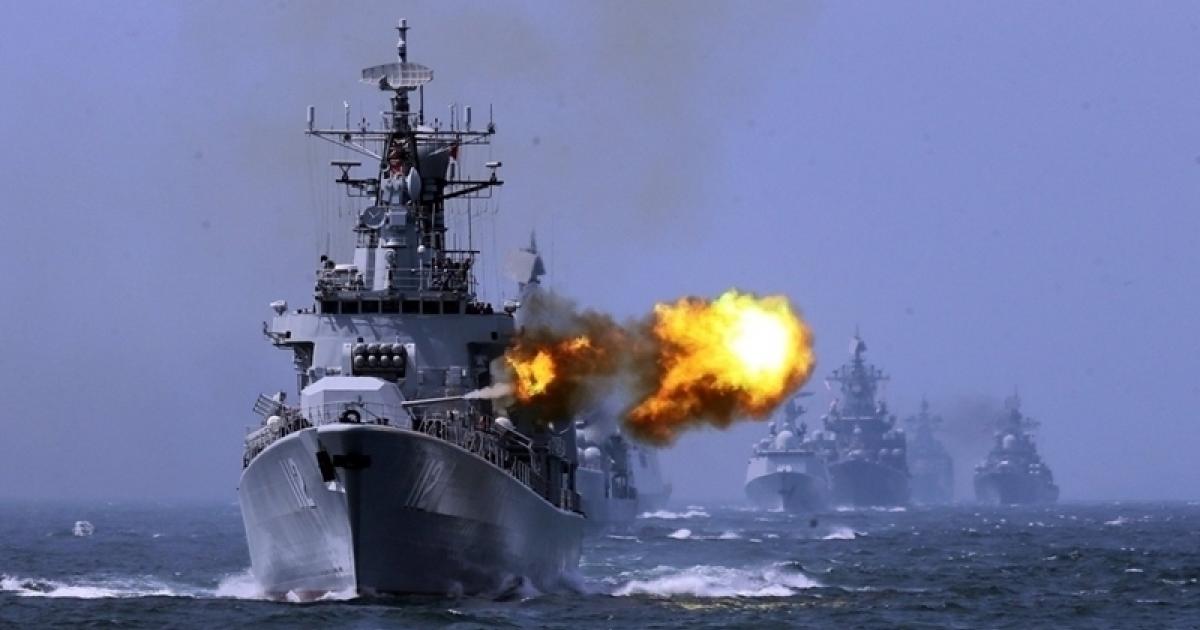
Following a series of attacks on commercial vessels around NATO members Romania and Bulgaria in October, the alliance decided to deploy patrol aircraft, radar systems and unmanned aerial vehicles to strengthen its maritime surveillance capabilities along its eastern flank. However, the continuation of attacks despite these measures has raised questions about NATO’s deterrence capabilities in the region. The targeting of another vessel just outside Romanian territorial waters on October 23, followed by the sinking of a Greek container ship by naval drones in Bulgaria’s exclusive economic zone, further highlighted the scale of the threat. 
Military experts have expressed strong assessments suggesting that Russia was responsible for a significant proportion of these attacks. The resemblance between the unmanned naval vehicle seen in footage of one of the latest strikes and models operated by Russia has been cited as supporting evidence. Moscow, meanwhile, denies targeting Ukraine’s neighbours and argues that military assistance provided to Kyiv by Western countries is contributing to the expansion of the war.
The most significant aspect of these developments is that the attacks are not aimed solely at disrupting Ukraine’s maritime trade. Operations conducted close to NATO territory can also be interpreted as part of a strategy designed to assess where the alliance’s limits lie and how far it is prepared to go in responding to such provocations.
NATO’s red lines are being tested
Developments in the Black Sea point to a pressure strategy that seeks to restrict NATO’s room for manoeuvre without triggering a direct military confrontation between Russia and the alliance. According to Iulia Joja, director of the Black Sea programme at the Washington-based Middle East Institute, Moscow is exploiting the West’s reluctance to escalate tensions in order to test NATO’s red lines.
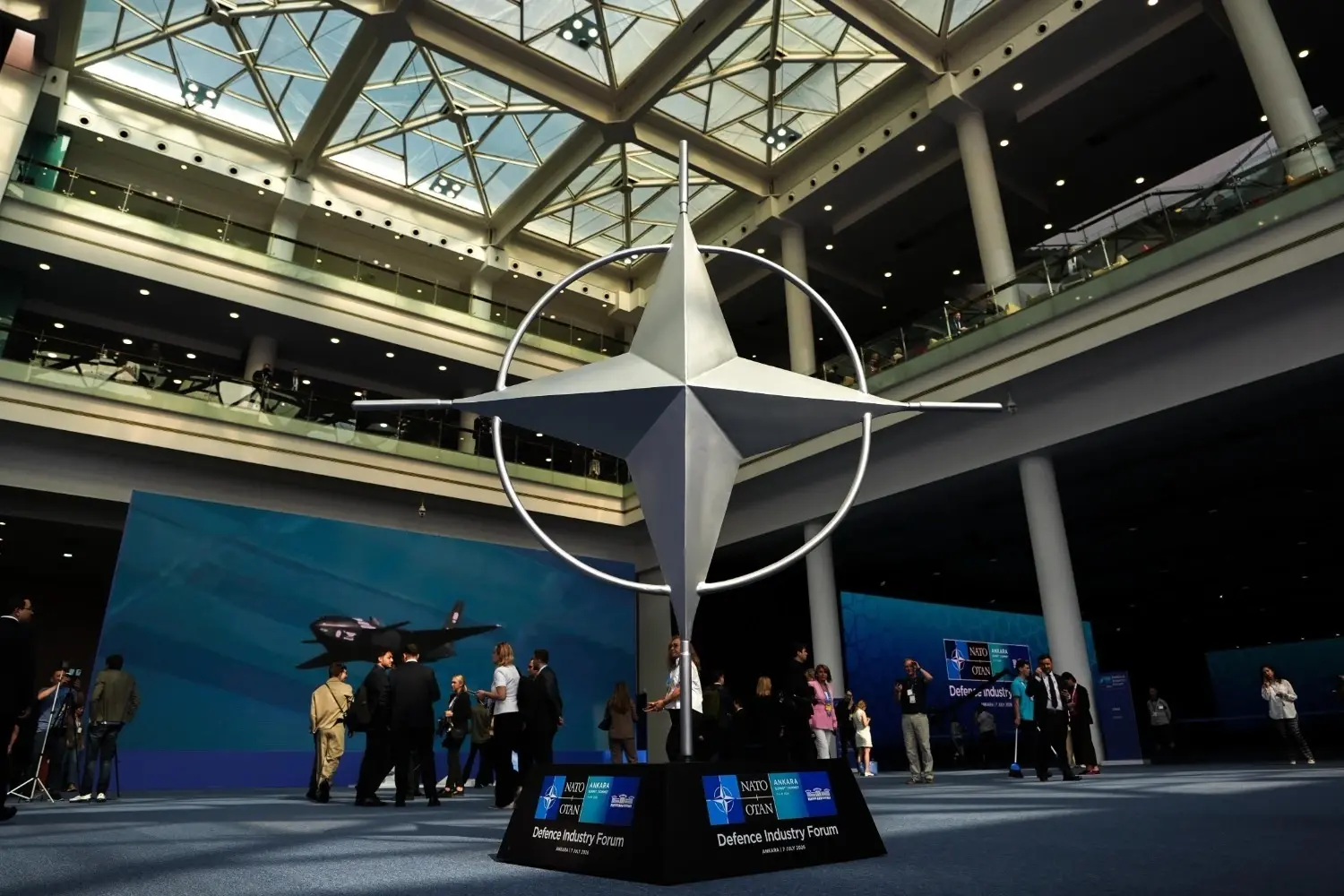
This approach bears similarities to Russia’s incursions into NATO countries’ airspace in previous years. Creating recurring security challenges and measuring the other side’s response without bringing the situation to the brink of direct war has become an important element of hybrid warfare.
NATO, for its part, maintains that threats against its allies in the Black Sea constitute a matter of collective security and that its commitment to defending all its members remains unquestionable. Nevertheless, the gap between political declarations and actual deterrence capabilities on the ground is becoming increasingly important.
In particular, the proliferation of low-cost unmanned naval and aerial vehicles is creating a new security environment that challenges NATO’s traditional defence approach. Attempting to neutralise relatively inexpensive unmanned systems with air-defence missiles costing millions of dollars is not economically sustainable. NATO’s commitment to allocating more than $40 billion to counter-drone capabilities over the next five years demonstrates that this threat has become one of the alliance’s key priorities.
However, this challenge cannot be resolved simply by purchasing more radar systems or interceptor missiles. Maritime surveillance, electronic warfare, AI-supported threat detection, joint command-and-control capabilities and affordable countermeasures against unmanned systems must be developed together.
Energy and trade security in the Black Sea
The consequences of military tensions in the Black Sea extend far beyond security concerns. The region occupies a critical position in terms of Europe’s energy supplies, grain trade and international logistics networks.
For Romania, the Black Sea is both a major route for foreign trade and a strategic area that will shape the country’s energy future. With the launch of the Neptun Deep offshore natural gas project, Romania is expected to become the European Union’s largest natural gas producer. However, the sighting of an unmanned naval vehicle near this energy field in August demonstrated just how important maritime security has become for the protection of energy infrastructure.
While Romania argues that attacks against civilian vessels have taken on a systematic character, Bulgaria also believes that some of these incidents serve Russia’s interests. Nevertheless, both countries have refrained from making direct and definitive accusations regarding every attack, reflecting their concerns about the possibility of tensions between NATO and Russia spiralling out of control.
These developments demonstrate that assessing Europe’s energy security solely in terms of pipelines and land-based connections is no longer sufficient. Offshore energy facilities, ports, undersea cables and commercial fleets are becoming essential elements of the modern security architecture that must be protected.
US priorities in Europe and NATO’s challenge
Another, more complex dimension of developments in the Black Sea concerns the United States’ reassessment of its global military priorities. Washington’s decision to place China at the centre of its long-term strategic competition has raised questions about the future of its military presence in Europe. The withdrawal of approximately 1,000 US troops from Romania last year is also regarded as a regional reflection of this shift.
It is hardly surprising that Russia would seek to take advantage of the current environment. Washington’s growing focus on the Indo-Pacific, Europe’s need to assume greater responsibility for its own security and emerging differences within NATO over strategic priorities could all create opportunities for Moscow.
Indeed, criticism that Romania’s requests have not received the same level of attention while NATO has strengthened its forward presence in the Baltic states and Poland has reignited debate over the unequal distribution of security priorities along the alliance’s eastern flank.
This makes the question of whether the Black Sea occupies as prominent a position as the Baltic Sea in NATO’s defence planning particularly important. The Black Sea is, after all, one of the most sensitive regions for European security because of Russia’s military activities, the war in Ukraine, its connections to the Caucasus, energy routes and maritime access to the Mediterranean.
A growing security vacuum in the region could affect not only Romania and Bulgaria but all countries bordering the Black Sea.
Attacks on maritime trade are turning into a global crisis
The scale of attacks in the Black Sea demonstrates that commercial maritime transportation has become a direct target of modern warfare. According to Ambrey Analytics data, 317 commercial and other vessels came under attack in the Black Sea and the Sea of Azov between May and October. This figure is more than four times the 74 attacks recorded during the preceding six-month period.
Although the intensity of the attacks has fluctuated over time, the threat to maritime trade is becoming a permanent feature of the conflict. Ukraine reportedly carried out more attacks on vessels than Russia during the third quarter, while Russia recorded a significant increase in the number of attacks in October. This picture suggests that naval warfare in the Black Sea has evolved beyond a one-sided pressure campaign into a struggle in which both sides seek to impose costs on the other.
Targeting ports and commercial vessels affects not only the economic capabilities of the two countries but also international supply chains. Disruptions to grain and energy transportation, in particular, are turning the Black Sea into a major vulnerability for global food and energy security.
Grain trade and food security under threat
One of the areas where the economic consequences of the war are being felt most clearly is grain exports. Russia and Ukraine are among the world’s major grain suppliers. Consequently, the disruption of Black Sea ports or the loss of security along maritime shipping routes can have serious consequences, particularly for countries dependent on imports.
Russia’s grain exports through the Black Sea and the Sea of Azov fell to just 300,000 tonnes in September, representing a dramatic decline compared with the 4.74 million tonnes exported during the same month last year.
Ukraine, meanwhile, was forced to suspend operations at its Black Sea ports from late July onwards because of Russian attacks. The Kyiv government attempted to establish alternative export routes by redirecting part of its shipments to ports along the Danube River and transporting them through Romania. However, these alternatives have not been sufficient to compensate for the losses. Ukraine’s grain exports through its ports fell to 810,000 tonnes in September, well below the 2.1 million tonnes recorded during the same period last year.
For this reason, one of Moscow’s primary objectives is believed to be further restricting Ukraine’s maritime trade. Testing NATO’s response may constitute a secondary objective of this strategy.
Ukrainian President Volodymyr Zelenskyy’s warning about the grain crisis also demonstrates that the issue goes far beyond the economic rivalry between the two countries. Pointing out that disruptions to agricultural production and food supplies are being overlooked while attention remains focused on energy prices, Zelenskyy has warned that a much larger agricultural crisis could emerge in the coming months.
Türkiye’s strategic role in the Black Sea
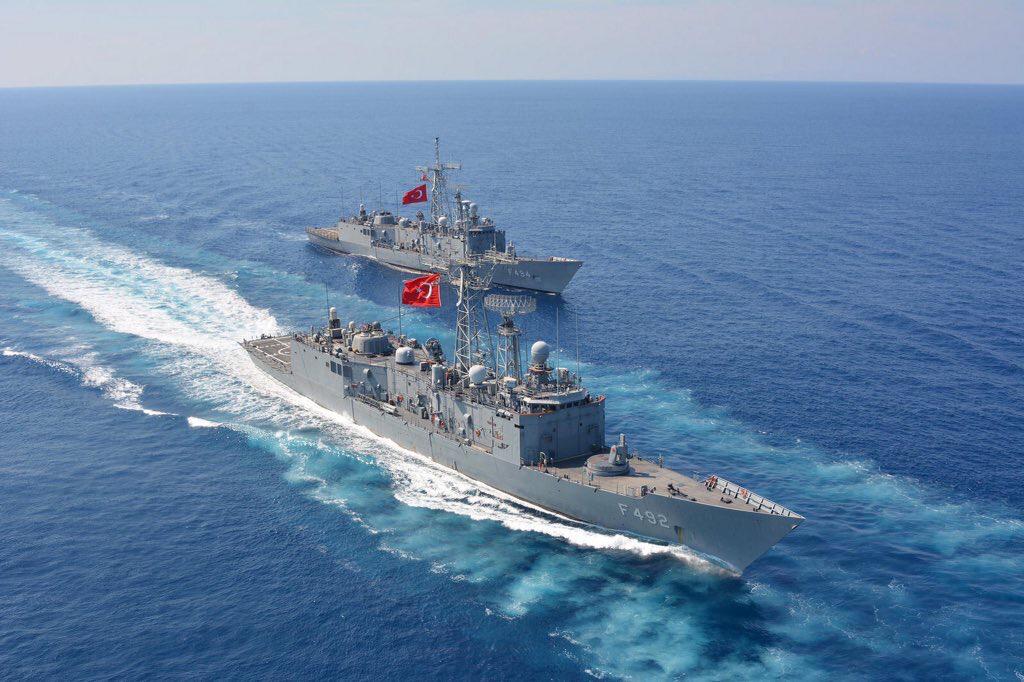
The deterioration of the security balance in the Black Sea is further increasing Türkiye’s geopolitical and military importance. Owing to its geographical position, Türkiye occupies a central place in the maritime passage between the Black Sea and the Mediterranean. At the same time, the Montreux Convention Regarding the Regime of the Straits gives Ankara a decisive legal role in maintaining the maritime security framework of the region.
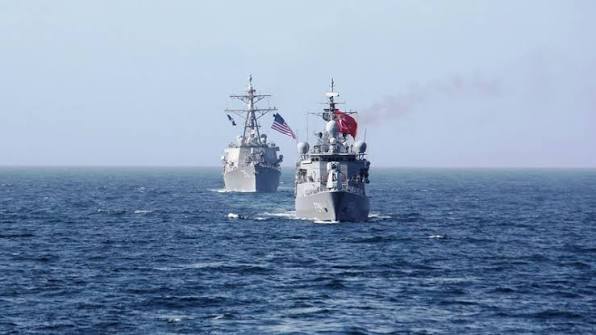
Following the outbreak of the Russia-Ukraine war, Türkiye’s implementation of the Montreux Convention and the restrictions it imposed on the passage of warships belonging to the belligerent parties played an important role in preventing the regional conflict from developing into a wider naval confrontation. Ankara’s approach has been a policy that takes into account not only Türkiye’s national security but also the preservation of the overall military balance in the Black Sea.
The trilateral cooperation mechanism established by Türkiye, Romania and Bulgaria to counter naval mines in the Black Sea also provides an important example of how regional security can be strengthened through the responsibility of littoral states. This approach demonstrates that the security of the Black Sea cannot be maintained solely through military assistance provided by NATO from outside the region; it also requires the countries bordering the sea to assume shared responsibility.
The meeting of defence ministers and military officials from Türkiye, Romania and Bulgaria in Sofia to discuss maritime security further highlighted the importance of this cooperation. While awaiting responses from Moscow and Kyiv to its proposal for a limited maritime ceasefire, Türkiye warned both sides against further attacks on commercial vessels.
The central element of Ankara’s approach is to prevent the Black Sea from becoming an arena in which the belligerent parties can use military force without restraint. A Black Sea where maritime trade loses its security, energy infrastructure remains under threat and a confrontation between NATO and Russia could escalate at any moment would also damage Türkiye’s economic and security interests.
Türkiye’s advantage in this regard is not derived solely from its military capabilities. Its legal position under the Montreux Convention, its cooperation with other littoral states and its ability to maintain open channels of communication with both Russia and Ukraine provide Ankara with diplomatic flexibility that few other actors possess.
Why is a maritime ceasefire necessary?
Proposals for a limited maritime ceasefire aimed at stopping attacks in the Black Sea could prevent a much larger regional crisis, even if they do not bring the wider war to an end. Initiatives by countries such as Egypt, Türkiye and India to ensure the security of maritime transportation demonstrate that international concern over this issue is growing.
US Secretary of State Marco Rubio’s statement that international interest in a limited ceasefire is increasing also shows that maritime security is no longer an issue concerning only the countries bordering the Black Sea.
Nevertheless, Russia opposes the proposal, arguing that such an arrangement would provide Ukraine with military and economic relief. From Moscow’s perspective, restoring the security of maritime trade could weaken the economic pressure being exerted on Ukraine. Kyiv, meanwhile, regards the security of maritime transportation as a priority in order to preserve its export channels.
However, continued attacks on commercial vessels do more than deepen the economic rivalry between Russia and Ukraine. Incidents occurring within the exclusive economic zones of NATO members create risks that could escalate into a direct confrontation between NATO and Russia as a result of miscalculation or an uncontrolled military response.
The need for a new security architecture in the Black Sea
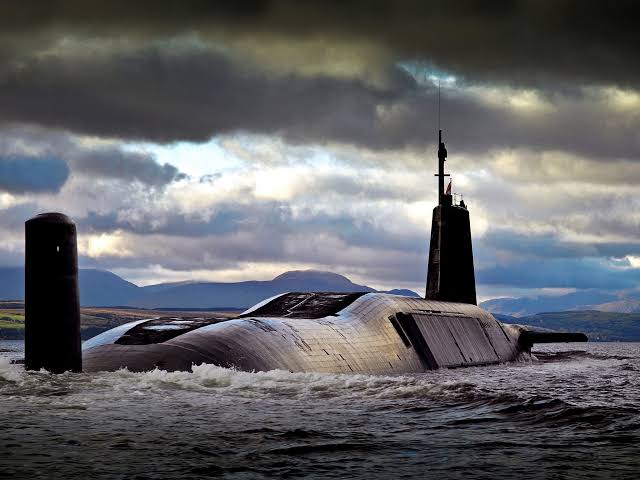
The emerging picture in the Black Sea demonstrates that the nature of modern warfare at sea is also changing. Low-cost unmanned naval vehicles, autonomous systems, electronic warfare and satellite-supported surveillance capabilities are now becoming just as influential in determining maritime superiority as major warships and submarines.
This transformation requires NATO and regional countries to reassess their defence planning. In particular, joint early-warning networks, countermeasures against unmanned systems and continuous maritime surveillance capabilities need to be developed to protect commercial vessels, energy facilities and critical maritime infrastructure.
For Türkiye, however, Black Sea security cannot be viewed merely as a matter of protecting NATO’s eastern flank. If the region turns into an arena where military competition expands uncontrollably, Türkiye’s economic connections, energy security and strategic room for manoeuvre will be directly affected.
For this reason, Ankara’s approach, which prioritises strengthening cooperation among littoral states, preserving the legal balance established by the Montreux Convention and safeguarding commercial maritime transportation, remains essential. Lasting stability in the Black Sea will not be achieved by turning the region into another front in the rivalry between major powers, but by establishing a balanced order that respects the sovereignty rights and security interests of the countries bordering it.
Ultimately, developments in the Black Sea point to a new security crisis extending beyond the geographical boundaries of the war in Ukraine. NATO’s deterrence, Russia’s military strategy and Europe’s energy and trade security have become intertwined within the same strategic equation. Within this equation, Türkiye is not merely a country observing developments from the sidelines. With its legal position under the Montreux Convention, military capabilities and diplomatic influence, Türkiye continues to be one of the key actors in preserving the security balance in the Black Sea.

