


Recent political, economic, and military disputes between the United States and its NATO allies have brought renewed attention to the future of the alliance. Disagreements over trade policies, tariffs, defense spending, and contributions to military operations cannot be viewed merely as a crisis of confidence between Washington and European capitals. These developments also reflect changes in the global balance of power and NATO’s need to adapt to a new strategic environment.
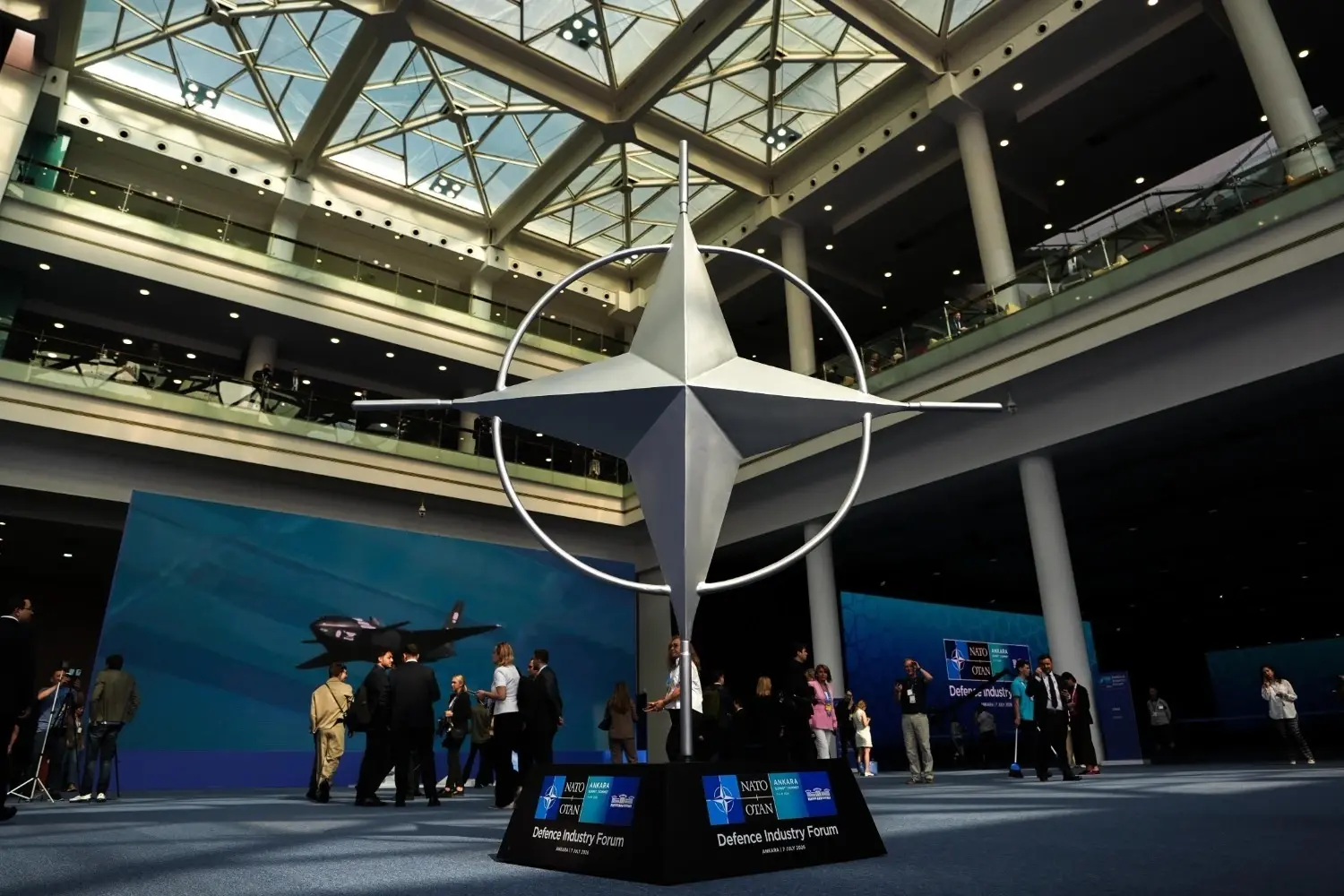
European countries’ responses to American calls for greater responsibility have occasionally escalated into political tensions. Some European leaders consider Washington’s demands incompatible with the principle of equality within the alliance, while others argue that Europe must strengthen its own defense capabilities and become more capable of acting independently within NATO. However, the objective should be to redefine Europe’s security responsibilities rather than push the United States out of the alliance. 
The American demand for greater defense contributions from European allies is not a new issue. During George W. Bush’s presidency, the development of NATO’s military capabilities and interoperability was placed on the agenda. Barack Obama later made it clear that Europe needed to assume a greater share of the defense burden. German Chancellor Friedrich Merz’s recent acknowledgment that Europe had benefited extensively from the American security umbrella in the past further demonstrates that this debate has been ongoing for decades.
Therefore, the challenge facing NATO is not simply Washington’s demand that Europe spend more on defense. The central issue is what military capabilities the alliance needs in an evolving threat environment and how those capabilities should be employed.
NATO 3.0 and Europe’s defense responsibilities
The NATO 3.0 approach outlined by U.S. Secretary of War Pete Hegseth at the NATO Defense Ministers’ Meeting in Brussels in June 2026 provides an important framework for the alliance’s future. Hegseth argued that NATO should return to its fundamental Cold War mission of defending Europe while developing a stronger war-fighting capability.
This approach also calls for a reassessment of the alliance’s expanded post-Cold War mission. The period described as NATO 1.0 was built around collective defense and deterrence against the Soviet Union. Following the Cold War, however, NATO’s responsibilities expanded, bringing counterterrorism, crisis management, and various global challenges increasingly to the forefront.
NATO 3.0 represents a period in which Europe assumes greater responsibility for its own defense while the United States reorganizes its global strategic priorities. Washington’s growing focus on the Indo-Pacific and its own national security makes the development of European military capabilities increasingly necessary.
American efforts to reduce its military presence in Europe to pre-2022 levels or redeploy certain forces to other regions are also part of this transformation. However, these developments should be understood not as an attempt to weaken NATO, but as part of a broader effort to make Europe more resilient in defense matters.
If Europe develops the capabilities necessary to defend itself, it could reduce the need for large-scale American military intervention during every crisis. Nevertheless, the growth of European military power should strengthen the alliance’s collective deterrence rather than replace the strategic contribution of the United States.
A new approach to nuclear deterrence
For NATO 3.0 to succeed, the future role of nuclear weapons in European defense must be reconsidered. Although global nuclear stockpiles have declined significantly since the Cold War, Russia’s nuclear capabilities remain a fundamental security concern for NATO members.
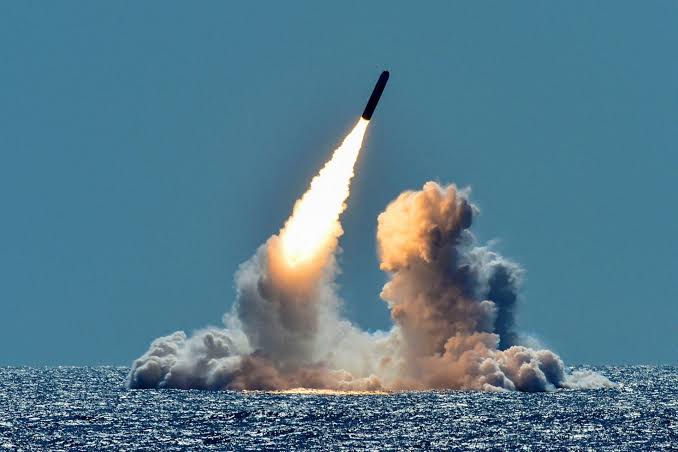
Russia’s much larger inventory of non-strategic nuclear weapons compared with NATO’s capabilities in this category has heightened European concerns about deterrence. The overall reduction in nuclear weapons has also increased the strategic importance of those that remain. With smaller arsenals, protecting each weapon, maintaining its operational readiness, and ensuring the ability to retaliate when necessary become more critical.
For this reason, NATO 3.0 should not regard reductions in nuclear weapons as a sufficient guarantee of security in themselves. The foundation of deterrence is the adversary’s belief that an attack would result in unacceptable costs. This belief must be supported not only by political statements but also by military capabilities and the willingness to respond when necessary.
Strengthening nuclear deterrence in Europe does not simply mean increasing the American nuclear presence on the continent. The concept of forward deterrence, introduced by French President Emmanuel Macron, envisages a greater contribution from France’s nuclear capabilities to European security.
France’s willingness to contribute to European security while retaining national control over its nuclear weapons opens a new debate about the continent’s defense architecture. According to Macron’s approach, France’s fundamental security interests could also encompass certain attacks against its European partners. However, this approach differs from the nuclear deterrence arrangements through which the United States shares its capabilities with NATO allies.
Poland’s interest in the French nuclear deterrence proposal and its consideration of different options, including nuclear capabilities, to strengthen its own security demonstrate the extent of Europe’s security concerns. Nevertheless, even if intended to strengthen deterrence, the acquisition of nuclear weapons by more European countries could create new security risks and proliferation challenges.
Escalation management and regional deterrence
The second major priority of NATO 3.0 is to ensure that nuclear deterrence contributes not only to preventing large-scale war but also to managing regional conflicts.
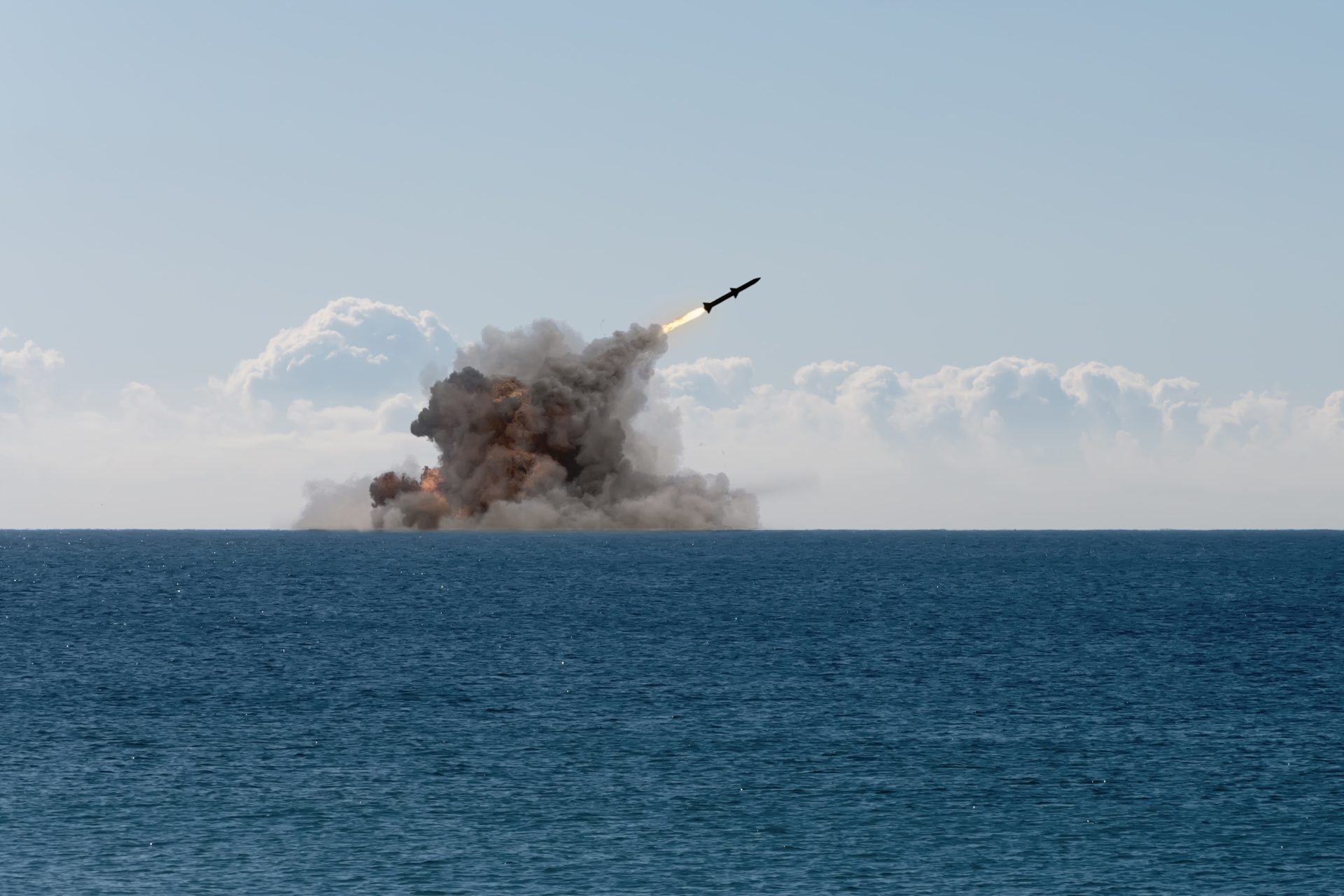
During the Cold War, NATO’s nuclear strategies were built around different levels of response to a Soviet attack. The doctrine of massive retaliation relied on the threat of an overwhelming nuclear response, while the subsequent strategy of flexible response envisaged the combined use of conventional and nuclear options.
The threats facing Europe today require these strategic debates to be reconsidered. Concerns that Russia could use limited nuclear weapons as instruments of political pressure and military escalation make it important for NATO to possess capabilities that allow it to respond at different levels.
In this context, it is argued that NATO needs not only strategic nuclear weapons but also systems with different ranges and levels of destructive capability. When considered alongside conventional weapons, these capabilities could allow the alliance to develop appropriate responses to an adversary’s actions during a potential crisis.
The objective, however, is not to make the use of nuclear weapons easier, but to establish credible deterrence by ensuring that no attack would go unanswered. The availability of different military options should be viewed as a safeguard against crises spiraling out of control.
The American nuclear umbrella and the future of the alliance
The third fundamental element of NATO 3.0 is preserving the role of American nuclear deterrence in the security of the alliance. NATO’s collective defense framework is based on the understanding that both conventional forces and nuclear deterrence provide a shared security guarantee.
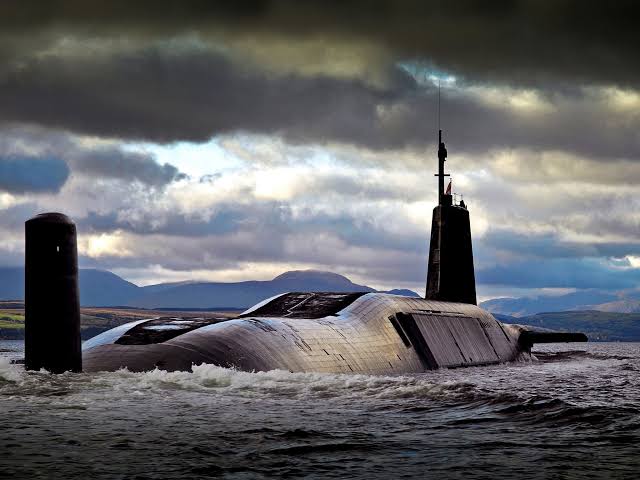
During the Cold War, the American nuclear presence in Europe reduced allied security concerns and strengthened deterrence against the Soviet Union. However, reductions in defense spending and the declining emphasis on certain military capabilities after the Cold War created new vulnerabilities in Europe’s security architecture.
Today, the nuclear arsenals of the United Kingdom and France cannot independently provide a level of deterrence equivalent to Russia’s extensive and diverse nuclear capabilities. This makes the American strategic guarantee particularly important for NATO members such as Poland, Finland, and the Baltic states, which face direct security tensions with Russia.
The American nuclear umbrella provides allies with the assurance that they will not be left alone in the face of nuclear threats or coercion. This guarantee is crucial to preserving NATO’s political cohesion and preventing Russia from using nuclear pressure against alliance members.
Nevertheless, if the strategic divide between the United States and Europe deepens, discussions about developing independent European nuclear deterrence capabilities could accelerate. Such a process could lead to significant changes in the alliance’s existing structure.
However, increasing Europe’s defense responsibilities is not the same as eliminating the strategic role of the United States. NATO’s long-term security could rest on a stronger foundation if Europe develops its conventional capabilities while the United States maintains its nuclear deterrence commitments.
The future of NATO: Strategic transformation, not division
NATO 3.0 does not represent the end of the transatlantic alliance, but rather a new phase in its adaptation to changing global power dynamics. Russia’s pressure on European security, China’s rise as a global power, and the need for the United States to redirect military resources toward different regions make it necessary to reorganize NATO’s missions and responsibilities.
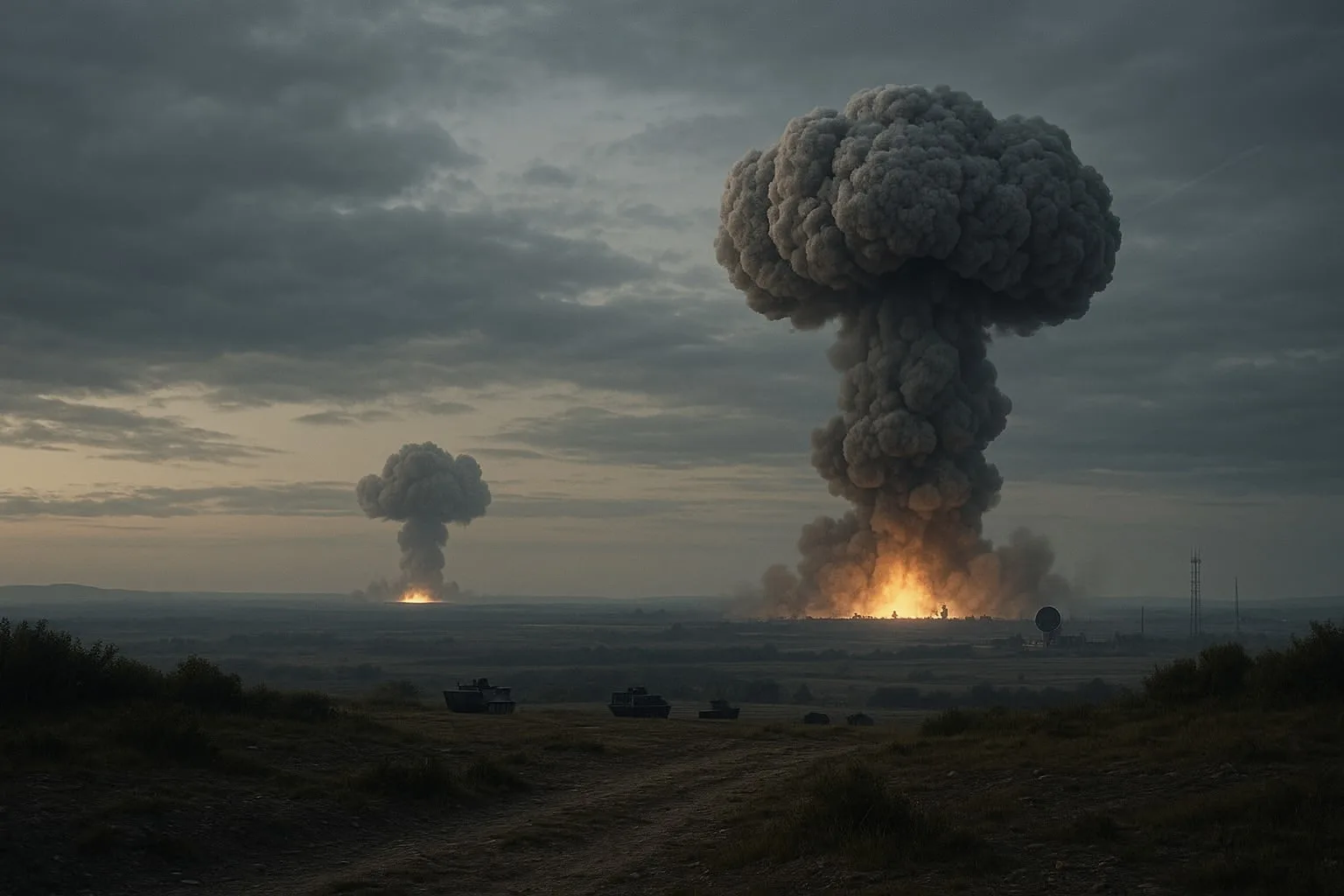
From this perspective, the American demand for allies to assume greater defense responsibilities can be regarded as a rational strategic approach. Greater European capacity for self-defense could make it easier for the United States to focus on its global priorities while strengthening NATO’s long-term sustainability.
Nevertheless, the expansion of Europe’s defense capabilities should not replace the strategic contribution of the United States. American capabilities in areas such as nuclear deterrence, advanced military technology, intelligence, and strategic logistics will remain fundamental components of NATO’s security architecture.
The success of NATO 3.0 will depend on establishing a balance between Europe assuming greater responsibility and the United States maintaining its strategic security guarantees to the alliance. This approach represents not a weakening of transatlantic relations, but a transformation toward a stronger alliance based on greater mutual responsibility.

