


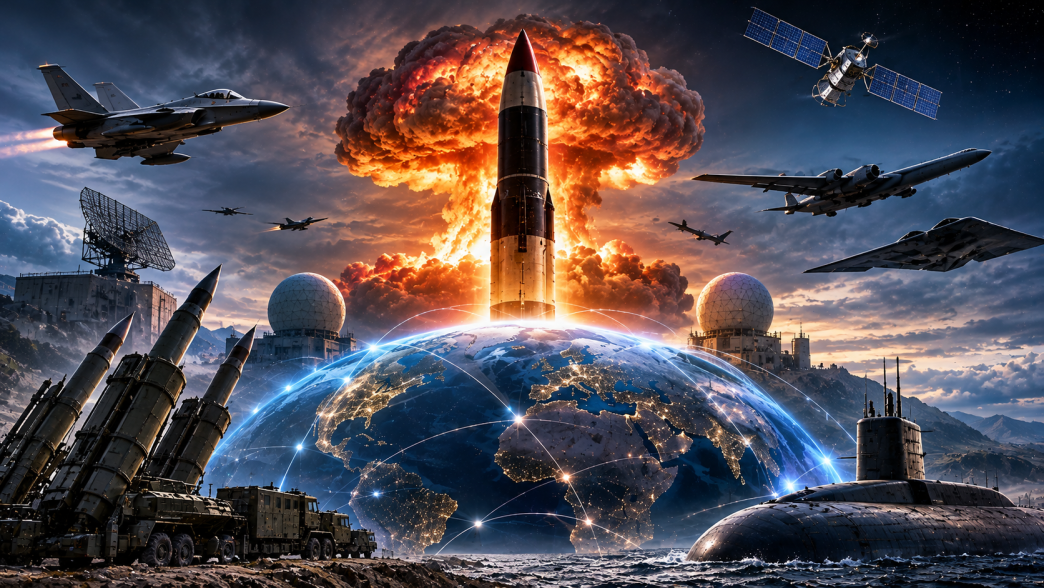
The rapid transformation of military technology is reshaping the strategic balance that underpins nuclear deterrence. Artificial intelligence, hypersonic weapons, quantum technologies, and cyber warfare capabilities are influencing not only how states wage war but also how they make decisions during crises.
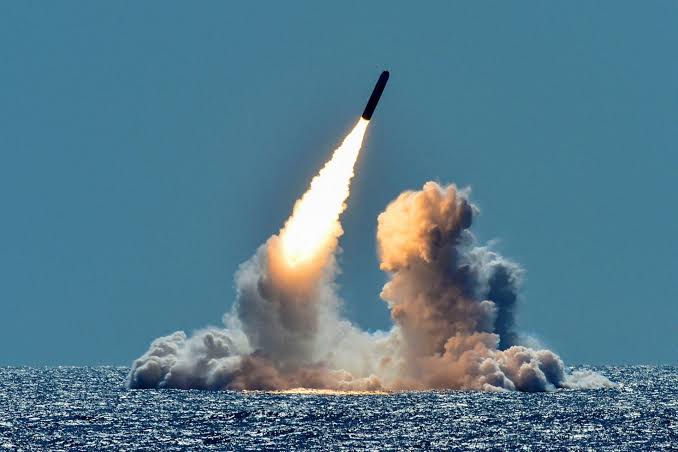
The dual-use nature of these technologies, which can serve both civilian and military purposes, is creating new risks that existing arms control agreements have yet to adequately address. 
During the Cold War, nuclear deterrence was based on the ability of opposing sides to destroy each other. Today, this balance is becoming increasingly fragile as technological advances shorten decision-making timelines and complicate threat assessments.
Artificial intelligence and decision-making processes
Artificial intelligence can accelerate military decision-making by analyzing vast amounts of data. However, its integration into nuclear command and control systems raises important questions about the role of human judgment in the decision-making process.
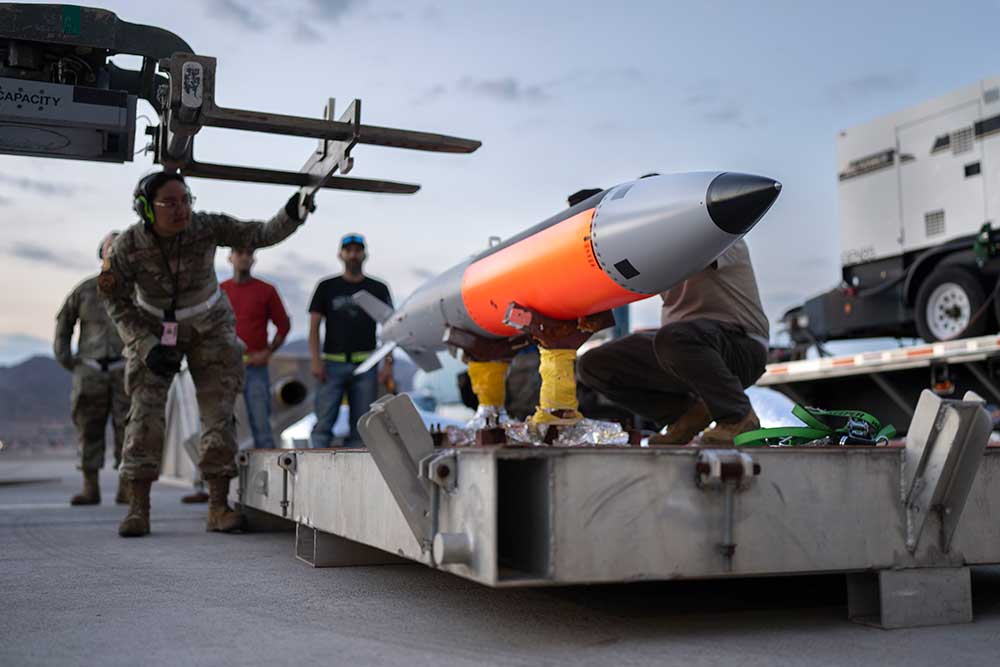
The United States is considering the use of AI in modernizing its nuclear command and control infrastructure. Russia, meanwhile, is developing automated systems designed to preserve its retaliatory capabilities if its leadership is incapacitated. These approaches indicate that decision-making mechanisms may increasingly rely on algorithms and automated verification processes.
While such developments can reduce the time required to assess a potential nuclear attack, they also increase the risk of decisions being made on the basis of false alarms or inaccurate data.
Hypersonic weapons and crisis management
With speeds exceeding Mach 5 and the ability to maneuver during flight, hypersonic weapons pose a new challenge to existing air defense systems. More importantly, the difficulty of determining whether these weapons carry conventional or nuclear warheads at an early stage complicates an adversary’s decision-making process.
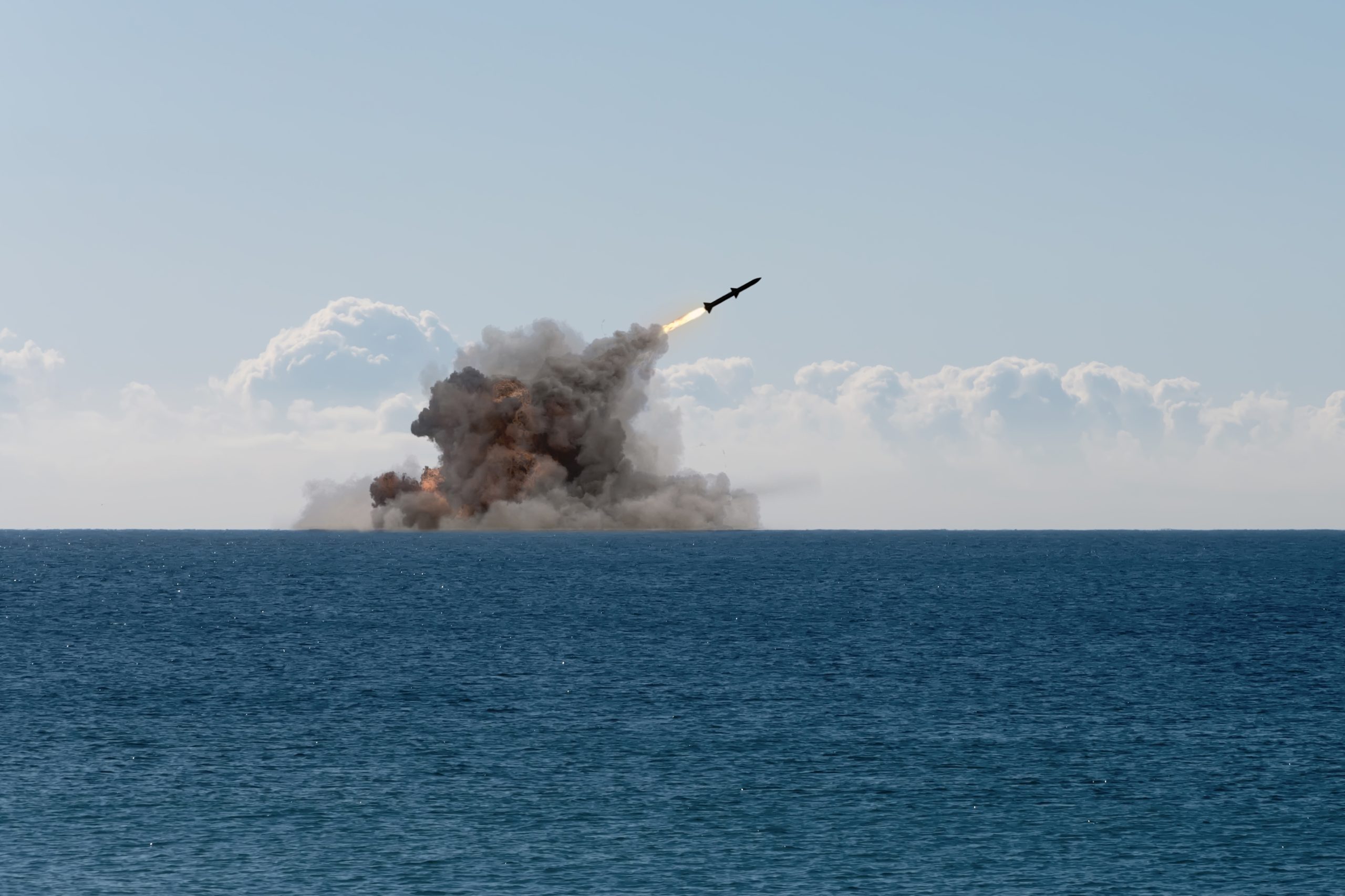
India’s advances in hypersonic technology and Pakistan’s efforts to expand its missile programs are affecting the strategic balance, particularly in South Asia. The geographical proximity of the two countries already limits the time available to assess a potential crisis and respond accordingly.
The United States’ efforts to equip its Zumwalt-class destroyers with conventional hypersonic strike systems create similar uncertainty. A platform that could be perceived as a nuclear threat on radar but carries conventional weapons demonstrates how misinterpretations can lead to dangerous consequences.
Quantum technologies and strategic vulnerabilities
Quantum computers could eventually make encryption systems currently considered secure more vulnerable. In terms of the security of nuclear command and control networks, this development represents not merely a technical challenge but a direct threat to strategic stability.
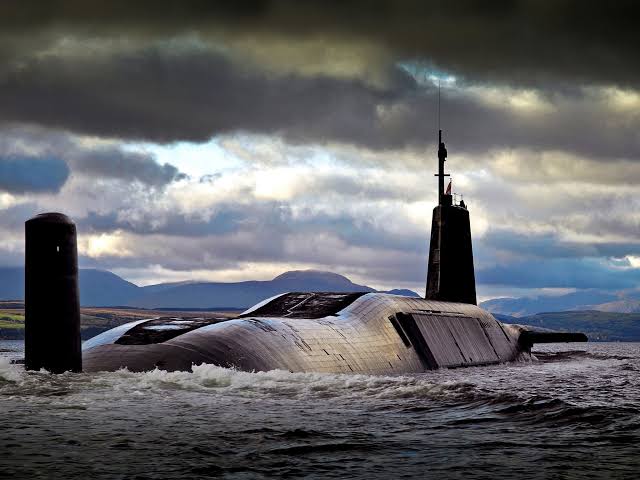
Quantum sensing technologies also offer new possibilities for detecting submarines. Advances that could threaten the stealth capabilities of nuclear-powered submarines may undermine the credibility of second-strike capabilities.
Any weakening of retaliatory capabilities, one of the fundamental pillars of nuclear deterrence, could encourage states to make earlier and riskier decisions during crises.
Cyber warfare and the risk of nuclear escalation
Cyber operations have become a means of warfare capable of producing consequences comparable to those of physical attacks. The Stuxnet operation, which targeted centrifuges at Iran’s nuclear facilities, demonstrated how digital attacks can damage critical military infrastructure. Russian cyberattacks against Ukraine’s energy infrastructure and Ukrainian operations targeting Russian digital systems are further examples of this transformation.
Cyberattacks against nuclear command and control systems, however, could have far more serious consequences. Disabling early-warning systems, generating false signals, or disrupting communication networks could lead a state to believe that its adversary has launched a nuclear attack.
These risks are particularly pronounced for countries such as India and Pakistan, which possess nuclear weapons and are engaged in intense military competition. In an environment where the distinction between conventional and nuclear weapons is becoming increasingly blurred, a single cyber operation could push a crisis beyond the point of control.
Human oversight as a strategic imperative
Next-generation military technologies are transforming the traditional foundations of nuclear deterrence. Shorter decision-making timelines, uncertainty over the nature of weapons, and the growing vulnerability of command systems to cyberattacks are increasing the likelihood of miscalculation.
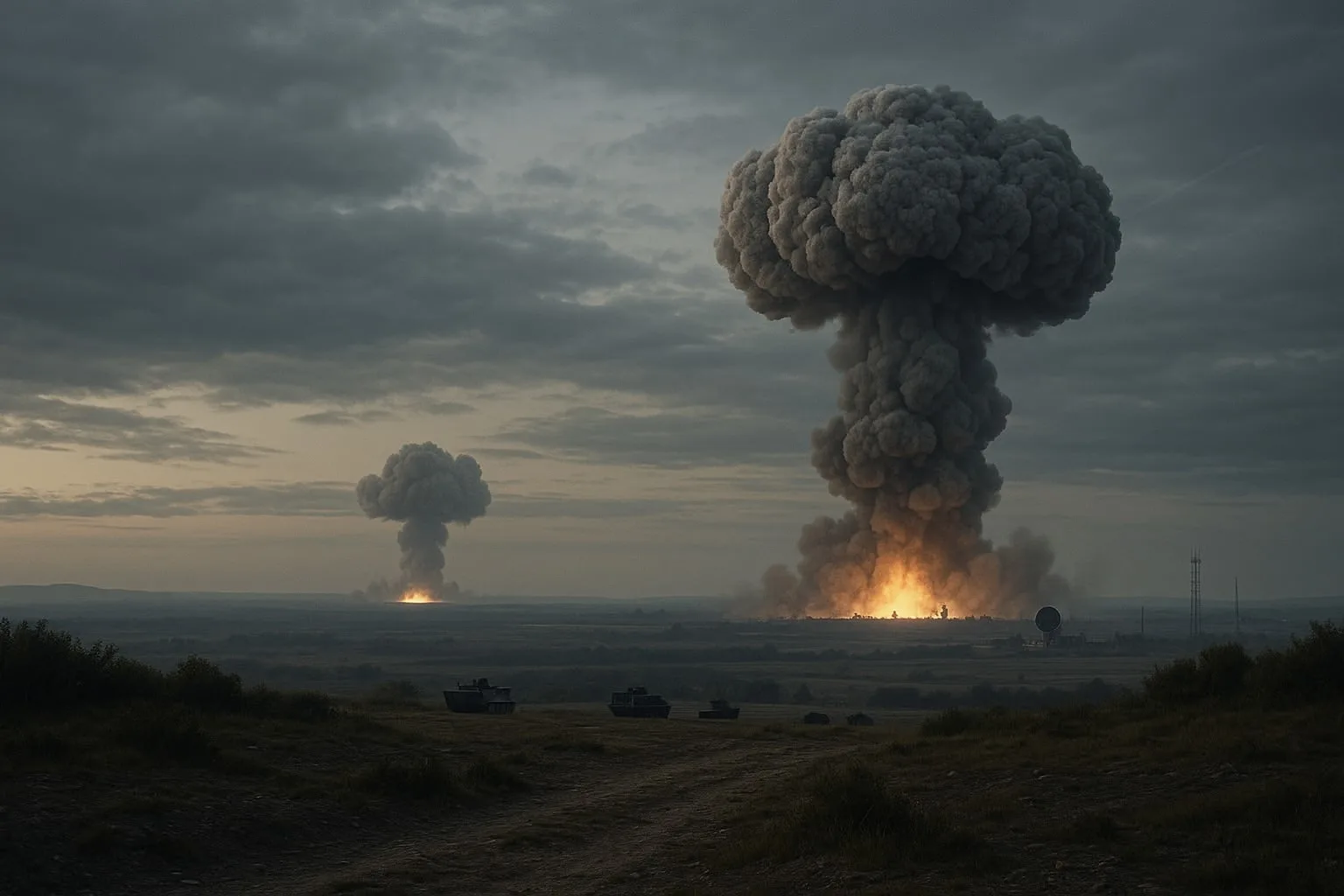
The challenge, therefore, is not simply to develop more advanced weapons or achieve technological superiority. The fundamental question is how strategic decisions can remain under control in an environment where machines operate faster than humans.
Keeping the final decision on nuclear weapons use under human control, preserving crisis communication channels, and establishing international regulations for emerging technologies are essential to maintaining future strategic stability. Otherwise, the speed and uncertainty generated by technological competition could create a scenario far more dangerous than a deliberate nuclear attack: an accidental nuclear escalation triggered by algorithms.

