




Modern warfare is no longer conducted solely on battlefields with tanks and missiles. Electronic warfare, cyberattacks, the targeting of communication networks, and information operations have become strategic tools used by states against one another. These methods weaken an adversary’s decision-making capacity without engaging in direct armed conflict, while extending the effects of war beyond national borders.

A NATO exercise held at Lithuania’s Šiauliai International Airport highlighted the consequences of this transformation. Reports of disrupted communications and electronic signal interference across Ukraine raised concerns about the impact of Russian electronic warfare activities on regional security. The exercise demonstrated that electronic warfare attacks can threaten not only military units but also civil aviation and everyday life. 
The struggle for power in the gray zone
For NATO and the European Union, the fundamental challenge is not simply how to respond to such attacks, but how quickly their nature and perpetrators can be established with certainty. Russia’s electronic warfare activities constitute a mechanism of pressure capable of targeting an adversary’s infrastructure without a formal declaration of war, while complicating political decision-making.

This situation has also produced differing approaches within the alliance. Some advocate activating NATO’s consultation mechanisms to protect civilian safety and keep tensions under control, while others view these incidents as part of Russia’s long-standing hybrid warfare strategy.
However, more severe consequences, such as an electronic warfare attack causing a commercial aircraft disaster, make these differences even more difficult to reconcile. In such circumstances, as NATO’s potential activation of its collective defense mechanism comes under debate, establishing the perpetrator’s responsibility and uniting alliance members around a common response become critically important.
The challenge of deterrence and decision-making
One of the most significant advantages of hybrid warfare is the ability of an aggressor to remain below the threshold of direct conflict. Electronic warfare and cyberattacks can cross geographical boundaries while making it difficult to identify their source. This allows the aggressor to assess the adversary’s response and adjust the intensity of its operations when necessary.

NATO, meanwhile, is compelled to act more slowly because of international law, political consensus, and collective decision-making procedures. This asymmetry can amplify the impact of hybrid threats while testing the alliance’s deterrence capabilities.
For this reason, NATO cannot rely solely on diplomatic responses during crises. It needs to strengthen intelligence sharing, improve resilience against electronic warfare attacks, and prepare options in advance to increase the costs for potential aggressors when necessary.
Ukraine’s experience and the defense of the future
The Russia-Ukraine war has demonstrated how rapidly technological competition in electronic warfare can evolve. Drawing on battlefield requirements, Ukraine has gained considerable experience in developing electronic warfare systems, countermeasures, and unmanned systems. Throughout this process, the defense industry’s capacity for rapid production and innovation has become a decisive factor in military success.
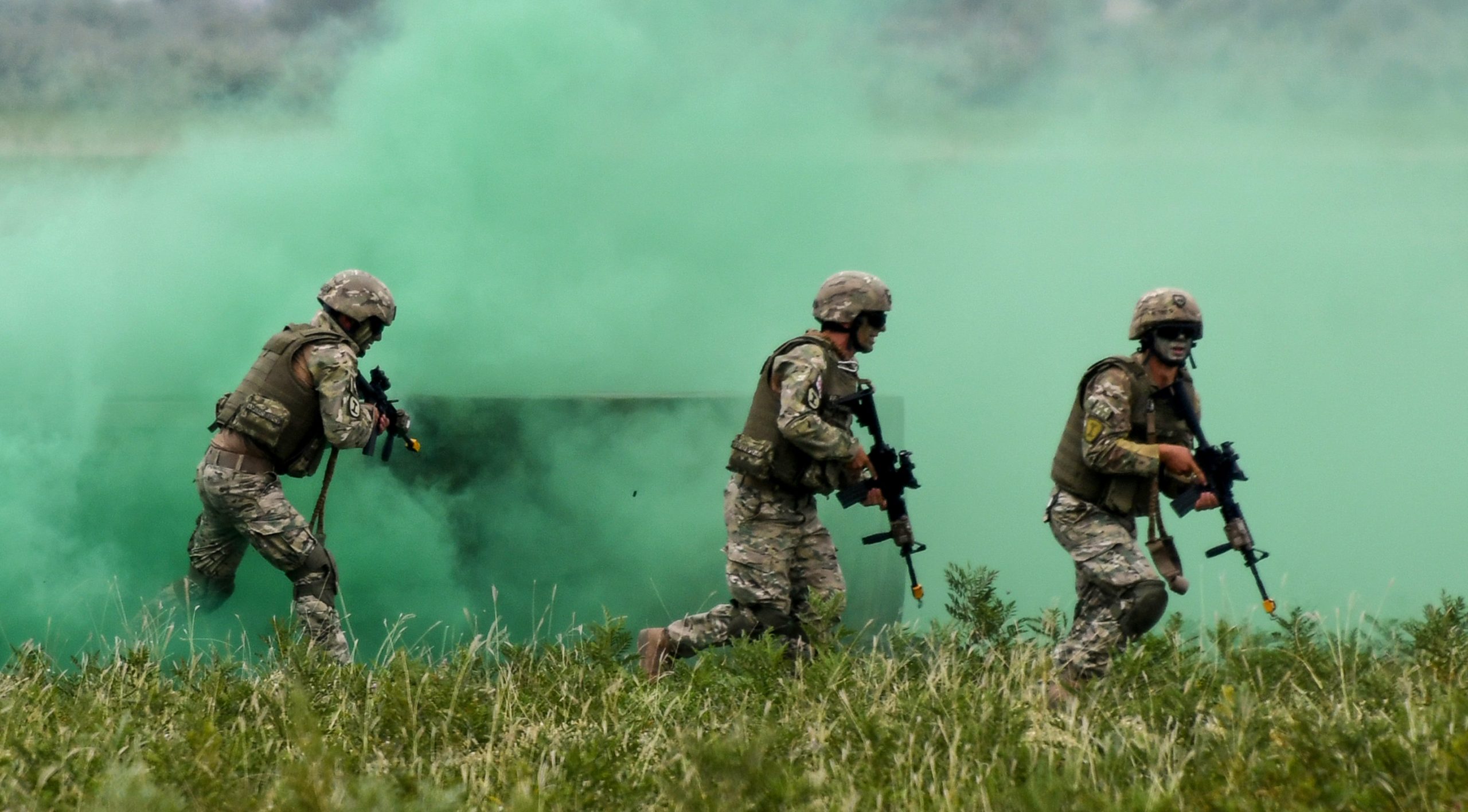
Integrating Ukraine’s experience more deeply into NATO’s defense planning could help the alliance adapt more quickly to evolving threats. In future wars, superiority will be measured not only by the possession of more advanced weapons, but also by the speed with which a force can respond to its adversary’s methods.
The future of hybrid warfare will depend on how effectively states can operate in the uncertain space between peace and war. As electronic warfare, cyberattacks, and information operations become increasingly interconnected, NATO faces a changing fundamental challenge: the ability to identify threats accurately and, just as importantly, to make collective decisions and act in a timely manner.
In this context, hybrid warfare is emerging as a new arena of competition in which not only military capabilities but also political will, technological resilience, and coordination within alliances are being tested.

