


Russia’s war in Ukraine and the resulting increase in threats to European security are prompting NATO members to reshape their defense cooperation. With Finland and Sweden joining NATO, the Nordic countries have significantly strengthened their joint military planning, intelligence sharing, and cross-border operational capabilities.
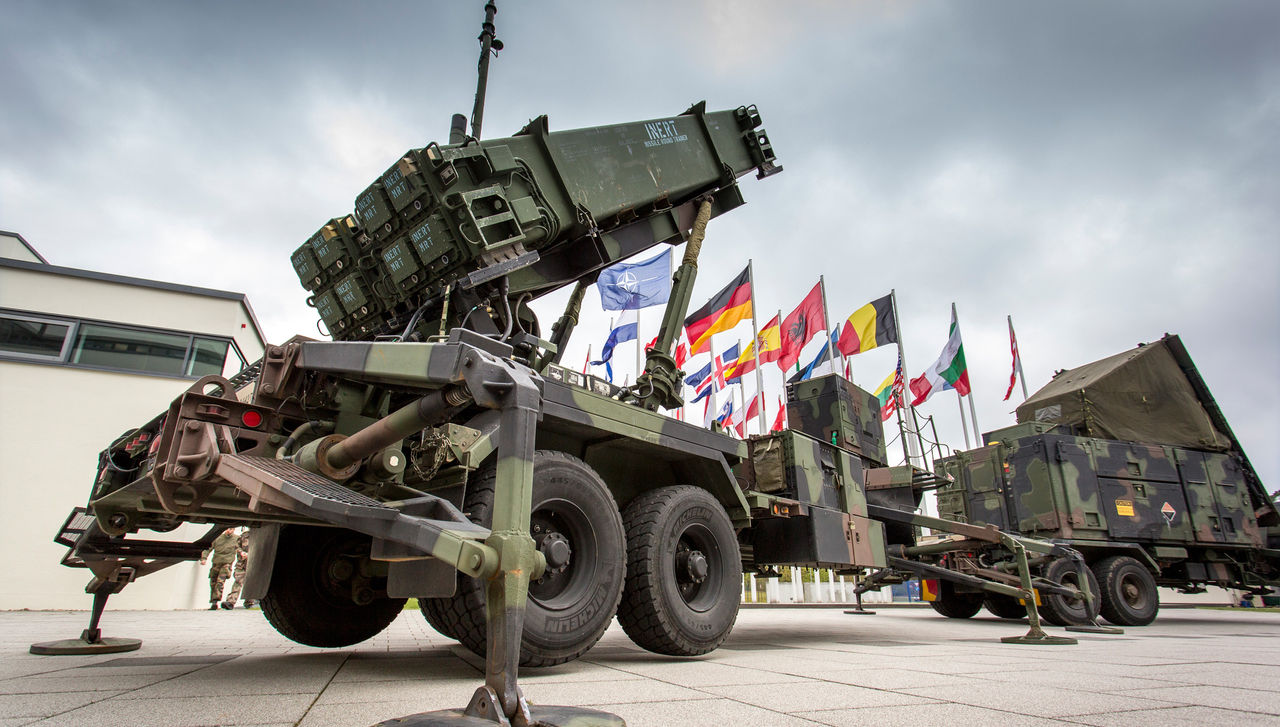
The structure established among Denmark, Finland, Iceland, Norway, and Sweden represents a new model for strengthening regional deterrence. Through joint defense plans and regular military exercises, these countries aim to operate as a single military force when necessary. 
Sweden’s deployment of fighter aircraft and a warship, at Finland’s request, to support the security of Finnish airspace and the Gulf of Finland demonstrates how far this cooperation has progressed. The fact that Swedish assets operated under Finnish command and in accordance with Finland’s rules of engagement shows that military coordination between the two countries now extends well beyond joint exercises.
The era of regional defense within NATO
Russia’s growing military capabilities and increasing threats to Europe’s critical infrastructure are pushing countries along NATO’s eastern flank toward closer cooperation. The US approach of transferring greater responsibility for European defense to its allies is further reinforcing this need.
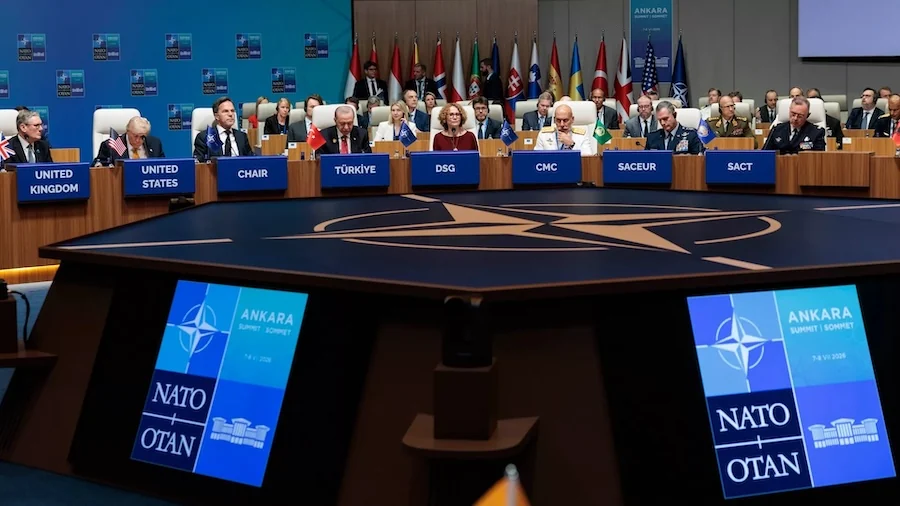
In this context, regional defense partnerships are emerging as a mechanism that complements NATO’s collective defense framework. The model developed by the Nordic countries demonstrates that allies in different geographical regions can establish more flexible and effective defense structures tailored to their own security requirements.
The Baltic states, Poland, and NATO members bordering the Black Sea could draw on this model to establish stronger defense mechanisms among themselves. Joint exercises, defense planning, coordination of air defense systems, and improved military mobility could become the main pillars of this process.
In the Baltic region, closer integration of the defense plans of Estonia, Latvia, and Lithuania, a greater Polish contribution to regional security, and the development of joint military infrastructure projects could strengthen deterrence against Russia.
Türkiye’s role in the Black Sea
The cooperation initiated between Türkiye, Romania, and Bulgaria in the field of maritime security in the Black Sea represents an important starting point for regional deterrence. Mine-clearing operations and efforts to protect critical maritime infrastructure could lay the foundations for a more comprehensive approach to collective defense.
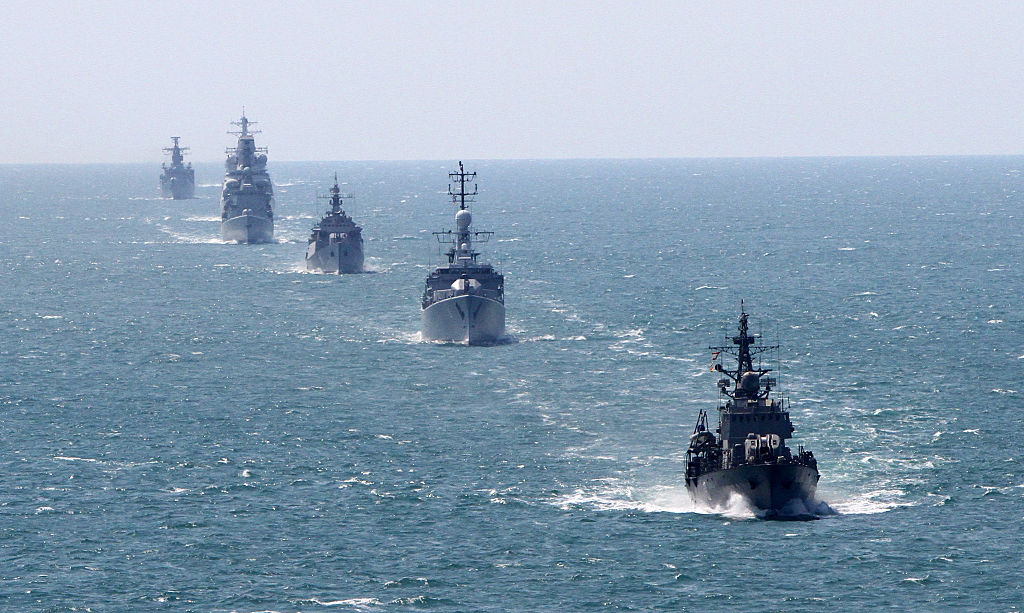
Türkiye’s advanced naval and air capabilities, defense industry capacity, and strategic geographical position could play a decisive role in strengthening this cooperation. In particular, joint capabilities developed in maritime surveillance, unmanned systems, air defense, and the protection of critical infrastructure could make a significant contribution to the security environment in the Black Sea.
Nevertheless, differing threat perceptions among regional countries regarding Russia make the establishment of a common defense structure more challenging. Although it may not be possible to reach the level of cooperation achieved by the Nordic countries in a short period, regular military exercises and joint operational planning could help advance this process.
For Türkiye, regional defense cooperation is not merely about strengthening NATO’s southeastern flank. It is also of strategic importance for maintaining security in the Black Sea, ensuring the continuity of maritime trade, and supporting regional stability.
A new balance in European defense
Regional defense partnerships are expected to become increasingly important in NATO’s future. Rather than weakening the alliance’s collective defense approach, these structures could enable it to respond more rapidly and effectively when necessary.
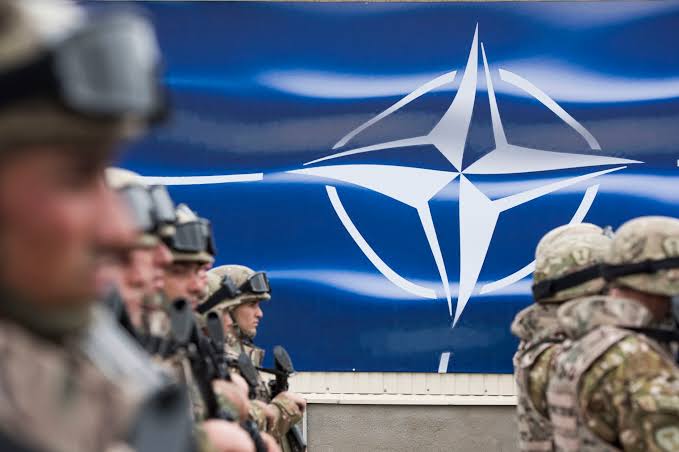
At a time when European countries are assuming greater responsibility for their own defense, simply increasing military capabilities will not be sufficient. These capabilities must also be supported by joint planning, coordination, and operational interoperability.
Adapting the Nordic model to other regions could establish stronger deterrence along NATO’s eastern flank. The active involvement of allies such as Türkiye, which possess substantial military capabilities and advanced defense industries, would further strengthen the alliance’s defense capacity.
Ultimately, NATO’s future will depend not only on US military support but also on strong and sustainable cooperation developed among European countries themselves. Regional defense structures are emerging as one of the most important instruments of this transformation.

