


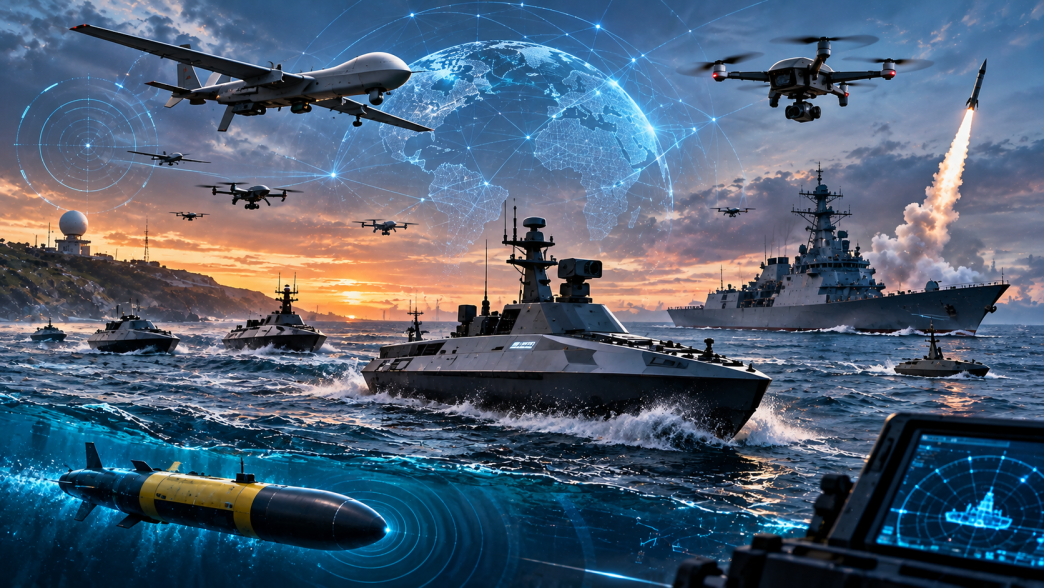
While the Russia-Ukraine war has demonstrated how unmanned aerial vehicles can transform the course of modern warfare, this transformation is now extending to the seas. In September 2026, a Ukrainian unmanned surface vessel sank a Russian unmanned surface vessel in the Black Sea, heralding a new era in naval warfare.
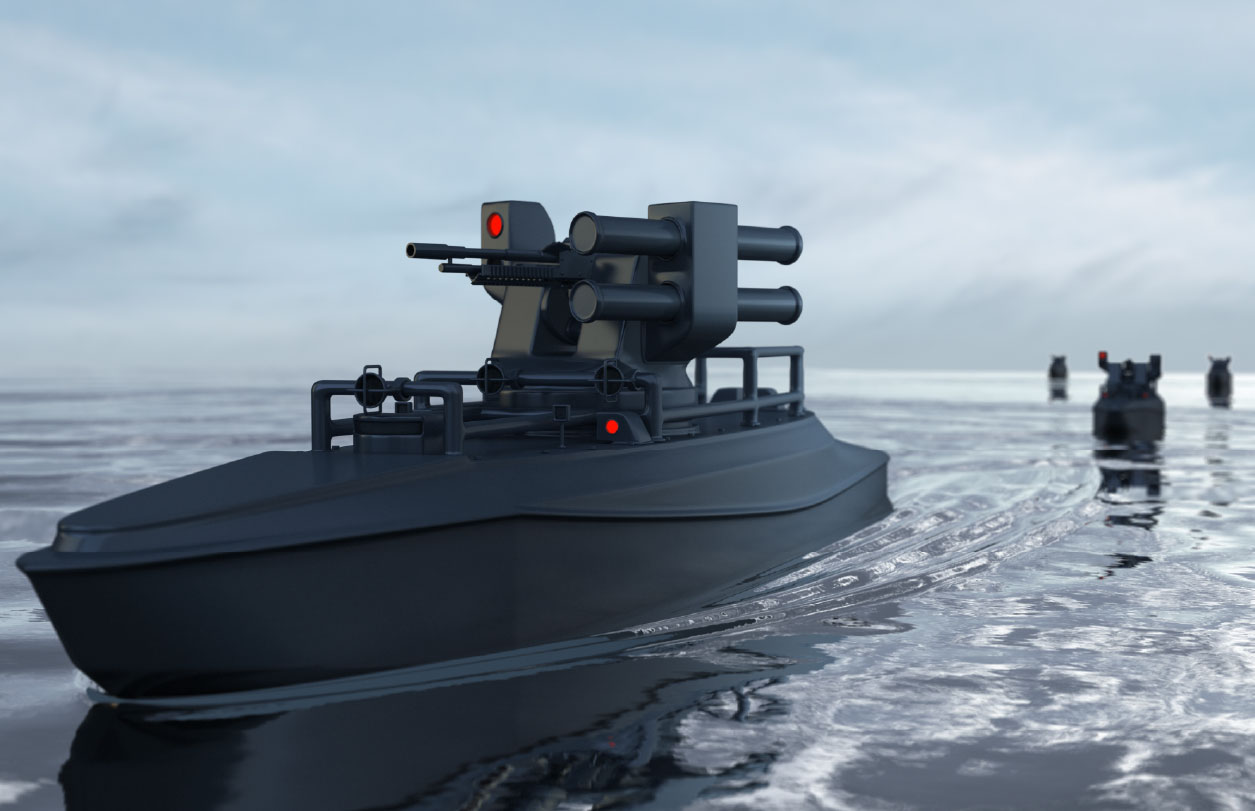
The United States also demonstrated its capabilities in this field during the Iran war by striking targets with unmanned surface vessels and rescuing downed pilots. Systems used to intercept drug trafficking in the Caribbean have further proven that unmanned maritime vehicles can play an important role not only in military operations but also in security and surveillance missions. 
These developments show that the future of naval forces will be shaped not only by large warships but also by low-cost, expendable unmanned platforms. Military competition at sea is now being shaped by autonomous technologies, data sharing, and artificial intelligence-assisted decision-making, alongside traditional ships and weapons systems.
The strategic value of low-cost systems
The examples of Ukraine, Russia, and Iran demonstrate that low-cost unmanned systems can achieve significant results against expensive military platforms. However, the United States faces bureaucratic obstacles in developing and producing such systems.
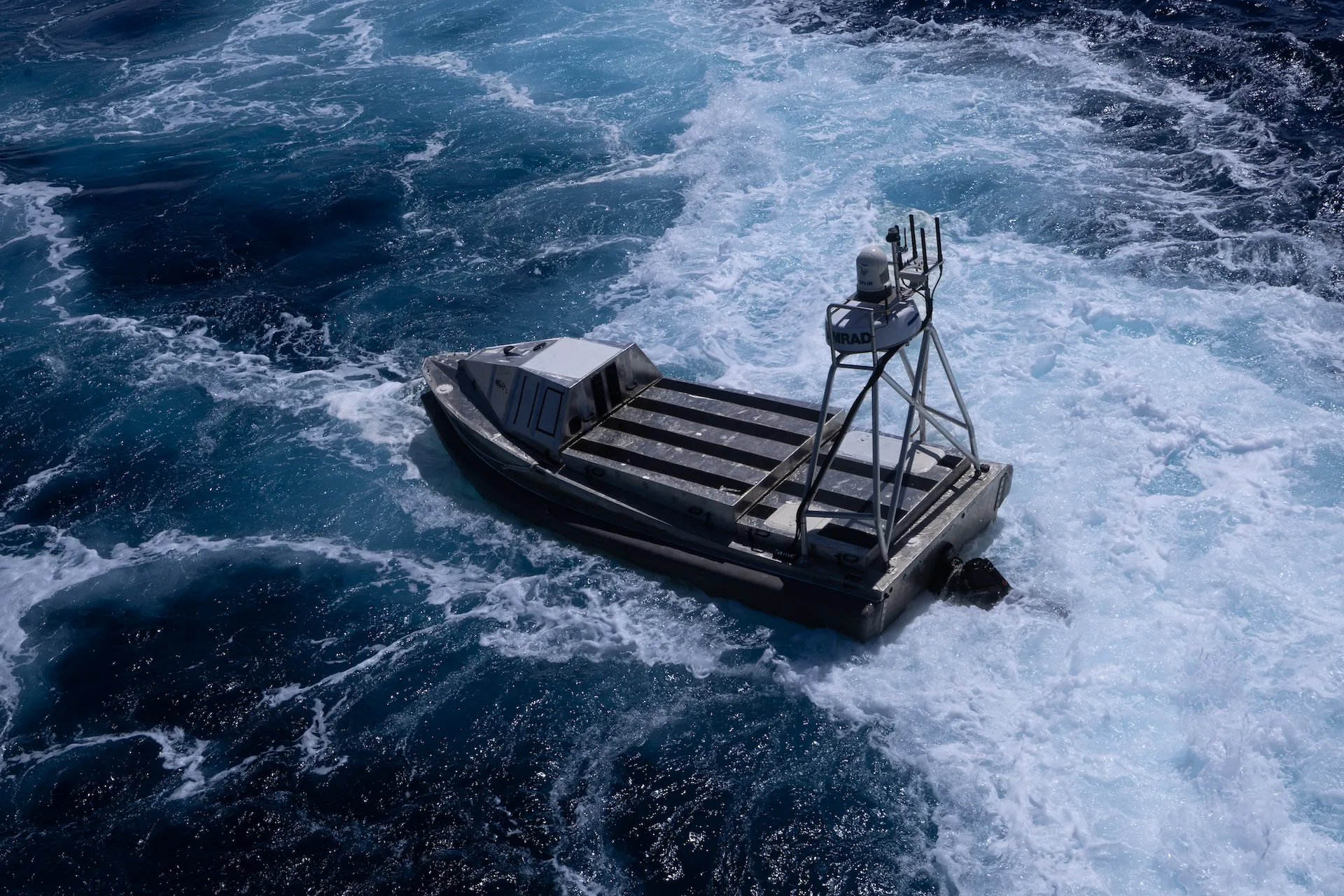
The Pentagon’s application of testing and evaluation procedures similar to those used for large warships to unmanned systems makes mass production and rapid deployment more difficult. Yet the demands of the battlefield require greater emphasis on systems that can be produced quickly and at low cost.
The use of unmanned platforms is not limited to strikes and reconnaissance. These systems can also perform missions such as logistical support, transporting ammunition and personnel, establishing forward bases, and conducting covert operations from the sea.
In a potential conflict across a vast geographical area such as the Pacific, protecting supply lines and meeting the needs of military units will be critically important. Unmanned systems can enhance the mobility of military forces by transporting supplies to areas that manned platforms struggle to reach. Solutions such as converting commercial ships into floating unmanned vehicle bases can also provide naval forces with a more flexible operational structure.
The importance of network-centric warfare
To fully realize the benefits of unmanned systems, different platforms must be connected to a common command-and-control network. The independent operation of air, land, and maritime assets prevents information gathered on the battlefield from being used in a timely manner.
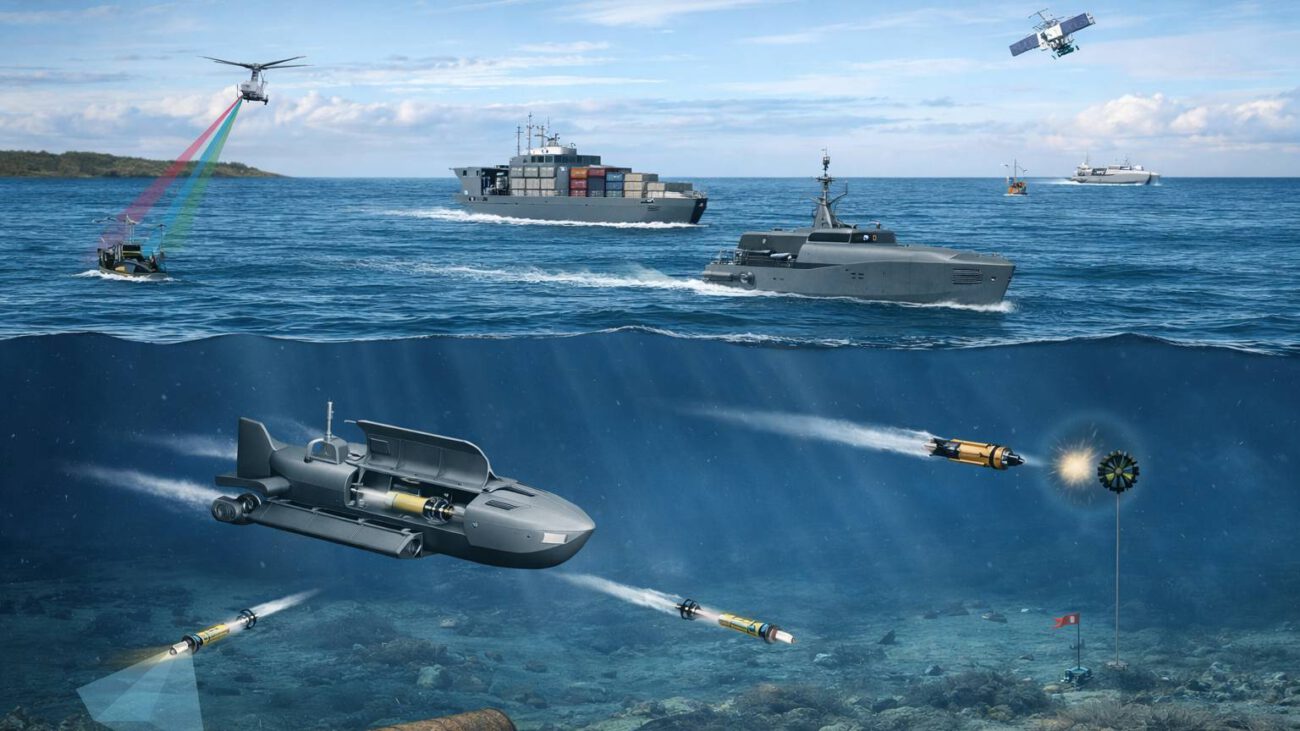
The joint command-and-control architecture that the United States is seeking to develop aims to address this problem. However, the insufficient integration of these systems remains a significant vulnerability, particularly in vast and highly contested regions such as the Pacific.
Taiwan’s plans to acquire hundreds of thousands of one-way attack drones and more than a thousand unmanned surface vessels demonstrate the scale of the transformation underway in this field. Operating these systems through a common network could enable continuous monitoring of adversary movements and coordinated operations by different military assets.
In the future, the real-time transmission of a target detected by an unmanned aerial vehicle to a manned warship or submarine could increase the speed and effectiveness of military operations. Unmanned systems could thus evolve from platforms performing individual missions into integral components of a broader military network.
The future of naval power is being reshaped
There is growing debate over whether the United States should redirect a significant portion of the resources allocated to large and expensive warships toward unmanned systems. The high risks facing large warships in a potential conflict with China are increasing the importance of more distributed and flexible naval forces.
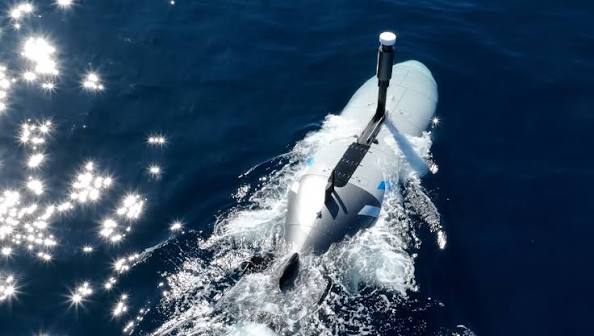
The experience of countries such as Israel, Ukraine, and Taiwan in developing unmanned systems also provides an important source of expertise for this transformation. Expanding technology sharing and joint production with these countries could contribute to strengthening military interoperability.
However, the widespread adoption of unmanned systems will not completely eliminate the importance of manned warships. Large platforms will retain their significance in missions such as air defense, command and control, long-range strikes, and maintaining a persistent presence at sea. The real transformation will come from integrating manned and unmanned assets into a complementary force structure.
Ultimately, naval superiority will no longer be measured solely by the size and firepower of warships. Countries capable of operating unmanned platforms alongside manned assets, managing them through a common network, and rapidly replacing losses will gain a significant advantage in future naval warfare. The success of naval forces will depend on how quickly they can turn technological innovations into operational capabilities.

