


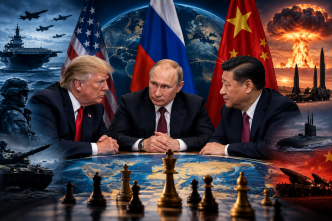
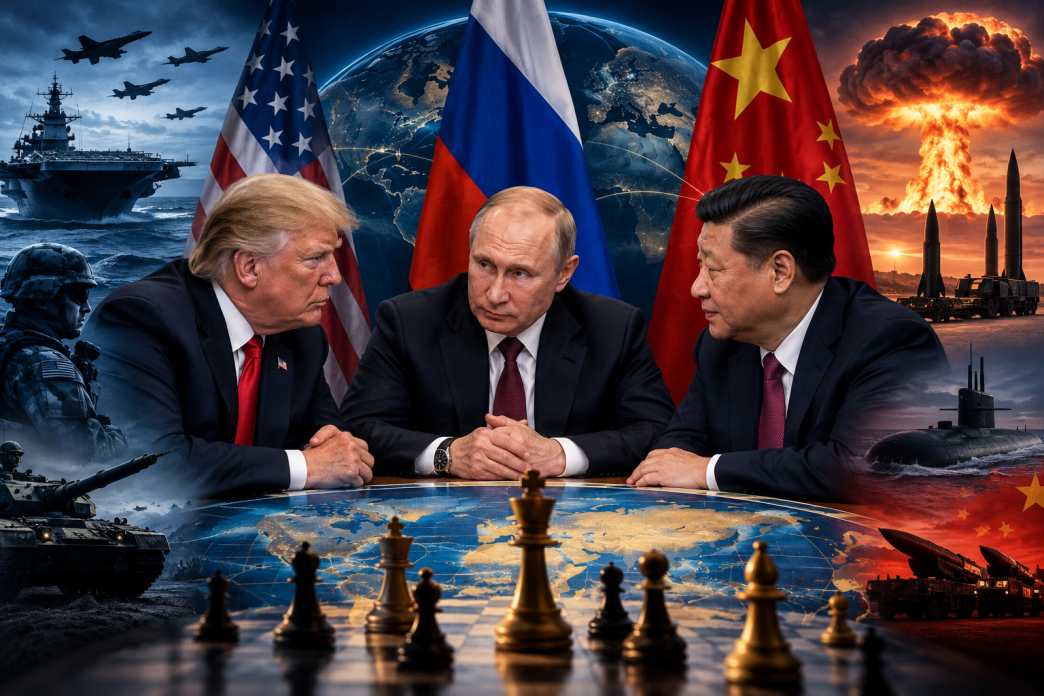
US President Donald Trump’s statement that he is open to a trilateral summit with Russian President Vladimir Putin and Chinese President Xi Jinping is a development that could have implications extending beyond the war in Ukraine. The possibility of such a meeting taking place on the sidelines of the Asia-Pacific Economic Cooperation (APEC) summit scheduled to be held in Shenzhen, China, in November has raised important questions about the future of international security.
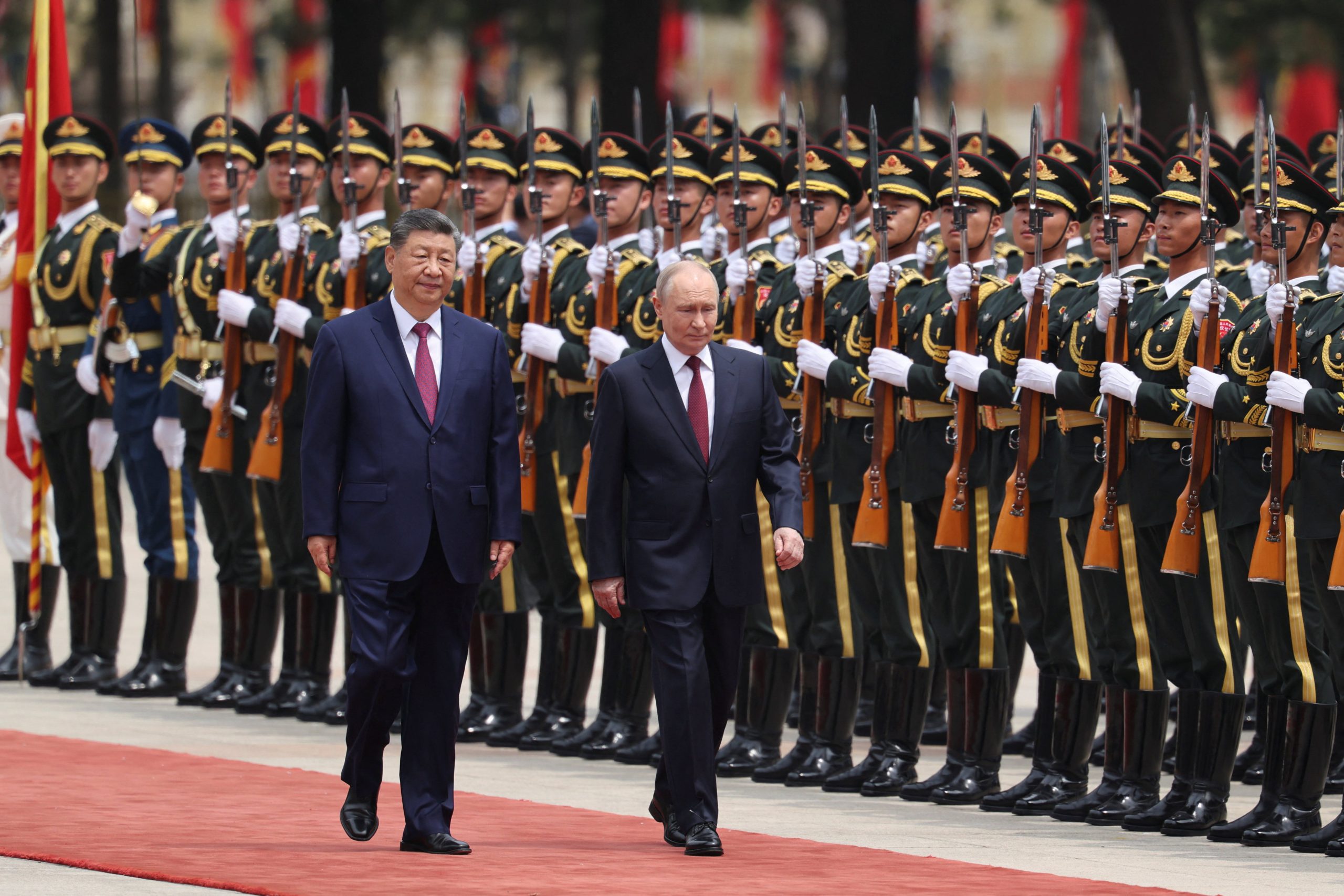
The summit, reportedly proposed by Moscow, is believed to be linked to Trump’s efforts to improve relations with Russia. Washington’s desire to place nuclear disarmament at the centre of the discussions suggests that the issue of Ukraine could become part of a broader bargain among the major powers. 
This approach points to a new era in international relations in which bilateral agreements and direct contacts between leaders are gaining importance. However, an understanding reached among the three major powers does not necessarily mean that the security concerns of other countries will also be addressed. In particular, uncertainty remains over how these talks could affect Europe’s defence future, Ukraine’s territorial integrity and the military balance in the Asia-Pacific region.
Russia’s gains and Ukraine’s security problem
The Trump administration’s easing of certain economic restrictions on Moscow and its opening of the door to trade in Russian energy products have strengthened assessments that a shift is taking place in US policy towards Russia. These moves, which have also drawn criticism from within the Republican Party, have raised the question of whether Washington is securing tangible concessions from Moscow in return for reducing economic pressure on Russia.
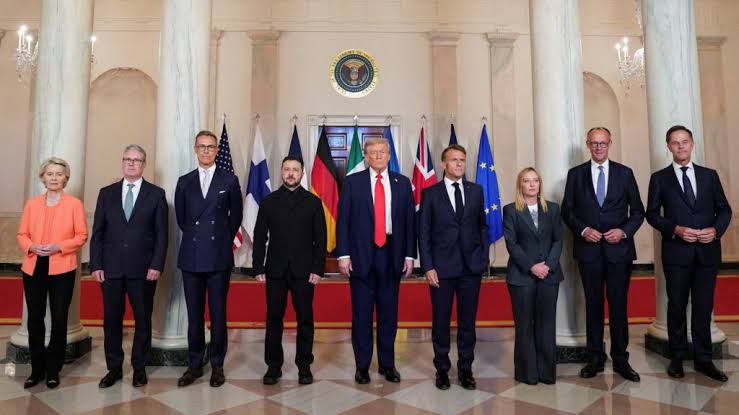
For Ukraine, uncertainties surrounding US support for satellite communications and intelligence could directly affect the military dimension of the war. Although Washington has disputed some of the claims, Ukraine’s dependence on American technology and intelligence capabilities remains significant in terms of the balance of power on the battlefield.
Putin’s participation at the same table as Trump and Xi could strengthen Russia’s diplomatic standing internationally. Following the full-scale invasion that began in 2022, Moscow may seek to overcome the political isolation it has faced and turn the issue of Ukraine into part of a broader negotiation between Russia and the West.
Making decisions about Ukraine’s future without its direct participation would create a serious security problem. Such a process could establish a precedent in which gains achieved through military force are subsequently preserved through diplomatic bargaining. For this reason, the durability of any peace initiative will depend not only on an understanding between Washington and Moscow, but also on the extent to which Kyiv’s security interests and Europe’s concerns are taken into account.
Nuclear disarmament and military deterrence
Placing limits on nuclear weapons at the centre of a possible summit could create an important opportunity for international security. The United States and Russia possess the vast majority of the world’s nuclear weapons. China’s expanding nuclear arsenal, however, is transforming a strategic balance that was previously shaped largely by two countries into a competition among three major powers.
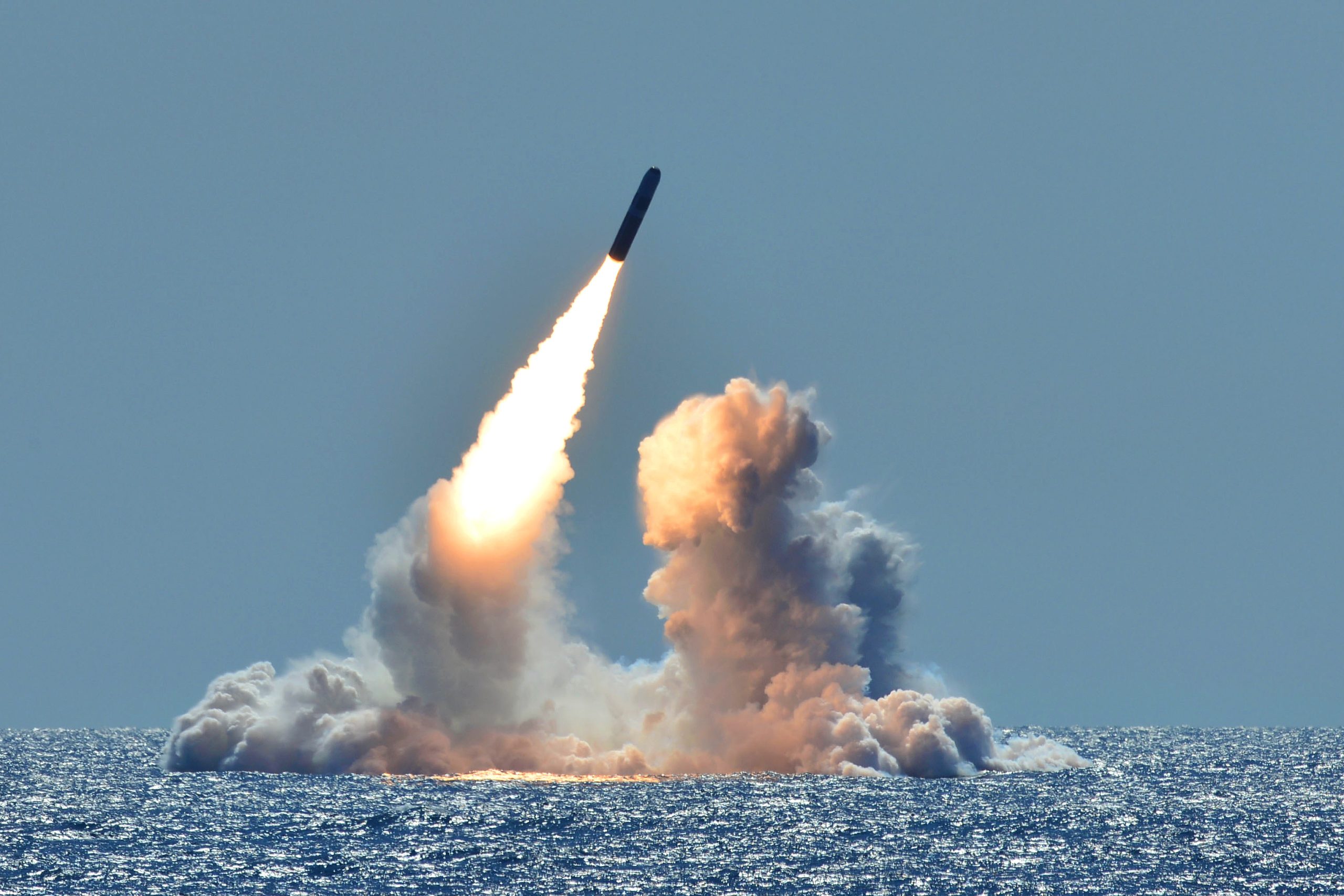
The expiration of the New START treaty in February 2026 meant that the last remaining binding bilateral agreement limiting strategic nuclear weapons between the United States and Russia had also come to an end. As a result, keeping nuclear competition under control has become more complicated.
However, significant obstacles stand in the way of a trilateral arms control agreement. Since China’s nuclear capabilities are smaller than those of the United States and Russia, Beijing may be reluctant to accept numerical limits on its existing arsenal. Washington, meanwhile, must account for the possibility of facing two major nuclear adversaries simultaneously.
Russia’s use of nuclear threats as a tool of strategic pressure, China’s modernisation programmes and the United States’ efforts to renew its nuclear forces are further intensifying the military dimension of this competition. Therefore, bringing the leaders together alone will not be enough to reduce nuclear risks. Achieving a lasting agreement will be difficult without verification mechanisms, reciprocal obligations and long-term diplomatic engagement.
Moreover, nuclear balances cannot be assessed independently of Europe and the Indo-Pacific. An understanding between Washington and Moscow could affect US deterrence calculations towards Beijing. Similarly, closer relations between Russia and China could place additional pressure on American plans to maintain military capabilities in both regions simultaneously and protect its allies.
Europe’s defence and the future of NATO
The United States does not guarantee Europe’s security through nuclear deterrence alone. NATO’s military strength is built on conventional forces, intelligence sharing, logistical infrastructure, joint operational planning and military integration. Therefore, an agreement that Washington reaches with Moscow and Beijing without sufficient European participation could weaken allies’ confidence in American security commitments, even if it does not immediately alter NATO’s existing military structure.
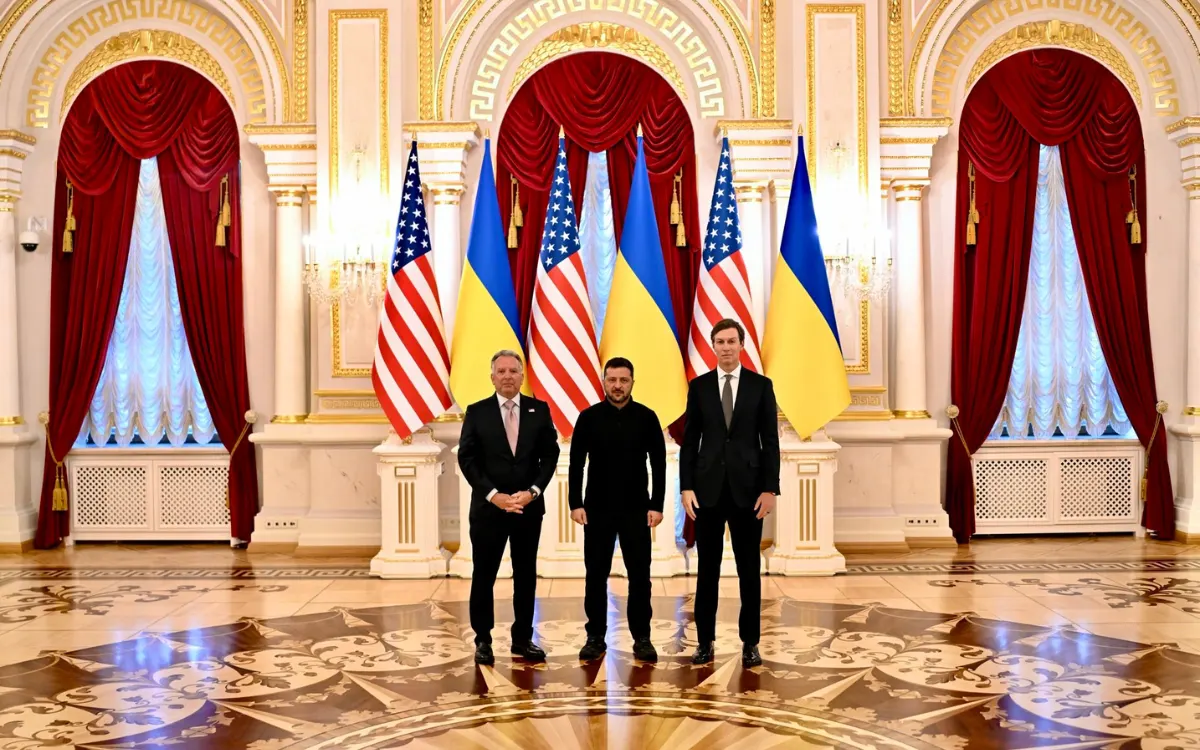
France’s independent nuclear deterrent and the United Kingdom’s nuclear capabilities, which are based on close cooperation with the United States, play different roles in Europe’s defence structure. However, if the major powers turn Europe’s security interests into a subject of their own negotiations, European capitals, including Paris and London, could be encouraged to develop more independent deterrence options.
This would represent a transformation extending beyond an increase in European defence spending. Developing Europe’s own capabilities in areas such as ammunition production, air defence, electronic warfare, unmanned systems, satellite infrastructure and military logistics could become even more important.
Türkiye cannot be excluded from this discussion. As one of NATO’s major military powers, Türkiye has the capacity to contribute to Europe’s changing security needs through its defence industry, unmanned aerial vehicles, electronic warfare systems, and land and naval platforms. The success of Europe’s pursuit of strategic autonomy will depend not only on its existing military capabilities but also on how cooperation is shaped with allies such as Türkiye, which possess both production capacity and operational experience.
Conclusion: Reliable alliances matter as much as strong armies
A possible summit between Trump, Putin and Xi could offer an opportunity to demonstrate US military and diplomatic capabilities, while also creating new challenges for Washington’s alliance relationships. The United States still possesses an extensive global military network, advanced technology and substantial economic resources. However, turning these capabilities into effective deterrence depends on allies’ confidence in the continuity of American commitments.
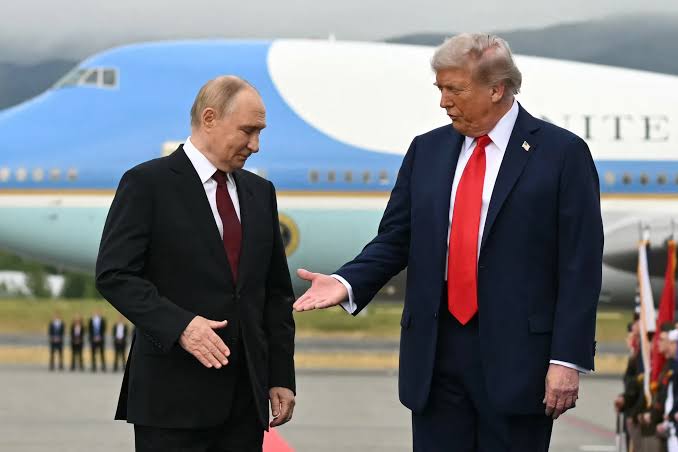
If negotiations with Russia proceed in a way that undermines Ukraine’s security, Europe’s defence requirements or NATO’s cohesion, short-term diplomatic gains could generate long-term strategic costs. Likewise, nuclear disarmament initiatives must be based not merely on symbolic statements but on verifiable and reciprocal obligations.
The issue that will shape the future of the global order is not simply whether the major powers sit at the same table, but how effectively the agreements they reach protect the sovereignty and security of other countries.

