


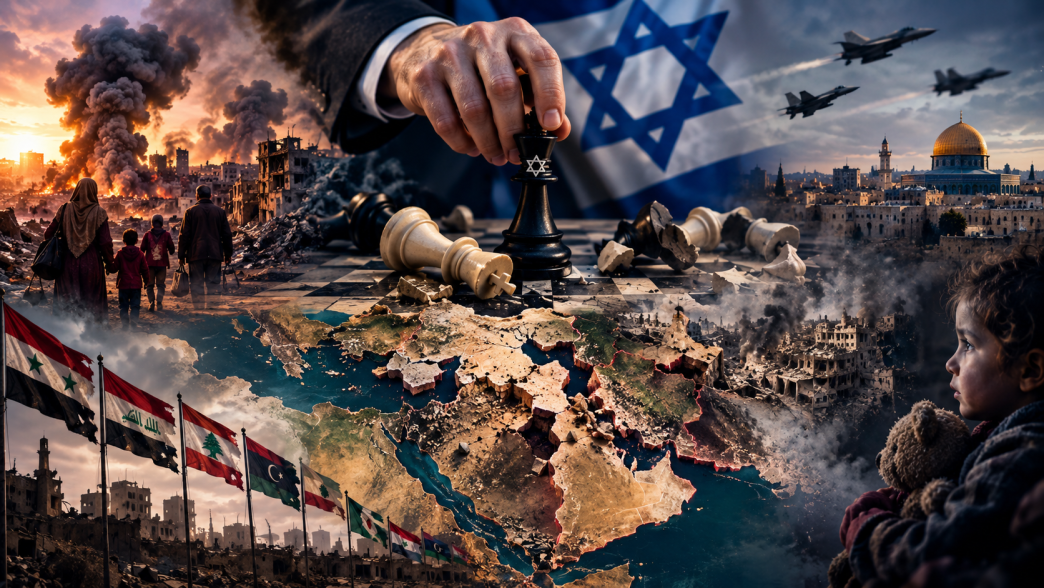
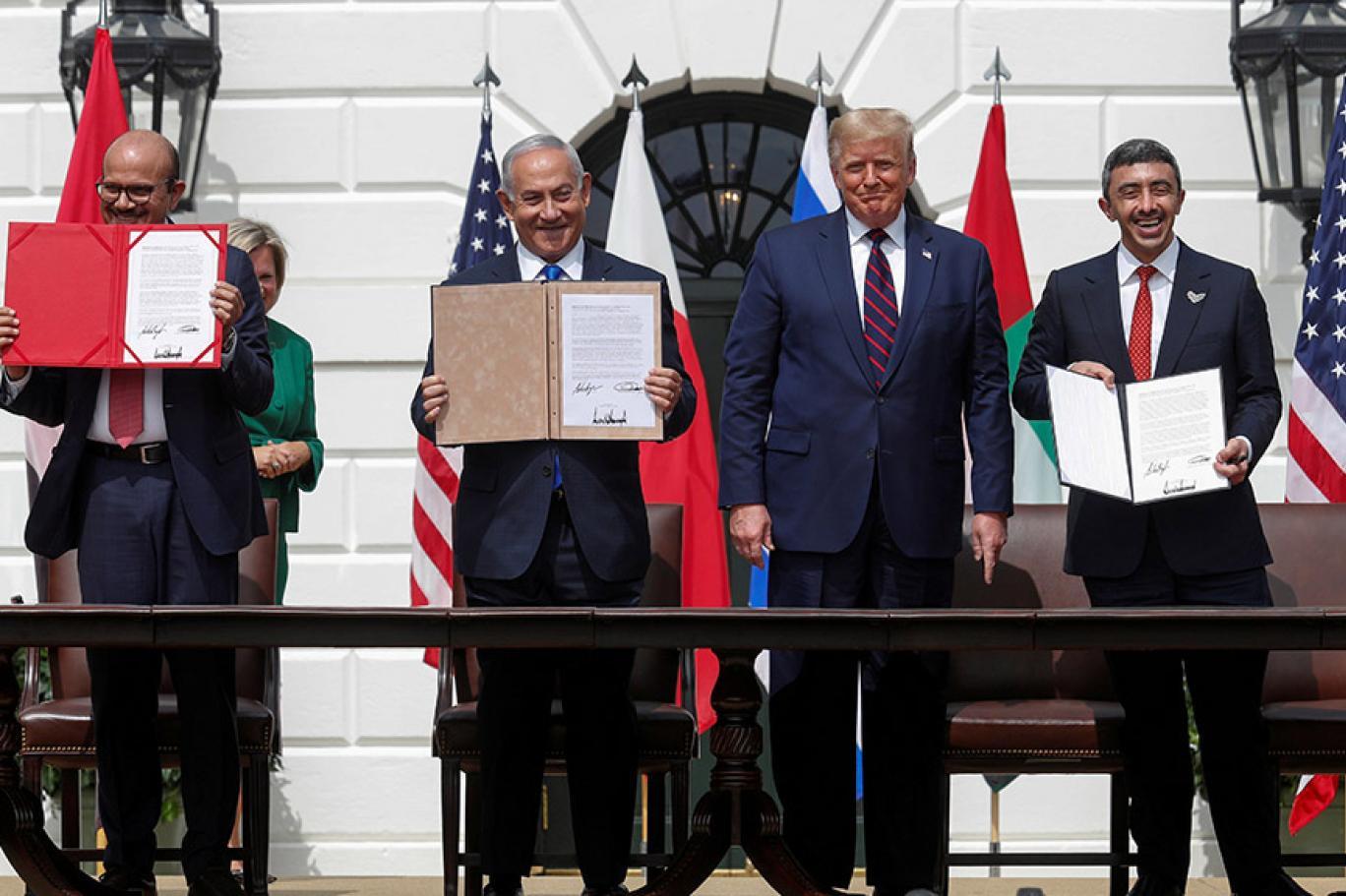
The Abraham Accords, signed in 2020, were presented as the beginning of a new era of peace in the Middle East. The Donald Trump administration argued that the establishment of relations between Israel and the United Arab Emirates, Bahrain, and later Morocco would strengthen regional cooperation and create a new environment of stability. However, the years that have passed since then have raised serious questions about how far these expectations have been fulfilled.
The destruction in Gaza, the expansion of settlements in the West Bank, and Israel’s military activities in Syria and Lebanon demonstrate that diplomatic normalisation alone is not enough to establish lasting peace. The fundamental issue is not whether relations between Arab countries and Israel have been established, but how these relations affect regional security and to what extent they contribute to resolving the Palestinian question. 
Even when the agreements were first signed, some Middle East experts argued that normalisation without tangible progress on Palestinian political rights and ending the occupation could not create a lasting peace order. Developments today have brought these criticisms back into focus.
Israel’s security approach and regional instability
One assessment that stands out in understanding Israel’s regional policies comes from a study published on 12 October 2026 by Tamir Hayman, former head of Israeli military intelligence and director of the Institute for National Security Studies (INSS). Hayman argues that Israel’s security approach has changed since 7 October 2023 and that there is a risk of war becoming a permanent feature of its security policy rather than a temporary instrument. However, this approach is not a formally declared Israeli doctrine; it is Hayman’s assessment based on Israel’s actions on the ground.
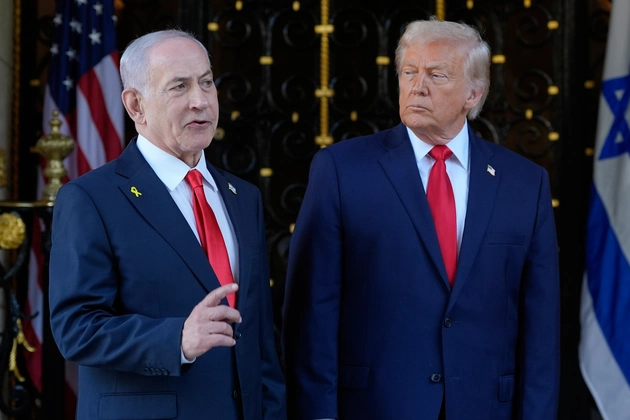
One of the most controversial points in this analysis is the claim that Israel may view political and military instability in neighbouring Arab countries as an environment it can manage to its own security advantage. If such an approach is adopted, limiting the room for manoeuvre of surrounding countries could take precedence over reaching agreements with states that are strong and institutionally stable.
Hayman’s assessment reinforces the debate over whether Israel’s security policies focus not only on defending its borders but also on weakening the capabilities of actors it regards as threats. However, this interpretation should not be treated as an established state policy that explains every Israeli decision. Nevertheless, developments in Gaza, Syria, and Lebanon make it necessary to examine the regional consequences of such an approach.
Expanding military pressure in Syria and Lebanon
Following the overthrow of Bashar al-Assad’s government in December 2024, the emergence of a new political order in Syria created both security concerns and strategic opportunities for Israel. Israel has continued its attacks on Syria’s military capabilities while expanding its military presence in the south of the country. These activities raise serious questions about the sovereignty of the new administration and the future security architecture of Syria.
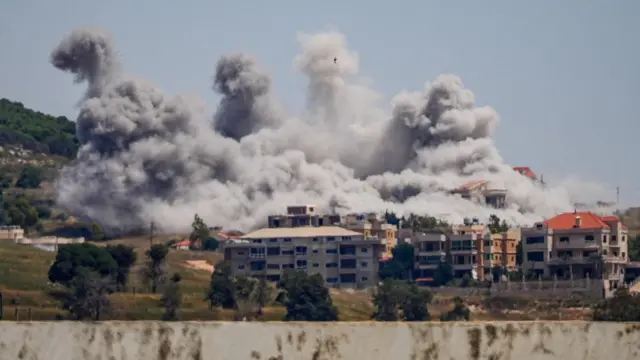
In Lebanon, the ceasefire declared after clashes between Israel and Hezbollah has proved insufficient to establish a lasting security arrangement. Israel’s continued attacks and military presence on Lebanese territory are keeping tensions between the parties alive. During October 2026, US-mediated talks once again brought issues such as ending the attacks and the withdrawal of Israeli forces to the forefront. However, the existence of diplomatic negotiations does not mean that the problems on the ground have been resolved.
These two examples demonstrate that military superiority alone does not produce stability in the Middle East. A state’s efforts to neutralise threats beyond its borders may expand its freedom of action in the short term. However, such policies can also intensify security concerns on the other side, encourage armed resistance, and increase the likelihood of new conflicts. As a result, policies intended to provide security can create more complex threats in the long run.
The risk of an expanding conflict through Iran and Yemen
Israel’s confrontation with Iran is extending regional security problems across a wider area. The effects of US and Israeli military operations against Iran are not limited to the struggle between the countries involved; Gulf security, maritime trade, and developments in Yemen are also affected by this equation.

In Yemen, the potential expansion of the conflict between the Houthis and Saudi Arabia is creating new risks for the security of the Red Sea and the Bab el-Mandeb Strait. The possibility of Egypt providing military support to Saudi Arabia also highlights the risk that the crisis could develop into a regional war. On 17 October, Egyptian President Abdel Fattah el-Sisi requested parliamentary authorisation for possible military assistance; parliament was subsequently reported to have postponed the vote until 26 October.
The consequences of Egypt joining the conflict cannot be predicted with certainty in advance. Weakening the Houthis’ military capabilities could reduce threats to Israel originating from the Red Sea. Conversely, a prolonged conflict could drain Egypt’s military and economic resources and deepen regional instability.
Another important factor is the strategic cooperation between Israel and the United Arab Emirates. The growing alignment between the two countries on security and regional influence deserves careful examination in the context of the balance of power in the Arab world. However, there is insufficient concrete evidence to explain all regional developments as part of a joint plan to destabilise the region. The key issue is to assess how bilateral relations affect the sovereignty and security of other countries in the region.
Normalisation cannot replace lasting peace
Egypt and Jordan, which normalised relations with Israel decades ago, are also directly affected by these developments. During the war in Gaza, border security, the possibility of Palestinian displacement, and Israel’s military activities have become important considerations in the security calculations of both countries. Statements by some Israeli politicians concerning territorial expansion have also raised concerns, particularly in Jordan.
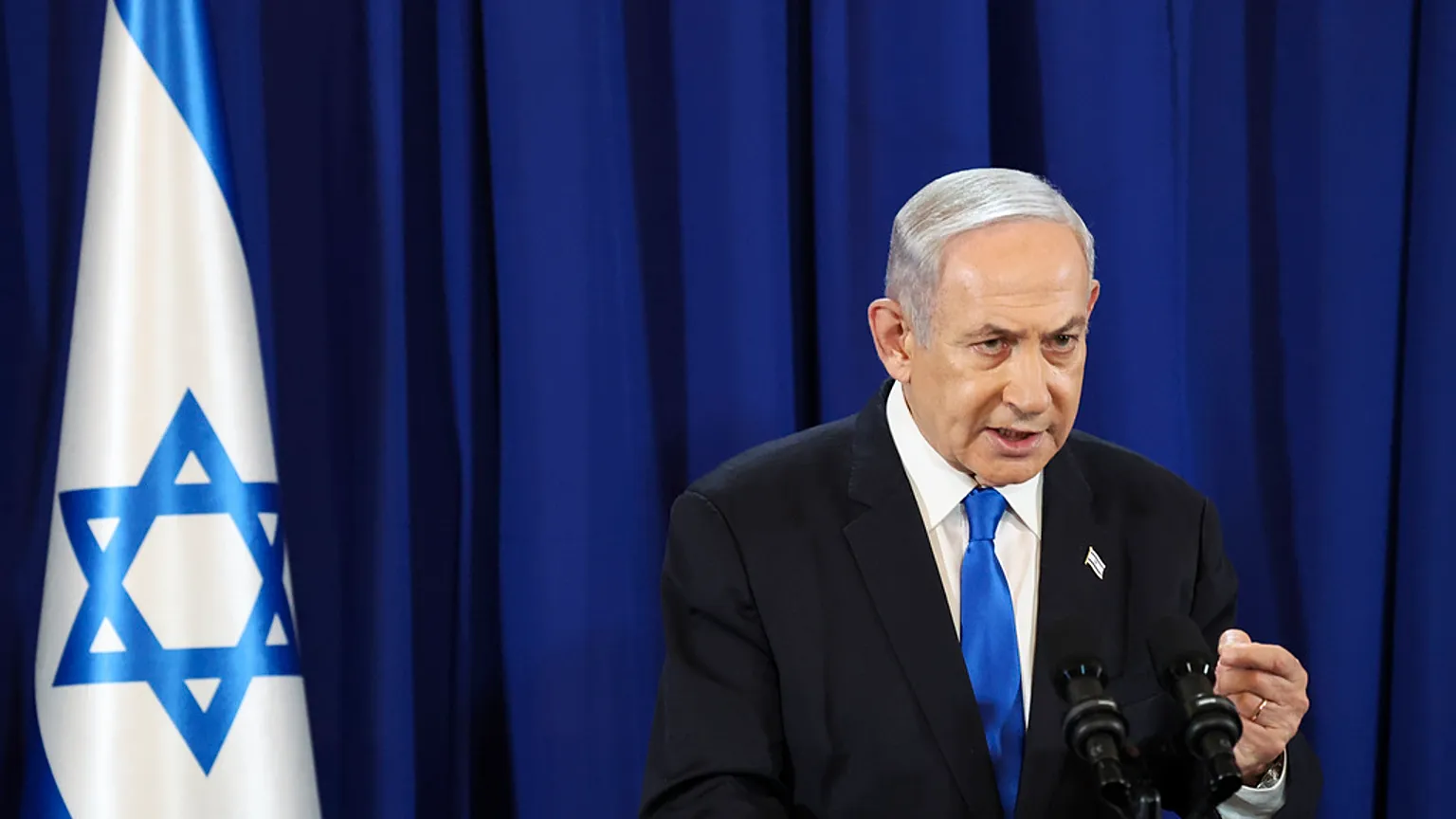
Despite these concerns, Arab countries continue to cooperate with Israel for reasons including economic interests, relations with the United States, and regional security threats. Morocco’s efforts to strengthen diplomatic relations and the continuation of contacts with the United Arab Emirates demonstrate that normalisation remains significant in regional diplomacy.
Saudi Arabia, meanwhile, continues to emphasise the establishment of an independent Palestinian state as a fundamental condition for establishing relations with Israel. Nevertheless, security challenges such as threats originating from Iran and the conflict in Yemen continue to influence Riyadh’s strategic calculations.
The fundamental contradiction is this: normalisation, trade, and diplomatic engagement can promote cooperation between countries, but when the Palestinian question, border security, and sovereignty issues remain unresolved, these relationships cannot guarantee lasting peace. Arab governments cooperating with Israel seek security and economic benefits while also having to account for public opposition across the region and long-term strategic risks.
Conclusion
The Abraham Accords expanded diplomatic relations in the Middle East, but they failed to eliminate the distinction between diplomatic normalisation and lasting peace. The humanitarian devastation in Gaza, settlement policies in the West Bank, military developments in Syria and Lebanon, and the confrontation centred on Iran demonstrate that regional security remains fragile.

Tamir Hayman’s assessment of Israel’s emerging security approach raises the question of whether the weakening of neighbouring countries could become part of its security policy. Although this cannot be described as a formally established and definitive doctrine, the regional consequences of Israel’s actions on the ground warrant close scrutiny.
For Türkiye, the key priority is the emergence of a regional order that protects the sovereignty of states in the Middle East, limits conflicts, and supports a political resolution of the Palestinian question. Ankara’s continued engagement with Arab countries and its preservation of regional diplomatic channels are important in this regard.
Ultimately, normalisation does not in itself mean peace. Achieving lasting stability requires not only the pursuit of military superiority but also mutual trust, international law, and political solutions. Otherwise, diplomatic agreements may leave the underlying causes of conflict unresolved, allowing them to persist under the shadow of a longer and more complex regional rivalry.

