


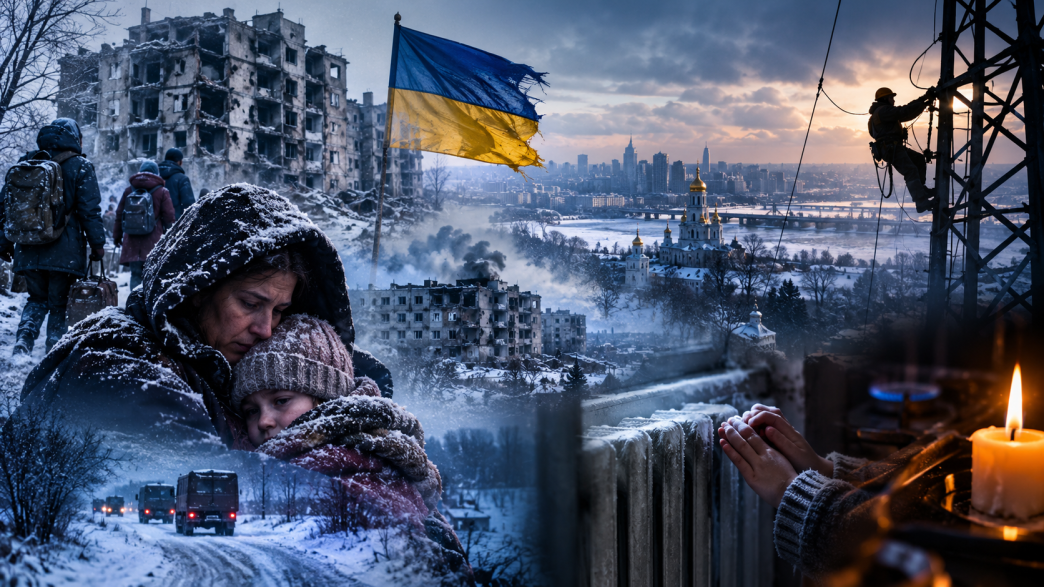
The war in Ukraine is entering a new and critical phase in the autumn of 2026. Russia’s intensifying attacks on energy infrastructure ahead of winter, continued military pressure on the front lines, and the crisis of confidence between Washington and Kyiv are making the coming period increasingly difficult for Ukraine.
The latest tensions between Donald Trump and Volodymyr Zelenskyy demonstrate that the course of the war is being shaped not only by military strength on the battlefield but also by intelligence sharing, energy security, and the continuity of external support. 
The crisis of confidence between Trump and Zelenskiy
At the heart of the tensions that have emerged in recent days between Washington and Kyiv are disagreements over how the war should end and which instruments should be used against Russia. The Trump administration’s efforts to reach an understanding with Moscow on energy issues, the easing of certain restrictions on Russian petroleum products, and Zelenskyy’s continuation of attacks on Russian energy facilities have deepened the differences between the two leaders. While Trump has criticised Ukraine’s attacks on Russian refineries, Zelenskyy has defended Ukraine’s right to retaliate as Moscow continues to target the country’s energy infrastructure.
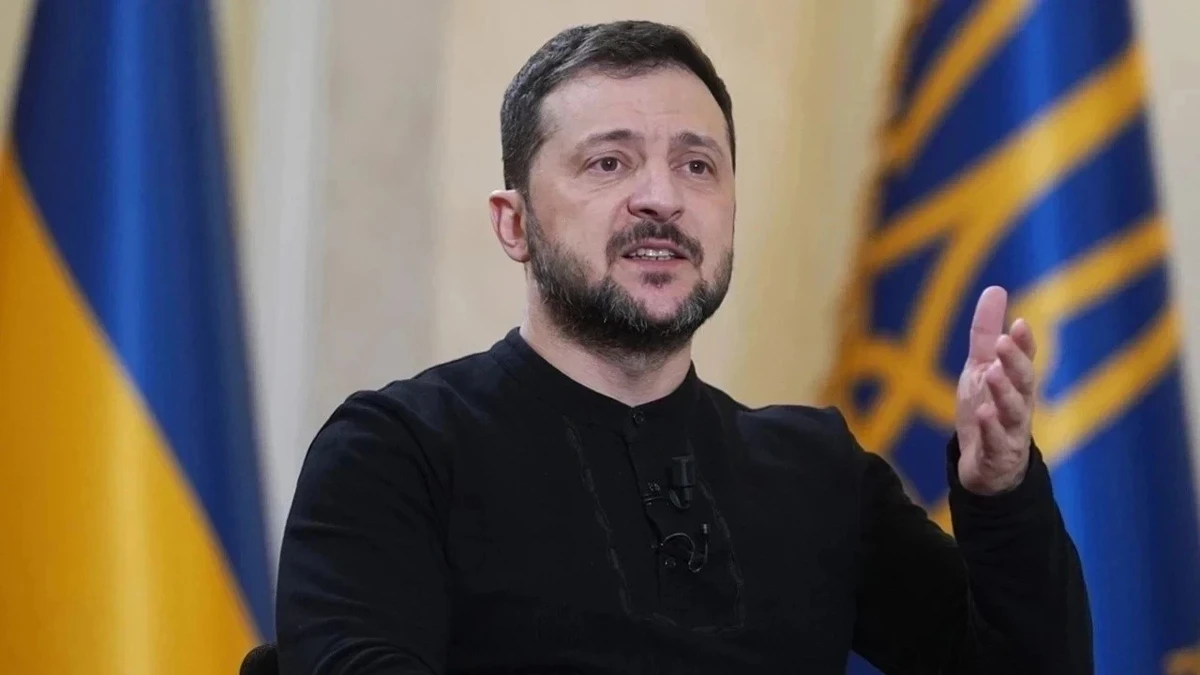
This disagreement goes beyond a simple diplomatic dispute. The Trump administration wants to end the war through negotiations and ease pressure on energy prices. Kyiv, meanwhile, fears that a ceasefire could become a means for Russia to rearm and launch new attacks at a later stage. The fundamental divide between the two sides is therefore less about the need for peace than about the conditions under which it can be achieved and the price Ukraine would have to pay.
The intelligence crisis could leave Ukraine vulnerable
One of the most serious developments for Ukraine has been the disruption of intelligence sharing with the United States. On October 19, Zelenskyy stated that the early-warning information expected from allies had not arrived before a Russian ballistic missile attack. During the same wave of attacks, Russia reportedly launched 16 ballistic missiles towards Kyiv and its surrounding areas, along with more than 200 unmanned aerial vehicles across the country. Energy facilities were damaged, and hundreds of thousands of households were left without electricity. Washington, however, rejected claims that intelligence sharing had been suspended altogether.
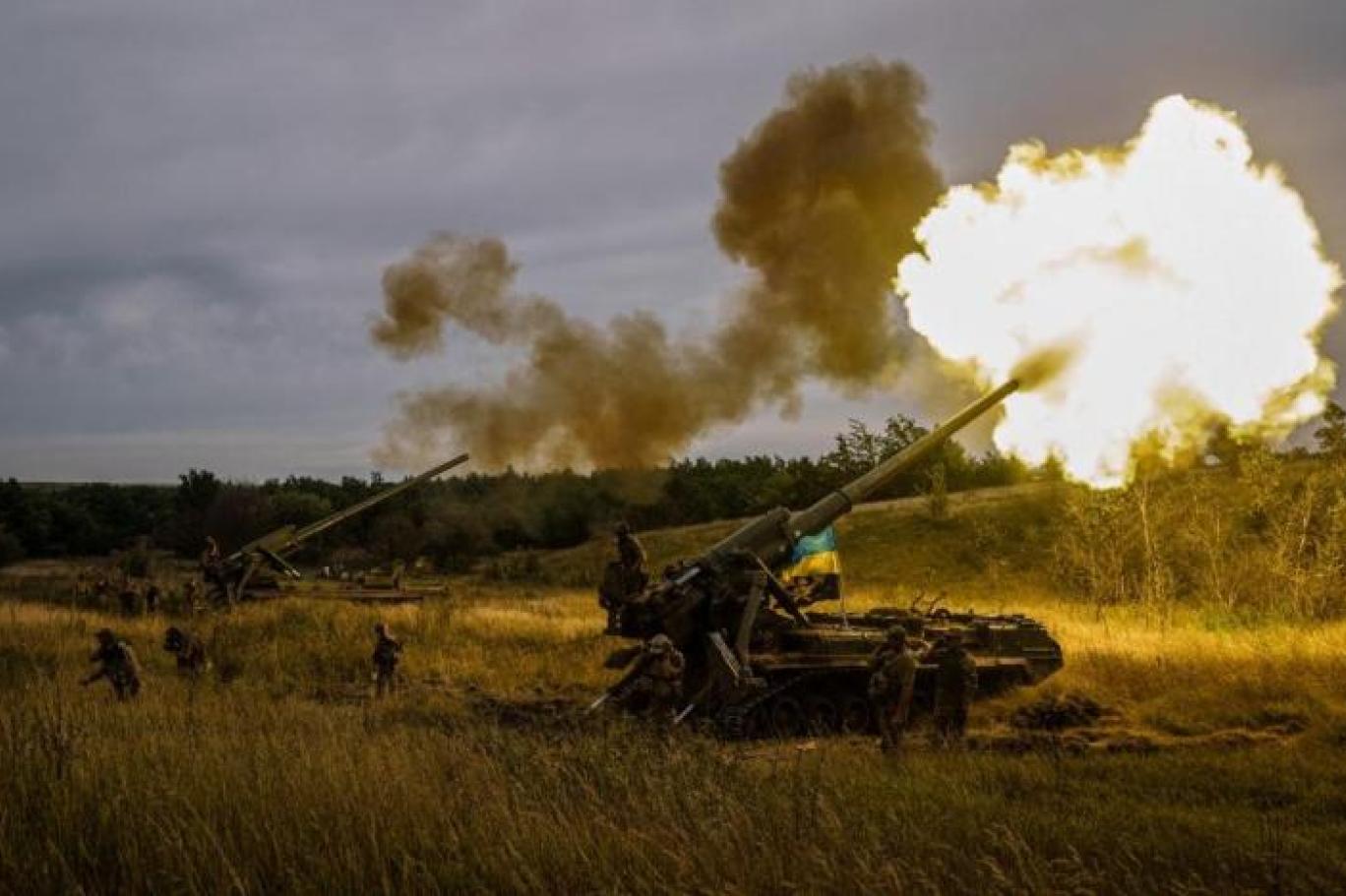
On October 20, it was announced that intelligence sharing between the United States and Ukraine had resumed, with early warnings regarding missile attacks being provided again in particular. Around the same time, diplomatic engagement remained a priority during talks between Zelenskyy and US envoy Steve Witkoff in Oslo, Norway. However, the resumption of intelligence flows does not mean that the crisis of confidence between the two countries has been fully resolved.
In modern warfare, early-warning systems, satellite communications, and targeting data are at least as important as air defence systems. Even a brief interruption in these capabilities can reduce the time Ukraine has to respond to ballistic missile threats. Given the limited ammunition available for systems such as Patriot, deciding which targets to protect first is becoming just as critical as intercepting incoming attacks.
Russia’s winter strategy targets energy infrastructure
Moscow’s strategy ahead of the approaching winter is aimed not only at Ukraine’s military capabilities on the front lines but also at daily life and the country’s economic resilience. Since late September, attacks have increasingly targeted not only power generation facilities but also substations, transmission lines, and distribution systems. By weakening the connections between different parts of Ukraine’s energy grid, Russia is increasing the risk that damage in one region could trigger wider outages across the country.
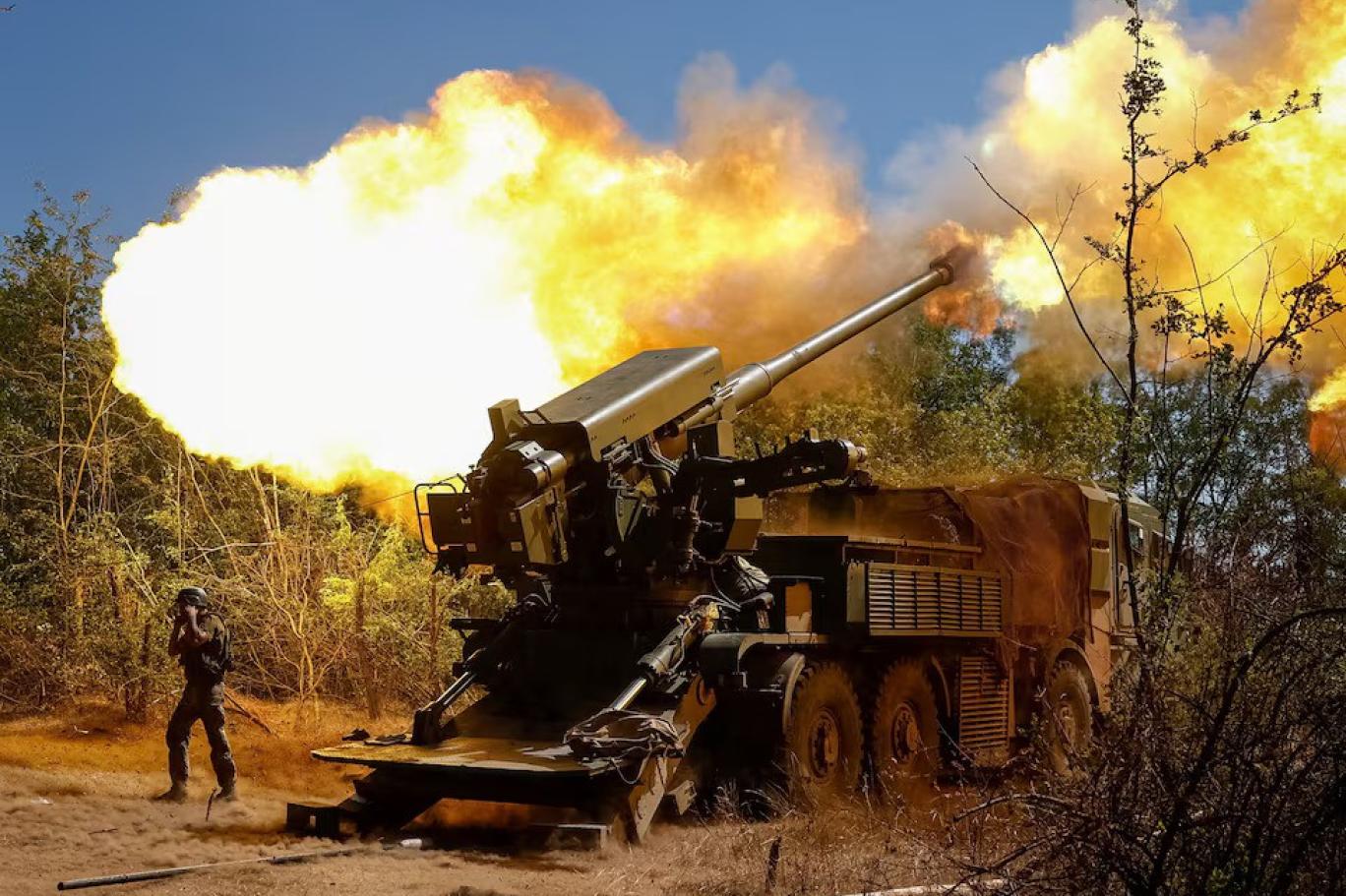
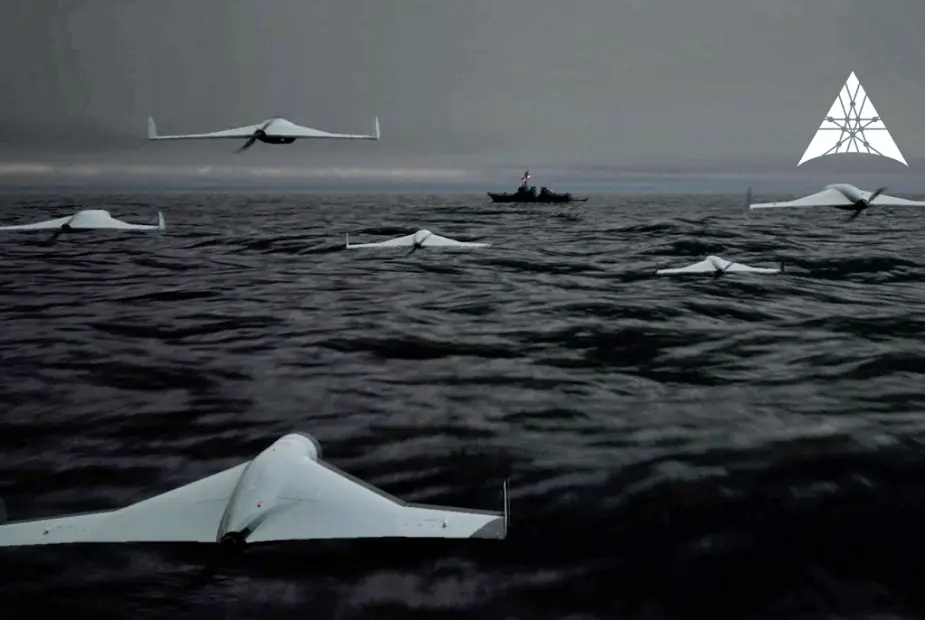
One notable feature of this year’s campaign is Russia’s combined use of jet-powered unmanned aerial vehicles and ballistic missiles to overwhelm Ukraine’s air defences. Using large numbers of inexpensive drones to exhaust defensive capabilities before striking critical targets with more difficult-to-intercept weapons is intensifying the technical and logistical challenges facing Ukraine.
Protecting energy infrastructure is also becoming increasingly difficult. Assessments suggesting that Ukraine has lost approximately two-thirds of its pre-war electricity generation capacity highlight the importance of the facilities and transmission lines that remain operational. Repairing damaged infrastructure under the constant threat of further attacks slows the work of technical teams while increasing the likelihood of prolonged power cuts and heating shortages.
Pressure on the front lines and winter conditions
The danger facing Ukraine is not limited to the energy crisis. As Russian pressure continues along the eastern front, Kyiv must allocate its manpower, ammunition, and air defence resources across several areas simultaneously. The need to defend the front lines while protecting cities and energy facilities requires the careful distribution of increasingly limited resources.
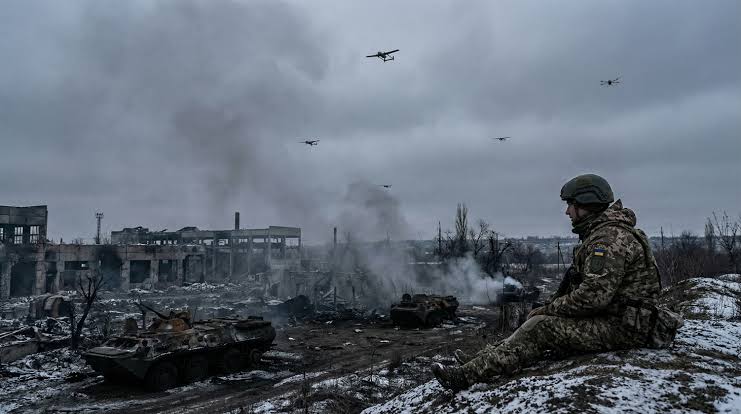
Winter conditions could make this situation even more difficult. Low temperatures, mud, and icy terrain can affect the mobility of ground forces, while power outages can disrupt logistics, communications, and maintenance operations. Problems with the electricity grid could affect not only residential heating but also defence industry production, railway transport, and the resupply of military units.
Nevertheless, it would be inaccurate to conclude that Russia’s attacks on energy infrastructure will necessarily force Ukraine to surrender. Ukraine has endured heavy attacks during previous winters, and efforts to strengthen the energy system, expand decentralised generation capacity, and import electricity from Europe have improved the country’s resilience. The key question is how effectively these measures can keep pace with the increasing intensity of Russian attacks.
European support will be decisive
The tensions with the United States are making the role of European countries in Ukraine’s defence even more important. However, financial assistance alone will not be sufficient. Sustainable support is needed in areas such as air defence missiles, ammunition, intelligence, satellite communications, and the repair of energy infrastructure.
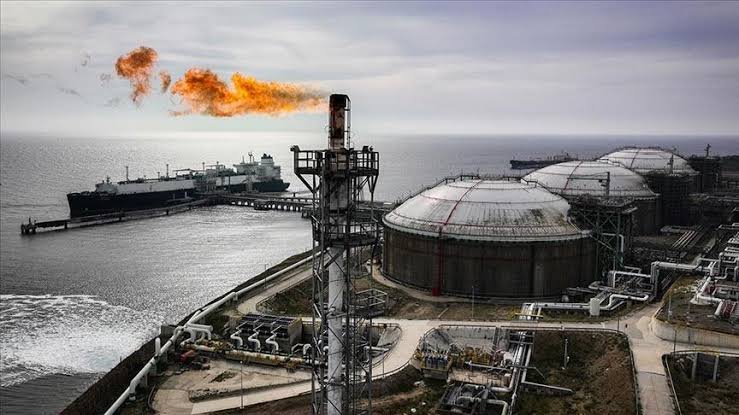
Washington’s increasing diplomatic pressure on Kyiv could encourage European countries to assume greater responsibility for supporting Ukraine. Nevertheless, Europe’s defence industrial capacity and existing stockpiles are not sufficient to replace all American capabilities in the short term. A weakening of transatlantic support could therefore create military and political opportunities for Russia.
This phase of the war also deserves close attention from Türkiye. Black Sea security, the preservation of the Montreux Convention, regional stability, and the continuation of diplomatic engagement remain among Ankara’s priorities. Both a weakening of Ukraine’s military resilience and an uncontrolled expansion of the war pose risks to the regional balance. It is therefore important for Türkiye to keep diplomatic channels open and safeguard the security balance in the Black Sea.
Conclusion
The winter awaiting Ukraine may prove to be more than a period of freezing temperatures and intense fighting on the front lines. Russia’s systematic attacks on energy infrastructure, the need for air defence ammunition, uncertainty over intelligence sharing, and the crisis of confidence with the Trump administration are converging to confront Kyiv with multiple challenges at once.

There are strong grounds for the argument that Ukraine is entering one of the most difficult winters of the war. However, the outcome will not be determined by Russia’s offensive capabilities alone. Ukraine’s ability to use its defence resources efficiently, the extent of European support, and whether cooperation between Washington and Kyiv can regain stability will also be decisive.
The real danger is not Ukraine’s defeat on a single front, but the simultaneous escalation of military pressure, the energy crisis, and uncertainty over external support. If these pressures deepen at the same time, winter could become not merely a military test for Kyiv but also a strategic trial of the country’s social resilience and political determination.

