

The container ship Dubai Tower at Teesport in northeastern England from China once again brought the growing strategic importance of the Northern Sea Route (NSR) into focus. The vessel, which departed from China’s Ningbo-Zhoushan Port 25 days earlier, reached Europe via the Arctic Ocean. In October 2025, the Istanbul Bridge also used the same route, reaching England from China in approximately 21 days, demonstrating that this route could serve as an alternative to traditional sea lanes. Plans for additional voyages before the end of the season also indicate that commercial and strategic interest remains strong.
The Northern Sea Route’s most significant advantage is that it shortens maritime journeys between Asia and Europe. Nevertheless, transit cargo traffic along the route remains limited. Approximately 3.2 million tonnes of transit cargo were reportedly transported in 2025, most of which consisted of crude oil shipped eastward. Therefore, the route’s real significance lies less in the volume of cargo it carries today than in how it could influence the future direction of global trade and competition among major powers. 
Russia and China are cooperating in the development of the Northern Sea Route, but their expectations are not identical. For Moscow, the route is a means of diversifying export channels for its sanctions-hit energy economy and maintaining its status as a major power in the Arctic. For Beijing, it is an alternative trade corridor that could be activated if southern maritime routes become unreliable. The route’s future therefore depends on the extent to which the two countries can bring their Arctic interests together on a common footing.
Seeking alternatives in global maritime trade
The Northern Sea Route is not a new project. Developed during the Soviet era to supply the country’s northern regions, the route has gained greater importance for international trade in recent years. Security crises in the Red Sea and disruptions to global maritime transport have highlighted the need for alternative routes.
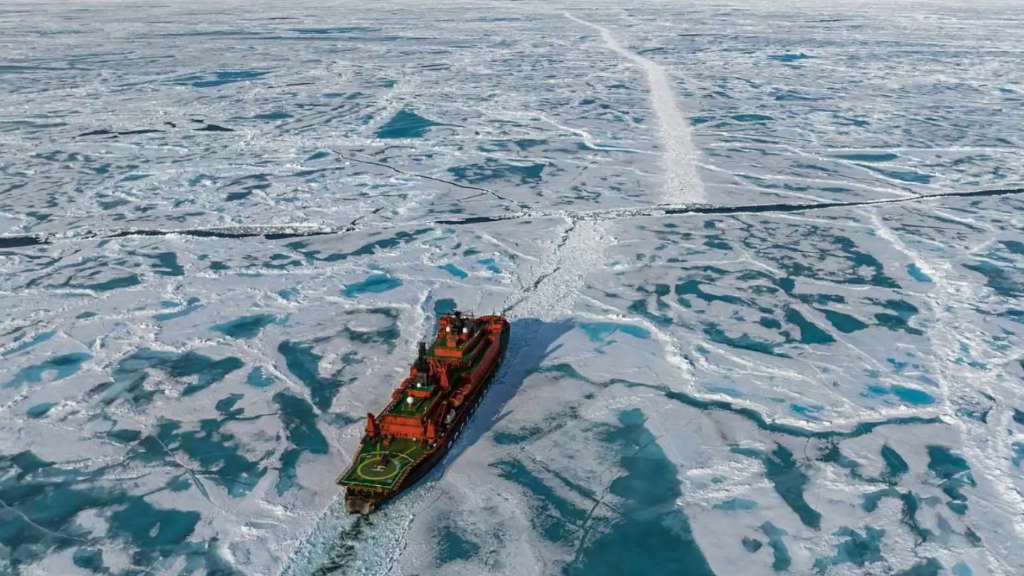
Behind this search, China has a long-standing security concern. For nearly two decades, Beijing has been discussing the risks arising from its dependence on the Strait of Malacca. The fact that a significant portion of its energy imports and trade passes through narrow maritime chokepoints could leave the Chinese economy vulnerable in the event of a potential conflict or blockade. Attacks in the Red Sea and disruptions to maritime trade have demonstrated that these concerns are not merely theoretical.
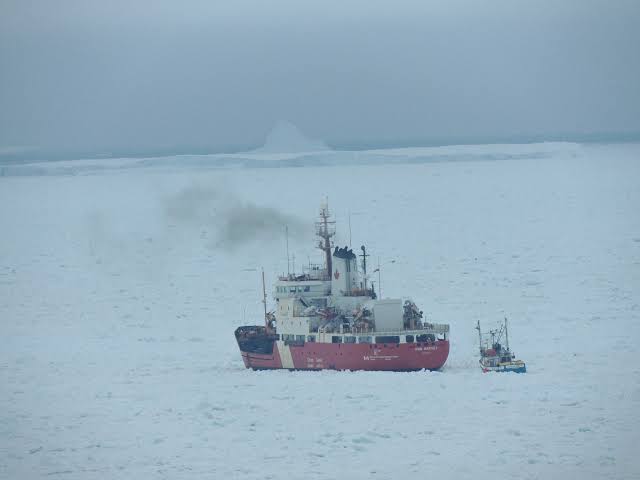
However, an alternative maritime route cannot easily be brought into operation during a crisis. Ships suited to the harsh conditions of the Arctic, experienced crews, icebreaker support, and operational arrangements with Russian authorities are all required. Thus, despite their limited commercial returns, these voyages help build experience for potential future crises.
The strategic calculation here is not merely about today’s transportation costs. For major powers, the central issue is having the capacity in place to use alternative routes in advance, should global trade be disrupted.
Russia’s pivot to Asia and the power struggle in the Arctic
The Northern Sea Route is becoming one of the key elements of Russia’s strategy to redirect its energy exports toward Asian markets. More than 80 percent of the cargo transported along the route consists of liquefied natural gas (LNG), oil, and condensate extracted from around the Yamal Peninsula and the Gulf of Ob. However, the European Union’s phased ban, which aims to end Russian LNG imports from early 2027, is forcing Moscow to find new buyers and undertake longer-distance shipments.
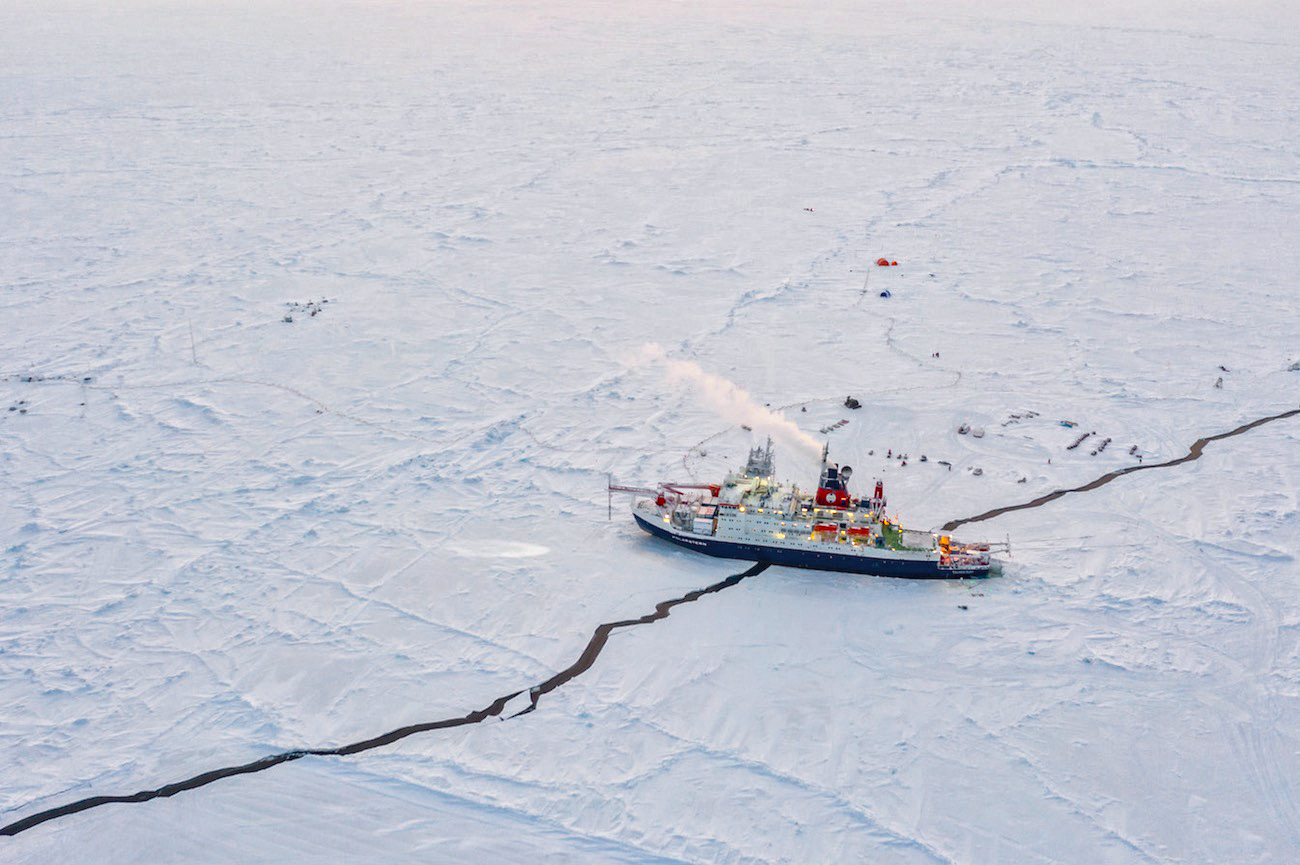
Nevertheless, the Arctic’s significance for Russia extends beyond economic interests. The country’s extensive Arctic coastline, nuclear-powered icebreaker fleet, and submarine force based on the Kola Peninsula make the region an important part of Moscow’s military and strategic identity. The Northern Sea Route stands out as an area where Russia can convert these capabilities into economic and geopolitical influence.
The establishment of a joint subcommittee by Russia and China in 2024 to advance cooperation along the route also strengthened the institutional dimension of their rapprochement. In the same year, joint patrols by the two countries’ coast guard forces in the Bering Sea and joint bomber flights off Alaska demonstrated that Arctic cooperation had also extended into the security domain.
However, closer ties between the two countries do not mean that their interests fully overlap. Russia views the Northern Sea Route as a national transportation corridor administered under its own sovereignty. It requires permits for commercial voyages and imposes restrictions on the passage of foreign warships through areas it considers its internal waters. Moscow seeks to preserve both its security and economic advantages by retaining control over the route.
China, meanwhile, avoids directly committing itself to Russia’s legal claims in the region, despite describing itself as a “near-Arctic state.” Beijing’s main priority is to secure access to the route and develop the capacity to use it as an alternative trade corridor when necessary. Consequently, although Russia-China cooperation reflects shared strategic concerns, it is largely based on calculations of mutual interest.
The West’s leverage: Sanctions
One of the main obstacles to Arctic cooperation between Russia and China is Western sanctions. Chinese companies operating in global markets are particularly cautious about participating in Russian Arctic projects because of the risk of exposure to secondary sanctions.

COSCO, China’s major state-controlled shipping company, conducted 42 voyages along the Northern Sea Route between 2013 and 2021. However, no voyages were made along this route in 2022. In the following period, container shipping was carried out primarily through smaller private companies such as NewNew Shipping and Sea Legend. This demonstrates that although China recognizes the route’s commercial potential, it is reluctant to make a comprehensive commitment because of sanctions risks.
A similar picture has emerged in the energy sector. Following the United States’ imposition of sanctions on the Arctic LNG 2 project in November 2023, Chinese energy companies CNPC and CNOOC, each of which holds a 10 percent stake in the project, reportedly suspended their participation. Nevertheless, China has not completely closed its doors to shipments associated with the project. Since August 2025, some LNG cargoes from the sanctioned Arctic LNG 2 project have reportedly arrived at China’s Beihai terminal, while in September 2026, some equipment manufactured for the project was reportedly transported to Russia.
These developments reveal the two-sided impact of sanctions. On the one hand, they restrict Chinese companies’ participation in Russian Arctic projects. On the other, they increase Moscow’s need for alternative buyers and investors, thereby strengthening Beijing’s bargaining power.
As China becomes an increasingly important buyer of Russian energy resources, Moscow may be forced to make concessions regarding access to infrastructure and commercial terms. In its 2024 assessment, Denmark’s Defence Intelligence Service also drew attention to the possibility that Russia, under economic and strategic pressure, might have to grant China greater access to the Arctic.
Sanctions can therefore alter the balance of power between the two countries while limiting Russia’s activities in the Arctic. Although Moscow wants to retain control over the route, its dependence on Beijing may deepen as its need for financing, technology, and markets grows.
Northern security for the United States and Canada
The development of the Northern Sea Route is primarily a matter of naval power and northern defence for the United States. The Bering Strait, the route’s eastern gateway, is a strategic passage between Alaska and Russia. China’s efforts to reduce its dependence on the Strait of Malacca could also result in Chinese vessels operating more frequently in waters close to US territory.
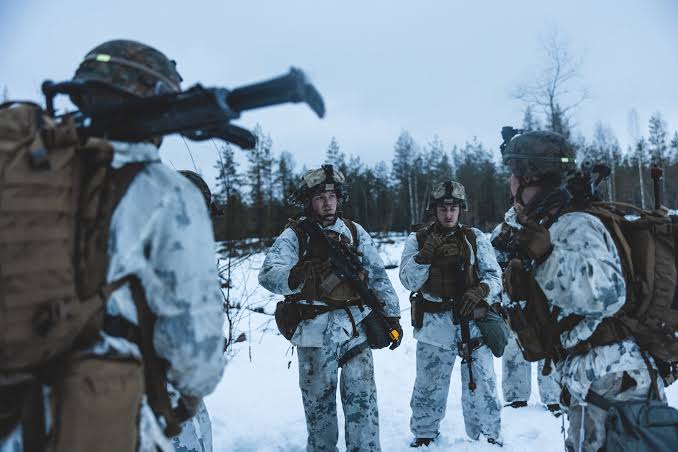
This situation requires Washington to strengthen its surveillance, maritime patrol, and response capabilities in the Arctic. The plan announced in October 2025 for new polar security vessels to be built in Finland and the United States is part of this effort. However, maintaining a permanent military presence in the north entails high costs and requires coordination with NATO allies.
Developments also have both security and economic implications for Canada. The joint activities of Russian and Chinese vessels in the Bering Sea, considered alongside the presence of Chinese research vessels around Alaska, increase Canada’s need for surveillance and defence in its northern maritime areas.
Meanwhile, Canada became a country supplying gas to Asian markets when it began LNG exports in 2025. This development has turned Canada into an energy exporter capable of competing with Russia in the same markets. More comprehensive coordination between Washington and Ottawa on northern defence, maritime surveillance systems, icebreaker capacity, and the activities of Chinese state-owned vessels could strengthen the strategic position of both countries.
The dilemma facing Europe
For Europe, the Northern Sea Route is not merely a route that shortens transportation times; it is also an arena in which dependence on Russia is being reshaped. The fact that the Dubai Tower carried Chinese-made battery and energy-storage equipment to England demonstrates that Europe’s efforts to diversify its supply chains can also take place via a route controlled by Russia.
This creates a significant contradiction for Europe’s economic security policies. European countries are trying to reduce their dependence on China for critical technologies and supplies, while at the same time facing the reality that Chinese goods are reaching their ports via a route that relies on Russian navigation and icebreaker services.
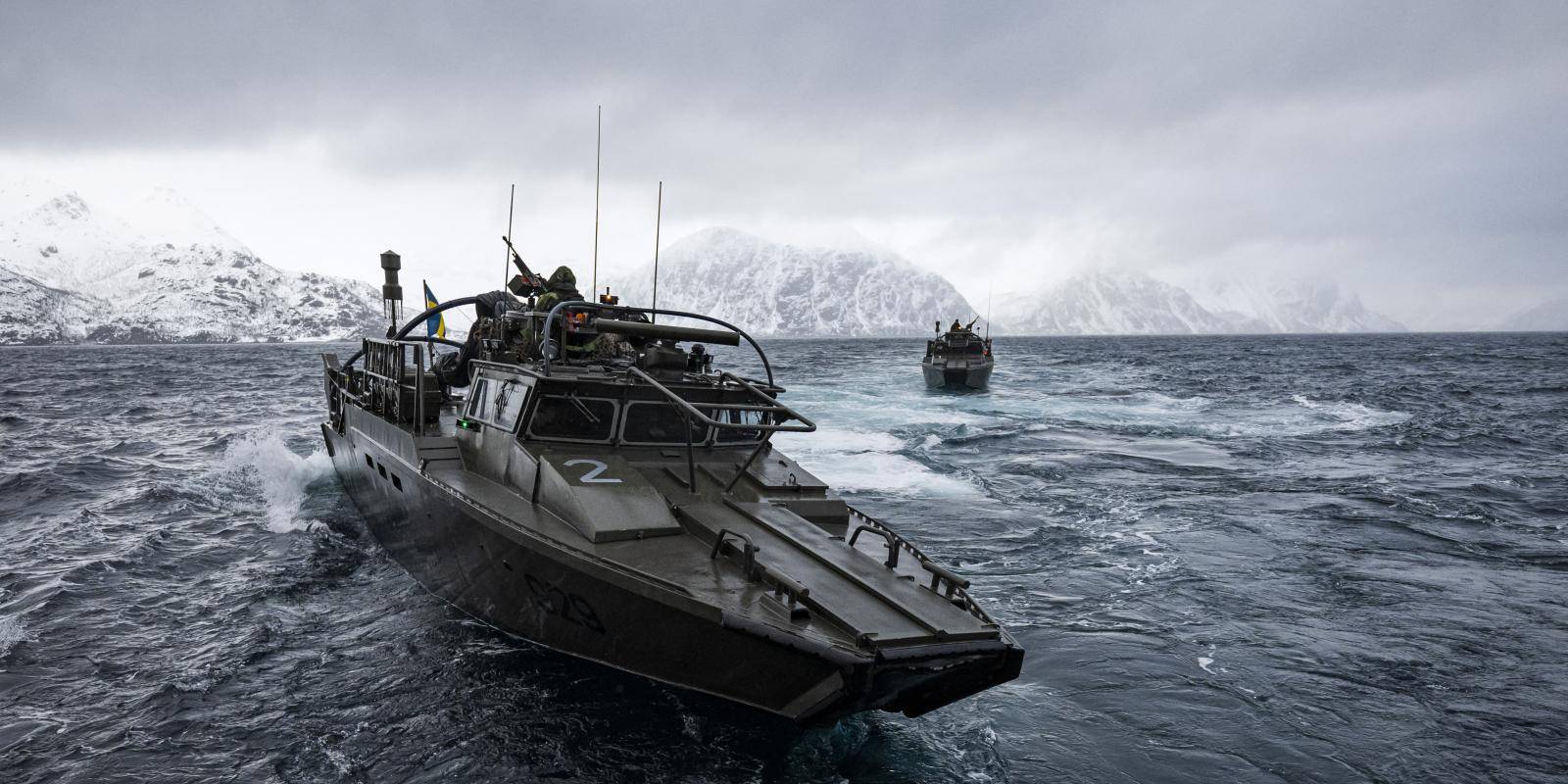
On the security front, Finland and Sweden’s accession to NATO has altered the strategic balance around Norway and the Kola Peninsula. The alliance now has a more integrated northern defence line opposite the area in which Russia’s Northern Fleet operates.
European Union countries and the United Kingdom need to develop a common approach to evaluating transportation conducted with Russian permits and technical support. The issue is not simply whether ships reach European ports, but also the security and political conditions under which the trade takes place.
Why the Northern Sea Route should be closely monitored
The Northern Sea Route remains a corridor dependent on seasonal conditions, high costs, and Russia’s administrative control. These limitations do not diminish its growing geoeconomic and geopolitical importance.
For Russia, the route is one of the means of sustaining energy exports despite sanctions and reinforcing its claim to great-power status in the Arctic. For China, it is an alternative connection to Europe that could reduce dependence on southern maritime chokepoints, although its use depends on cooperation with Russia. At the same time, it is a strategic corridor that brings the activities of both countries into waters close to North America.
Western sanctions remain an important instrument capable of slowing the development of this route. However, relying on sanctions alone may not be sufficient. The United States needs to strengthen its maritime presence around the Bering Strait, deepen defence coordination with Canada, and ensure that Europe develops a more consistent policy toward the relationship between trade with China and Russia’s control of the Arctic.
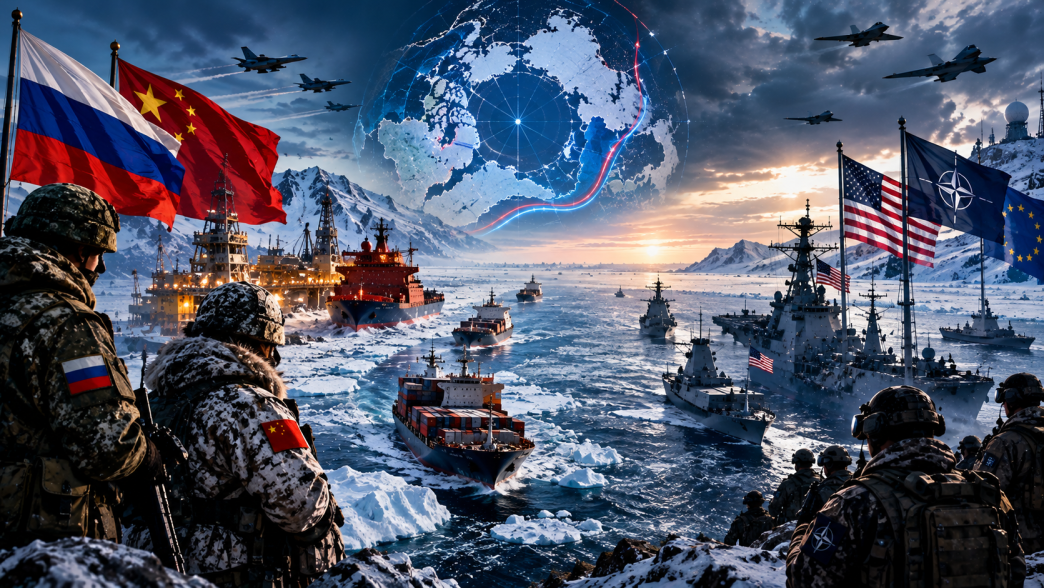
Ultimately, the Northern Sea Route’s real significance lies less in how much cargo it carries today than in how it could shape the economic and military calculations of major powers in the future. At a time when crises can disrupt traditional global trade routes, the Arctic is becoming not merely a new maritime passage, but an increasingly prominent arena of strategic competition between Russia, China, and the West.