


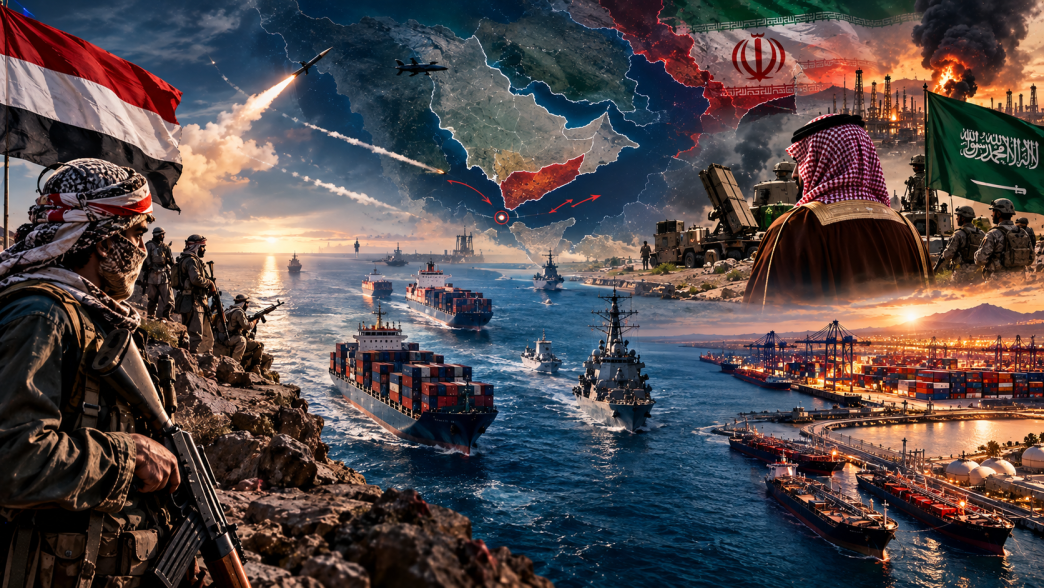
The renewed escalation of the conflict in Yemen shows that the Red Sea and the Bab al-Mandab Strait are no longer merely regional security concerns, but have become arenas of confrontation directly affecting global energy trade and the strategic calculations of major powers. The Houthis’ expansion of control over strategic locations along the Red Sea coast and around the Bab al-Mandab in September 2026, Saudi Arabia’s response with airstrikes, and international actors’ support for Riyadh have once again brought the Yemen crisis to the forefront of the regional agenda.

However, viewing these developments solely as an extension of the war waged by the United States and Israel against Iran means overlooking the distinct dynamics of the conflict in Yemen. Although the Houthis receive weapons, technology, and various forms of logistical support from Tehran, their primary objective is to consolidate their control over Yemen. Even a potential ceasefire with Iran would not eliminate this goal. Nevertheless, Tehran’s ability to withstand American and Israeli attacks is encouraging the Houthis to draw confidence from regional developments and intensify their military activities. 
The Iran war and shifting balances in Yemen
The roots of the crisis in Yemen can be traced back to the Houthis’ seizure of the capital, Sanaa, in September 2014 and Saudi Arabia’s military intervention in March 2015 to remove the movement from power. The relative calm that emerged in April 2022, following years of war, suffered a major setback with the attack on Sanaa International Airport in July 2026. The bombing of the runway as a civilian aircraft returning from Iran and carrying a Houthi delegation attempted to land reignited tensions between the parties. While the Houthis held Saudi Arabia responsible for the attack, the internationally recognized government in Sanaa claimed responsibility for it.
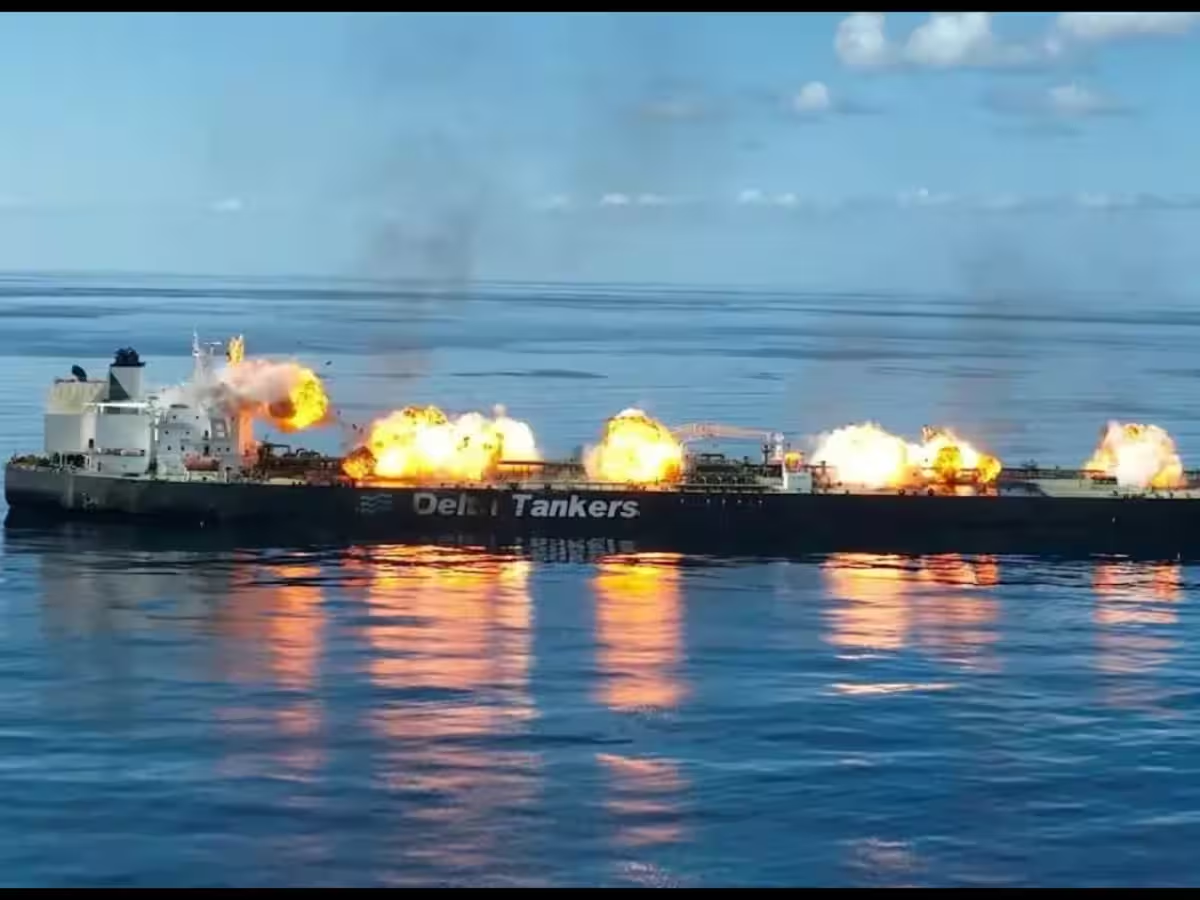
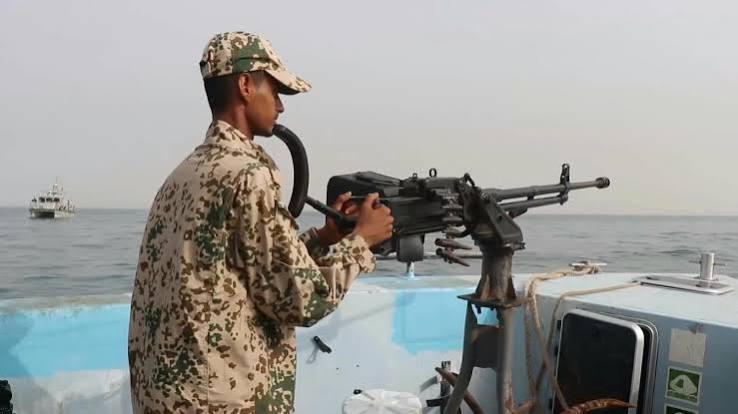
Shortly afterward, the Houthis announced that they would target Saudi oil exports passing through the Bab al-Mandab Strait. Attacks on Saudi oil facilities and tankers in the Red Sea directly linked the military dimension of the crisis to energy security. As a result, the conflict in Yemen became an issue that would determine not only the distribution of power within the country but also which actors could secure global energy flows and to what extent.
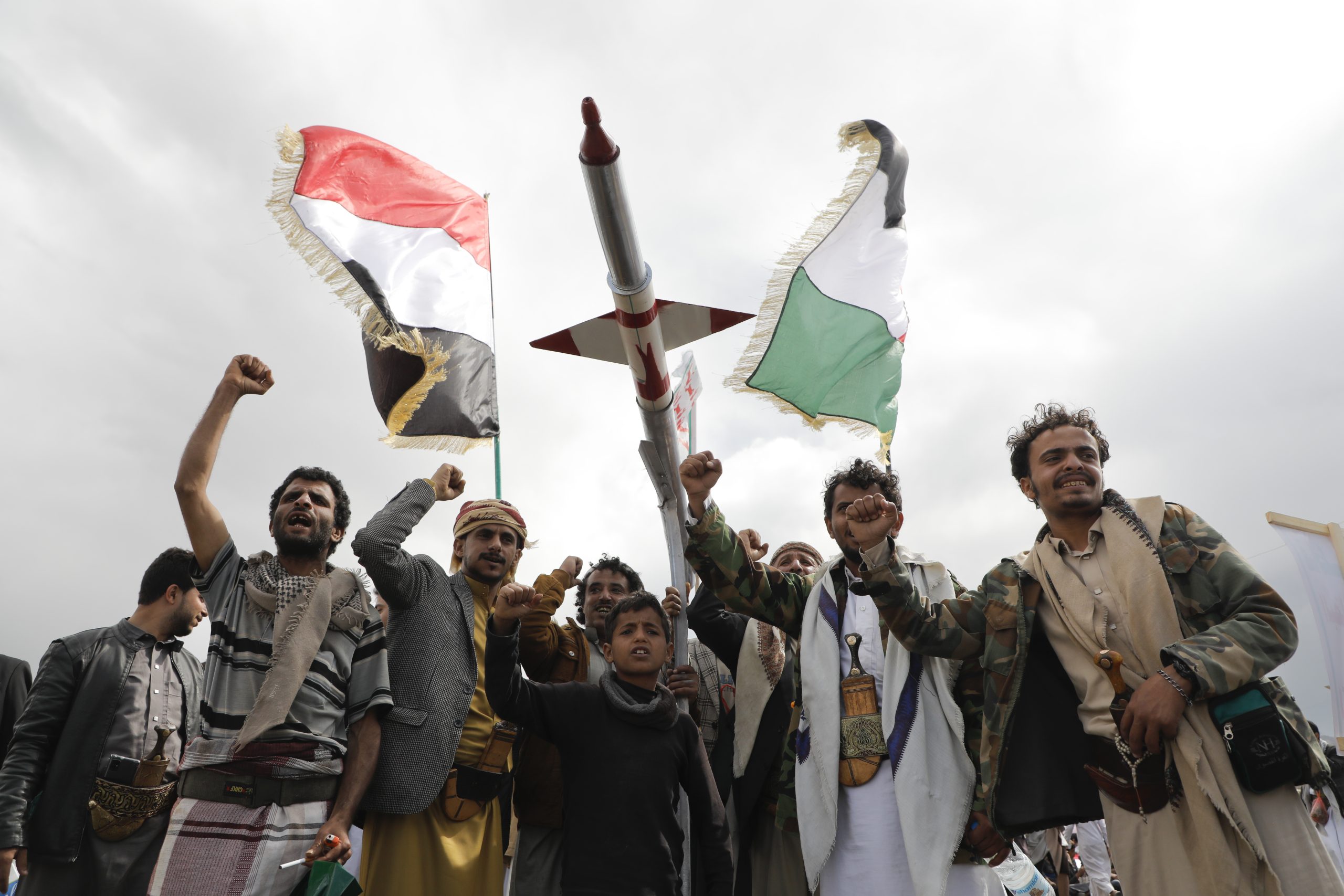
The Houthis’ transformation of the Palestinian issue into a significant component of their political legitimacy also played a role in this process. By targeting Israel-linked ships during the war in Gaza, the movement increased its domestic support and international visibility. In response, American and Israeli airstrikes raised the military and political costs for the Houthi leadership. The movement’s decision to limit its attacks on Israel after Israel targeted senior Houthi officials in August 2025 suggests that the group does not wish to engage in conflicts on every front with equal intensity. The recent shift in focus toward confronting Saudi Arabia demonstrates that the Houthis continue to pursue their own political objectives independently of regional developments.
The Houthis’ military capabilities and the fragile balance of the Civil War
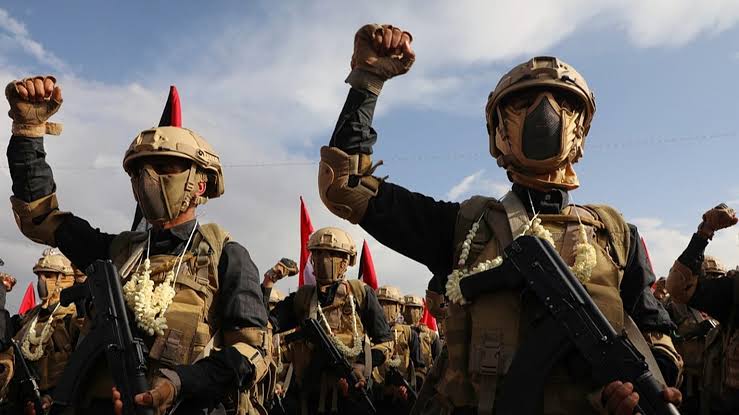
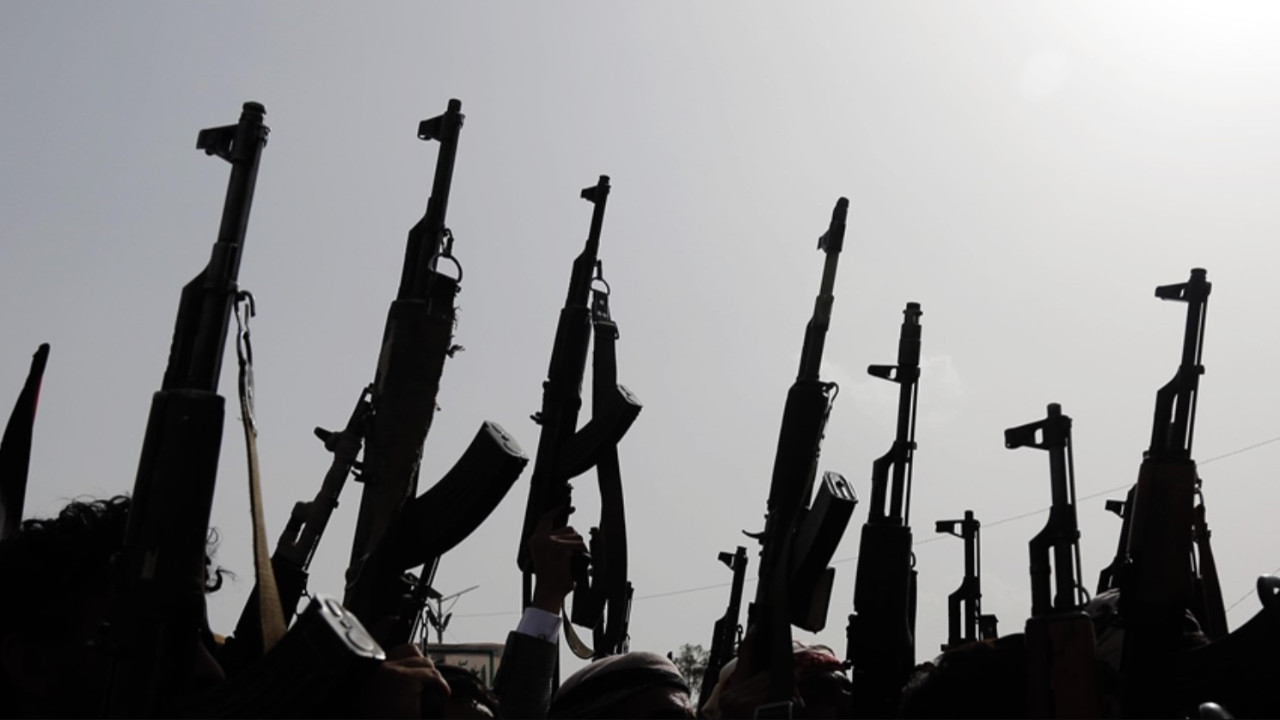
The Houthis’ growing strength in recent years cannot be attributed solely to the support they receive from Iran. While expanding their capacity to manufacture weapons and improve existing systems within Yemen, the movement has increasingly employed technologies such as unmanned aerial vehicles, unmanned maritime systems, and precision-guided weapons. This has enabled it to wage asymmetric warfare against adversaries with far greater economic and military resources.
Divisions among anti-Houthi forces in Yemen have also contributed to the movement’s rapid advance along the Red Sea coast. Disagreements between Saudi Arabia and the United Arab Emirates over Yemen policy weakened the military and political cohesion of the internationally recognized government. The UAE’s withdrawal from Yemen in early 2026 and the deterioration of its relations with the southern separatist movement further complicated the position of forces supported by Riyadh.
The main challenge facing Yemen’s Presidential Leadership Council is not merely the Houthis’ military superiority, but also internal conflicts of interest and criticism of its governing capacity. Corruption allegations, inadequate public services, and the failure to achieve significant improvements in living conditions are eroding the government’s legitimacy. This situation demonstrates that Saudi Arabia’s military support alone will not be sufficient to establish a stable political order in Yemen.
Why are the Red Sea and Bab al-Mandab globally important?
The Bab al-Mandab Strait connects the Red Sea to the Gulf of Aden and serves as a critical passage for maritime trade between Europe and Asia. Any disruption to the security of this route could directly affect trade through the Suez Canal, energy shipments, and global supply chains. When considered alongside the crisis in the Strait of Hormuz, simultaneous threats to these two strategic chokepoints further increase pressure on energy markets and international maritime transport.
During the first week of October, Yemeni forces backed by Saudi Arabia launched a counteroffensive to retake coastal areas captured by the Houthis in September. The Yemeni government announced that it had made advances around the strategically important port of Mocha and the Bab al-Mandab Strait. However, it remains unclear how durable control on the ground will be and to what extent the Houthis’ capacity to launch counterattacks can be weakened.
As of October 12, the conflict’s spillover into Saudi territory has further widened the crisis. Following an attack targeting King Khalid International Airport in Riyadh that caused casualties, the effectiveness of Saudi air defenses came under scrutiny. Further missile and drone attacks have heightened concerns over the security of energy infrastructure and civilian transportation hubs. These developments indicate that the Houthis aim to do more than threaten maritime trade; they also seek to place direct pressure on Saudi Arabia’s economic and political stability.
This threat is particularly significant for the Gulf states’ ambitions to transform their economies, expand tourism, and attract international investment. Saudi Arabia’s Vision 2030 program aims to reduce the country’s dependence on oil revenues and turn it into a more attractive destination for global capital. However, achieving these objectives becomes more difficult when airports, oil facilities, and maritime trade routes are under threat. Consequently, the war in Yemen represents not only a border security challenge for Riyadh but also a major test of the country’s long-term economic transformation.
Three options facing Saudi Arabia
Riyadh essentially has three options. The first is to continue supporting Yemen’s internationally recognized government and attempt to reverse the Houthis’ recent gains through military means. The second is to reshape its relations with southern separatist actors and alter the balance of power on the ground. The third is to return to negotiations with the Houthis as the costs of the conflict rise and reduce its military involvement in Yemen.

For now, Saudi Arabia is prioritizing the first option. However, past experience shows that intensive airstrikes and external military support have not been sufficient to defeat the Houthis decisively. Riyadh’s intervention between 2015 and 2022 failed to produce a lasting solution in Yemen despite heavy humanitarian losses and substantial economic costs. Repeating the same strategy today risks prolonging the conflict and creating conditions that allow the Houthis to further develop their retaliatory capabilities.
Turning toward southern separatist forces is not an easy option either. Yemen’s fragmentation could increase security problems along Saudi Arabia’s southern border and make the country’s political divisions permanent. Therefore, although Riyadh may seek to reorganize its relations with different local actors, there is no guarantee that such an approach would create a unified and effective front against the Houthis.
Diplomacy may appear less costly in the short term, but it could have serious political consequences. Reaching an agreement with the Houthis could amount to de facto acceptance of the movement’s control over a substantial part of the country. This could have severe implications for Yemenis living under Houthi rule or those who have fled its repression. Reports by human rights organizations concerning abuses against civilians, arbitrary detentions, and the obstruction of humanitarian aid demonstrate that any potential agreement must be assessed in terms beyond the military balance alone.
Washington’s limited support and the regional security challenge
The United States’ approach to the crisis also affects Saudi Arabia’s calculations. Although Washington provides intelligence and operational planning support, its reluctance to undertake direct and comprehensive military intervention highlights the gap between Riyadh’s security expectations and Washington’s regional priorities. At a time when the war with Iran is consuming resources, launching another prolonged military campaign in Yemen could impose substantial military and political costs on the United States.
Support for Saudi Arabia from actors such as France and Pakistan also highlights the crisis’s significance beyond the immediate region. However, increasing external military assistance will not automatically resolve the political problems among Yemen’s local actors. Moreover, an expansion of international intervention could allow the Houthis to portray themselves as defenders of the country’s sovereignty against foreign powers.
The fundamental strategic dilemma is clear: even if pressure intended to weaken the Houthis’ military capabilities produces short-term results, it could ultimately strengthen the movement’s social and political position. For this reason, ensuring Saudi Arabia’s security and establishing a sustainable political order in Yemen cannot be treated as separate objectives.
Conclusion: Military victory alone will not resolve Yemen’s crisis
Recent developments in Yemen demonstrate that conflicts across the Middle East are becoming increasingly difficult to contain within separate boundaries. While the war with Iran affects the Houthis’ room for maneuver and regional ambitions, the conflict in Yemen threatens Red Sea security, Saudi Arabia’s economic objectives, and the stability of global trade. The addition of tensions around the Bab al-Mandab Strait to the crisis in the Strait of Hormuz shows that energy security can no longer be ensured by protecting a single maritime chokepoint.
Nevertheless, viewing the Houthis solely as a proxy force directed by Iran would underestimate the movement’s domestic political objectives and its capacity to make independent decisions. Although its relationship with Tehran remains important, the Houthis’ goal of consolidating their power will persist even after a potential agreement with Iran.
For Saudi Arabia, a lasting solution will require more than gaining territory through airstrikes or reducing the Houthis’ military capabilities. A process must be established that ensures the participation of Yemen’s political actors, prevents the country’s fragmentation, and addresses security concerns through negotiations. Strengthening the United Nations’ mediation mechanisms and ensuring that humanitarian assistance reaches those in need independently of political rivalries are also essential components of this process.
Otherwise, Yemen could become a permanent arena in which regional powers settle their rivalries. In such a scenario, the Yemeni people would once again bear the heaviest burden, while instability in the Red Sea would continue to exert prolonged pressure on global trade and energy security.