

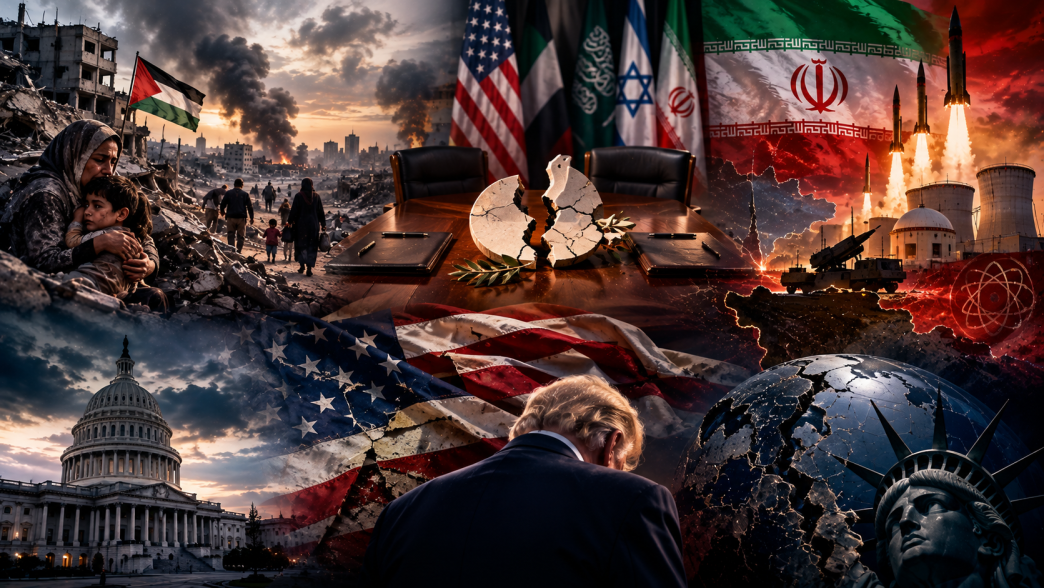
The future of diplomatic initiatives in the Middle East depends not simply on bringing the parties to the negotiating table, but on taking account of the balance of power on the ground, security concerns, and long-term strategic objectives. US President Donald Trump’s Gaza peace plan and Washington’s attempt to end the war with Iran illustrate this reality. Both initiatives were initially presented as major breakthroughs, yet they left the most difficult issues for future negotiations and failed to bridge the fundamental differences between the parties.

Washington gave the impression that rapid progress was possible in both conflicts. However, the parties’ competing security priorities, political ambitions, and deep mutual distrust made such expectations unrealistic. The problem is not merely the slow pace of negotiations, but the tendency to declare diplomatic victories before the underlying disputes have been resolved. 
As these initiatives stall, US credibility in the region is coming under increasing pressure. The failure of plans promoted as major diplomatic achievements weakens allies’ confidence in American commitments while encouraging adversaries to test Washington’s resolve. Amid shifting regional power balances and intensifying global competition, this is a strategic challenge that extends far beyond the two conflicts themselves.
Declaring diplomatic victory does not change realities on the ground
One of the main weaknesses of the Trump administration’s approach is its presentation of framework agreements as achievements before their feasibility has been established. Both the June understanding intended to end the war with Iran and the Gaza peace plan initially raised hopes of a comprehensive settlement. Yet the most difficult questions were postponed for negotiations expected to take place over the following months.

Diplomacy requires more than a list of agreed principles. A workable agreement must clarify what each party stands to gain, what concessions it is prepared to make, and how violations will be addressed. In conflicts involving states, armed groups, and regional powers, postponing fundamental security questions often creates new sources of tension rather than making compromise easier.
Washington’s difficulty lies in trying to secure acceptance of its own demands without adequately accounting for its opponents’ long-term objectives and bargaining power. This approach seeks immediate political gains while leaving the hardest implementation challenges for later. When developments on the ground contradict official declarations, the result is not greater American influence but declining diplomatic credibility.
Israel’s withdrawal conditions and the fragility of the ceasefire
The Israeli government regards Hamas’s disarmament as a fundamental condition for withdrawing from Gaza. While Hamas seeks to retain its military capabilities as leverage in negotiations, Israel argues that withdrawing before those capabilities are eliminated would create the conditions for renewed attacks.
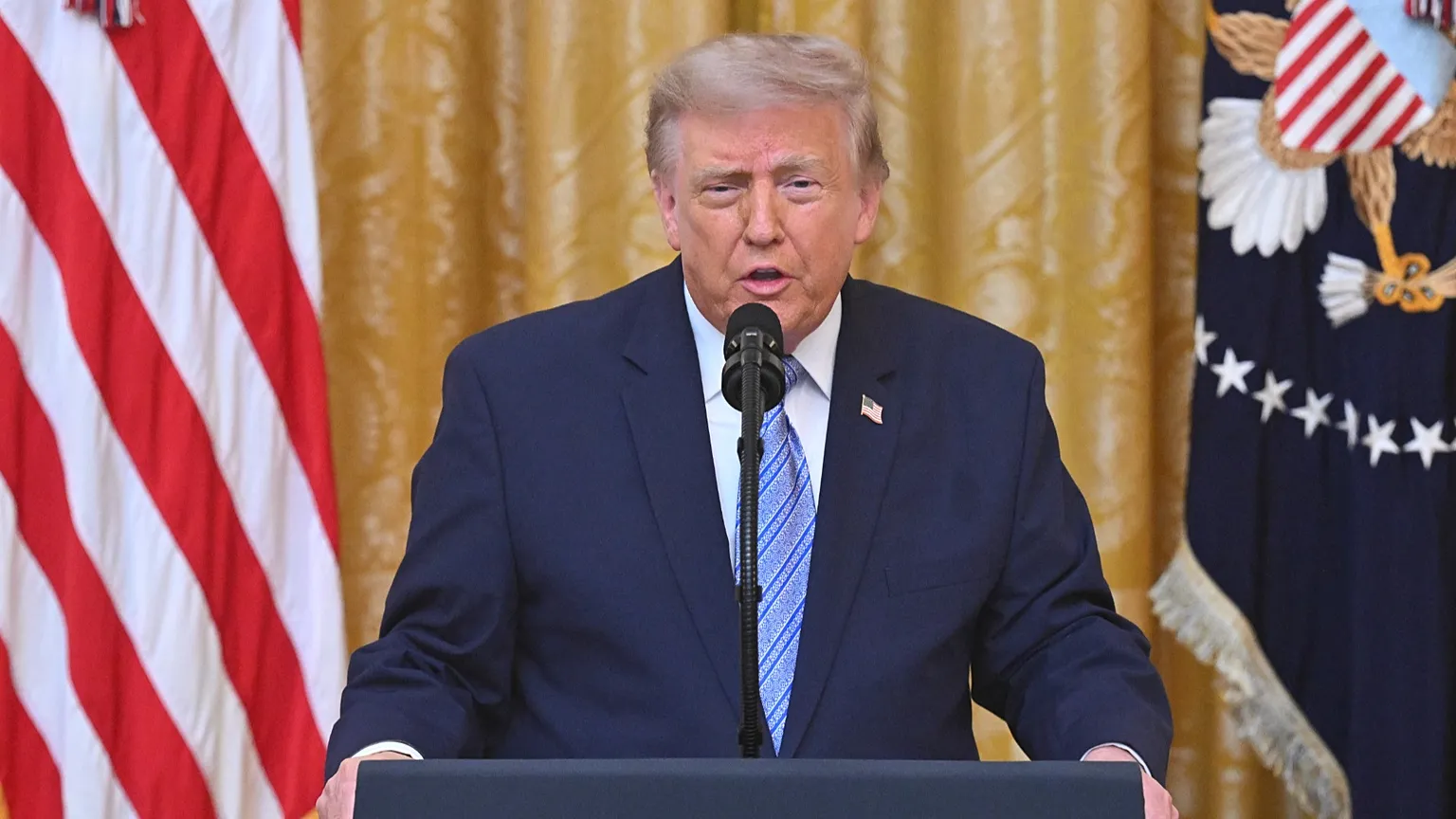
Changes in the approach of the Board of Peace, which is expected to oversee postwar Gaza, reflect this impasse. Earlier expectations of an Israeli withdrawal have increasingly been qualified by the requirement that Hamas’s disarmament be completed first. The question of whether Israeli forces can withdraw beyond the Yellow Line, which separates Israeli-controlled territory from Hamas-controlled areas under the October 2025 ceasefire, has consequently become a central point of contention.
The proposed scope of disarmament—including light weapons, heavy weapons, and tunnels—illustrates the scale of the challenge. Political declarations alone cannot ensure compliance; the process requires credible verification mechanisms. Without them, either party could accuse the other of violating its obligations, increasing the risk that a ceasefire will collapse into renewed fighting.
Lasting stability in Gaza requires addressing both Israel’s security concerns and Palestinians’ political aspirations. An approach that treats security exclusively as a military issue and political settlement as a matter of diplomatic declarations will not resolve the underlying causes of the conflict.
Iran, the Strait of Hormuz, and the struggle for leverage
The proposed understanding intended to end the war with Iran faces similar obstacles. Under the framework, Washington would end its naval blockade and lift sanctions, while Tehran would reopen the Strait of Hormuz and halt its nuclear activities. The two sides would also agree on the future of Iran’s stockpiles of enriched uranium, with military operations ending on all fronts, including Lebanon.
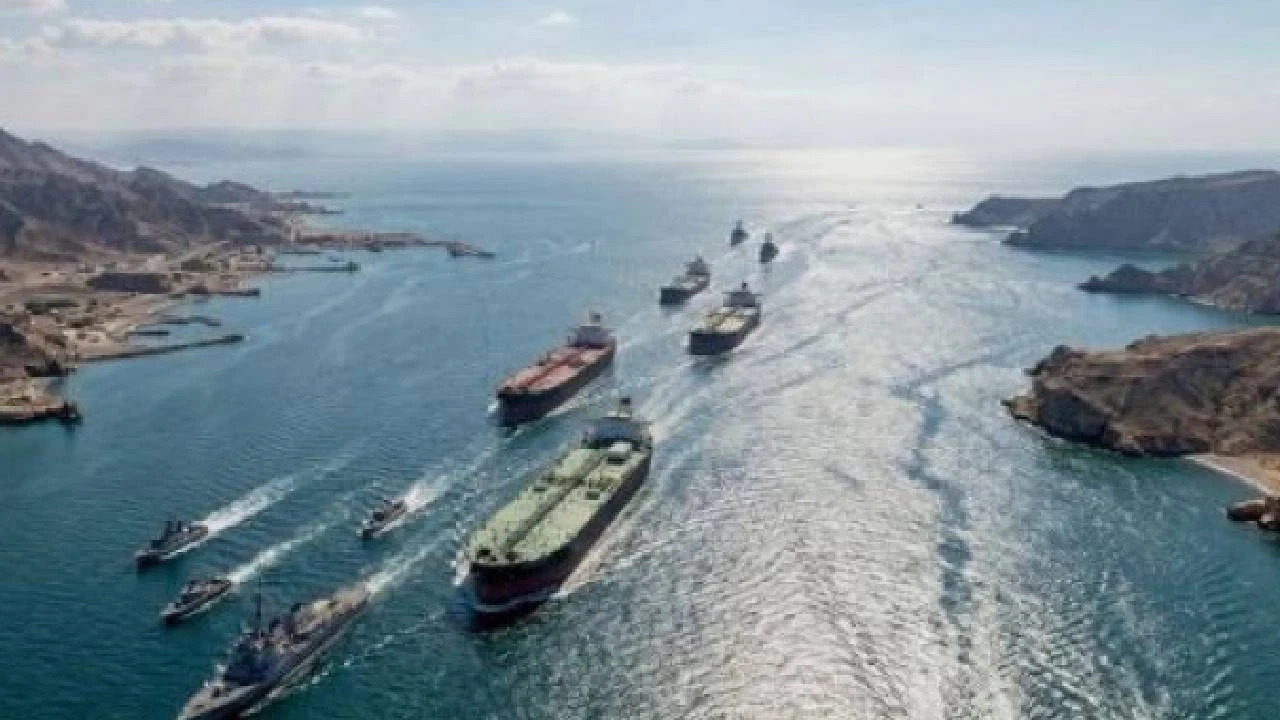
Each provision, however, requires difficult negotiations in its own right. The Strait of Hormuz is not merely a point of dispute between Iran and the United States; it is a strategic passage essential to global energy supplies, maritime trade, and the wider international economy.
Tehran’s desire to retain control over the strait and turn that position into bargaining power is one of the most serious obstacles to an agreement. By threatening to disrupt energy shipments, Iran could exert pressure not only on the United States but also on Gulf states, Europe, and energy-importing economies across Asia.
Washington, meanwhile, is unwilling to accept the erosion of freedom of navigation. Yet the economic costs of continued tensions, higher energy prices, and declining public support for the war must also be considered. The issue is therefore not simply which side has greater military strength, but how much economic and political cost that strength can sustain.
Without a durable security arrangement for the Strait of Hormuz, global energy markets could remain under pressure even if the end of the war were announced. Maritime security, freedom of navigation, and regional security guarantees must therefore be central to any agreement with Iran.
Iran’s nuclear program: Temporary limits are not a lasting solution
Iran’s nuclear program remains one of the most difficult challenges facing diplomacy. Successive US administrations have made preventing Tehran from developing nuclear weapons a central objective, yet no durable and verifiable arrangement has secured Iran’s complete abandonment of its nuclear ambitions.
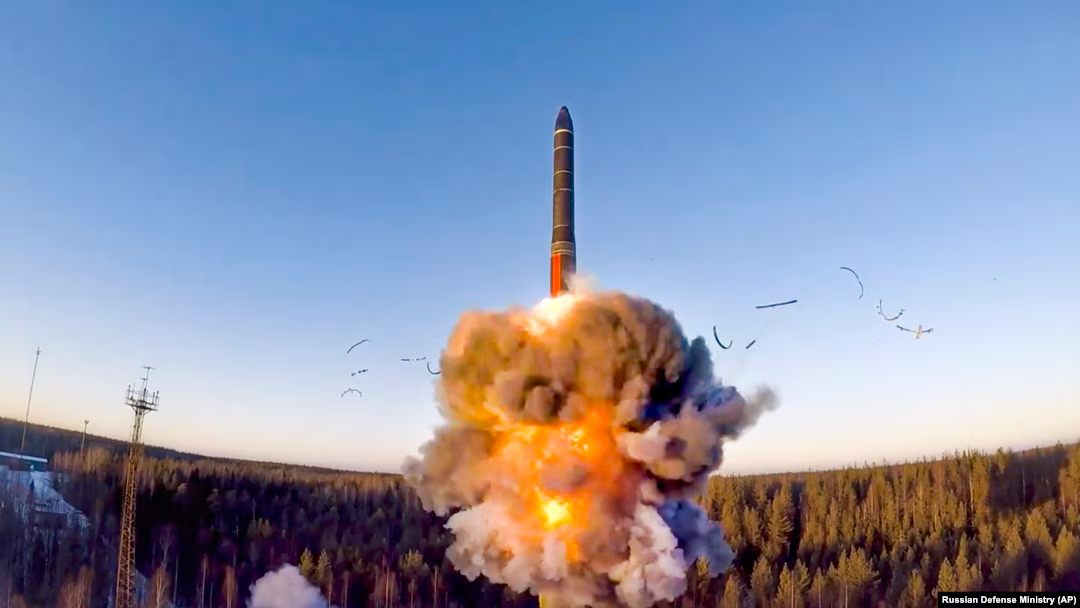
Temporary restrictions alone cannot resolve the issue. Cooperation with international inspectors, the future of enriched uranium stockpiles, enrichment capacity, and the possible reconstruction of nuclear facilities will all determine whether any agreement can be trusted. Assessments that Iran is rebuilding its nuclear infrastructure reinforce the point that political declarations are insufficient.
The central distinction is between Iran agreeing to limit its nuclear activities and providing credible guarantees that those limits will remain in force over the long term. Washington and its allies prioritize verification, while Tehran views its nuclear program through the lenses of sovereignty, technological development, and strategic deterrence.
An agreement that fails to bridge these differences may simply postpone another crisis. Military strikes can damage nuclear infrastructure, but they cannot automatically eliminate technical expertise or long-term political objectives. A lasting settlement therefore requires not only pressure but also robust verification, reciprocal obligations, and clear procedures for addressing violations.
US credibility and the strategic calculations of its allies
The difficulties surrounding Gaza and Iran reveal more than Washington’s struggle to implement two diplomatic initiatives. They also raise broader questions about how the United States manages regional crises and whether its security commitments can be sustained.
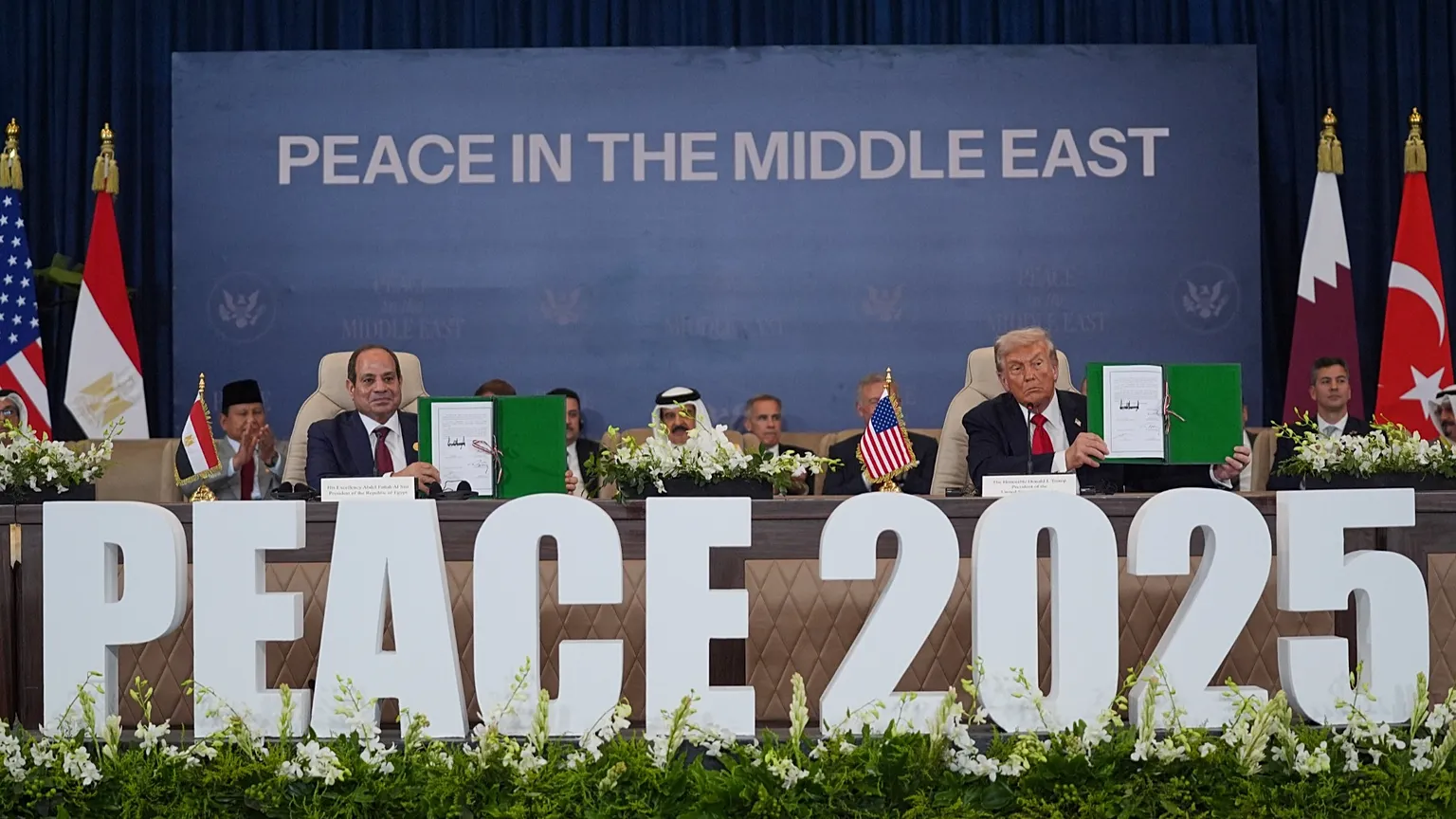
When agreements are announced as major successes before producing results on the ground, their subsequent failure damages American credibility. Countries that rely on the US security umbrella must reconsider how far Washington is willing to go during a crisis and how consistently it will uphold its long-term commitments.
This could accelerate efforts among Gulf states to diversify their security partnerships. Maintaining relations with Washington remains important, but the risks of depending on a single external power are becoming more apparent. Defense cooperation, domestic defense industries, and regional diplomatic channels are consequently gaining importance.
The same trend is visible globally. As great-power competition intensifies, energy security becomes intertwined with military and economic pressure, and regional conflicts disrupt international trade, states are increasingly reluctant to base their security policies solely on the promises of allies. Strategic autonomy is becoming a more prominent foreign policy objective.
For Türkiye, the crises in the Middle East underline the importance of combining diplomatic engagement with defense capabilities. Its NATO membership, relationships with regional actors, experience in mediation, and developing defense industry provide potential avenues for influence. Turning these advantages into effective crisis management, however, requires military capabilities to be supported by political engagement, economic relations, and initiatives grounded in international law.
Balancing military pressure with diplomacy
Washington’s challenge is not simply to choose between continuing military pressure and pursuing negotiations. It must determine what political objectives military force is intended to achieve and what diplomatic conditions are necessary to secure them.
Military operations can weaken an adversary or alter the balance of power at the negotiating table. They do not necessarily persuade that adversary to abandon its strategic objectives. Likewise, announcing a ceasefire or signing a framework agreement does not mean the causes of conflict have disappeared.
In Gaza, Hamas’s disarmament and Israel’s withdrawal remain unresolved. With Iran, the status of the Strait of Hormuz, the nuclear program, and sanctions are central issues. In Lebanon, Hezbollah’s military capabilities and the restoration of state authority remain major obstacles. These questions are interconnected with the parties’ security perceptions and the wider regional balance of power.
A sustainable diplomatic process must therefore define obligations clearly, provide independent verification, and establish mechanisms to prevent agreements from collapsing. Otherwise, each new understanding risks becoming a temporary arrangement that merely delays the next crisis.
Lasting peace in the Middle East requires a realistic strategy
The cases of Gaza and Iran demonstrate that diplomatic success must be measured by results on the ground, not political rhetoric. Washington’s premature declarations of victory have not resolved the deep differences between the parties. By postponing the most difficult questions, both initiatives became vulnerable before implementation had properly begun.

To protect its regional interests, the United States needs a realistic assessment of Iran’s nuclear program, its ambitions concerning the Strait of Hormuz, and its relationships with armed groups across the region. It must also address Israel’s security concerns and the political future of the Palestinians as interconnected issues rather than separate files.
At the same time, lasting peace cannot be achieved simply by expecting regional actors to accept Washington’s demands. Arrangements that disregard their interests, security concerns, and political aspirations may produce short-term results while laying the groundwork for future conflict. The real test of diplomacy is not whether one side can declare victory, but whether agreed commitments can be implemented in practice.
A stable Middle East requires a coherent balance between military power, diplomacy, economic incentives, and international verification. Without such an approach, ceasefire initiatives in Gaza, negotiations with Iran, and security arrangements in Lebanon risk reproducing the same conflicts in different forms.
Washington’s greatest challenge is no longer simply announcing new agreements, but ensuring that they are based on realistic objectives and can be implemented. Unless it succeeds, US credibility in the region will continue to erode, its allies will intensify their search for alternative security arrangements, and its adversaries will keep testing the limits of American resolve.