

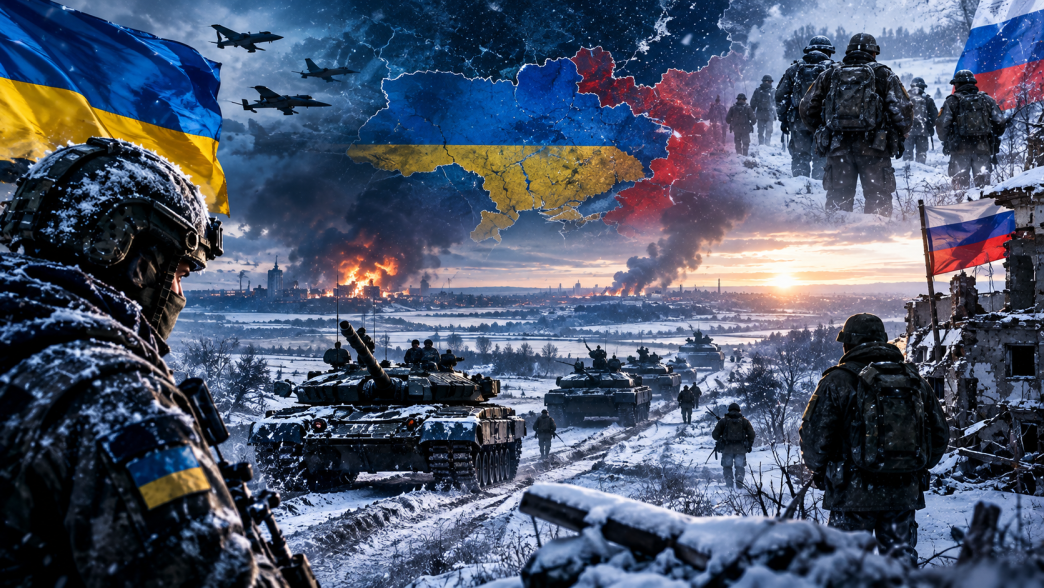
The future of the war in Ukraine can no longer be assessed solely through battlefield developments or negotiations between Kyiv and Moscow.
As the conflict drags on, Europe’s defense capabilities come under increasing strain, the United States is forced to distribute its military resources across multiple crisis regions, and Russia and the West find themselves increasingly at odds over the future of European security. One of the most dangerous potential consequences is that the war could spill over into the Baltic Sea region, triggering a direct NATO-Russia crisis centered on Russia’s Kaliningrad exclave.

Although such a scenario has not materialized, it could become increasingly plausible as miscalculations, retaliatory measures, and the breakdown of diplomatic channels deepen mutual distrust. Ukraine’s weakening air defenses, intensifying Russian attacks on energy infrastructure, and the West’s growing willingness to consider riskier military options could all contribute to this dangerous trajectory.
The central issue is no longer simply how far Russia can advance in Ukraine. It is whether Washington and Moscow can prevent their confrontation from expanding into a broader conflict over Europe’s security architecture.
Ukraine faces a critical winter
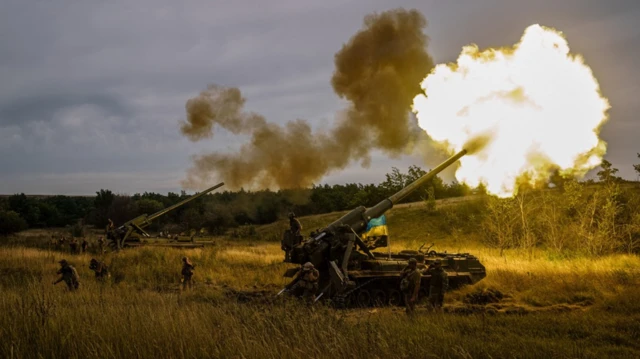
Imagine Ukraine facing an exceptionally harsh winter in February 2027. Russian attacks on power plants, electricity transmission lines, transportation networks, and communications infrastructure intensify, while Ukraine’s ability to intercept incoming threats deteriorates. Coordinated barrages of missiles, glide bombs, and jet-powered drones could place enormous pressure on the country’s air defense systems.
The consequences would extend far beyond military installations. Disruptions to electricity, heating, water supplies, and communications could threaten civilian life in major cities, forcing millions of people to seek safety elsewhere. The humanitarian situation in Kyiv and other urban centers could also undermine Ukraine’s ability to sustain its war effort.
For Moscow, attacks on energy infrastructure could form part of a broader strategy to weaken Ukraine’s capacity to wage war. Power shortages would disrupt defense production, railway transportation, logistics, and military communications. The inability to meet basic civilian needs during freezing conditions would place additional pressure on the Ukrainian government.
However, such attacks would not necessarily break Ukraine’s political will. The systematic destruction of civilian infrastructure could instead strengthen public resistance and further damage Russia’s international standing. The fundamental challenge is that Ukraine’s social resilience and its physical capacity to fight would be tested simultaneously.
Drones and digital infrastructure are reshaping warfare
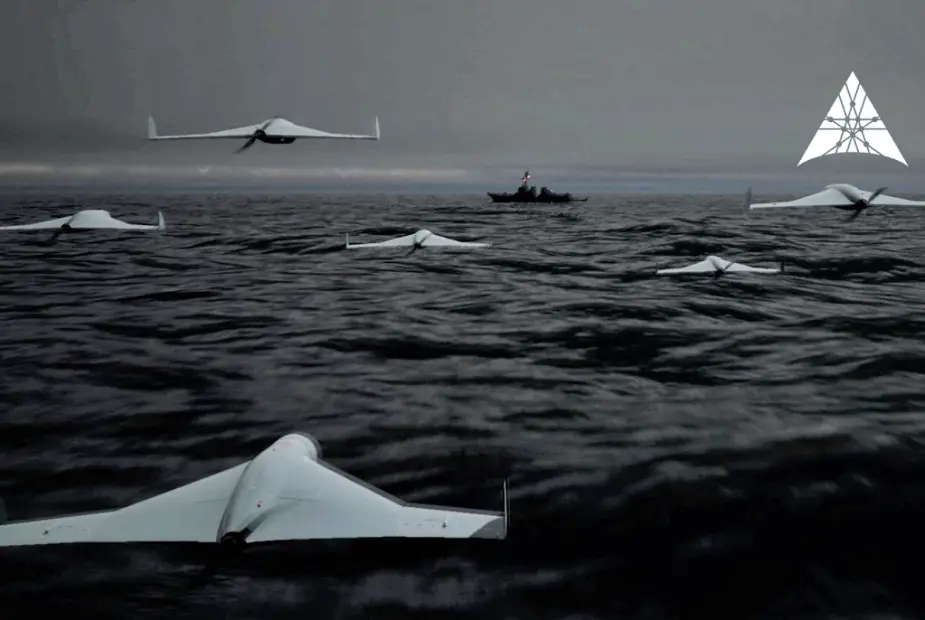
Modern air defense no longer depends solely on missile inventories or the number of combat aircraft available. Satellite communications, data centers, electronic warfare systems, targeting networks, and real-time intelligence sharing have become essential components of military operations.
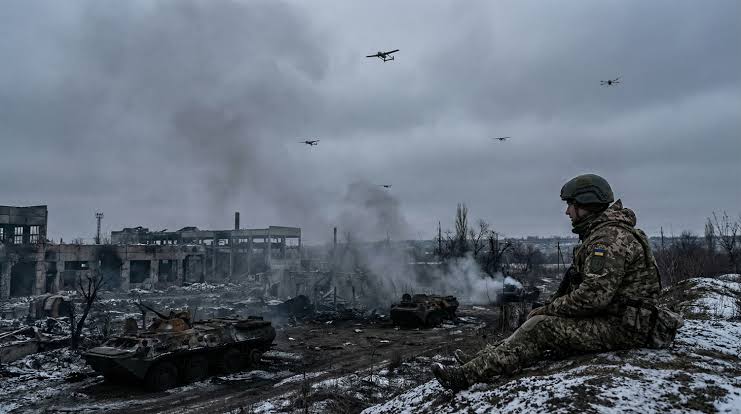
If Russia succeeded in disrupting Ukraine’s digital infrastructure, satellite communication terminals, and data centers, Ukrainian forces could struggle to coordinate battlefield operations and identify targets. In a war increasingly dominated by unmanned systems, interruptions to data flows could affect reconnaissance, fire support, logistics, and command-and-control capabilities.
Ukraine has gained important operational advantages through its use of drones, distributed command structures, and digital warfare techniques. Maintaining those advantages, however, depends on protecting interconnected systems against electronic jamming and physical attacks.
Future military effectiveness will therefore depend not only on the number of drones deployed but also on the resilience of the communications networks supporting them. This makes satellite connectivity, cybersecurity, electronic warfare, and redundant command-and-control systems just as important as the production of weapons and platforms.
Growing Russian pressure on Ukraine’s remaining major defensive strongholds in Donbas must be understood in this context. Weaknesses in air defense, intelligence, or logistics could give Russian forces additional opportunities when weather conditions become more favorable for ground operations.
Patriot shortages expose Western vulnerabilities
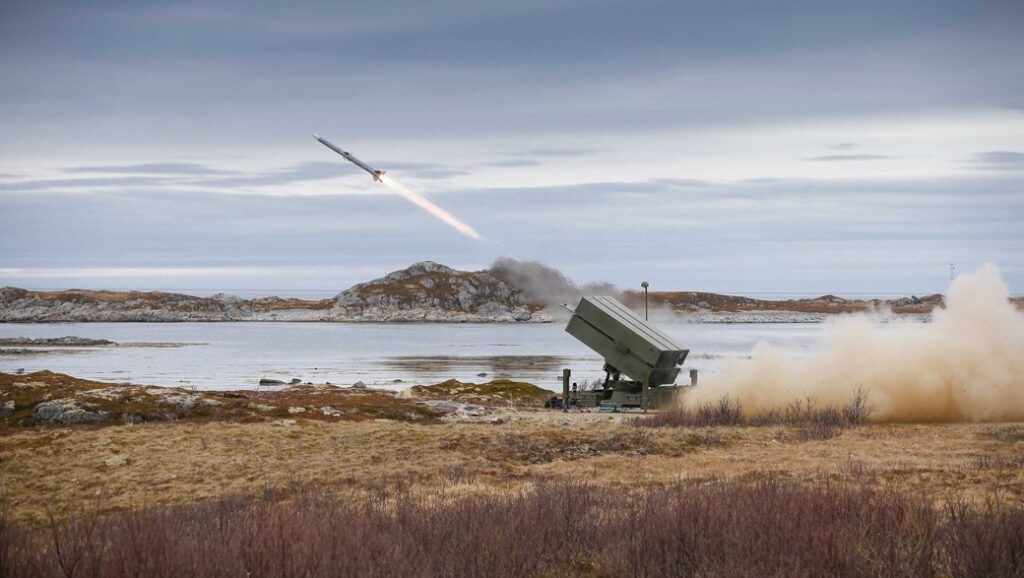
One of Ukraine’s most serious potential problems is the inability to secure sufficient ammunition for advanced air defense systems. Platforms such as Patriot provide critical protection against certain ballistic missiles and other aerial threats, but their effectiveness depends on available interceptor stocks and the speed at which new missiles can be manufactured.
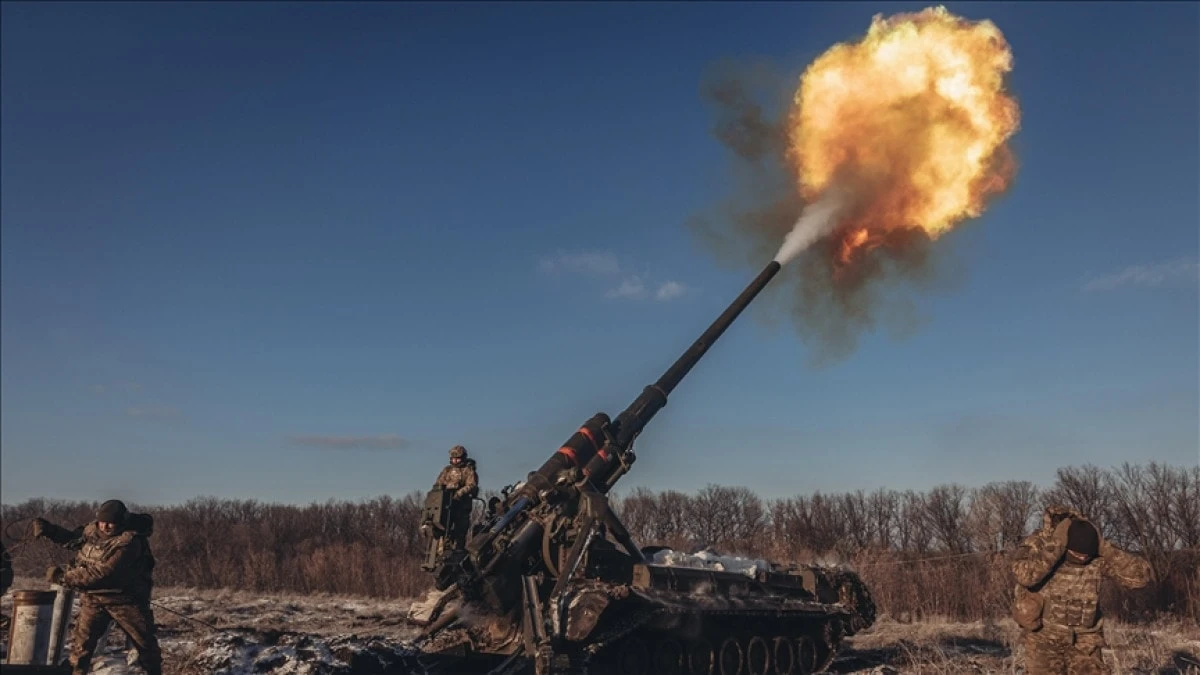
Years of fighting in Ukraine have placed substantial pressure on Western ammunition inventories. If the United States and its allies also face intense military demands in the Middle East, particularly in conflicts involving Iran, the same air defense interceptors may be needed across multiple theaters.
This is not merely a logistical problem. Diverting missiles to one region can weaken deterrence and defensive readiness elsewhere. Expanding production capacity is also difficult because advanced air defense systems depend on complex components, specialized manufacturing facilities, and lengthy supply chains.
Ukraine’s F-16 fleet could face similar constraints. Combat aircraft can help defend against jet-powered drones and other aerial threats, provided that suitable weapons, trained personnel, and sufficient operational readiness are available. Maintenance difficulties, spare-parts shortages, and the need to protect aircraft from attack can all limit their effectiveness.
European governments consequently face a difficult choice. Sending additional aircraft and air defense systems to Ukraine could strengthen Kyiv’s defenses, but transferring too many assets could leave NATO’s eastern flank less prepared for a direct confrontation with Russia.
Closing this gap will require more than transferring existing equipment. Europe must expand ammunition production, strengthen maintenance facilities, secure supply chains, and improve coordination across its defense industries.
Trump’s diplomatic options may narrow
If such a crisis emerged during the winter of 2027, U.S. President Donald Trump could face mounting pressure to address both Ukraine’s humanitarian emergency and the growing danger of a direct confrontation with Russia.
Washington could consider additional economic sanctions, renewed diplomatic initiatives, expanded military assistance, or stronger military pressure on Moscow. Yet each option has significant limitations.
New sanctions might weaken Russia’s war-making capacity over time, but they may not persuade Moscow to abandon its central security demands. Likewise, offers of economic cooperation and commercial agreements could have limited impact unless the underlying political and military disputes are addressed.
Moscow may insist that a temporary ceasefire cannot be separated from a broader settlement covering European security, NATO enlargement, and the military posture of Western countries near Russian territory. Washington and European capitals, however, may be reluctant to negotiate these issues, particularly while a humanitarian crisis is unfolding in Ukraine.
Negotiating over Russia’s security concerns should not mean compromising Ukraine’s sovereignty or its right to determine its own future. Nevertheless, ignoring Moscow’s security perceptions entirely could make a lasting settlement more difficult to achieve.
The distinction is between accepting Russia’s demands and managing the strategic tensions that those demands create. A sustainable diplomatic process must preserve Ukraine’s participation in decisions concerning its future while allowing Washington and Moscow to discuss ways of reducing the risks of a wider conflict.
Domestic politics could further complicate the situation. A U.S. Congress demanding stronger support for Ukraine could restrict the administration’s diplomatic flexibility, while differing security priorities among European governments could make a coordinated response increasingly difficult.
Washington would therefore need to pursue two objectives simultaneously: supporting Ukraine’s defense and preventing a direct war with Russia. Achieving both would require not only military assistance but also clear diplomatic goals and credible crisis-management mechanisms.
The dangers of escalating to force de-escalation
One possible Western response would be to increase military pressure in the hope of forcing Moscow to retreat. Under certain circumstances, this approach can strengthen deterrence. But when a state believes its fundamental security interests are threatened, additional pressure may provoke retaliation rather than concessions.
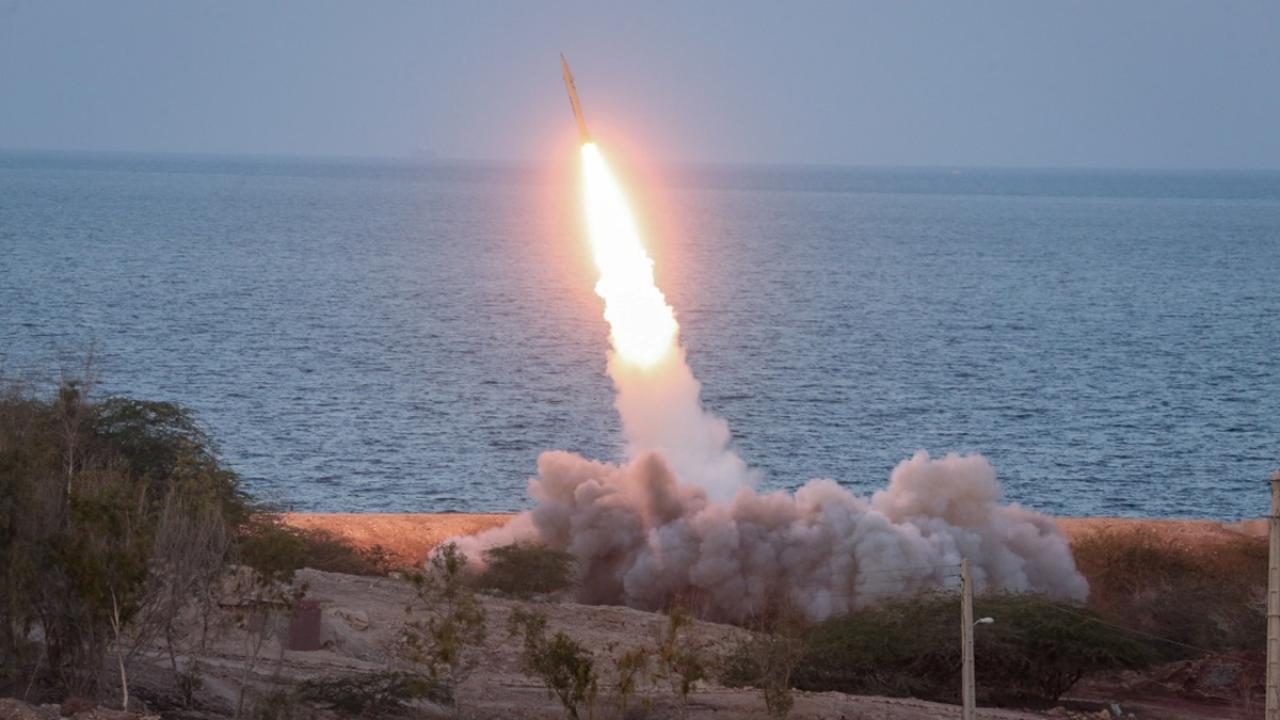
Providing Ukraine with long-range strike capabilities, targeting Russian energy and logistics infrastructure, or moving NATO military assets closer to the conflict zone could influence Moscow’s calculations. None of these measures, however, guarantees that Russia will become more willing to negotiate.
Moscow could use Ukrainian attacks on Russian energy and commercial targets to justify intensifying its own air campaign. Ukraine may view long-range strikes as a way to weaken Russia’s military capacity and increase the costs of the war. Yet even successful operations may fail to offset the damage caused by Russian retaliation.
The strategic value of a military operation must therefore be measured not only by its immediate results but also by whether it changes the overall course of the war and advances political objectives.
If Ukrainian long-range strikes fail to influence Russian decision-making in the desired direction, intensifying the same strategy may produce diminishing returns. Moscow could instead portray these attacks as a threat to its population and military institutions, using them to justify a broader campaign of retaliation.
Washington should consequently assess the strategic consequences of providing critical targeting intelligence and other support for Ukrainian long-range operations. This does not mean denying Ukraine its right to self-defense. Rather, it means ensuring that military measures serve achievable political objectives and do not push the conflict toward an uncontrollable escalation.
Effective deterrence is not simply about demonstrating the ability to inflict greater damage. It also requires understanding the other side’s intentions, preventing miscalculations, and preserving opportunities to reduce tensions when necessary.
Kaliningrad: A regional war could become a European crisis
Kaliningrad is one of the most sensitive potential flashpoints in a direct confrontation between Russia and NATO. Located on the Baltic Sea and geographically separated from mainland Russia, the exclave occupies a strategically important position in Moscow’s European military posture.
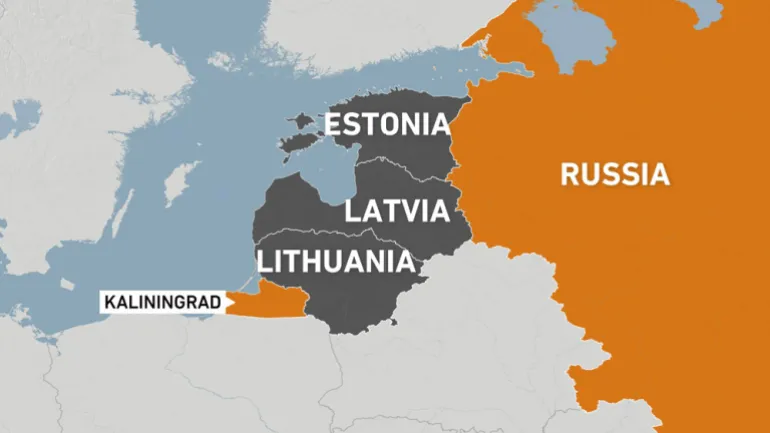
Its location makes the region particularly vulnerable to a crisis involving Russia and NATO members. Russia’s military presence there and its strategic interests in the Baltic Sea mean that any confrontation around Kaliningrad could affect the wider European security balance.
Imagine Western decision-makers considering measures to restrict Russia’s military and logistical access to Kaliningrad in an attempt to pressure Moscow over its campaign in Ukraine. Any NATO measures involving restrictions on Russian access by land or sea could be perceived by Moscow as a direct threat to its territory and military security.
If Russia threatened to respond militarily to a blockade or restrictions on access to Kaliningrad, the crisis could quickly become far more dangerous. Moscow’s warning that it might use its entire military arsenal, including nuclear weapons, could transform a confrontation over regional access into a direct military crisis between Russia and the West.
The central danger lies in how differently the two sides might interpret the same actions. NATO governments could describe their measures as defensive steps intended to deter Russian aggression. Moscow, by contrast, might view them as an attempt to encircle Russia and undermine its military access.
In such circumstances, the gap between intention and perception becomes critical. A move intended to strengthen deterrence by one side may be interpreted by the other as preparation for an attack. Retaliatory measures can then reinforce the original threat perception, creating a cycle of escalation.
A crisis around Kaliningrad would therefore extend beyond Russia and the Baltic states. NATO’s collective defense posture, the U.S. military presence in Europe, and the credibility of nuclear deterrence could all be affected.
NATO deterrence and the risk of direct war
NATO’s central objective is to prevent Russia from attacking alliance members. Yet military deployments and operational preparations intended to strengthen deterrence do not automatically produce greater security. When both sides distrust the other’s intentions, increased military activity can heighten the risk of miscalculation.
NATO’s defensive posture in the Baltic region is intended to protect allied territory. Russia’s military presence in Kaliningrad, meanwhile, forms part of its own regional strategic calculations. When each side consistently interprets the other’s activities as threatening, the security dilemma deepens.
Nuclear deterrence adds another layer of complexity. The devastating consequences of a direct war between nuclear-armed powers provide powerful incentives for restraint. However, nuclear threats used as instruments of political pressure can narrow decision-makers’ options and encourage more confrontational responses.
Reducing nuclear risks therefore requires more than controlling weapons numbers or military capabilities. Maintaining crisis communication channels, improving transparency around military activities, and establishing procedures to prevent false alarms or misinterpretations from triggering conflict are equally important.
At moments when the possibility of a direct Russia-NATO confrontation increases, military communication channels must remain open and each side must understand the other’s red lines as accurately as possible. Diplomatic engagement does not require accepting the other side’s demands; it helps clarify which actions could trigger a much wider conflict.
Europe’s defense industry and the search for strategic autonomy
The war in Ukraine has exposed structural weaknesses in European defense capabilities. The conflict has demonstrated how quickly ammunition can be consumed in high-intensity warfare, how essential air defense systems have become, and how production capacity can determine military readiness during a crisis.
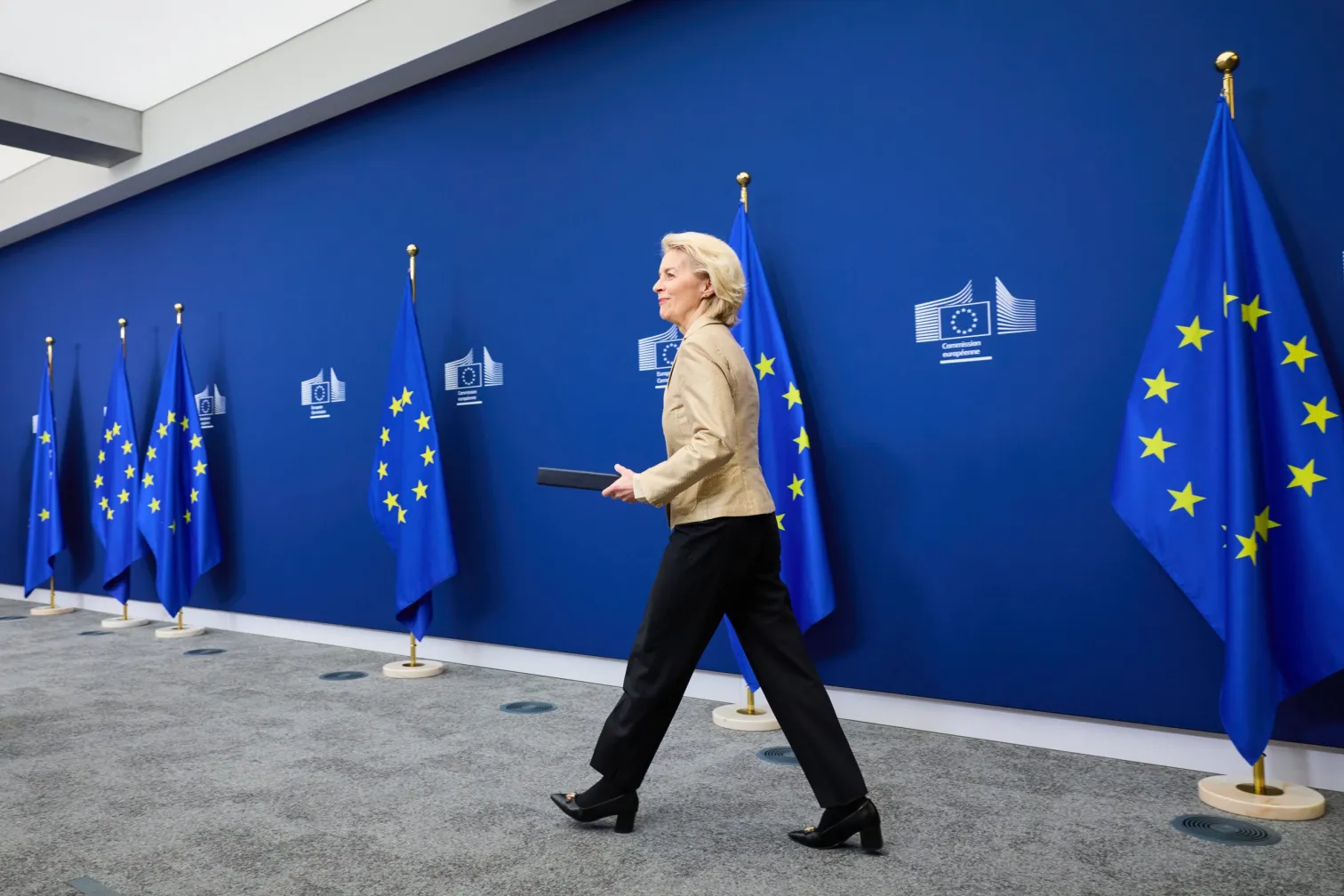
Europe’s longstanding reliance on U.S. military capabilities faces new challenges as Washington manages competing security demands across Europe, the Middle East, and the Indo-Pacific. The more resources the United States must allocate to simultaneous crises, the more important it becomes for European countries to close their own defense gaps.
Increasing defense spending is only one part of the solution. The greater challenge is translating financial commitments into manufacturing capacity, sustainable ammunition inventories, joint procurement programs, and operational readiness. Fragmented procurement and incompatible systems can make it harder to use available resources efficiently.
Türkiye is an important actor in this debate. Its domestic defense industry has developed capabilities in unmanned aerial vehicles, electronic systems, land platforms, naval systems, and ammunition. Its geographic position and military role within NATO also make it relevant to broader discussions about European security.
The experience gained in unmanned systems and electronic warfare offers important lessons for future defense planning. As the war in Ukraine has demonstrated, the effectiveness of advanced and expensive platforms must be assessed alongside that of lower-cost systems and the networks supporting them. Unmanned platforms alone cannot guarantee air superiority or comprehensive defense; they must be integrated with air defense, electronic warfare, intelligence, and logistics.
Europe’s efforts to strengthen its defense capabilities could also create new opportunities for cooperation with Türkiye. Turning those opportunities into lasting results, however, will require managing political differences, building mutual trust, and translating shared security needs into concrete industrial and military programs.
Peace negotiations must address wider security concerns
A lasting settlement between Russia and Ukraine may require more than an agreement to stop fighting along the front line. A ceasefire is urgently needed to protect civilians and facilitate humanitarian assistance, but broader arrangements may be necessary to prevent the war from restarting.
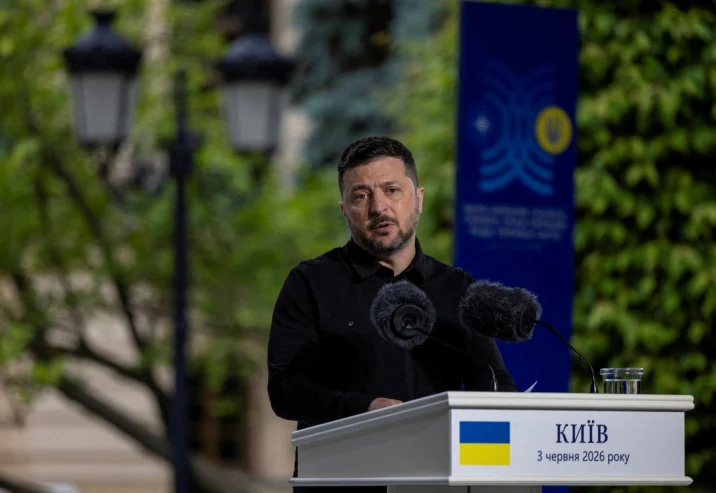
The United States could therefore consider expanding its diplomatic engagement with Moscow to include European security issues beyond Ukraine. Potential areas of discussion could include crisis management, greater transparency surrounding military activities, confidence-building measures, conventional arms control, and mechanisms for reducing nuclear risks.
Such an approach would not require Washington to accept Russia’s demands concerning Ukraine in advance. Nor should Ukraine’s sovereignty, territorial integrity, or right to determine its future be excluded from the process. Any lasting settlement must take Ukraine’s security and political will into account.
European governments have legitimate reasons to approach such negotiations cautiously. Diplomatically legitimizing gains achieved through Russian military pressure could encourage similar behavior in the future. Nevertheless, refusing to discuss any security issues with Moscow may also prove insufficient to reduce long-term risks.
The objective should not be to reshape European security according to Russia’s preferences, but to establish rules and communication mechanisms capable of managing the threats confronting all sides. U.S.-led discussions should be coordinated with European governments and ensure Ukraine’s direct participation.
Before formal negotiations begin, discreet contacts could also help clarify each side’s red lines and identify ways to manage potential crises. Such back-channel diplomacy would not replace official negotiations; rather, it could prepare the ground for them by allowing sensitive issues to be explored with less public pressure.
The time to prevent escalation is now
One of the most dangerous possible outcomes of the war in Ukraine is a situation in which military actions become increasingly aggressive while diplomatic options steadily narrow. Intensified Russian attacks, expanded Western assistance to Kyiv, and increased NATO military preparations on the alliance’s eastern flank do not automatically make a wider war inevitable. But when mutual distrust, miscalculation, and poor communication coincide, these developments can become part of a much larger crisis.
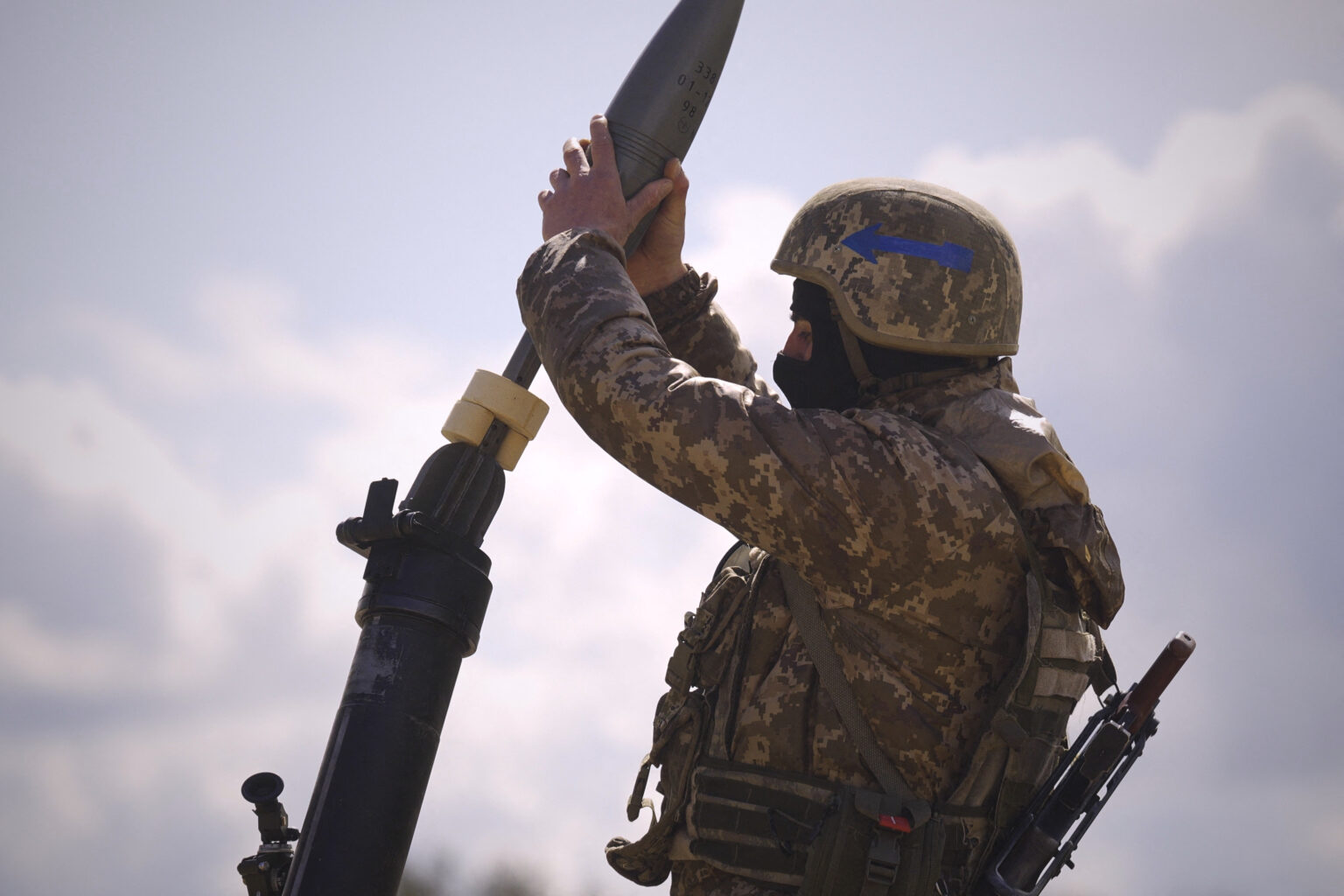
A confrontation around Kaliningrad illustrates how the war could extend beyond Ukraine’s borders. If Russia believes its access to the exclave is being restricted while NATO regards its actions as necessary deterrence, both sides could misinterpret each other’s intentions. A localized military incident could then escalate into a broader Russia-NATO crisis.
Washington should consider two essential steps to reduce these risks. First, it must recognize that steadily increasing military pressure does not always produce political concessions and assess the consequences of its support for Ukraine within a broader strategic framework. Second, it should strengthen communication channels with Moscow and initiate wider diplomatic discussions on European security.
This approach would not mean abandoning Ukraine or allowing Russian aggression to go unanswered. Sustainable deterrence requires military capabilities to serve clear political objectives while keeping escalation within manageable limits.
The interaction between simultaneous crises will be one of the defining challenges for global security in the coming years. Conflicts in the Middle East can place additional pressure on air defense inventories and military resources, affecting European security planning. Developments in Ukraine, in turn, can reshape NATO’s readiness, Russia’s strategic calculations, and Washington’s freedom of action in other regions.
The war in Ukraine must therefore be understood as more than a territorial and sovereignty dispute between two countries. Its course affects Europe’s defense industry, nuclear deterrence, energy security, and the management of relations between major powers.
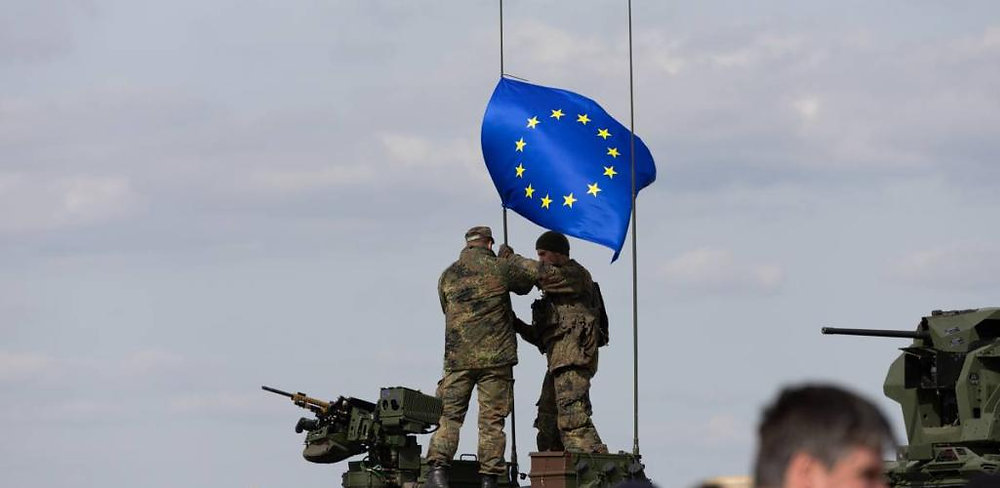
Washington and Moscow will eventually have to address these issues. Waiting until the war ends to begin such discussions could mean missing an important opportunity to prevent another crisis. A more prudent approach would be to work on mechanisms that limit military escalation while the fighting continues and to keep diplomatic options open.
Peace in Ukraine and the prevention of a wider European war are inseparable objectives. A lasting settlement must protect Ukraine’s security while reducing the risk of direct confrontation between Russia and NATO. Otherwise, a development on today’s battlefield could become the starting point of a far more dangerous crisis in the Baltic Sea region and across Europe.