


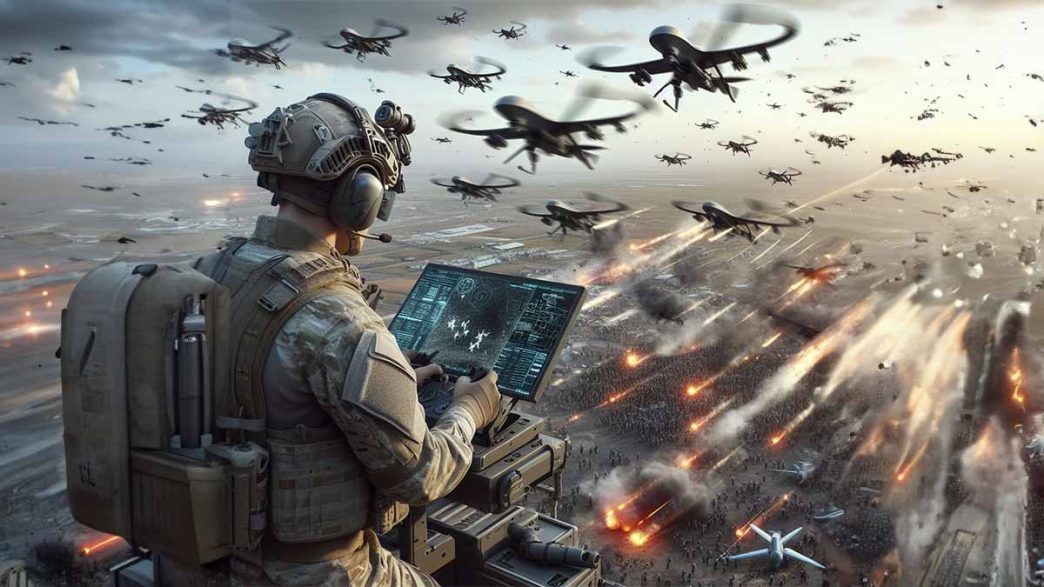
The transformation taking place in warfare technology is causing unmanned aerial vehicles to evolve from auxiliary assets used merely for reconnaissance, surveillance, or precision strikes into fundamental elements that are changing the entire architecture of warfare. Developments in different conflict zones in recent years, from Ukraine to the Red Sea and from the Caucasus to the Middle East, show that future wars will evolve not simply through the use of more drones, but toward a structure in which these systems can communicate with one another, share targets, and perform certain missions with reduced human intervention.
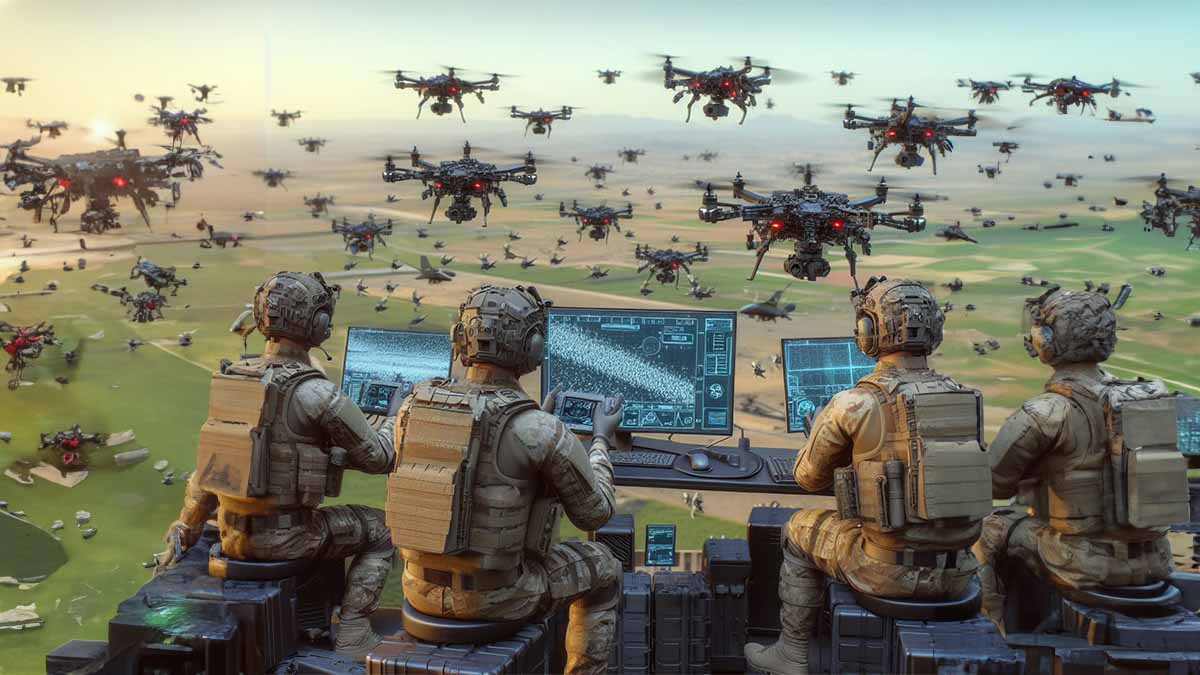
The real breaking point here is not the capabilities possessed by individual drone platforms, but rather how they will behave within a network. The combination of artificial intelligence, advanced sensors, data fusion, electronic warfare, and secure communications technologies is giving rise to a new model of warfare in which hundreds or even thousands of unmanned systems operate simultaneously. 
For this reason, on the battlefield of the 21st century, the question of “how many drones are there?” is becoming less important than the questions of “how independently can these drones operate, how quickly can they communicate with one another, and how quickly can they respond to changes on the battlefield?”
The new reality of drone warfare
Unmanned systems are no longer limited to vehicles operating in the air. Alongside unmanned aerial vehicles, ground vehicles, unmanned surface vessels, and unmanned underwater systems are increasingly becoming part of a growing number of military missions.
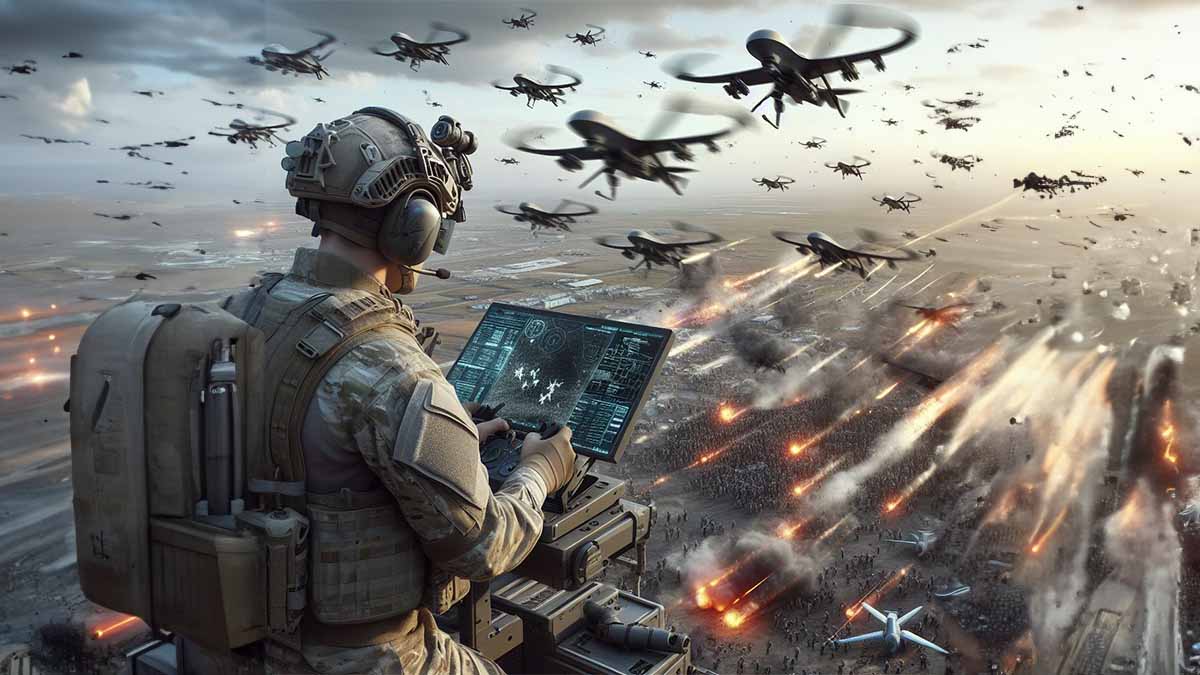
Air platforms have a broad range of roles, from reconnaissance and surveillance to electronic warfare, precision strikes, and munitions delivery. Land-based unmanned systems, meanwhile, can perform various missions ranging from ammunition and logistics transportation to casualty evacuation, mine clearance, and direct attacks. In the maritime domain, unmanned systems provide significant advantages particularly in reconnaissance, anti-submarine warfare, mine warfare, port security, and the surveillance of critical sea routes.
The war in Ukraine has become a laboratory for this transformation. While Russia and Ukraine are using relatively low-cost unmanned systems in large numbers, they are also turning toward next-generation vehicles capable of operating in environments where GPS and communications links can be disrupted by electronic warfare. NATO’s growing interest in 2026 in autonomous systems that can operate under electronic warfare conditions, are relatively inexpensive, and can be deployed in swarms demonstrates that this transformation is not unique to Ukraine.
Consequently, at the stage drone warfare has reached, the software, sensors, data links, and electronic warfare resilience of a platform are becoming just as decisive as the platform itself.
The real revolution is not in individual drones, but in swarms
The simultaneous use of multiple drones does not, by itself, constitute a “swarm.” There is an important distinction between directing a large number of unmanned systems toward the same target and a genuine drone swarm in which the platforms continuously exchange data with one another and can alter their behavior according to developments on the battlefield.
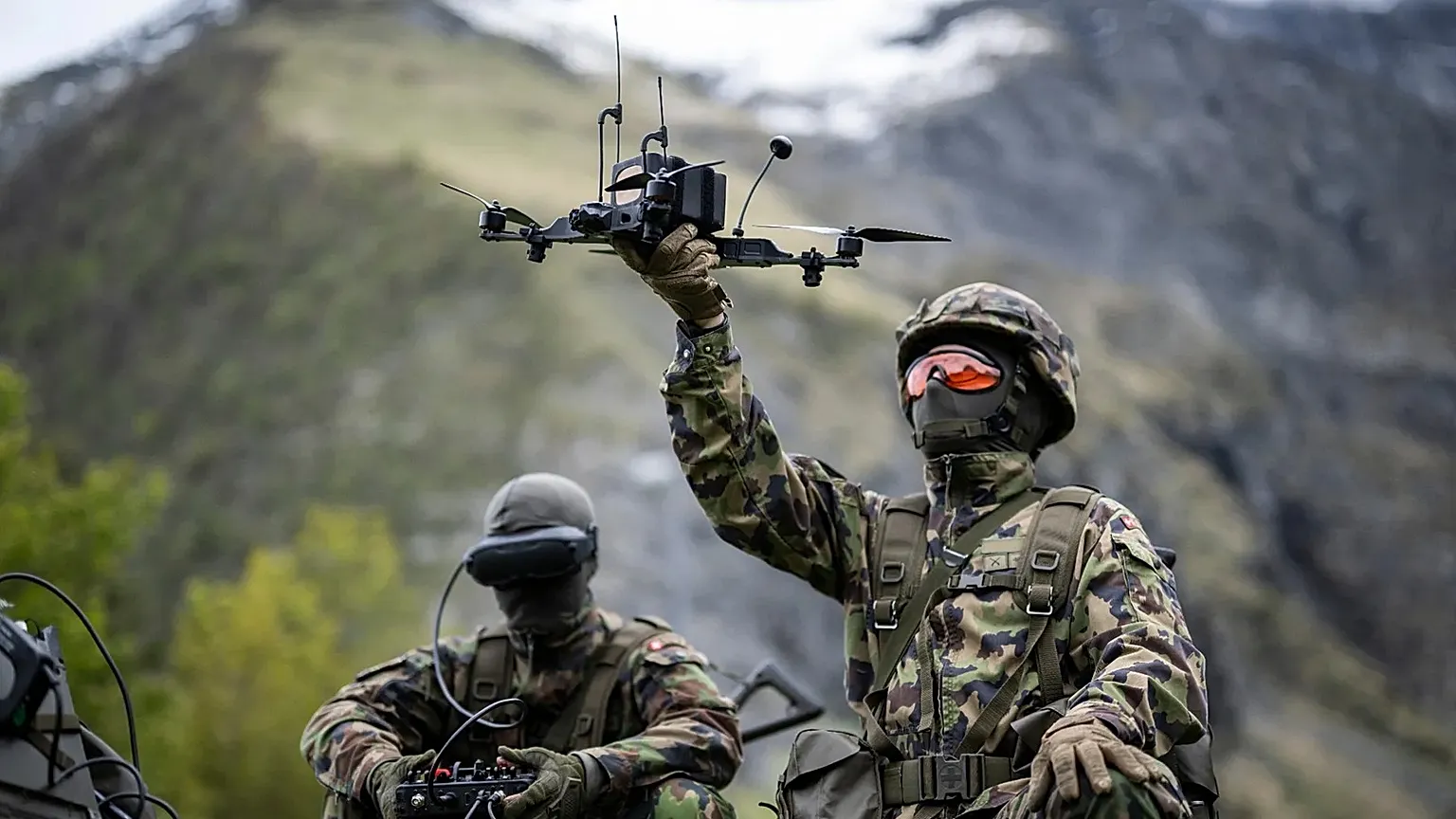
At the core of swarm technology lies a distributed decision-making mechanism. When one system detects a target, it can share this information with other platforms. While another drone may undertake an electronic warfare mission, one may track the target and another platform may carry out a direct attack. The result is therefore not simply hundreds of independent vehicles, but a distributed warfare system that behaves like a single organism.
Artificial intelligence plays a critical role here. Human operators cannot simultaneously evaluate the data coming from hundreds of platforms. AI systems, without necessarily having to completely replace human decision-makers, can combine information received from sensors, classify targets, distribute tasks among platforms, and reorganize the behavior of the swarm according to changes on the battlefield.
For this reason, not every individual platform in a future drone swarm needs to be exceptionally powerful. The real strength comes from the ability of a large number of relatively low-cost systems to complement one another within a network.
The drone swarm trial conducted by the United Kingdom in a realistic military environment in 2026, together with the beginning of efforts to use battlefield data from Ukraine in the development of AI-enabled swarm systems by British companies, demonstrates that this technology is no longer merely an academic scenario for the future.
The new equation revealed by the war in Ukraine
The war in Ukraine has become one of the most important conflict zones for providing insights into how future wars may take shape. The development taking place there is not simply the widespread use of drones, but the increasing integration of unmanned systems into the decision-making cycle of warfare.
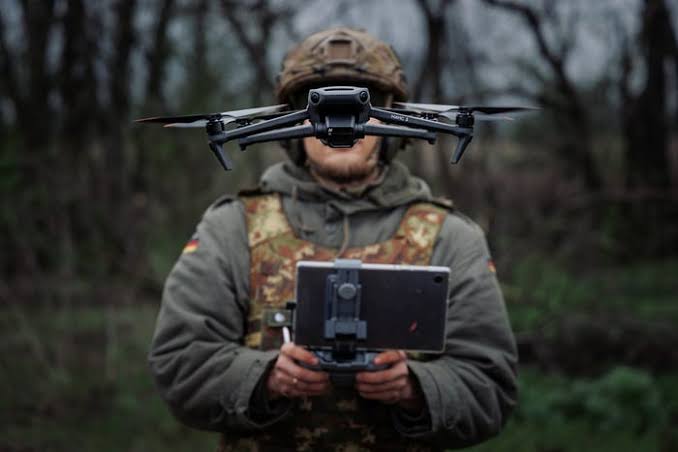
In the early stages, drones were used primarily for reconnaissance and directing artillery fire. Over time, however, FPV systems, loitering munitions, long-range attack drones, and unmanned ground vehicles became integral parts of the war. As a result, traditional targets such as tanks, armored vehicles, artillery systems, and logistics convoys can now remain under constant surveillance by unmanned systems.
By 2026, the next stage is becoming more apparent: drones carrying out target tracking and terminal guidance autonomously after locating a target.
The ability of some low-cost kamikaze drones used in Ukraine to autonomously track moving targets with AI-enabled systems, along with efforts to equip tens of thousands of platforms with such capabilities, demonstrates that warfare is moving from a human-operator-centered structure toward a machine-assisted decision cycle.
This is also changing the speed of warfare. While the time required for a human operator to assess imagery, identify a target, make a decision, and guide a drone is being reduced, machine-based systems can significantly shorten the time between target detection and engagement.
The strategic meaning of this transformation is clear: In the future, superiority will not belong solely to the side possessing better weapons, but to the side capable of establishing the shortest possible chain between sensors and decisions, decisions and munitions, and munitions and targets.
Artificial intelligence is changing the speed of decision-making on the battlefield
One of the most important elements of modern warfare is no longer simply firepower, but the speed of decision-making.
An army’s ability to see the enemy earlier, process information faster, verify targets more quickly, and conduct attacks sooner is becoming just as important as numerical superiority in the traditional sense. AI provides a critical advantage here by enabling the management of the enormous volume of data generated on the battlefield.
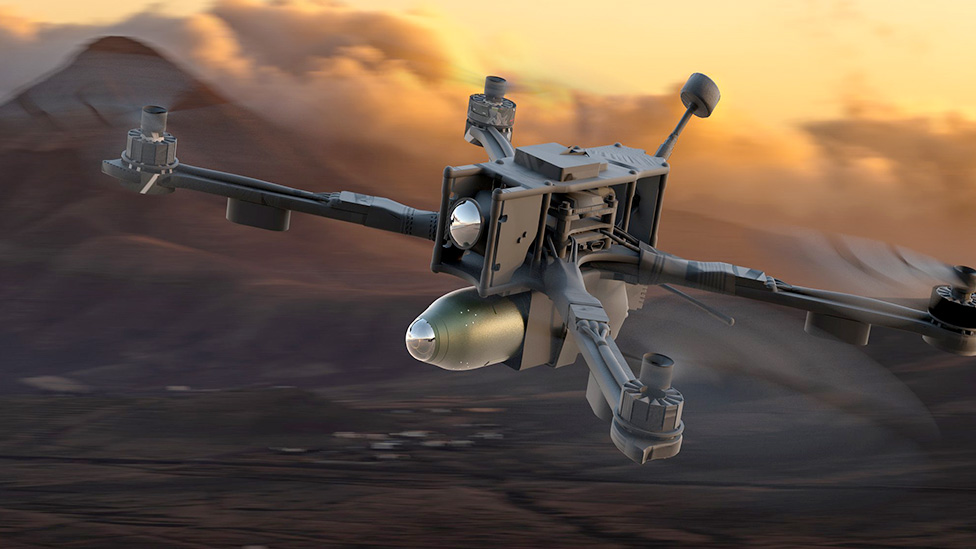
For example, when hundreds of drones are flying simultaneously in different areas, it is impossible for humans to individually evaluate the imagery and sensor data coming from each platform. AI, however, can combine this data to create a common operational picture of the battlefield. As a result, targets independently identified by different platforms can become shared targets within a single network.
As of October 8, 2026, the use of an AI-enabled system on the Ukrainian battlefield that combines radar, sensor, and image-recognition data to help detect and counter drones demonstrates that this trend is also emerging on the defensive side. The system aims to reduce decision-making time by enabling different drones and sensors to communicate with one another.
Consequently, AI is becoming central not only to attack drones but also to air defense systems. This indicates that one of the fundamental areas of the technological competition between offense and defense in the near future will be the question of “which side uses artificial intelligence more effectively?”
Swarms are changing the cost equation of warfare
One of the most important military advantages of drone swarms is their ability to create cost asymmetry.
When air defense systems worth millions or billions of dollars can be worn down by drones costing tens of thousands or hundreds of thousands of dollars, the economic logic of the traditional defense architecture begins to be questioned.
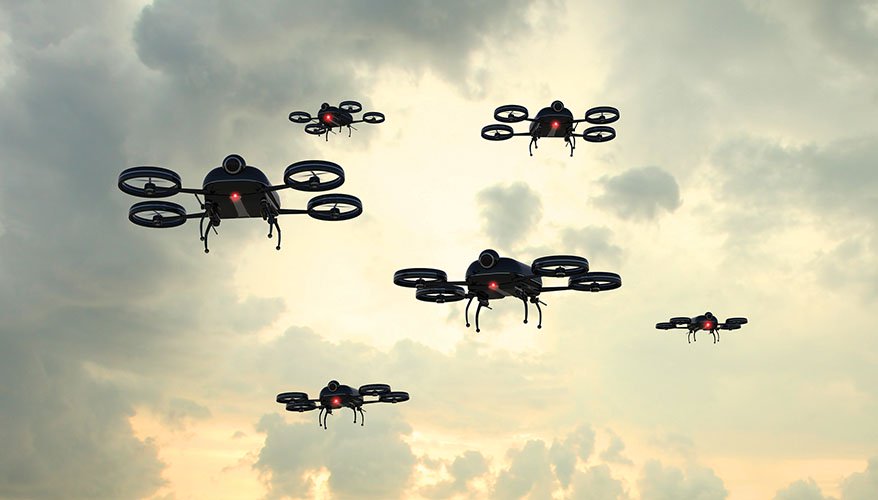
An air defense system can neutralize a single drone. But when dozens or hundreds of platforms attack simultaneously from different directions, significant pressure is placed on the defender’s ammunition stocks, radars, command-and-control systems, and personnel.
For this reason, the “quality or quantity?” debate is returning to the wars of the future. Yet the new equation shows that quality and quantity are not alternatives to one another. The use of thousands of low-cost autonomous systems alongside the most advanced fighter aircraft or missile systems can multiply the effectiveness of expensive platforms.
The United States’ move in 2026 toward establishing a new military command structure for autonomous systems also demonstrates the importance of this transformation. The Pentagon’s “Autonomous Warfare Command” structure shows that drones and robotic systems are no longer being viewed merely as conventional support assets, but as among the principal components of the warfare capabilities of the future.
The era of integration between manned and unmanned systems
The future of drone swarms does not mean that manned fighter aircraft or ships will disappear completely. On the contrary, the most effective model in the coming period is likely to be a structure in which manned and unmanned systems operate together.
As a fighter aircraft approaches a target area hundreds of kilometers away, it could be preceded by a network consisting of numerous unmanned aerial vehicles. These systems could conduct reconnaissance, detect radars, carry out electronic warfare, engage enemy air defenses, and, if necessary, conduct direct attacks.
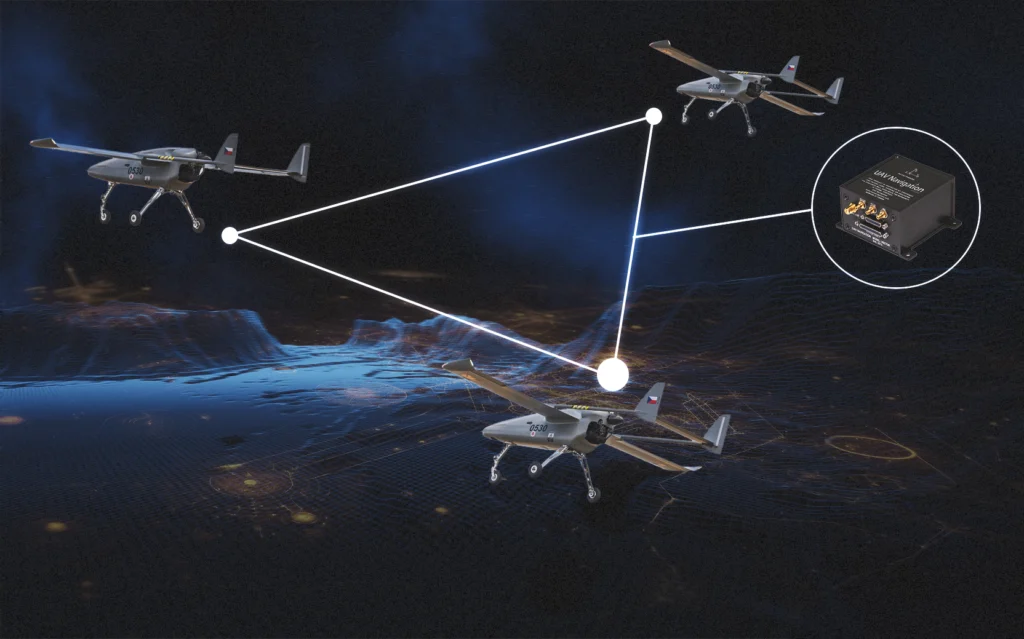
In this way, while the manned platform remains at the center of warfare, a significant portion of high-risk missions can be transferred to unmanned systems.
This approach could particularly increase the survivability of expensive fighter aircraft. Using drones sent ahead to “open up” an area before a fighter aircraft enters the direct range of enemy air defenses could become one of the fundamental methods of future air operations.
At this point, a new area of competition is also emerging for countries such as Türkiye, which have gained significant operational experience in the field of unmanned aerial vehicles. The advantage of the future will not come simply from producing a good UCAV; it will come from the ability to integrate UCAVs, electronic warfare systems, radars, command-and-control systems, munitions, and manned platforms onto the same network.
Counter-drone warfare is creating a new front
The proliferation of drone technology has also revealed another reality: Being able to possess drones is becoming just as strategically important as being able to stop them.
NATO’s announcement in 2026 of more than $40 billion in investments in counter-drone capabilities over the next five years demonstrates the scale of this transformation. The Alliance also aims to increase its drone operator training capacity fivefold by the end of 2027.
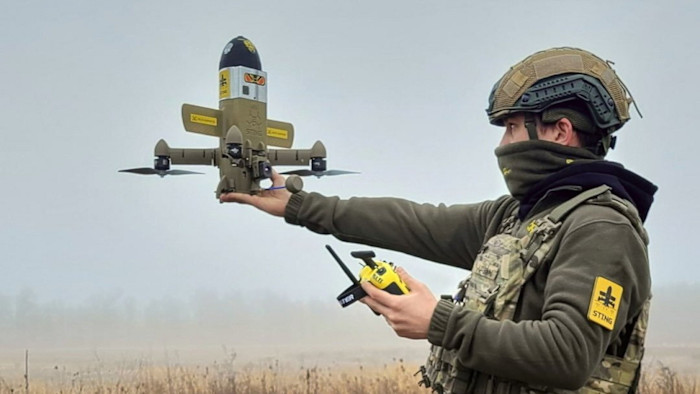
NATO’s approach is not based solely on missiles or conventional air defense systems. A layered defense concept combining radar, electronic warfare, AI-enabled detection, lasers, automated gun systems, interceptor drones, and command-and-control software is increasingly coming to the forefront.
This creates a new paradox of warfare: Possessing larger air defense systems alone may not be sufficient to defeat drone swarms. This is because the threat of the future will itself have an AI-enabled, distributed, and constantly evolving structure.
Therefore, counter-drone warfare and drone warfare are no longer two separate domains, but two sides of the same technological competition.
Electronic warfare could determine the fate of swarm warfare
The greatest advantage of drone swarms is also one of their most important vulnerabilities: connectivity.
The systems within a swarm need to communicate with one another, share sensor data, and participate in a common decision-making mechanism. If this connection is disrupted, the effectiveness of the swarm can be significantly reduced.
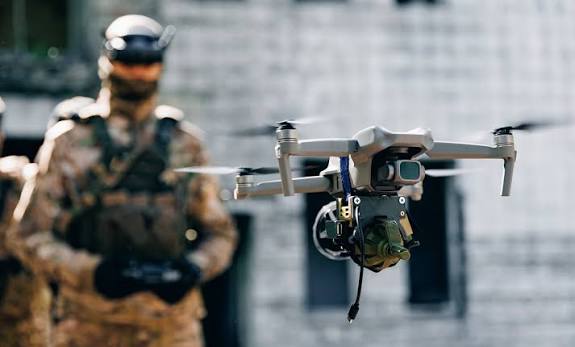
Consequently, electronic warfare will assume an even more critical role in future drone warfare. GPS jamming, disruption of data links, transmission of false signals, cyberattacks, and deception of sensors can influence the behavior of swarms.
Yet technology is also producing a response to this challenge. As demonstrated by the war in Ukraine, systems are being developed to perform missions without remaining dependent on GPS or continuous data links. Vision-based navigation, inertial systems, and AI models operating directly on the platform can enable drones to continue their missions even when communications links are disrupted.
For this reason, the concept of the “best drone” will also change in the future. Rather than the fastest or longest-range platform, greater value will be placed on systems that can continue operating under electronic warfare conditions, make certain decisions autonomously even when their connections are disrupted, and reconnect with other systems.
Risks extending from nuclear balance to conventional warfare
The rise of drone swarms is not producing consequences only at the tactical level. It is also creating serious questions regarding strategic stability.
In particular, the growing ability of AI-enabled swarms to detect mobile missile systems, command centers, radars, and submarines could affect some of the elements upon which nuclear deterrence is based.
If a state comes to believe that mobile missile systems or critical command-and-control assets forming a significant part of its adversary’s second-strike capability can be continuously tracked by swarms, pressure to “launch the first strike” may increase during a crisis.
This situation could become even more dangerous when combined with early-warning systems, hypersonic weapons, cyberattacks, operations targeting space systems, and AI-enabled autonomous weapons.
The problem is not simply that machines can make decisions quickly. The real problem is that the amount of time available for humans to make decisions is becoming increasingly shorter.
If, during a crisis, one side believes that the opposing swarm could target its nuclear forces or command-and-control infrastructure, it may be inclined to respond militarily much more quickly, even as a result of a false alarm or miscalculation.
Therefore, AI-enabled warfare systems will become one of the fundamental elements not only of conventional warfare but also of strategic stability in the future.
The new competition will not be limited to the United States and China
The United States and China are at the center of the competition over autonomous warfare, but the race is increasingly spreading to a wider group of countries.
The United States is seeking to integrate large-scale autonomous systems into its existing air, land, maritime, and space architecture. China, meanwhile, is focusing on developing artificial intelligence, robotics, electronic warfare, and unmanned systems, particularly in ways that will strengthen its A2/AD capabilities.
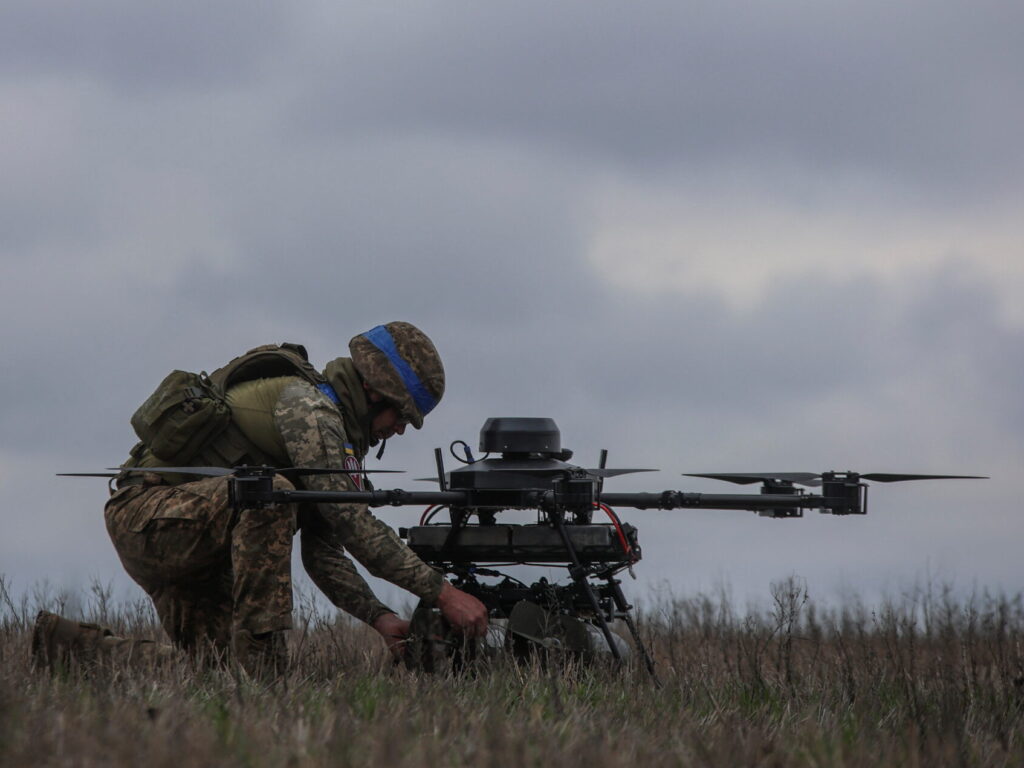
For Russia, unmanned systems are becoming a means of reducing manpower shortages and generating greater sensor and firepower capacity across broad fronts.
European countries are also rapidly expanding their own autonomous systems and counter-drone capabilities based on lessons learned from the war in Ukraine. The United Kingdom’s integration of its drone swarm efforts with data obtained from the war in Ukraine is a clear example of this.
NATO’s approach is also changing in a notable way. The Alliance is increasingly moving away from a defense concept based solely on expensive conventional platforms and toward an architecture in which large numbers of low-cost systems can be produced, rapidly deployed to the battlefield, and operated by different countries on the same network. NATO’s explicit identification in 2026 of artificial intelligence, drones, and autonomous systems as technologies capable of changing the character of warfare demonstrates that this transformation is becoming institutionalized.
A new area of competition for the defense industry
This transformation will also change the production logic of the defense industry.
In the past, superiority in the defense industry was generally measured through larger, faster, and more expensive platforms. Fifth-generation fighter aircraft, air defense systems, large warships, and long-range missiles were products of this approach.
In the new era, however, high technology must be combined with mass-production capacity.
A country’s ability to produce thousands of drones will create a strategic advantage only if those systems can be reprogrammed for different missions, connected to the same data network, operate under electronic warfare conditions, and have their AI software updated rapidly.
For this reason, future competition in the defense industry will be determined not only by platform manufacturers, but also by software companies, AI developers, sensor manufacturers, data infrastructure providers, and electronic warfare firms.
The boundary between hardware and software on the battlefield will gradually disappear.
Conclusion: From the drone era to the era of autonomous warfare
The point reached by drone technology demonstrates that a new era has begun in the history of warfare. However, the real transformation will emerge not simply from the increasing number of drones, but from their growing ability to operate independently and coordinate with one another within a warfare network.
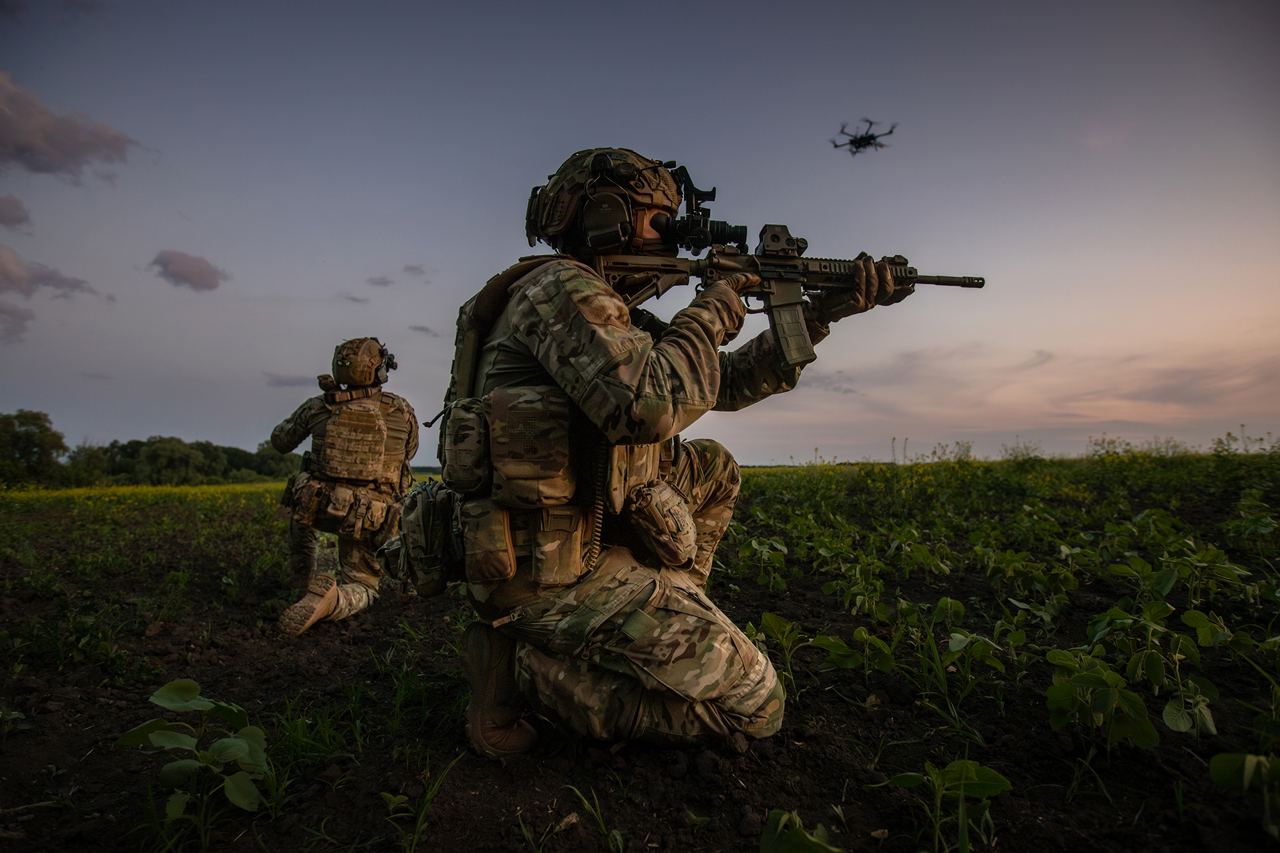
The war taking place in Ukraine today has become a laboratory for the warfare technologies of tomorrow. NATO’s multibillion-dollar investments in counter-drone capabilities, the United Kingdom’s transfer of Ukrainian data into AI-enabled swarm systems, the United States’ establishment of a new military structure for autonomous warfare, and the growing efforts by different countries to develop unmanned systems capable of operating under electronic warfare conditions all demonstrate that this transformation is no longer merely a theoretical debate.
On the battlefield of the future, the strength of an army will not be measured solely by how many fighter aircraft, tanks, or ships it possesses. What will be decisive is how quickly and effectively it can transform its sensors, artificial intelligence systems, communications networks, unmanned platforms, electronic warfare capabilities, and manned assets into a single warfare network.
For this reason, the military competition of the 21st century is increasingly moving away from being a “war of platforms” and becoming a “war of networks.”
And in the next stage of this competition, drone swarms in which hundreds or even thousands of unmanned systems operate like a single organism may become not merely auxiliary elements of warfare, but one of the principal forces shaping warfare itself.