



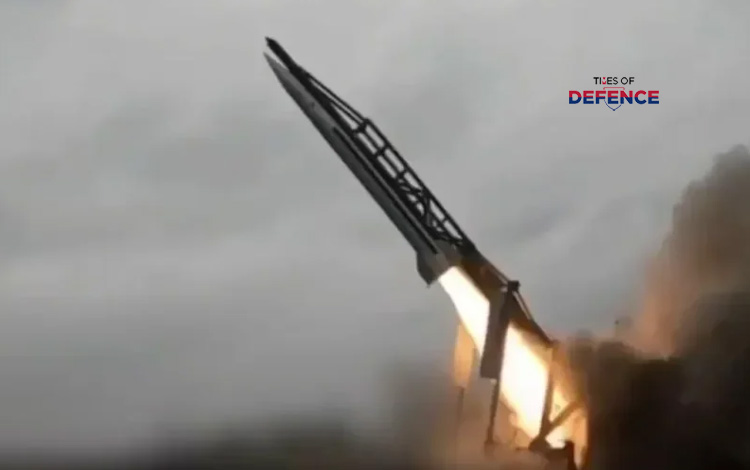
During an official visit to the Danish capital, Ukrainian President Volodymyr Zelenskyy emphasized the strategic urgency of advancing the joint European “Freyja” anti-ballistic missile defense initiative.
Speaking alongside Danish Prime Minister Mette Frederiksen following engagements in Copenhagen, Zelenskyy underscored that Europe suffers from a critical capability gap in cost-effective, high-efficiency ballistic missile defense. The Freyja project—backed by a coalition of European nations including Denmark and Norway—is structured to serve as an affordable, sovereign alternative to U.S.-supplied Patriot systems, targeting a much lower per-unit interceptor cost. Officials announced plans to establish a dedicated project management and coordination office in Denmark, with initial trials of the system projected as early as this winter.
TECHNICAL SPECIFICATIONS: FREYJA AIR & MISSILE DEFENSE SYSTEM
System Architecture & Interceptor Design
⚡ Program Designation: Freyja Multi-National European Anti-Ballistic Missile Defense Initiative
⚡ Lead Industrial Developer: Fire Point (Ukraine) alongside an emerging consortium of European defense contractors and partner nations
⚡ Interceptor Missile Architecture: FP-7.X interceptor missile and mobile launcher framework designed to engage high-speed ballistic and maneuvering atmospheric threats
⚡ Cost-Per-Engagement Target: Engineered to significantly undercut American Patriot interceptors, aiming for a production threshold below €1 million per missile
⚡ Distributed Component Integration:
• Ukrainian Component: Development of core interceptor missiles, propulsion, and launcher systems
• European Partner Contributions: Advanced radar arrays (including specialized Danish radar tech), optical guidance, tracking systems, and command-and-control (C2) software 
Operational Deployment Goals
💥 Testing Timeline: Initial system functionality and component testing scheduled for winter 2026, targeting a full prototype validation and live-fire ballistic interception sequence by mid-2027
💥 Industrial Footprint: Establishment of coordination offices in Denmark and Norway to manage cross-border defense supply chains, co-production, and joint manufacturing initiatives
TIMES OF DEFENCE ASSESSMENT
President Zelenskyy’s push for the Freyja system highlights critical industrial and strategic realities shaping European security:
1. **Bridging the European Ballistic Defense Gap**: Europe has historically relied heavily on high-end U.S. systems like the Patriot for upper-tier air defense. However, global demand bottlenecks and high interceptor costs have exposed vulnerabilities. The Freyja program addresses this by establishing a homegrown, European-managed defense shield.
2. **Leveraging Combat Experience for Cost-Effective Attrition Warfare**: Developing interceptors targeted at sub-€1 million price points alters the cost asymmetry of modern missile defense. By utilizing Ukraine’s real-world operational data against Russian ballistic threats, the system is optimized specifically for high-intensity European theater requirements.
3. **Institutionalizing Multi-National Defense Integration**: Establishing dedicated coordination offices in Denmark and Norway creates an institutional framework to align research, manufacturing capacity, and radar integration across multiple allied nations—solidifying a long-term sovereign industrial base independent of overseas export controls.

