


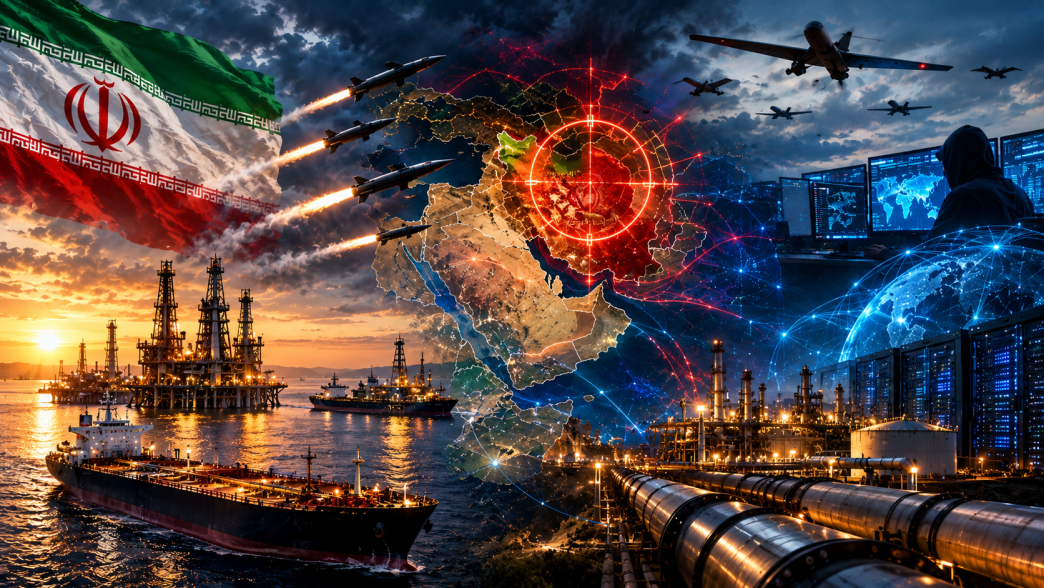
Iran’s new military approach, announced on October 21, goes beyond defence and retaliation, placing greater emphasis on offensive capabilities and asymmetric operations. Rather than directly competing with the conventional military superiority of the United States and Israel, Tehran aims to increase the economic and strategic costs of a potential attack.
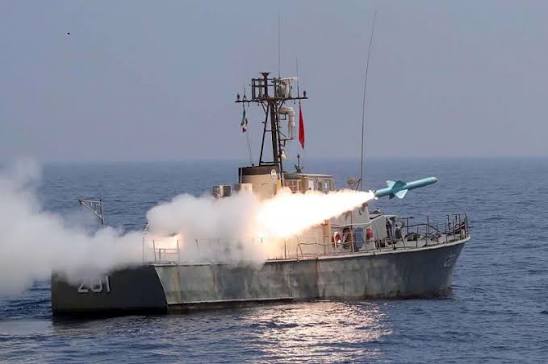
Under this approach, regional energy infrastructure and the security of trade routes are becoming as important as ballistic missiles, unmanned aerial vehicles and dispersed military assets. Iran’s fundamental calculation is to make it more difficult for its adversaries to shape the political outcome of a war in their favour, even if they are capable of striking military targets. 
Energy facilities and the strategic importance of Hormuz
A new attack on Iran could carry the risk of expanding the conflict to energy infrastructure in the Gulf states and international maritime trade. Oil and natural gas production, export terminals and energy transportation are critically important to the region’s economic stability. Any disruption in these areas could have far-reaching consequences, affecting everything from energy prices to insurance costs.
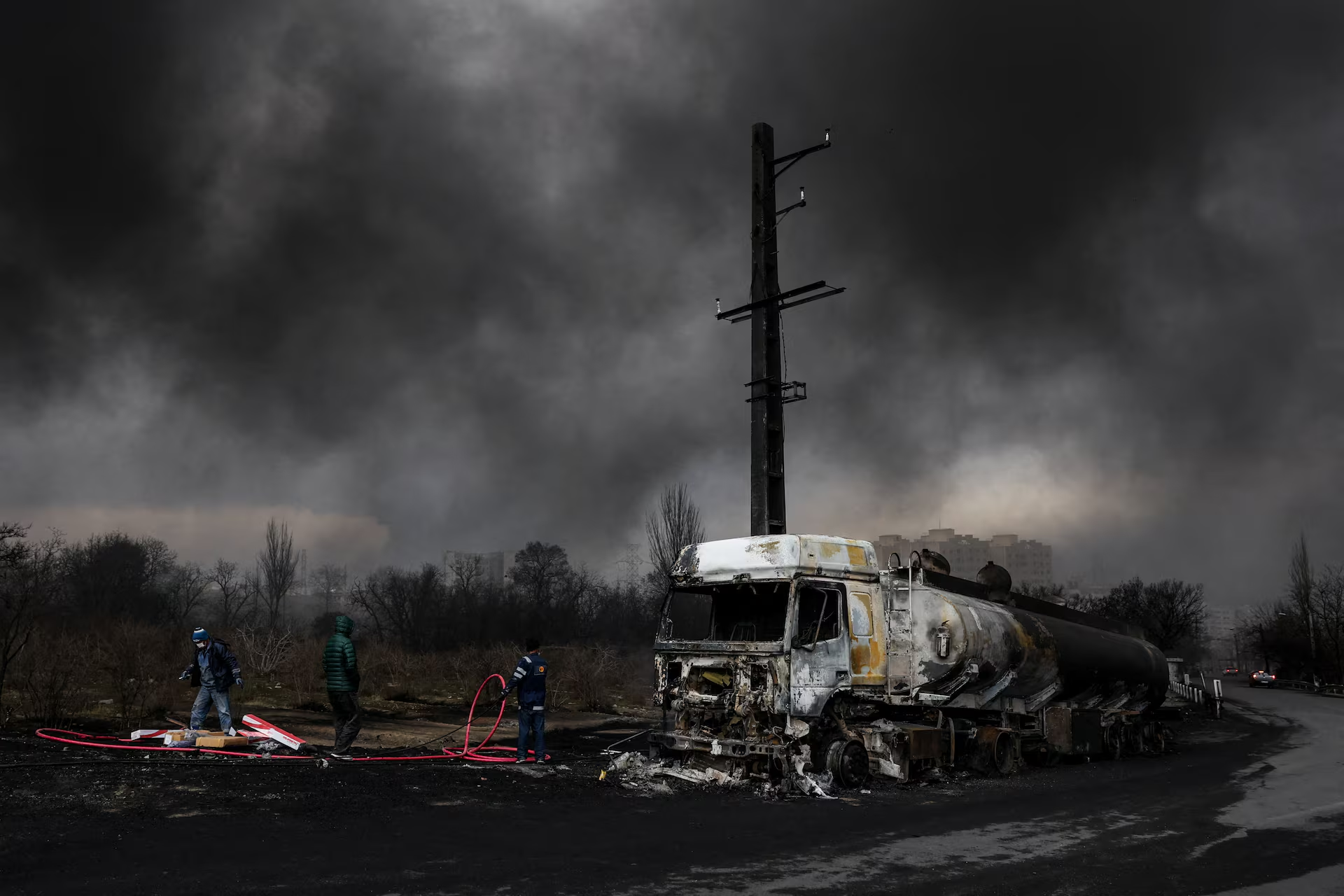
The Strait of Hormuz occupies a particularly important position in this equation. A significant share of global oil and liquefied natural gas trade passes through this narrow passage. Any disruption to maritime traffic could affect not only the Gulf states but also European and Asian economies that depend on energy imports. However, such an escalation could also harm Iran’s own economic interests and make it easier to form a broader international coalition against Tehran.
Artificial intelligence data centres and undersea cables
The Middle East’s digital infrastructure is also becoming increasingly important to regional security. Growing investments in artificial intelligence, cloud computing facilities and data centres across the Gulf states depend on reliable energy supplies, cooling systems and uninterrupted communication networks. Consequently, a regional war could affect the digital economy not only through direct physical attacks but also through power outages, cyber operations and disruptions to communication services.
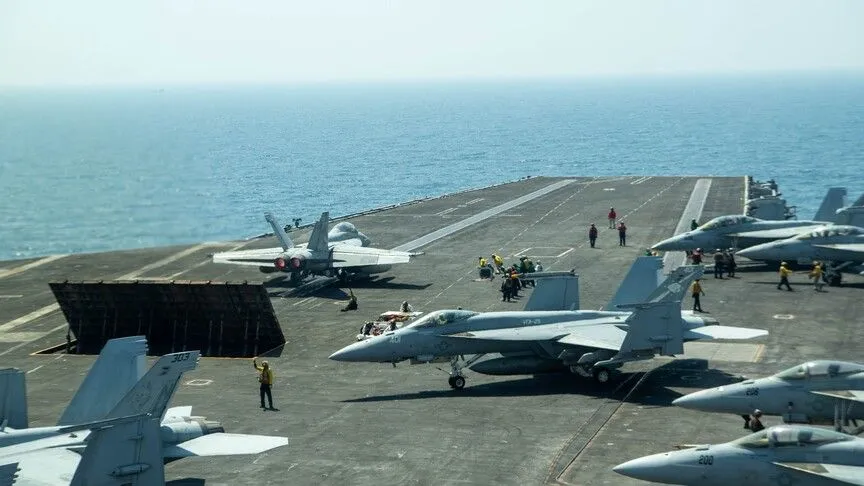
Undersea communication cables around the Strait of Hormuz and across the wider Gulf region are also important components of international data traffic. Damage to these cables could reduce connectivity capacity, slow data flows and require some services to be rerouted through alternative pathways. However, the precise locations of the cables, the availability of backup connections and the resilience of the networks would determine the extent of any potential disruption. The available information does not provide sufficient evidence to conclude that Iran intends to target this infrastructure.
Deterrence or the risk of a wider war?
The primary objective of Iran’s strategy is to make it more costly for the United States and Israel to exercise their military superiority. The possibility that energy security, maritime trade and digital connectivity could be affected by a conflict constitutes the economic dimension of this calculation. However, an escalation targeting regional infrastructure could unite neighbouring countries against Iran and widen the conflict rather than strengthen Tehran’s deterrence.
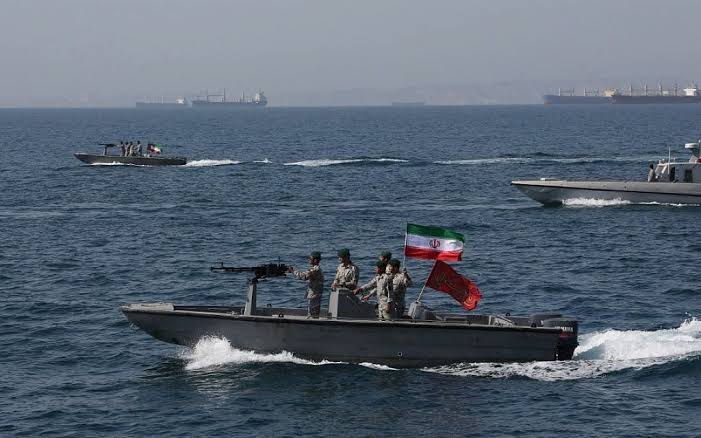
Ultimately, the consequences of a new attack on Iran may extend beyond military facilities. Energy supplies, artificial intelligence investments and undersea communication networks are becoming critical elements shaping the economic and technological dimensions of modern warfare. Nevertheless, assessing potential targets must be distinguished from claiming that Iran plans to attack specific facilities or cables. Lasting security depends not only on military deterrence but also on protecting energy and digital infrastructure and keeping diplomatic channels open.

