


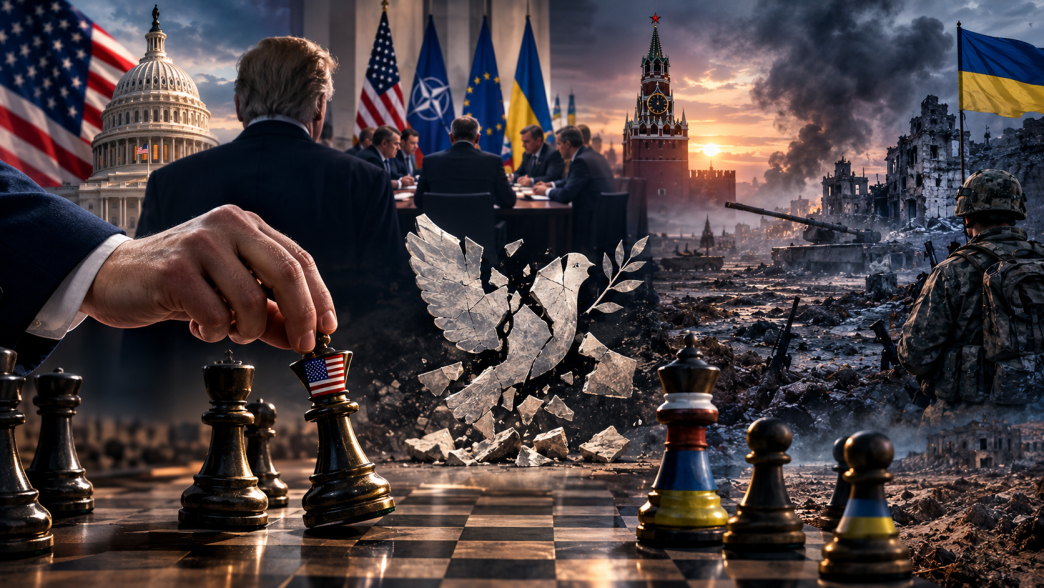
Trump is preparing to offer Moscow various economic and political incentives in an effort to end the war between Russia and Ukraine. However, the negotiations being conducted by Washington show that the future of the war cannot be determined solely by an agreement between the United States and Russia. This is because a significant portion of the sanctions imposed on Russia, the frozen Russian central bank reserves, and decisions concerning energy infrastructure fall within the legal and economic jurisdiction of European countries.
Initiatives that came to the fore in October 2026 have made this contradiction more apparent. US representatives were reportedly considering options such as allowing Russia to make use of its frozen reserves, selling Lukoil’s overseas assets, and transferring Gazprom’s stake in the Nord Stream natural gas pipeline to American investors. Steps taken by the Trump administration concerning imports of Russian diesel fuel, along with the easing of some sanctions adopted by Congress, also emerged as part of this approach. 
However, not all the options Washington has put on the table are matters it can decide on its own. Sustaining economic pressure on Russia, financing Ukraine’s postwar reconstruction, and limiting Moscow’s room for manoeuvre in the future all depend on decisions made by Europe as well. Therefore, despite its diplomatic and economic weight, the United States is not in a position to end the Ukraine war on its own. An agreement that sidelines Europe could create new disputes rather than resolve the underlying problems of the war.
Why does Europe appear powerless on paper?
Looking at the latest economic discussions between Washington and Moscow, Europe appears to be an actor left out of the process. Russian oil company Lukoil is one example. Although the company is on the US sanctions list, it is not subject to equivalent sanctions imposed by the European Union. As a result, the conditions governing the sale of Lukoil’s overseas operations are determined primarily by the US Treasury Department. A similar situation exists with Nord Stream. Although transactions involving the natural gas pipeline running from Russia to Germany are restricted under European sanctions, there is no regulation directly preventing Gazprom from selling its 51 per cent stake in the pipeline to an American buyer.
The situation surrounding Serbia’s NIS refinery also reveals that the European Union has not made sufficient use of its economic leverage. The refinery’s largest shareholder is Gazprom Neft, a Russian energy company affiliated with Gazprom. After the US Treasury Department placed Gazprom Neft and NIS under sanctions in 2025, Washington began determining the timetable for the refinery’s sale. Brussels, meanwhile, has failed to establish a clear position on who should control the facility in the future, despite its dependence on the JANAF pipeline, which transports crude oil from Croatia’s coast.
Moreover, NIS has managed to remain outside European Union sanctions targeting transactions with Russian energy companies. This is because Gazprom Neft reduced its stake in the company to just below the 50 per cent threshold that would trigger sanctions. A limitation in Europe’s legal framework has therefore enabled an energy company with Russian ties to avoid sanctions.
Although the situation looks unfavourable for Europe, not all options have been exhausted. All three of the main incentives Trump is considering offering Moscow are either located on European soil or subject to European law.
The first concerns sanctions. Although Trump has eased some provisions of the Graham Act adopted by the US Congress, the European Union extended its own sanctions against Russia for another 12 months in June 2026.
The second involves the frozen foreign-exchange reserves of the Russian Central Bank. Most of the approximately $300 billion in reserves immobilised by Western countries is held at Euroclear, a Belgian financial institution subject to European Union law. Any change to the arrangements that keep these funds under the EU’s jurisdiction depends on decisions by EU institutions and member states, not the United States.
The third example concerns the energy assets of Lukoil and Gazprom. A significant portion of Lukoil’s overseas assets is located in Europe. These include the Burgas refinery in Bulgaria, the Petrotel refinery in Romania, its stake in the Zeeland refinery in the Netherlands, and Teboil filling stations in Finland. Gazprom, meanwhile, is a shareholder in the Nord Stream pipeline alongside German, French, and Dutch partners. The pipeline also reaches European territory in Germany.
Under these circumstances, European governments need to consider three key steps.
Europe must have a say in the sale of Russian energy assets
First, the European Union should explicitly exercise its authority to approve the sale of Russian energy assets located on its territory or subject to its sanctions. Approval for such sales should depend on the concessions Russia is prepared to make, rather than on whether American investors are allowed to participate in the deals.
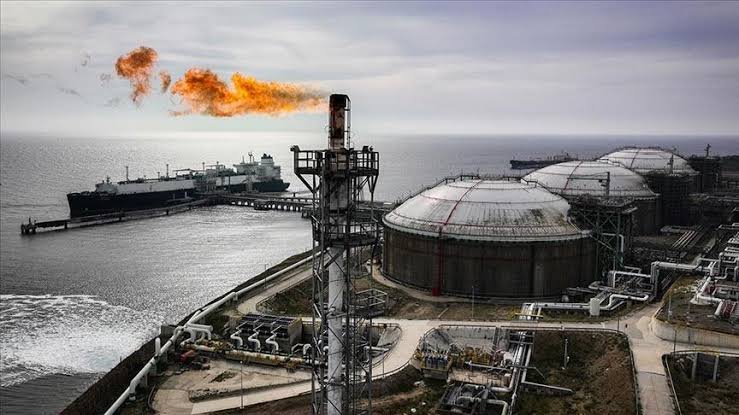
The European Union has tools available at both the collective and national levels. When placing Lukoil under sanctions, the EU Council could establish an exemption similar to the licence granted by the US Treasury Department, which allows the company to conduct sale negotiations. This would ensure that any agreement involving Lukoil’s assets also requires the European Union’s approval before it can be completed.
The European Commission should also examine Gazprom Neft’s de facto control over NIS. Even if Gazprom Neft owns less than 50 per cent of the company, European sanctions can prohibit transactions with entities acting on the instructions of a sanctioned company.
In addition, the EU Council should clarify whether the existing sanctions cover changes in ownership of Nord Stream. At the national level, the countries concerned—particularly Bulgaria, Finland, the Netherlands, and Romania, where Lukoil assets are located—should coordinate their investment-screening mechanisms rather than operate them independently.
The future of Russian gas will determine Nord Stream’s value
Second, European governments must decide how long they will continue purchasing Russian natural gas. The economic value of the Nord Stream pipeline depends directly on this choice.
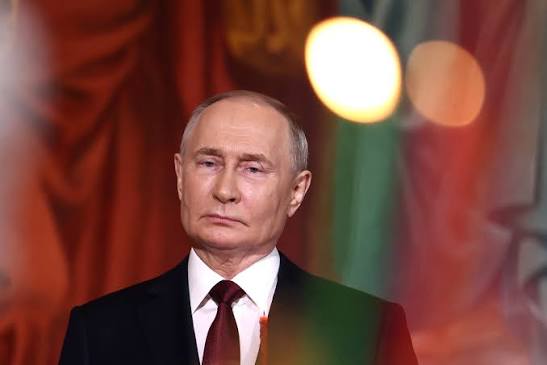
An American investor purchasing Gazprom’s stake in the pipeline would understand that the investment could acquire significant value only if Russian gas were once again allowed to flow freely into Europe. Under current EU legislation, imports of Russian pipeline gas are due to end by September 2027. If this timetable remains in place, the pipeline will have no customers, and the value of the stakes in Nord Stream will fall substantially.
The greater risk, however, is that this deadline could be postponed. On 19 October, Slovakia and Hungary asked Brussels for flexibility in the timetable for gradually phasing out Russian energy supplies. The growing strength of pro-Russian far-right parties and the crucial French presidential election scheduled for spring 2027 also increase the possibility that the ban could be delayed.
If the European Union changes the deadline for banning Russian gas, it should announce the revised timetable without delay. More importantly, the ban should take effect before Donald Trump’s presidential term ends in January 2029. Otherwise, the possibility of renewed access to Russian energy supplies could increase the value of commercial deals involving Nord Stream and weaken efforts to maintain economic pressure on Moscow.
A counterproposal must be prepared for frozen Russian reserves
Third, European governments should respond to Washington’s demands concerning the Russian Central Bank’s reserves with a new proposal. This proposal should be based on a comprehensive calculation of the financial claims and liabilities Russia, Ukraine, and Europe have against one another.
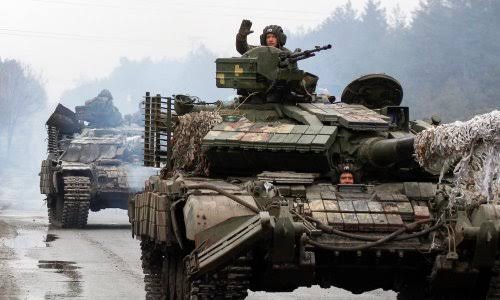
Ukraine’s reconstruction should be the priority. In February 2026, the World Bank estimated Ukraine’s reconstruction needs at $588 billion. The second major consideration is the losses suffered by Western companies in Russia as a result of asset seizures, write-offs, or forced exits. In February 2025, the Kyiv School of Economics estimated these losses at more than $170 billion. The Kremlin’s continued seizure of Western companies’ assets is pushing that figure even higher.
Taken together, these figures show that Russia’s financial liabilities exceed twice the value of its frozen central bank assets. The European Union could establish a dedicated mechanism to assess these claims and obligations. It could also draw on the International Claims Commission for Ukraine, which is being established by the Council of Europe.
Such an approach would make it possible to use Russia’s frozen reserves to address the damage caused by the war and settle mutual financial obligations, rather than treating them solely as part of a concession to Moscow.
Political obstacles facing Europe
Three main objections could be raised against this plan.
The first is that opposing Trump would come at a political and economic cost. The US president could put pressure on both Ukraine and European countries. The threat of imposing tariffs on countries purchasing Russian energy under the Graham Act is one potential instrument of that pressure. The fact that Trump has eased some provisions of the same law, however, creates a notable contradiction in this approach.
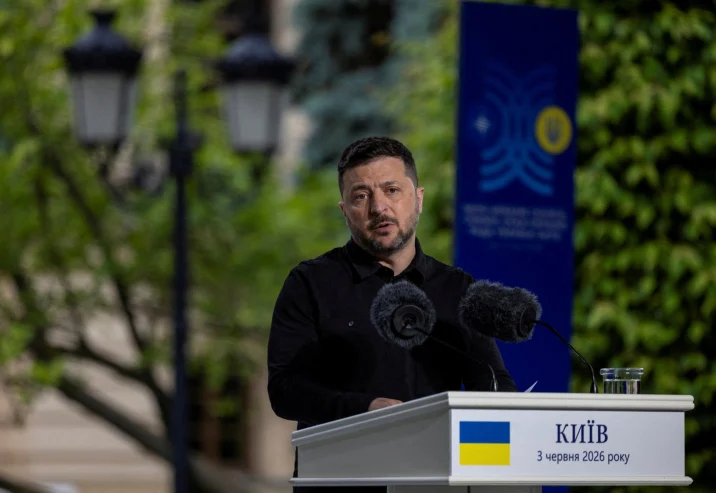
Nevertheless, Trump’s efforts to make concessions to Moscow could face significant political opposition within the United States. American companies may also become increasingly cautious about deals in which politically connected investors receive preferential treatment. If the Democratic Party takes control of Congress in the midterm elections, potential investigations could further narrow the Trump administration’s room for manoeuvre.
It should be European Union governments, not Washington, that decide whether Europe will have a say in the agreements Trump reaches with Russia. The new EU sanctions package expected to be discussed in the coming weeks could provide a suitable starting point for putting this approach into practice.
The second objection is that placing Lukoil on the European Union’s sanctions list would require the approval of all 27 member states. While this is true, the same unanimity requirement does not apply to the use of national investment-screening mechanisms. The inability to reach a common decision therefore does not prevent European countries from exercising their own powers.
The third objection is the argument that selling Russian energy assets to individuals or companies with close ties to the United States would be preferable to selling them to investors connected to Moscow. However, this approach cannot be considered universally valid. Investors with close ties to the United States could later resell the assets they acquire to individuals with powerful connections in Russia.
Moreover, the primary purpose of sanctions is to reduce the financial resources reaching the Kremlin. If the proceeds from a sale are transferred to Russia, the outcome would run directly counter to that objective. What matters, therefore, is not simply the nationality of the investor who acquires ownership, but how the sale affects Russia’s economic and political room for manoeuvre.
Conclusion: The future of the Ukraine war also depends on Europe’s decisions
Russia’s frozen central bank reserves are held in Belgium. Lukoil’s refineries are located in Bulgaria, the Netherlands, and Romania. Nord Stream reaches European territory in Germany. This makes it clear that Europe is not merely an actor following US decisions in negotiations with Russia.
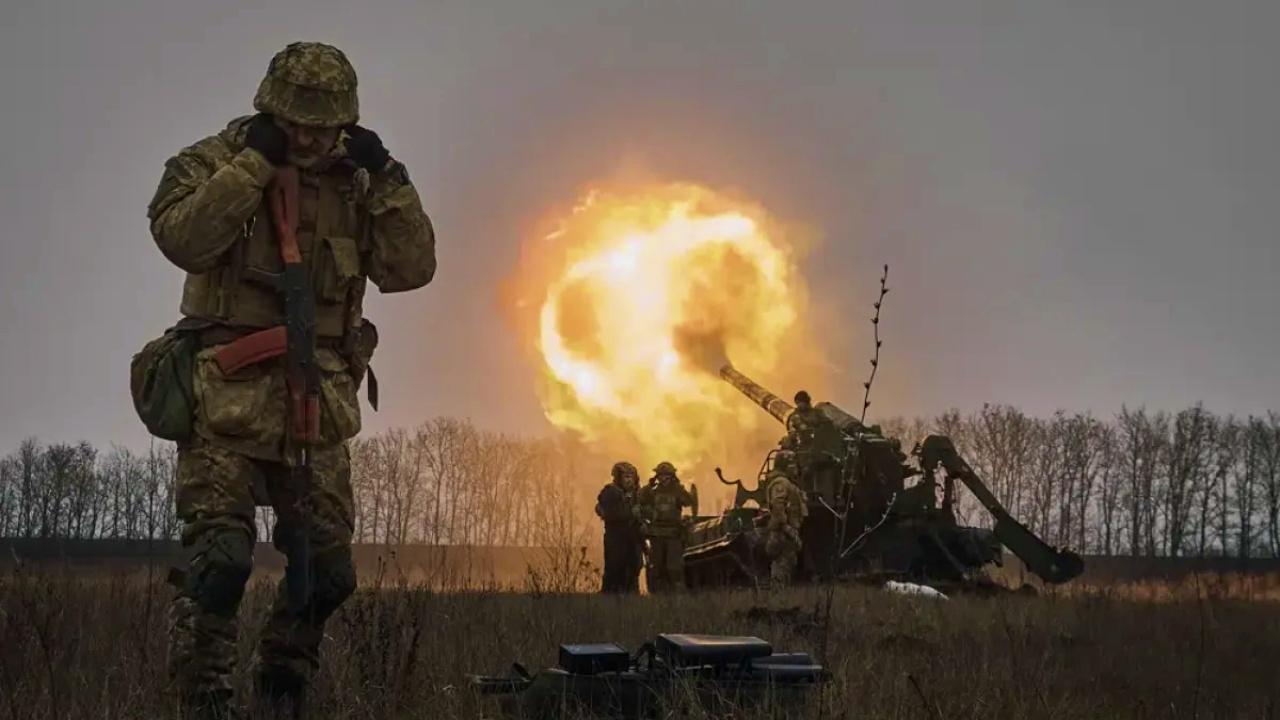
The United States can influence the course of the Ukraine war through its military support, diplomatic weight, and economic power. However, Europe’s independent decisions will be decisive in determining the future of sanctions against Russia, how frozen assets are used, and the conditions under which energy relations are reshaped.
If the economic incentives Washington offers Moscow conflict with Europe’s legal authority and strategic interests, reaching a lasting agreement will become more difficult. Even if the war comes to an end, concessions to Russia that fail to secure Ukraine’s reconstruction or establish conditions to constrain Moscow’s future aggression may not deliver lasting security for Europe.
The central issue is not simply whether Trump can reach an agreement with Russia. It is how such an agreement would affect Europe’s security interests, Ukraine’s future, and Russia’s capacity to regain strength. If Europe does not use its own economic and legal instruments, it could leave the opportunity to shape the postwar order to negotiations between Washington and Moscow.
For this reason, it is unrealistic to assume that the United States can end the Ukraine war on its own. Washington can negotiate, apply pressure, and put forward proposals for a settlement. But no lasting solution can be achieved without taking into account Europe’s sanctions mechanisms, frozen reserves, and energy infrastructure. How the Ukraine war ends—and how Europe’s security is protected afterwards—will depend just as much on the decisions European capitals make today.

