


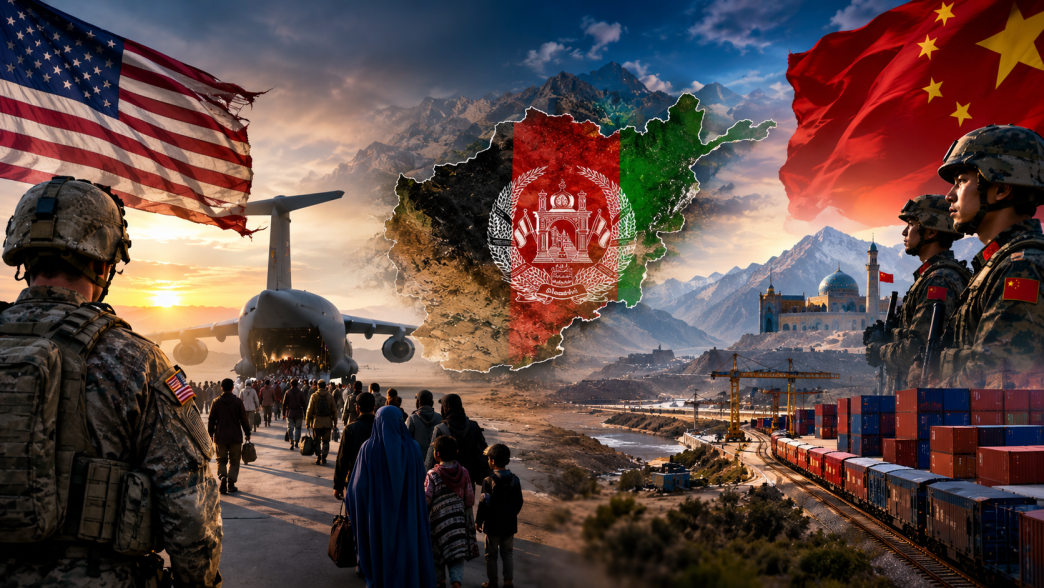
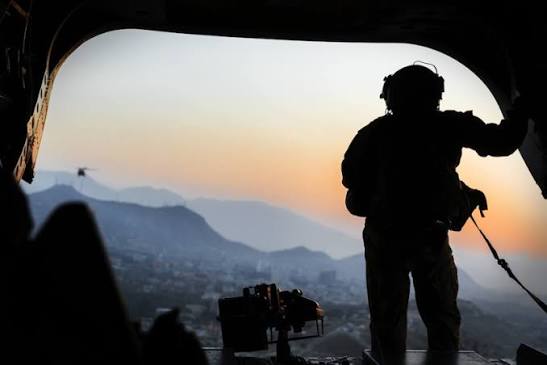
The United States’ withdrawal from Afghanistan in 2021 brought an end to a war that Washington had waged for nearly two decades, incurring enormous human, military, and economic costs. However, the departure of American troops did not diminish Afghanistan’s geopolitical importance.
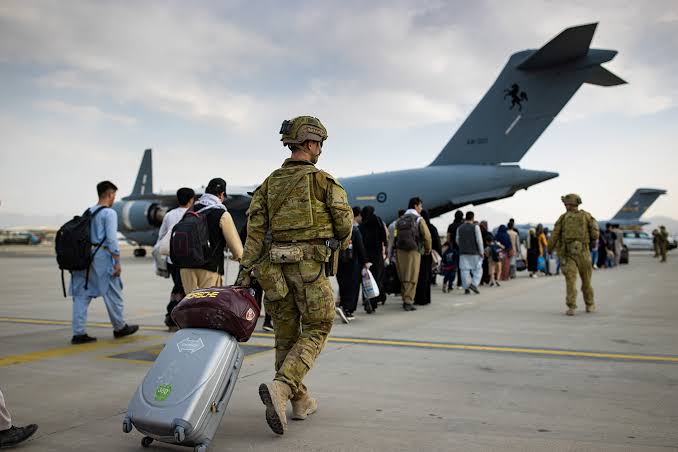
On the contrary, Washington’s withdrawal from the country created a power vacuum that opened up new opportunities for regional and global actors, particularly China. Beijing’s growing interest in Afghanistan’s natural resources, trade routes, and political future following the Taliban’s return to power has become one of the clearest manifestations of this shift. 
The central question is why the United States failed to turn the strategic gains it had sought in Afghanistan over two decades into a lasting political order. By withdrawing its troops, Washington ended its direct military commitment, but it also left considerable room for its rivals to shape the country’s future. China’s efforts to capitalize on this vacuum today suggest that the American withdrawal should be viewed not merely as a military retreat, but also as a strategic setback with long-term geopolitical consequences.
Military withdrawal did not end geopolitical competition
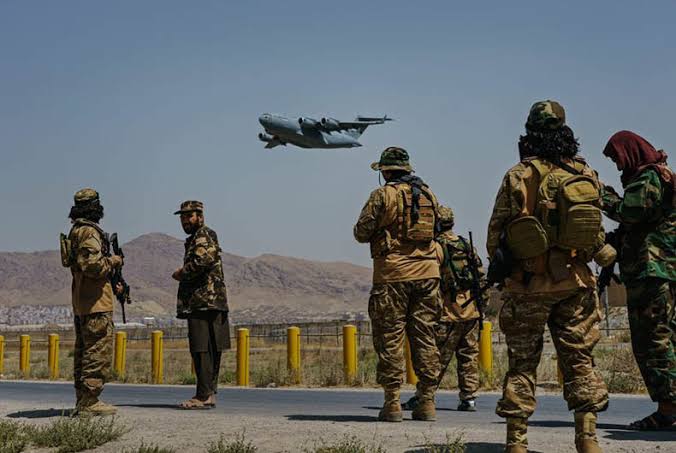
For the United States, the war in Afghanistan had increasingly become a military burden that consumed growing amounts of resources while making it difficult to achieve its political objectives. Washington failed to permanently neutralize the Taliban or establish a functioning state across the country. The rapid collapse of Afghan security forces in 2021 and the Taliban’s subsequent takeover of Kabul exposed the political and institutional limitations of the American intervention.
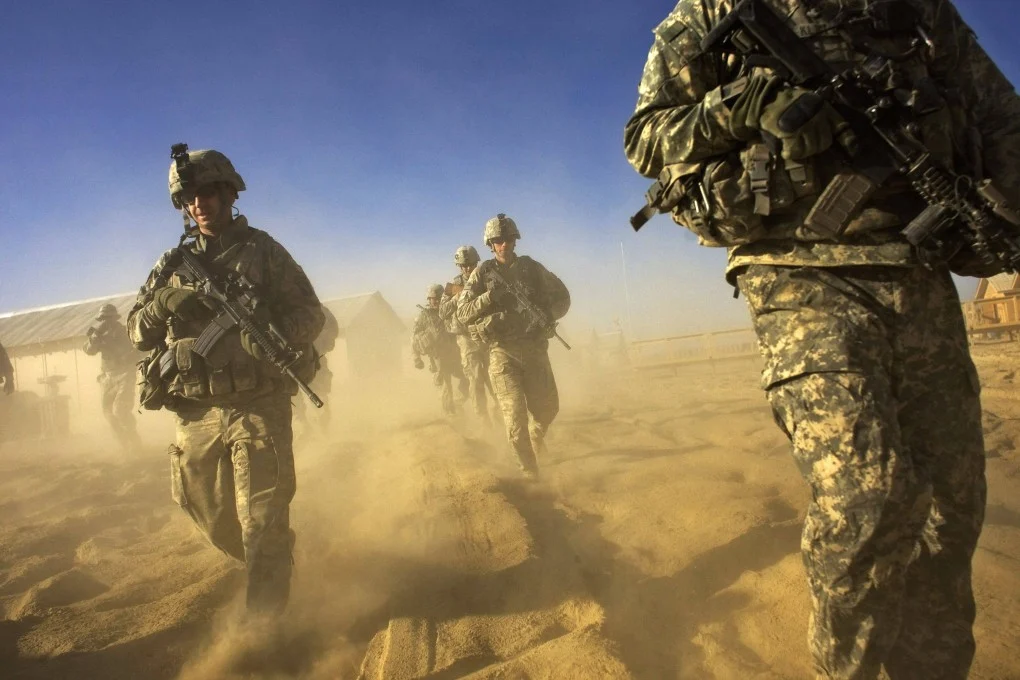
Nevertheless, the vacuum created by the US departure did not remain empty for long. Seeking to gain a say in Afghanistan’s future, China began expanding its influence through economic ties, diplomatic engagement, and investments in natural resources. While Washington ended its military presence, Beijing started carving out a position for itself in the region through instruments that were less costly and potentially capable of delivering long-term results.
From this perspective, the US withdrawal did not amount to a direct transfer of territory or political control to China, but it nevertheless presented Beijing with a significant strategic opportunity. In other words, Washington freed itself from the military burden while surrendering part of its ability to shape Afghanistan’s future.
Why are Afghanistan’s mineral resources important to China?
Afghanistan has considerable potential in copper, lithium, iron ore, and other critical minerals. A substantial proportion of these resources has yet to be developed on a commercially viable scale. However, the growing importance of critical minerals for the energy transition, battery manufacturing, the electronics industry, and defense technologies has made Afghanistan a potential arena for long-term strategic competition.
China enjoys significant advantages in this field thanks to its mining and raw material processing capabilities. Beijing’s economic ties with the Taliban administration and Chinese companies’ efforts to secure mining concessions can be seen as part of a broader attempt to integrate Afghanistan’s resources into future supply chains.
The strategic issue here goes beyond extracting minerals. The countries to which critical raw materials are sold, where they are processed, the infrastructure through which they are transported, and the companies controlling this trade are all just as important as the resources themselves. If China gains a stronger foothold at different stages of this chain, it could exert a lasting influence over Afghanistan’s economic future.
Meanwhile, as the United States seeks to reduce its dependence on China for critical minerals, it has accepted the risk that one potential alternative source could fall within Beijing’s sphere of influence. The consequences of the American withdrawal are therefore not limited to the balance of power in Central Asia; they are also connected to the future of American industry, defense production, and global supply chains.
The strategic advantage of geography
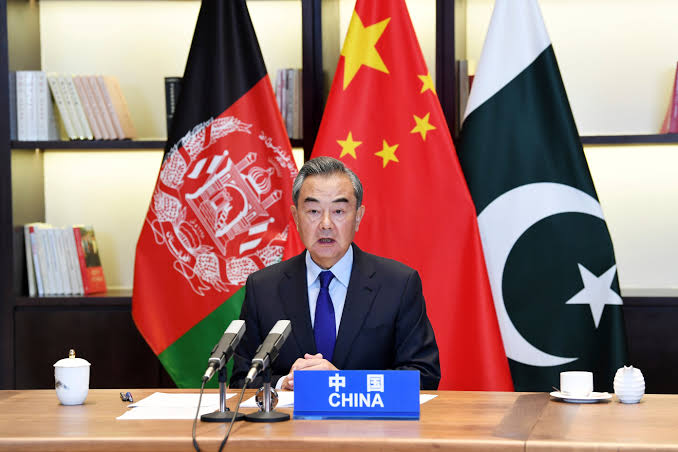
Afghanistan’s importance extends beyond its natural resources. Located at a crossroads between Central and South Asia, the country shares borders with China and Iran and is positioned to connect with broader regional trade networks through Pakistan. Russia also remains an influential actor in geopolitical developments surrounding Afghanistan through its ties with Central Asia.
This geographic position creates opportunities for various projects, ranging from energy pipelines and electricity transmission infrastructure to railways and overland transport corridors. If a reliable government and a stable economic environment can be established in Afghanistan, the country could contribute to the expansion of regional trade. However, security challenges, political uncertainty, and inadequate infrastructure make it difficult to realize this potential.
For China, Afghanistan could serve as a complementary component of broader Eurasian connectivity. Beijing’s primary objective in the region is not simply to gain access to minerals, but also to expand trade networks, diversify economic relationships, and limit the strategic vulnerabilities that could be exploited against it. The end of the American military presence made it easier for China to pursue these goals.
Is the Taliban administration an opportunity or a risk for China?
Since the Taliban returned to power, Afghanistan has remained largely excluded from significant parts of the international financial system. Weak institutional capacity, legal uncertainty, concerns over contract enforcement, and the risk of political interference remain among the main obstacles to long-term investment.
Security problems further complicate this picture. Concerns about the presence of al-Qaeda and other extremist organizations in the country persist, while the threat posed by Islamic State Khorasan Province (ISIS-K) and tensions along the Pakistani border contribute to regional instability. Under these conditions, Afghanistan remains far from offering a predictable environment for large-scale investment.
China’s approach, however, may be based on managing economic risks in areas that promise substantial strategic returns rather than eliminating those risks altogether. Beijing has shown a willingness to engage with politically problematic countries when long-term interests, such as access to resources or the development of trade routes, are at stake. Afghanistan could be another example of this approach.
Of course, Chinese investment in Afghanistan does not mean that China has gained complete control over the country. Nevertheless, economic dependence can gradually translate into political influence. An actor that provides financing, undertakes infrastructure projects, directs trade channels, and gains a dominant position in the exploitation of natural resources can become increasingly influential in a country’s decision-making processes.
Moreover, these relationships should not be expected to last only as long as the Taliban remains in power. By establishing commercial and diplomatic networks today, China could create a foundation for maintaining its relationships with different administrations that may emerge in Afghanistan in the future. This long-term capacity to exert political and economic influence is precisely one of the areas in which the United States has lost ground through its withdrawal.
What was Washington’s main mistake?
One of the fundamental problems with US policy in Afghanistan was the assumption that ending the military presence would largely eliminate the country’s strategic significance and Washington’s responsibilities toward it. Yet withdrawing troops from a country does not diminish its importance in the regional balance of power. On the contrary, the resulting vacuum can be filled by other actors.
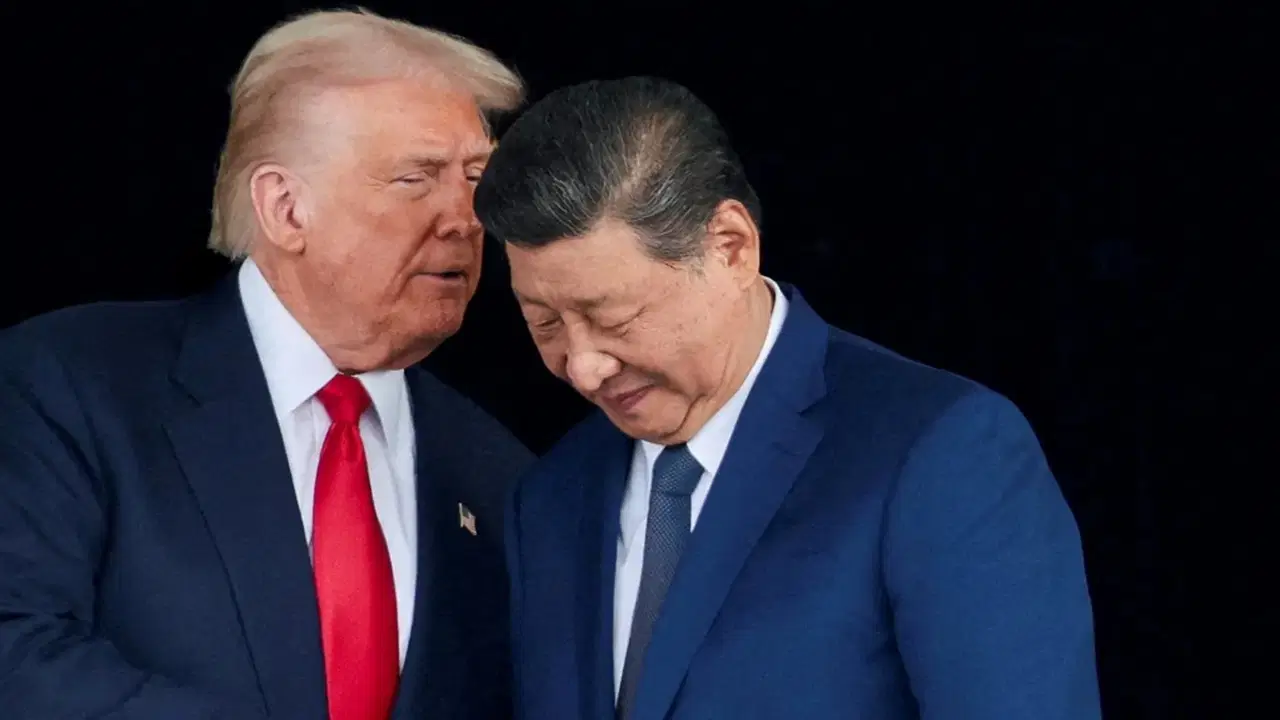
Washington faced two basic options: maintaining a costly military presence in Afghanistan or continuing to exert some influence over developments in the country through non-military means. The first option clearly entailed substantial costs. However, the failure to sufficiently develop the second option expanded the room for maneuver available to competitors such as China.
The US withdrawal from Afghanistan should therefore not be viewed solely as the end of an unsuccessful state-building effort. It should also be understood as the consequence of Washington’s failure to establish a sustainable mechanism for protecting its political, economic, and strategic gains in a country in which it had invested for so long.
This situation also illustrates an important feature of great-power competition: achieving military superiority or maintaining troops in a country for many years does not guarantee the ability to shape its future permanently. By contrast, actors that sustain their economic and diplomatic relationships after a military presence comes to an end can gradually move into a more advantageous position.
Why do political actors outside the Taliban matter?
Assessing Afghanistan’s future solely through the Taliban administration means overlooking a significant part of the country’s political and social dynamics. Within Afghanistan and abroad, there are former public officials, business leaders, young people, and political opposition figures who recognize the importance of economic development, functioning institutions, and constructive international relations.
The human capital developed in education, public administration, and economic activities during the two decades of the US and allied presence also remains important to Afghanistan’s future. Whether this accumulated experience can once again contribute to the country’s political and economic life depends largely on the extent to which actors outside the Taliban administration can establish their legitimacy.
Organizations such as the Afghanistan Freedom Movement (AFM) aim to bring together different opposition groups around a common political program. For such initiatives to offer a meaningful alternative, however, diplomatic contacts abroad alone will not be enough. Their ability to gain public support within Afghanistan, reconcile the interests of different communities, and present a viable model of governance will be decisive.
Engaging with these actors would not require Washington to send troops back into Afghanistan or launch another nation-building project. Through diplomatic relations, economic instruments, and targeted political support, the United States could assess the capabilities of potential alternatives while maintaining pressure on the Taliban.
The key point, however, is that Afghanistan’s political future cannot be determined from outside. The two-decade American intervention clearly demonstrated the limits of attempting to replace local legitimacy with military power. Any lasting political transformation will require a process grounded in the support of Afghan society itself.
Can the United States restore its influence without sending troops?
A reassessment of Washington’s Afghanistan policy should not mean returning to the military intervention model of the past. A more realistic approach would involve monitoring political actors capable of influencing the country’s future, closely following regional developments, and exploring ways to prevent Afghanistan’s economic potential from falling under the influence of a single power.
If a stable Afghanistan can establish a legitimate government and reliable commercial institutions, it could become more open to international investment. Such an environment could help integrate critical minerals into global supply chains through a more diverse range of countries and contribute to the expansion of regional trade. For the United States and its allies, this would represent a potential opportunity to reduce their economic dependence on China.
Nevertheless, it would be unrealistic to expect Afghanistan’s problems to be resolved quickly. Political divisions, security threats, economic weaknesses, and institutional shortcomings all require a long-term approach. To avoid repeating past mistakes, Washington must also resist the temptation to view Afghanistan’s future merely as an extension of its own political preferences.
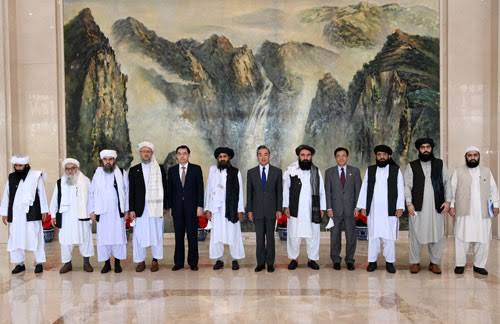
The Doha Agreement, signed in 2020, established the framework for the withdrawal of US troops from Afghanistan and paved the way for the end of one of America’s longest wars. However, the termination of the military commitment did not mean that Afghanistan had ceased to matter to American security and economic interests. Washington’s failure to develop an adequate political and economic strategy after its withdrawal created a vacuum that China could exploit.
Conclusion: The US withdrew, and China gained strategic ground
Afghanistan demonstrates that military superiority alone is insufficient in global power competition. After nearly two decades of war, the United States withdrew its troops and ended the direct military costs of its involvement. Yet Washington failed to prevent the Taliban’s return to power and did not permanently secure the economic and diplomatic relationships that could have helped shape the country’s future.
China, by contrast, is seeking to engage with the same country not through military intervention, but through trade, investment, access to natural resources, and diplomatic relations. Whether this strategy will ultimately succeed remains uncertain. Afghanistan’s security challenges and the institutional weaknesses of the Taliban administration continue to pose serious obstacles for Beijing. Nevertheless, China’s continued efforts to expand its influence despite these risks demonstrate the geopolitical value of the space Washington left behind.
It would therefore be inaccurate to claim that the United States directly handed Afghanistan over to China by withdrawing. However, Washington’s failure to develop an adequate strategy for preserving its influence over Afghanistan’s future after ending its military presence opened the door for Beijing to capitalize on the resulting vacuum. In the process, the United States freed itself from the costs of war while contributing to the emergence of an environment in which its rival could expand its economic and political influence.
This is where the central strategic contradiction lies: Washington failed to make the political outcomes it had sought through two decades of military power in Afghanistan permanent, while China is now exploring the possibility of securing longer-term gains through the country’s resources and geographic position. The United States may have left Afghanistan militarily, but that does not mean it has completely withdrawn from the country in terms of global competition. China’s next moves will help determine whether Washington’s withdrawal remains a limited military decision or becomes a long-term geopolitical loss.

