


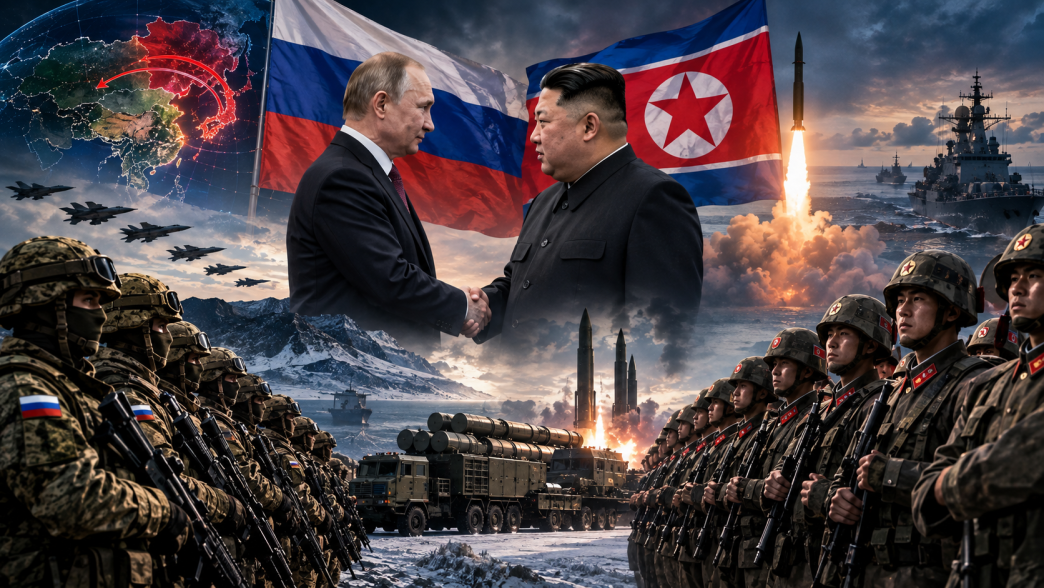
Relations between Russia and North Korea have evolved from a temporary cooperation based primarily on military supplies into a broader strategic partnership following the Russia-Ukraine war that began in 2022.
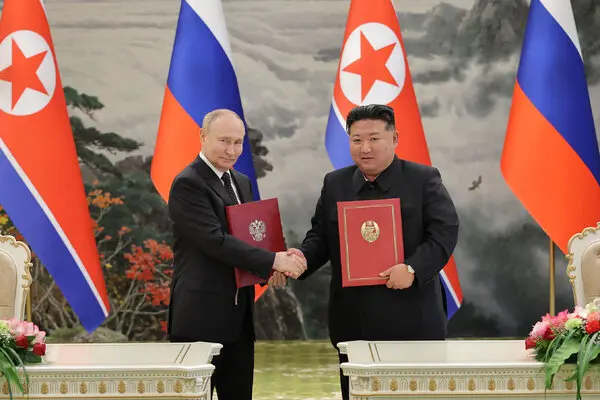
Moscow’s sharp deterioration in relations with the West and Pyongyang’s isolation under international sanctions have pushed the two countries toward a new security partnership in which they can meet each other’s strategic needs.
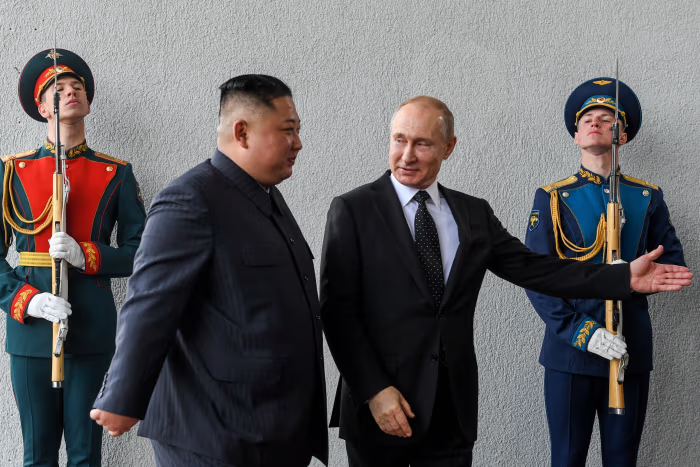
One of the clearest indicators of this transformation was the Comprehensive Strategic Partnership Treaty signed by Vladimir Putin and Kim Jong-un in June 2024. The agreement provides for military and other forms of assistance if either side comes under armed attack. In this way, Russia-North Korea military relations, which had largely declined following the collapse of the Soviet Union, were placed on a renewed institutional footing.
The wartime partnership deepens
The war in Ukraine has been the main catalyst behind the growing rapprochement between Moscow and Pyongyang. Reports that North Korea has supplied Russia with large quantities of artillery ammunition and ballistic missiles, while also sending thousands of troops to participate in fighting in Russia’s Kursk region, clearly demonstrate the scale of the relationship.
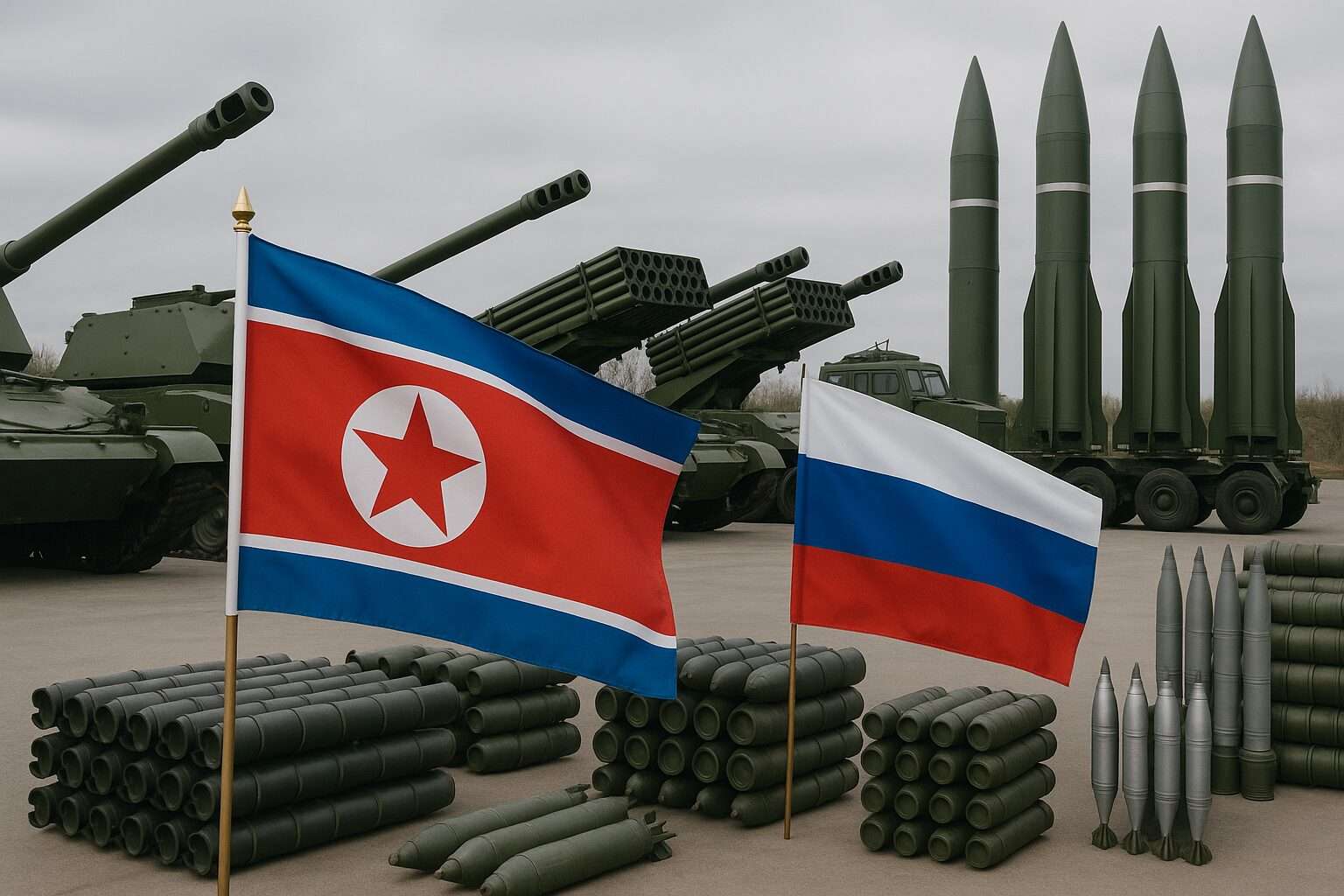
This cooperation is based on a reciprocal mechanism of interests. While Russia can partially meet its ammunition and personnel needs arising from the prolonged war in Ukraine through North Korea, Pyongyang gains access to economic resources, diplomatic support and military technology in return.
The resulting relationship therefore represents a multidimensional partnership that combines combat experience, manpower, ammunition and technology transfers rather than a conventional arms-supply arrangement.
North Korea’s military capabilities are changing
One of the most important consequences of North Korea’s expanding relationship with Moscow is the possibility that its military capabilities could improve not only quantitatively but also qualitatively. The deployment of North Korean personnel to the battlefield in the Russia-Ukraine war gives Pyongyang the opportunity to gain direct experience of modern warfare under real combat conditions.
There are also assessments that Russia could provide North Korea with support in areas such as air defense, electronic warfare, missile technology, space and satellite capabilities. The battlefield use of North Korean ballistic missiles is also providing Pyongyang with valuable data on how these systems perform under actual combat conditions.
This development is particularly significant for the security balance in East Asia. The combination of Russian technology with North Korea’s existing missile and nuclear capabilities could create the conditions for Pyongyang to acquire more advanced and diverse weapons systems in the future.
Moscow’s strategic gains
For Russia, North Korea’s importance extends beyond the ammunition and personnel it provides. As Western sanctions have restricted Moscow’s access to traditional economic and technological channels, Russia has increasingly expanded its relations with countries such as China, Iran and North Korea.
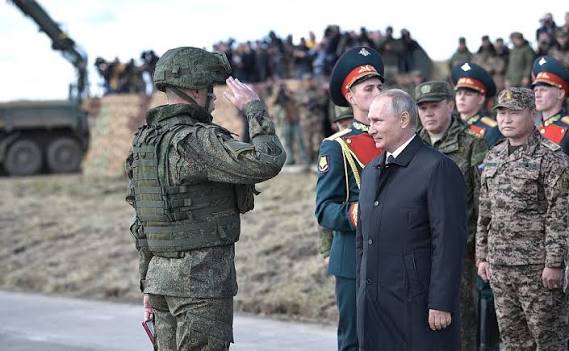
North Korea’s large ammunition stockpiles support Russia’s defense production capacity, while various reports indicate that North Korean workers are also being used to help address Russia’s labor shortages. At the same time, Pyongyang has become a partner that expands Russia’s diplomatic and strategic network in the Asia-Pacific, contributing to Moscow’s efforts to regain a more visible role in the region.
Another significant change in Russia’s relationship with North Korea can be seen in Moscow’s approach to the United Nations sanctions regime. Russia had previously supported UN Security Council sanctions against North Korea’s nuclear and missile programs alongside China. In recent years, however, this policy has shifted significantly.
Russia’s veto in 2024 against extending the mandate of the UN panel of experts monitoring sanctions on North Korea was an important indication that Moscow was increasingly prioritizing bilateral relations with Pyongyang over maintaining its international isolation.
A broader balance of power is emerging
The implications of the Russia-North Korea rapprochement extend far beyond the borders of the two countries. As Moscow simultaneously expands its relations with Beijing and Tehran, the increasingly visible networks of cooperation linking Russia, North Korea, China and Iran make it necessary to assess European and Indo-Pacific security dynamics within the same strategic framework.
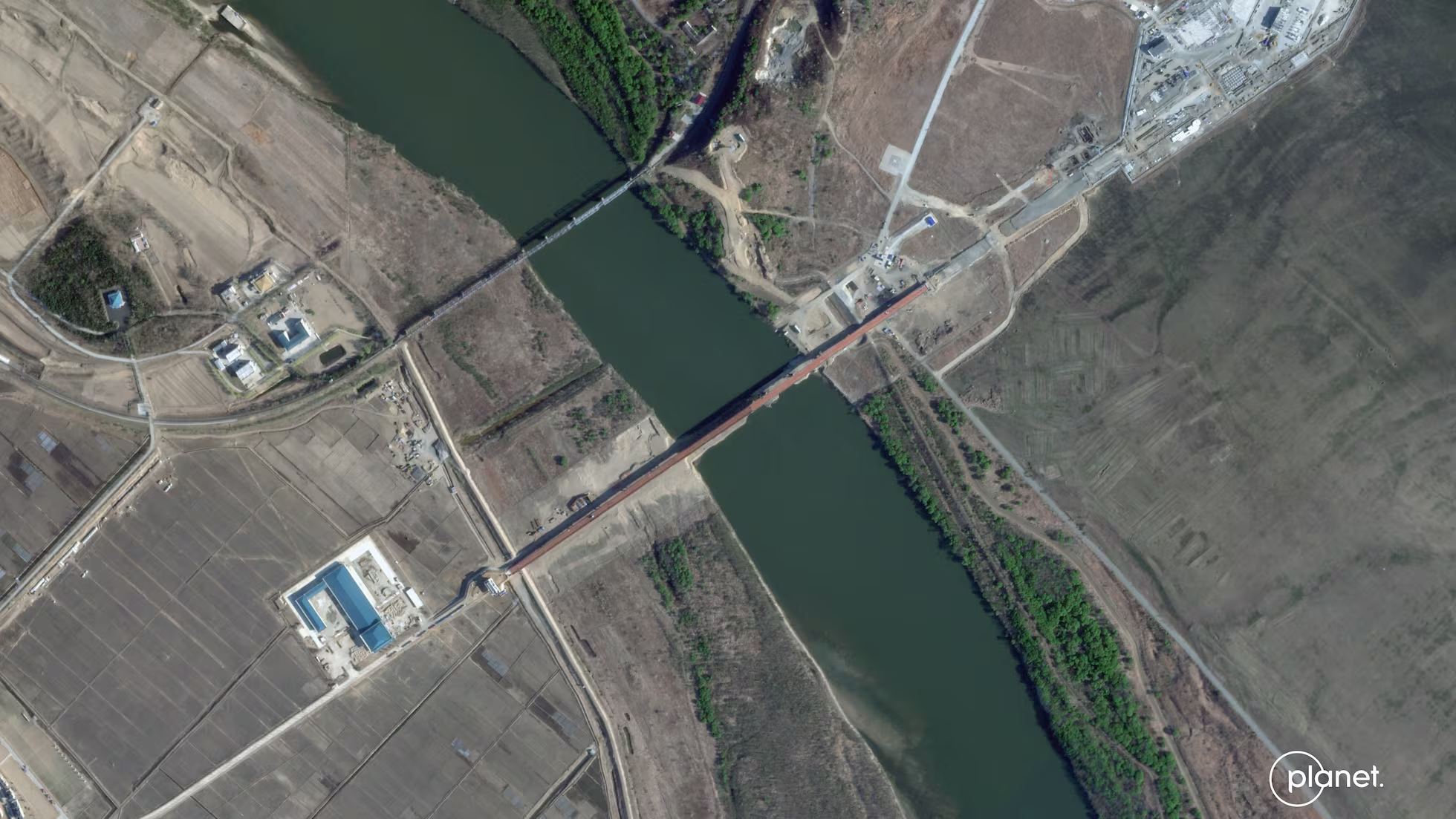
The fundamental change is that Russia and North Korea are increasingly complementing each other’s weaknesses. Russia brings advanced defense technologies, battlefield experience and a broad diplomatic network, while North Korea offers large ammunition stockpiles, missile capabilities, manpower and low-cost production capacity that are valuable to Moscow.
Ultimately, Russia-North Korea relations appear to have moved beyond the temporary solidarity created by the war in Ukraine. The emerging structure is developing into a more enduring partnership encompassing defense, economics, technology, space, labor and diplomacy. The most significant consequence of this partnership may therefore extend beyond its contribution to Russia’s wartime capabilities: through access to modern combat experience and Russian technology, North Korea could gradually emerge as a more capable military actor over the long term.
For this reason, the transformation in Moscow-Pyongyang relations should not be viewed merely as an extension of the war in Europe. Rather, it should be understood as part of a broader geopolitical transformation that increasingly connects European security with the security dynamics of the Indo-Pacific.
Source: Times of Defence
