


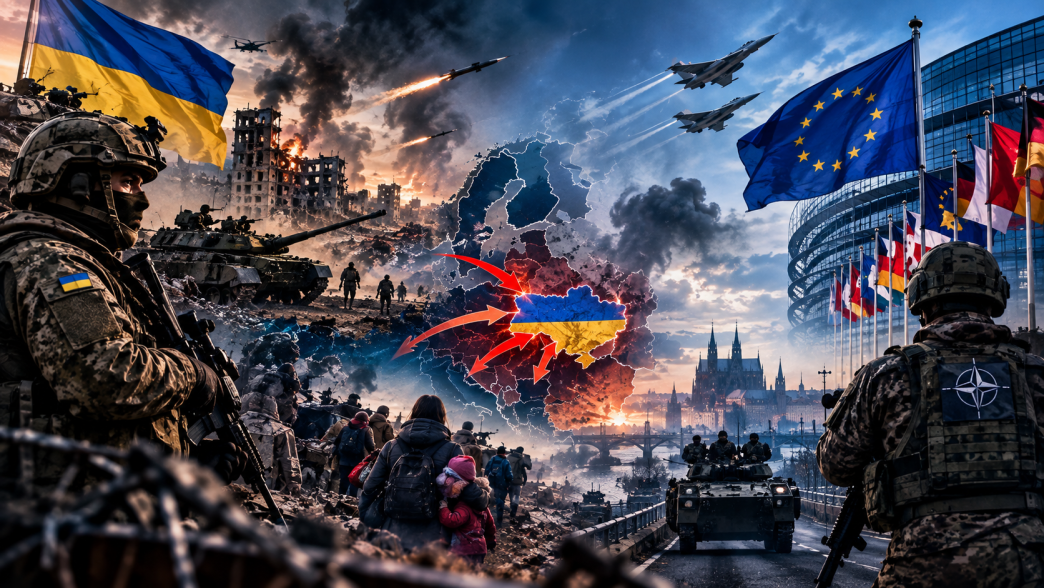
The Russia-Ukraine war is entering a new phase in which the geographical boundaries of the conflict are becoming increasingly uncertain.
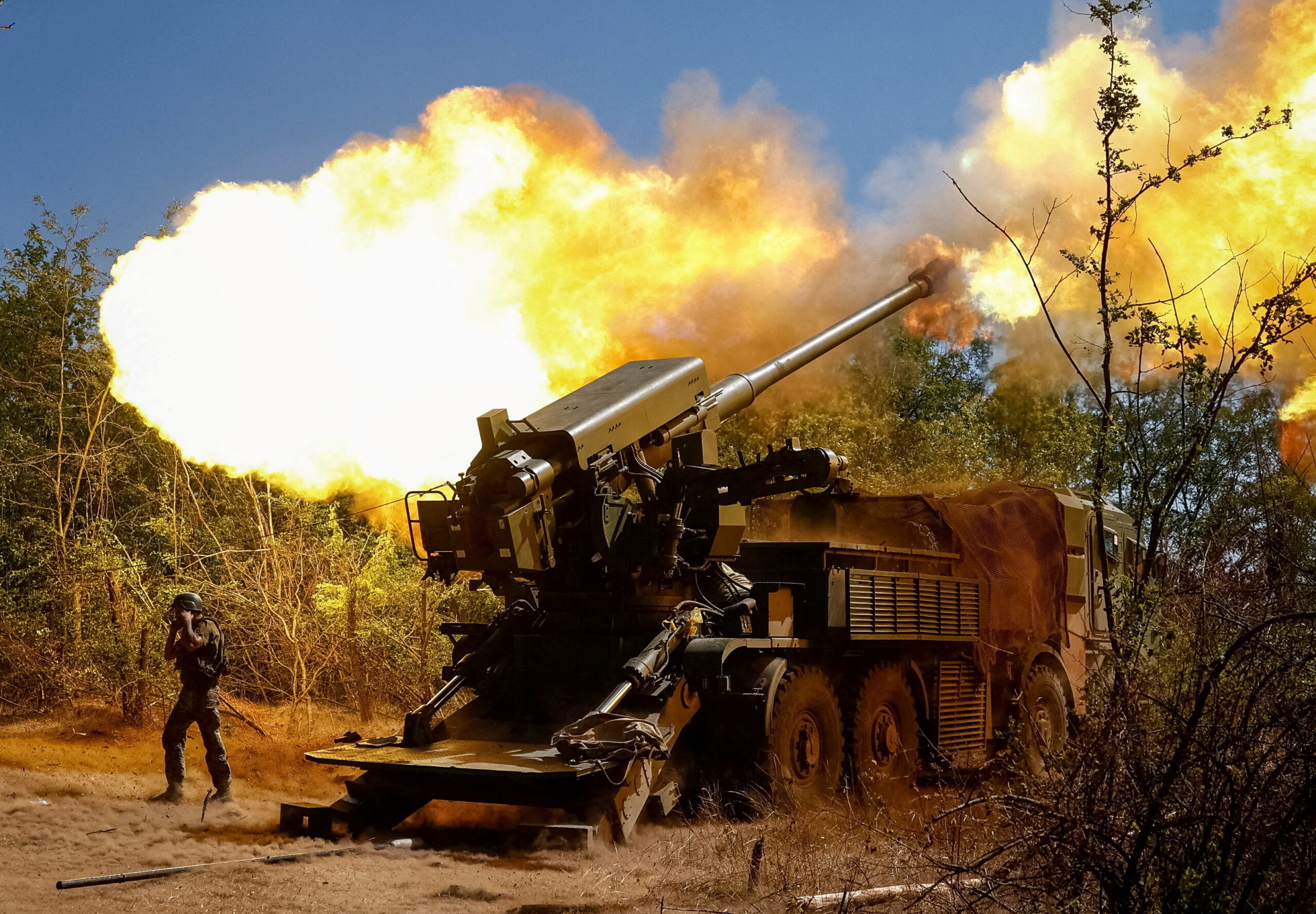
The developments in recent days in Poland, Lithuania and around the Baltic Sea, although they do not mean that the war has directly spread to NATO territory, are clearly increasing the pressure of the conflict in Ukraine on the alliance’s airspace, transportation routes and critical infrastructure.
The intensification of the use of unmanned aerial vehicles in particular demonstrates that the war is no longer simply a struggle being waged on the Ukrainian front line. Airspace violations, attacks near border areas, the targeting of railway lines and mutual tensions in the Baltic Sea are reshaping security calculations on Europe’s eastern flank.
This picture points not so much to the risk of direct confrontation between Moscow and NATO as to a security environment in which the countries surrounding the war are increasingly forced to maintain a high level of military preparedness.
Attacks along the border create new security pressure
The successive developments in areas of Poland close to the Ukrainian border in mid-September revealed why Warsaw’s perception of the threat has rapidly intensified.
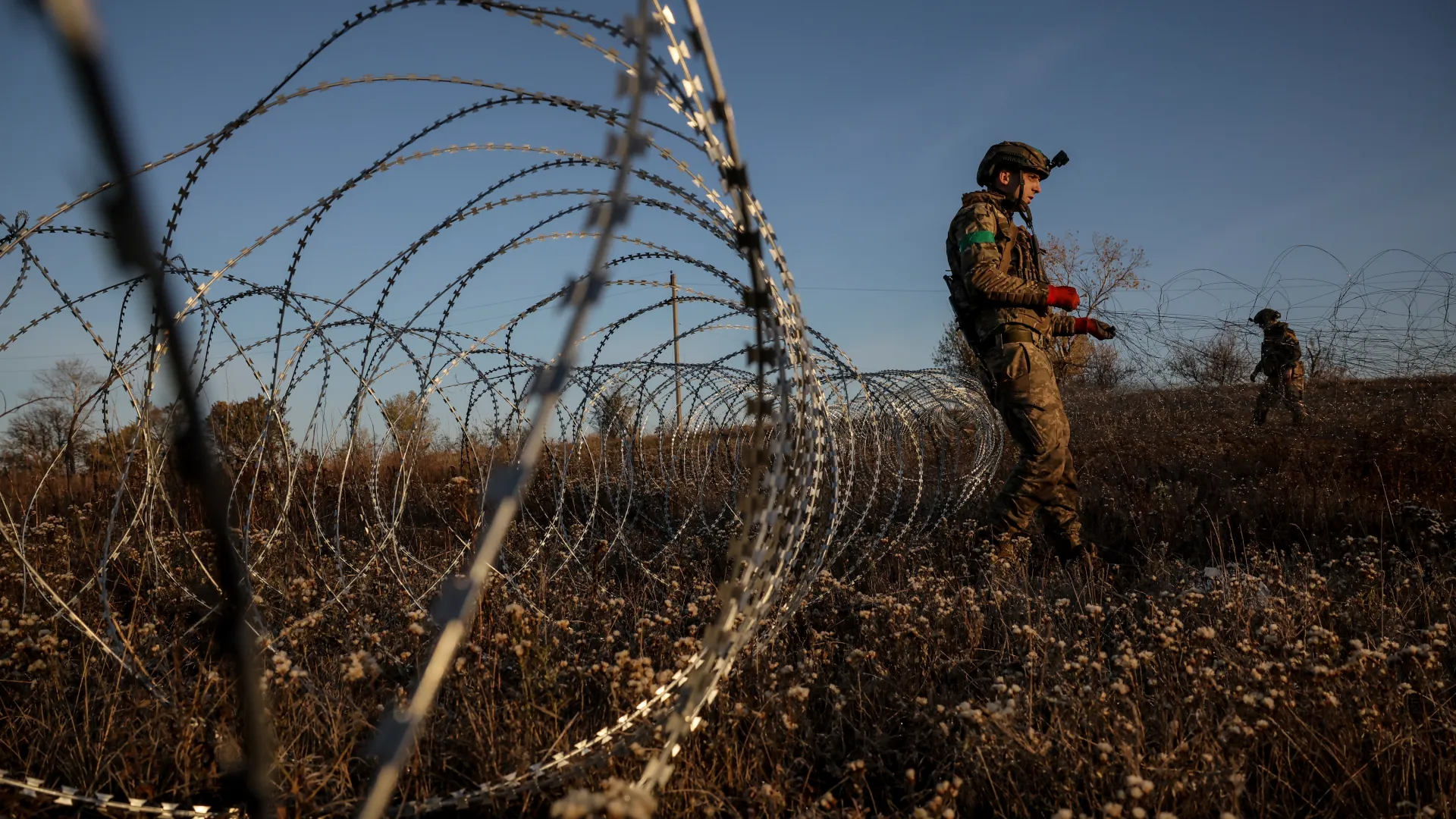
During Russia’s attacks on targets in western Ukraine, Polish fighter jets were put on alert, while flight operations at Lublin and Rzeszów-Jasionka airports were temporarily suspended. Polish authorities stated that the operations were preventive in nature and that no violation of Polish airspace had been detected.
Just before this, the striking of a passenger train by a Russian unmanned aerial vehicle only about 2 kilometers from the Polish border once again brought into focus how close the war had come to NATO borders. No fatalities were reported in the incident, but the fact that it occurred extremely close to a route used by foreign officials increased security concerns in Europe.
The strategic significance of such incidents cannot be measured solely by the physical damage caused. Western Ukraine is a critical logistical area for the delivery of military and economic assistance to the country. Therefore, attacks targeting border areas demonstrate that transportation and supply networks far from the front line are also becoming part of the war.
Air defense is no longer limited to the front line
The incident in Lithuania revealed another dimension of the issue. On September 15, Italian fighter jets operating in the region as part of NATO’s mission shot down an unmanned aerial vehicle that had entered Lithuanian airspace and was determined to be carrying explosives. Lithuanian authorities stated that the vehicle had come from the direction of Belarus and that discussions were subsequently held within NATO and the European Union.
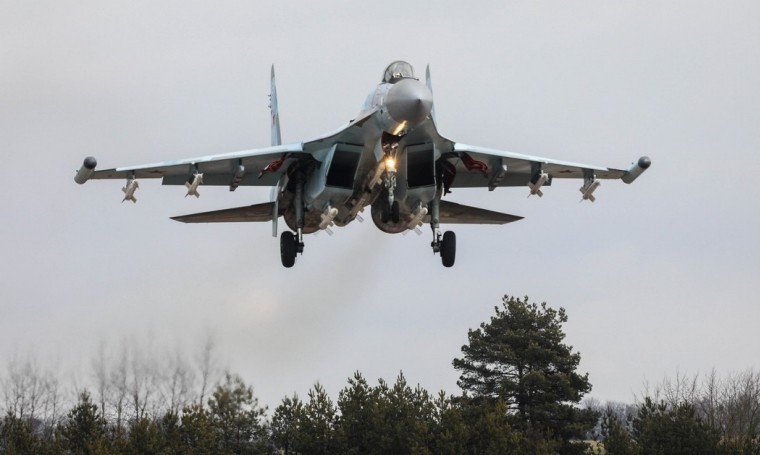
What is noteworthy here is that unmanned systems are increasingly making the distinction between the battlefield and NATO airspace more complicated. An UAV deviating from its intended target, changing course because of electronic warfare, or taking a different route to evade air defense systems can turn into a cross-border security problem within minutes.
For this reason, air defense on Europe’s eastern flank is no longer being considered simply as a conventional defense model consisting of fighter jets and long-range systems. A multilayered structure is emerging in which radar networks, electronic warfare, early warning systems, fighter aircraft and short-range air defense elements must operate simultaneously.
Tensions in the Baltic region are spreading to different areas
The tensions are not limited to airspace either. During the same period, Denmark reported that a Russian warship had used signal flares at close range to a Danish helicopter in the Baltic Sea. Copenhagen responded diplomatically to Russia over the incident, while Moscow argued that the Danish helicopter had carried out dangerous maneuvers toward the Russian vessel.
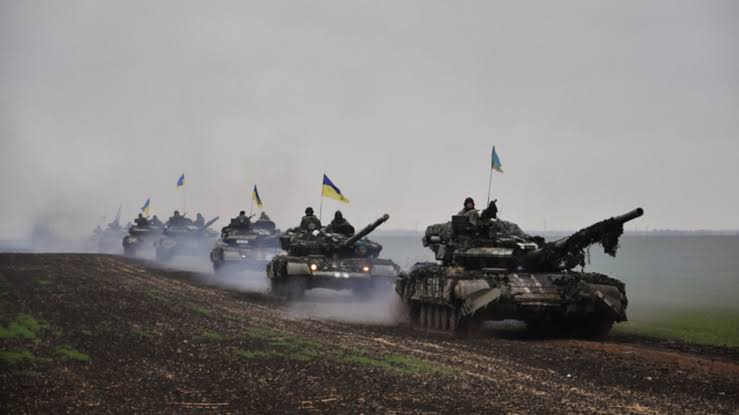
This development demonstrates that encounters between military assets in northern Europe are also becoming more sensitive. The Baltic Sea is already an area where the military activities of Russia and NATO member states intersect intensely. The emergence of a high-density security environment involving aircraft, warships, reconnaissance assets and submarine operations increases the risk that even a minor miscalculation could develop into a larger crisis.
Therefore, the Russia-Ukraine war can no longer be understood solely through the lens of the land war being fought on the battlefield. The Baltic Sea, Eastern European airspace, railway networks and energy infrastructure are becoming part of the same security equation.
The drone war is reshaping European security
The common feature of these developments is the way unmanned aerial vehicles are expanding the strategic impact of the war. Thanks to their relatively low cost, long range and ability to be deployed in large numbers, UAVs are emerging not only as tools against military targets but also as instruments for exerting pressure on transportation and economic infrastructure.
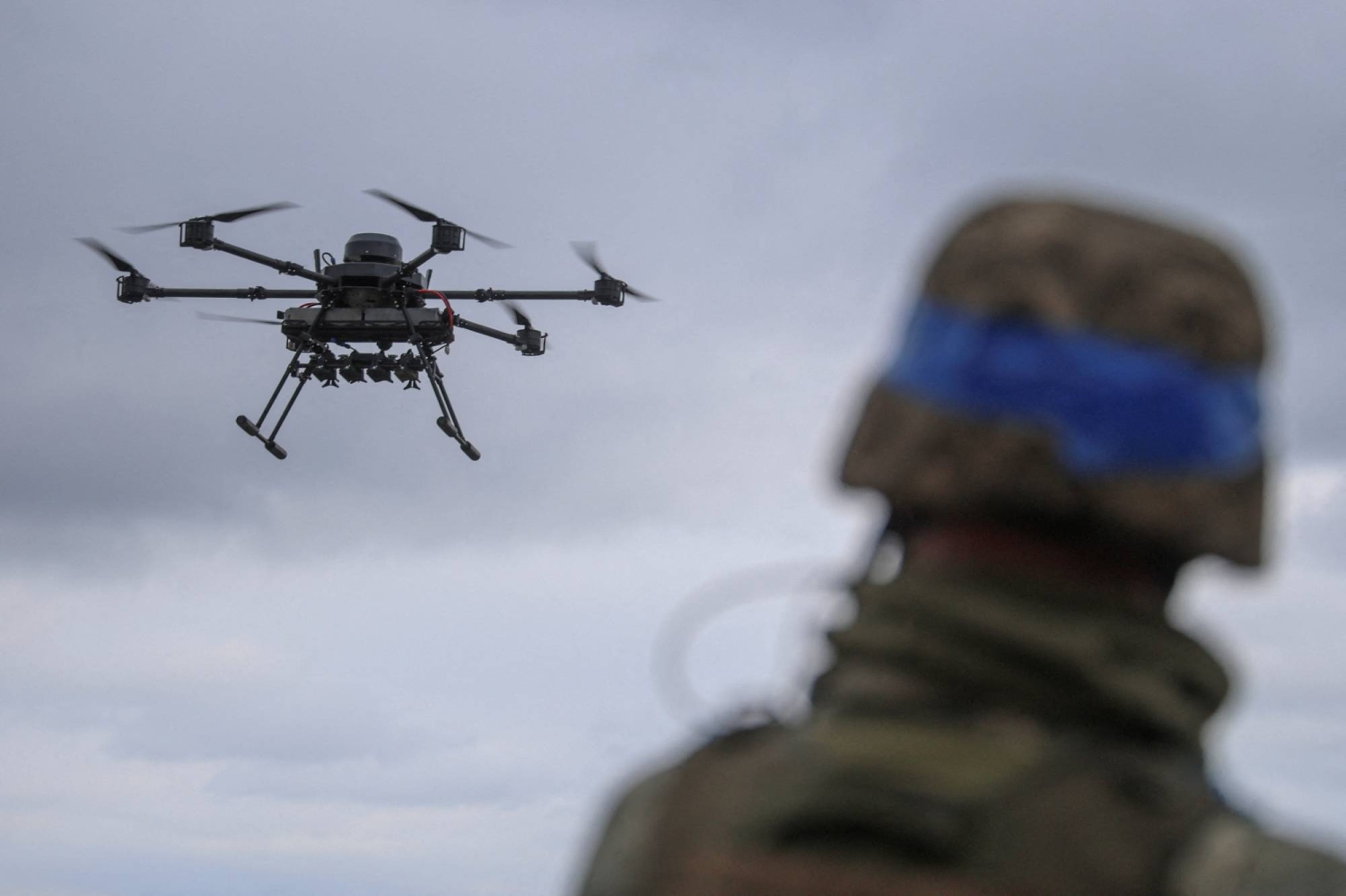
Russia’s attacks against railway lines, logistics centers and energy infrastructure in western Ukraine are significant in this regard. Assessments have also emerged that Russia has recently been conducting a broader air campaign aimed at weakening the Ukrainian economy. In these attacks, jet-powered unmanned systems and missiles are being used together, while the targeting of logistics and industrial infrastructure is strengthening the economic dimension of the war.
In such an environment, the fundamental challenge for NATO countries is not necessarily to shoot down every UAV, but to determine within a very short period of time which aircraft represents a threat. Because misidentifying a target can lead to a political crisis, while failing to intervene can result in physical damage.
The impact of the war on Europe is approaching a new threshold
The recent incidents in Poland and Lithuania demonstrate that the security concept on NATO’s eastern flank is increasingly evolving toward a model of “defense around the war.” While alliance members continue to support Ukraine, they are simultaneously seeking to protect their own airspace, borders and critical infrastructure against the potential effects of the war.
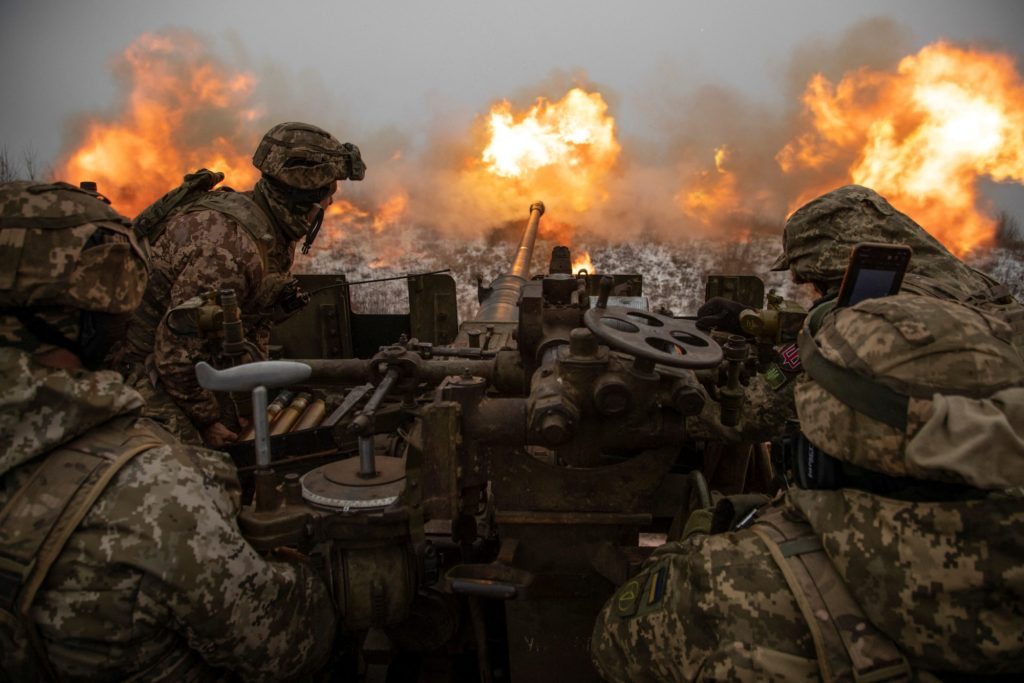
The fundamental issue here is not whether Russia will enter into a direct war with NATO. The more important question is how far the war in Ukraine will erode Europe’s security boundaries. A UAV crossing a border accidentally or deliberately, a missile deviating from its trajectory, the sabotage of a railway line, or military assets confronting each other dangerously in the Baltic Sea all demonstrate that the war can generate serious security consequences even without turning into a direct NATO-Russia conflict.
For this reason, the latest developments on Europe’s eastern and northern flanks reveal the new character of the war: The front line may remain in Ukraine, but the military, economic and psychological effects of the war are now spreading across a much wider geography.
In the period ahead, the decisive factor for European security will not simply be whether such incidents remain isolated, but to what extent they will transform NATO’s air defense capabilities, early warning mechanisms, border security and military decision-making processes. As the war in Ukraine continues, the possibility that the conflict will cease to be “a war taking place far away” and instead become a central element of Europe’s own security planning is becoming increasingly pronounced.
Source: Times of Defence
